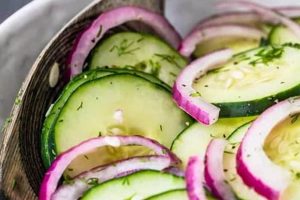
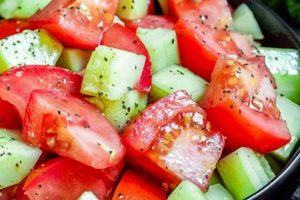
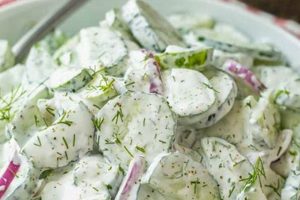
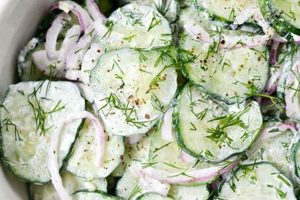
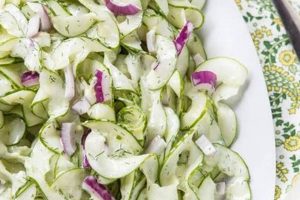
A refreshing and flavorful salad featuring thinly sliced cucumbers, often combined with ingredients such as red onion, tomatoes, herbs (like basil or oregano), and a vinaigrette typically made with olive oil, red wine vinegar, and seasonings. Variations may include other vegetables, cheeses, or olives. This dish exemplifies the simplicity and freshness often found in Italian cuisine, focusing on high-quality ingredients and bright flavors.
Such salads offer a light and healthy side dish or appetizer, ideal for warm weather. The hydrating nature of cucumbers combined with the antioxidant properties of vegetables like tomatoes and onions contribute to nutritional value. Historically, simple salads utilizing fresh, locally sourced ingredients have been a staple of Italian cuisine, reflecting the country’s rich agricultural heritage. This culinary tradition continues to influence contemporary dishes, highlighting seasonal produce.
This exploration will further delve into specific variations, provide detailed preparation instructions, and offer suggestions for ingredient substitutions and complementary pairings.
Tips for a Superior Cucumber Salad
Achieving optimal flavor and texture requires attention to detail. These tips offer guidance for elevating a simple cucumber salad to a culinary highlight.
Tip 1: Salt the Cucumbers: Salting cucumbers prior to dressing draws out excess moisture, preventing a watery salad. Place sliced cucumbers in a colander with a sprinkle of salt for approximately 15 minutes, then pat dry.
Tip 2: Thinly Slice Ingredients: Uniformly thin slices ensure even flavor distribution and a pleasant texture. A mandoline slicer or sharp knife is recommended.
Tip 3: Macerate the Onions: Soaking thinly sliced red onions in cold water for 10 minutes mellows their pungent flavor, creating a more balanced salad.
Tip 4: Balance Acidity: The vinaigrette should achieve a harmonious balance of acidity and richness. Adjust the ratio of vinegar to oil based on personal preference. A touch of sweetness (like a pinch of sugar) can further enhance the flavor profile.
Tip 5: Fresh Herbs are Key: Fresh herbs contribute significantly to the overall flavor. Basil, oregano, mint, and dill are excellent choices. Add herbs just before serving to maximize their aroma and taste.
Tip 6: Chill Before Serving: Chilling allows the flavors to meld and enhances the refreshing quality of the salad. Refrigerate for at least 30 minutes before serving.
Tip 7: Consider Garnishes: A simple garnish can elevate the presentation. Options include crumbled feta cheese, toasted pine nuts, or black olives.
By implementing these suggestions, one can ensure a crisp, flavorful, and visually appealing cucumber salad that complements any meal.
The following section provides a step-by-step guide for preparing this classic dish, incorporating the aforementioned tips for optimal results.
1. Fresh Cucumbers
Fresh cucumbers serve as the foundational ingredient, contributing significantly to the characteristic lightness and refreshing quality. Their subtle flavor provides a neutral canvas for the vinaigrette and other components, allowing the brighter notes of herbs and acidity to shine. The quality of the cucumbers directly impacts the overall success; firm, unwaxed cucumbers with vibrant green skin are ideal. Cucumbers lacking freshness can result in a watery, less flavorful salad. For instance, using a cucumber past its prime might introduce an undesirable bitterness, detracting from the delicate balance of the dish. Opting for locally sourced, in-season cucumbers, when available, often yields superior flavor and texture.
The preparation of the cucumbers also influences the final result. Thinly slicing ensures optimal flavor infusion from the vinaigrette and promotes a pleasant, crisp texture. Conversely, thick slices may limit flavor penetration and create a less refined mouthfeel. Salting the sliced cucumbers prior to dressing is a crucial step for drawing out excess moisture, preventing a diluted dressing and maintaining the cucumbers’ crispness. Neglecting this step can compromise the salad’s overall texture and flavor profile. Furthermore, the choice of cucumber variety can subtly influence the salad’s character. English cucumbers, known for their thin skin and minimal seeds, offer a particularly delicate flavor and texture.
In summary, the selection and preparation of fresh cucumbers are essential for a successful outcome. Prioritizing fresh, high-quality cucumbers and employing proper slicing and salting techniques significantly contribute to the salad’s refreshing nature, delicate flavor balance, and desirable texture. Understanding the nuanced role of this core ingredient allows for informed choices that elevate the overall culinary experience.
2. Thin Slices

Thinly slicing cucumbers is integral to an authentic Italian cucumber salad recipe. This technique maximizes surface area, allowing the vinaigrette to penetrate the cucumber flesh more effectively, resulting in a more flavorful and evenly seasoned salad. Thickly sliced cucumbers, conversely, limit flavor absorption, leading to a blander, less satisfying experience. This principle extends beyond flavor; thin slices offer a delicate, refined texture, enhancing the overall sensory experience. Imagine biting into a crisp, thinly sliced cucumber infused with the bright flavors of the vinaigrette a stark contrast to the dense, less flavorful bite of a thickly cut cucumber. This seemingly minor detail significantly impacts the final dish.
The practical implications of this technique are readily apparent. Uniformly thin slices also contribute to a more aesthetically pleasing presentation, aligning with the emphasis on visual appeal often found in Italian cuisine. Achieving thin slices requires a sharp knife or, ideally, a mandoline slicer. A mandoline ensures consistent thickness, crucial for even marinating and optimal texture. While a sharp knife can achieve similar results with careful technique, a mandoline offers greater efficiency and precision, particularly when preparing larger quantities. The effort invested in precise slicing directly translates to a superior culinary outcome, highlighting the attention to detail characteristic of Italian culinary traditions.
In conclusion, the emphasis on thin slices underscores the significance of seemingly minor details in achieving culinary excellence. This technique exemplifies the Italian culinary philosophy of maximizing flavor and prioritizing both taste and presentation. The difference between a thinly sliced and thickly sliced cucumber transcends mere texture; it represents a fundamental understanding of flavor optimization and the pursuit of a balanced, harmonious dish. Mastering this technique elevates the simplest of salads to a culinary expression of care and precision.
3. Vinaigrette

The vinaigrette serves as the cornerstone of an Italian cucumber salad, imbuing the dish with its characteristic bright, acidic notes and binding the other components together. More than a simple dressing, the vinaigrette defines the salad’s flavor profile and contributes significantly to its refreshing quality. Understanding the nuances of a well-crafted vinaigrette is crucial for achieving an authentic and flavorful result.
- Acidity
The acidity, primarily derived from vinegar, provides the necessary counterpoint to the subtle sweetness of the cucumbers. Traditional Italian vinaigrettes often employ red wine vinegar, contributing a depth of flavor beyond mere tartness. The sharpness of the vinegar also helps to balance the richness of the olive oil, creating a harmonious interplay of contrasting elements. Lemon juice or white wine vinegar can be substituted, offering a brighter, more citrusy alternative, though the overall flavor profile will shift subtly. The level of acidity should be carefully calibrated to complement the cucumbers without overpowering their delicate flavor.
- Oil
Extra virgin olive oil is the quintessential oil for Italian cuisine, and its role in the vinaigrette is paramount. It contributes richness, body, and a distinctive fruity flavor that complements the other ingredients. The quality of the olive oil significantly impacts the overall flavor of the vinaigrette; opting for a high-quality, cold-pressed extra virgin olive oil is recommended. While other oils could technically be used, they lack the characteristic flavor profile that contributes to the authenticity of the dish.
- Seasoning
Beyond the core components of oil and vinegar, seasoning plays a vital role in elevating the vinaigrette. Salt and freshly ground black pepper are essential, enhancing the other flavors and providing foundational seasoning. Additional seasonings, such as garlic, oregano, or red pepper flakes, can introduce complexity and depth, aligning with the regional variations often found in Italian cuisine. The balance of seasonings should be carefully considered to avoid overpowering the delicate flavors of the cucumbers and other vegetables.
- Emulsification
The emulsification process, the combining of oil and vinegar into a stable mixture, is crucial for the vinaigrette’s texture and how it coats the salad ingredients. A properly emulsified vinaigrette clings evenly to the cucumbers, ensuring consistent flavor distribution. Whisking the ingredients vigorously or using a blender creates a temporary emulsion, preventing the oil and vinegar from separating and ensuring a harmonious blend of flavors in each bite. A poorly emulsified vinaigrette results in an uneven distribution of oil and vinegar, compromising the salad’s overall balance and texture.
The careful consideration of these facetsacidity, oil, seasoning, and emulsificationdemonstrates the complexity that underlies a seemingly simple vinaigrette. Each element contributes to the overall harmony of the Italian cucumber salad, highlighting the importance of balance and quality ingredients. The vinaigrette, far from being a mere afterthought, is the defining element that elevates the dish from a collection of ingredients to a cohesive and flavorful culinary experience.
4. Red Onion

Red onion, a pungent and colorful ingredient, plays a crucial role in many Italian cucumber salad recipes, providing a sharp counterpoint to the cucumber’s mildness and adding visual appeal. Its distinct characteristics contribute significantly to the overall flavor profile and textural complexity of the salad.
- Flavor Contrast
The sharp, slightly sweet, and sulfurous flavor of red onion offers a necessary contrast to the subtle, refreshing taste of cucumbers. This contrast prevents the salad from becoming bland, creating a more dynamic and engaging sensory experience. The intensity of the red onion’s flavor can be adjusted through techniques like soaking in cold water, which mellows the pungency while retaining the crisp texture.
- Visual Appeal
The vibrant purple hue of red onion introduces an element of visual interest to the predominantly green and white palette of a cucumber salad. This pop of color enhances the presentation, making the dish more appealing. The thin slices of red onion, interspersed with the cucumber, create a visually engaging contrast, adding to the overall aesthetic appeal of the salad.
- Textural Complexity
Red onion provides a crisp, slightly crunchy texture that complements the softer, more yielding texture of the cucumbers. This interplay of textures adds another layer of complexity to the salad, making each bite more interesting. The thinness of the onion slices is important; thicker slices can be overpowering in both flavor and texture.
- Nutritional Value
Beyond flavor and aesthetics, red onion contributes nutritional value to the salad. Red onions are a good source of antioxidants and contain vitamins and minerals that complement the nutritional profile of cucumbers. This nutritional aspect aligns with the broader emphasis on fresh, wholesome ingredients in Italian cuisine.
The inclusion of red onion in an Italian cucumber salad exemplifies the careful balance of flavors, textures, and visual appeal characteristic of Italian culinary traditions. Its sharp flavor, vibrant color, and crisp texture elevate the simple cucumber salad, transforming it into a more complex and satisfying culinary experience. The strategic use of red onion showcases the importance of seemingly minor ingredients in creating a well-rounded and flavorful dish.
5. Fresh Herbs
Fresh herbs constitute an essential element within Italian cucumber salad recipes, contributing significantly to the aromatic complexity and overall flavor profile. Their inclusion elevates the salad beyond a simple combination of vegetables, transforming it into a vibrant, multi-sensory experience. The selection and application of fresh herbs demonstrate a nuanced understanding of Italian culinary principles, emphasizing the importance of fresh, high-quality ingredients and the delicate balance of flavors.
The aromatic oils present in fresh herbs release their distinctive fragrances and flavors when torn or chopped, infusing the salad with a vibrant freshness. Basil, with its sweet, slightly peppery notes, is a frequent choice, complementing the cucumber’s mild flavor. Oregano, possessing a more robust, earthy aroma, offers a bolder counterpoint. Dill, mint, and parsley provide alternative flavor profiles, allowing for customization and regional variations. The use of dried herbs, while convenient, fails to replicate the intensity and freshness imparted by their fresh counterparts. For instance, dried basil often exhibits a muted flavor compared to the vibrant, almost anise-like notes of fresh basil. The difference is palpable, impacting the overall sensory experience.
The practical application of fresh herbs in an Italian cucumber salad requires careful consideration. Adding herbs just before serving preserves their delicate flavors and maximizes their aromatic impact. Overexposure to the acidic vinaigrette can cause the herbs to wilt and lose their vibrancy. Furthermore, the quantity of herbs used should be balanced; while their contribution is essential, they should not overpower the subtle flavors of the cucumbers and other ingredients. Understanding this delicate balance distinguishes a well-crafted Italian cucumber salad from a less refined rendition. The judicious use of fresh herbs demonstrates a respect for the inherent qualities of each ingredient and a commitment to culinary excellence.
6. Optional Tomatoes
While not a mandatory component of every Italian cucumber salad recipe, tomatoes represent a frequent addition, contributing both flavor and visual appeal. Their inclusion reflects regional variations and personal preferences, offering an additional layer of complexity to the dish without compromising its essential character.
- Flavor Profile Enhancement
Tomatoes introduce a subtly sweet and tangy flavor that complements the refreshing cucumber and the sharpness of the vinaigrette. The variety of tomato influences the nuanced flavor; cherry tomatoes offer a burst of sweetness, while larger heirloom varieties contribute a richer, more complex flavor profile. The interaction between the tomato’s acidity and the vinaigrette’s acidity requires careful balance to avoid excessive tartness.
- Visual Contrast and Texture
The vibrant red hue of tomatoes contrasts beautifully with the green cucumbers and white onions, enhancing the salad’s visual appeal. Furthermore, the tomato’s texture, ranging from the firm burst of a cherry tomato to the softer texture of larger varieties, adds another dimension to the salad’s mouthfeel, complementing the crispness of the cucumbers and onions. This visual and textural interplay elevates the salad’s presentation.
- Nutritional Considerations
Adding tomatoes increases the nutritional value of the salad, contributing vitamins, minerals, and antioxidants. This nutritional enhancement aligns with the emphasis on fresh, wholesome ingredients characteristic of Italian cuisine. The inclusion of tomatoes reinforces the salad’s role as a healthy and flavorful component of a meal.
- Regional and Seasonal Variations
The use of tomatoes reflects regional and seasonal variations in Italian cuisine. In regions where tomatoes are abundant, their inclusion in cucumber salads is more common. The selection of tomato varieties also reflects seasonal availability, highlighting the emphasis on fresh, locally sourced ingredients. This adaptability demonstrates the flexibility and regional diversity within Italian culinary traditions.
The optional inclusion of tomatoes in an Italian cucumber salad exemplifies the adaptability and regional nuances found within Italian cuisine. While not essential, tomatoes offer the potential to enhance the flavor, visual appeal, and nutritional value of the dish, reflecting the resourcefulness and creativity inherent in Italian culinary practices. The choice to include tomatoes allows for personalization and customization, further demonstrating the dynamic nature of this classic dish.
7. Chilling
Chilling plays a crucial role in optimizing the sensory experience of an Italian cucumber salad. Lowering the temperature of the salad enhances the cucumbers’ refreshing crispness, a defining characteristic of the dish. This chilling process also allows the flavors of the vinaigrette and other components, such as herbs and onions, to meld and deepen, resulting in a more cohesive and balanced flavor profile. A room-temperature salad, while still edible, lacks the invigorating quality provided by chilling. Imagine consuming a chilled cucumber salad on a warm summer day; the crisp, cool cucumbers and the vibrant vinaigrette offer a refreshing contrast to the heat. This sensory experience would be diminished if the salad were served at room temperature.
Furthermore, chilling helps to maintain the structural integrity of the salad. Cucumbers, particularly when thinly sliced, are prone to wilting at room temperature, especially after being dressed with a vinaigrette. Chilling retards this process, preserving the desirable crisp texture and preventing the salad from becoming soggy. Consider a scenario where a cucumber salad is prepared several hours in advance of serving; without chilling, the cucumbers would likely lose their crispness and the vinaigrette would dilute, compromising both the texture and flavor of the dish. Chilling safeguards against these undesirable outcomes.
In summary, chilling is not merely a suggestion but rather a crucial step in preparing an Italian cucumber salad. It amplifies the cucumbers’ inherent refreshing qualities, allows the flavors of the other components to harmonize, and preserves the salad’s desirable texture. Understanding the practical significance of chilling ensures a superior culinary outcome, highlighting the attention to detail essential for achieving optimal flavor and texture in this classic dish.
Frequently Asked Questions
This section addresses common inquiries regarding Italian cucumber salad preparation, offering practical guidance for optimal results.
Question 1: Can other types of vinegar be used in the vinaigrette?
While red wine vinegar is traditional, white wine vinegar, apple cider vinegar, or even lemon juice can be substituted. However, these substitutions will subtly alter the flavor profile. White wine vinegar offers a lighter, brighter acidity, while apple cider vinegar introduces a slightly fruity note. Lemon juice provides a citrusy tang.
Question 2: How can the pungency of red onion be reduced?
Soaking thinly sliced red onion in cold water for 10-15 minutes mellows its sharpness without compromising its crisp texture. This step is particularly beneficial for those sensitive to strong onion flavors.
Question 3: What can be substituted for fresh herbs if they are unavailable?
While fresh herbs are ideal, dried herbs can be used in a pinch. However, use approximately one-third the quantity of dried herbs as fresh, as dried herbs tend to have a more concentrated flavor. Recognize that dried herbs will not fully replicate the fresh, vibrant flavors of their fresh counterparts.
Question 4: How long can the salad be stored in the refrigerator?
Ideally, this salad is consumed within 24 hours of preparation. Beyond this timeframe, the cucumbers may become excessively watery and the overall flavor and texture may deteriorate. Storing the salad in an airtight container helps to maintain its freshness.
Question 5: Can this salad be made ahead of time?
Yes, the salad can be prepared a few hours in advance. However, it’s best to add the vinaigrette and fresh herbs just before serving to prevent the cucumbers from becoming soggy and the herbs from wilting. Keep the components separate and chilled until ready to combine.
Question 6: Are there any non-vegetarian additions that complement this salad?
Crumbled feta cheese, flaked tuna, or grilled shrimp can be added to create a more substantial salad. These additions introduce protein and complement the fresh flavors of the vegetables and vinaigrette.
Addressing these frequently asked questions provides clarity on key aspects of Italian cucumber salad preparation and empowers culinary enthusiasts to achieve optimal results. Understanding these nuances allows for informed decision-making and customization while adhering to the fundamental principles of this classic dish.
The following section provides a complete recipe incorporating these insights, offering a step-by-step guide to creating a delicious and authentic Italian cucumber salad.
Italian Cucumber Salad Recipe
This exploration has provided a comprehensive overview of the Italian cucumber salad recipe, emphasizing the importance of fresh, high-quality ingredients and precise preparation techniques. From the selection of crisp cucumbers and the nuanced balance of the vinaigrette to the strategic use of red onion and fresh herbs, each component contributes to the final dish’s harmonious blend of flavors, textures, and visual appeal. The subtle yet crucial role of chilling has been highlighted, underscoring its impact on the salad’s refreshing quality and textural integrity. Furthermore, the exploration has addressed common queries, offering practical guidance for achieving optimal results and encouraging informed customization.
The Italian cucumber salad recipe represents more than a simple combination of ingredients; it embodies a culinary philosophy that prioritizes freshness, simplicity, and balance. Mastery of this seemingly straightforward dish demonstrates an appreciation for the nuanced interplay of flavors and textures, reflecting a broader understanding of Italian culinary traditions. This exploration serves as an invitation to embrace the simplicity and elegance of this classic dish, encouraging culinary experimentation and a deeper appreciation for the art of preparing fresh, flavorful food.