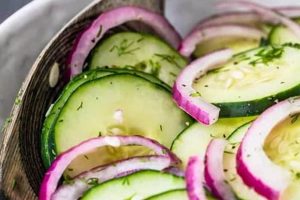
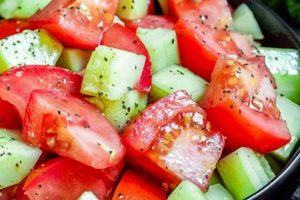
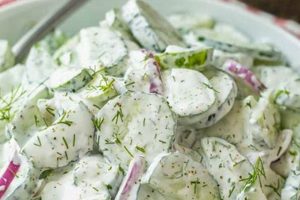
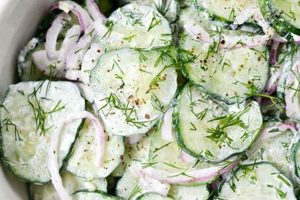
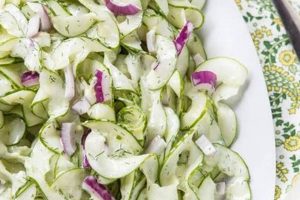
A combination of avocado, tomato, and cucumber creates a refreshing and nutritious salad. This simple dish typically involves dicing the three main ingredients and tossing them together. Variations may include additional components like onions, herbs (such as cilantro or parsley), different types of dressings (vinaigrettes, lemon juice, etc.), or spices. A basic example involves diced avocado, tomato, and cucumber dressed with a light vinaigrette and seasoned with salt and pepper.
This type of salad offers several nutritional benefits. Avocados provide healthy fats, fiber, and potassium. Tomatoes are rich in antioxidants like lycopene and vitamin C. Cucumbers offer hydration and contribute to overall vitamin and mineral intake. The combination makes for a light yet satisfying dish, suitable as a side dish, appetizer, or light lunch. While specific origins are difficult to pinpoint, the increasing popularity of avocados and the readily available nature of tomatoes and cucumbers have made this salad a staple in many cuisines worldwide, particularly those emphasizing fresh, seasonal ingredients.
Further exploration can include variations on the basic recipe, focusing on different dressings, additional ingredients, and creative presentation methods. Dietary considerations, such as vegan or gluten-free adaptations, can also be addressed, along with tips for selecting ripe produce and proper storage techniques for optimal flavor and freshness.
Tips for a Perfect Avocado, Tomato, and Cucumber Salad
Achieving optimal flavor and texture in an avocado, tomato, and cucumber salad requires attention to detail. The following tips offer guidance for creating a delightful culinary experience.
Tip 1: Ingredient Selection: Opt for ripe, but firm avocados. Choose tomatoes with vibrant color and a slight give, avoiding overly soft or bruised specimens. Select firm cucumbers with smooth skin.
Tip 2: Knife Skills: Consistent dicing ensures even flavor distribution and an appealing presentation. Aim for similarly sized pieces of avocado, tomato, and cucumber.
Tip 3: Preventing Browning: Avocado’s susceptibility to oxidation necessitates prompt action. Toss the diced avocado with lemon or lime juice immediately after cutting to prevent browning.
Tip 4: Dressing Choices: Light vinaigrettes, a simple squeeze of citrus juice, or even a drizzle of high-quality olive oil complement the salad’s fresh flavors. Avoid heavy, creamy dressings that can overpower the delicate ingredients.
Tip 5: Seasoning: Sea salt and freshly cracked black pepper enhance the natural flavors of the vegetables. Experiment with other seasonings like red pepper flakes or a pinch of cumin for added depth.
Tip 6: Chilling and Serving: While not essential, chilling the salad for a short time can enhance its refreshing qualities. Serve immediately after dressing to maintain optimal texture and prevent the vegetables from becoming soggy.
Tip 7: Ingredient Enhancements: Consider additions like finely diced red onion, crumbled feta cheese, or chopped fresh herbs, such as cilantro, mint, or parsley, to elevate the salad’s flavor profile.
By following these guidelines, one can create a vibrant and flavorful salad that showcases the complementary nature of avocado, tomato, and cucumber. Attention to these details ensures a consistently satisfying culinary result.
These tips provide a strong foundation for creating this simple yet versatile dish. Experimentation with various flavor combinations and presentation styles is encouraged to discover personalized preferences.
1. Fresh, Ripe Ingredients

The success of an avocado, tomato, and cucumber salad hinges directly on the quality of its ingredients. Freshness and ripeness are paramount, impacting not only the flavor but also the texture and overall appeal of the dish. Selecting optimal produce elevates this simple salad from ordinary to extraordinary.
- Avocado Selection
Avocados should yield to gentle pressure but not feel mushy. The skin should be a deep, consistent color, free from blemishes or dark spots. Properly ripe avocados provide a creamy texture and rich flavor that complements the other ingredients. An underripe avocado will be hard and flavorless, while an overripe one will be mushy and may have an off-putting taste.
- Tomato Choice
Tomatoes contribute both sweetness and acidity to the salad. Look for tomatoes with vibrant color and a slight give. Avoid tomatoes with bruises or cracks, as these indicate declining quality. Different varieties offer unique flavor profiles; consider experimenting with heirloom tomatoes for a more complex taste. Mealy or bland tomatoes will detract from the overall salad experience.
- Cucumber Considerations
Cucumbers provide a refreshing crunch and a subtle, cooling flavor. Choose firm cucumbers with smooth, unblemished skin. Avoid those with soft spots or yellowing ends. The variety of cucumber can also influence the final taste. English cucumbers, for example, are known for their thinner skin and less watery flesh, offering a slightly sweeter flavor.
- Impact on Overall Quality
Using less-than-perfect produce compromises the overall quality of the salad. Subpar ingredients result in a less vibrant appearance, compromised texture, and diminished flavor. The freshness and ripeness of each component contribute to the salads success. Selecting top-quality ingredients ensures a delightful sensory experience.
The emphasis on fresh, ripe ingredients underscores the importance of quality over quantity in this simple salad. Careful selection of each element ensures a vibrant, flavorful, and texturally pleasing culinary result. The combination of ripe avocado, juicy tomato, and crisp cucumber creates a symphony of flavors and textures that epitomizes the essence of fresh, seasonal cuisine.
2. Proper Knife Skills
Proper knife skills play a crucial role in creating a successful avocado, tomato, and cucumber salad. Uniformly sized pieces ensure even flavor distribution and contribute to a visually appealing presentation. Consistent cuts also affect the texture of the salad, preventing some pieces from becoming mushy while others remain too firm. A sharp knife and proper cutting techniques minimize cellular damage, preserving the ingredients’ fresh flavors and preventing excessive moisture release, which can lead to a watery salad. For example, dicing the ingredients into roughly equal cubes allows for a balanced distribution of flavors and textures in each bite, whereas unevenly chopped pieces can result in a less harmonious blend of tastes and a less satisfying mouthfeel.
Beyond aesthetics and flavor, proper knife skills contribute to efficiency and safety in the kitchen. A sharp knife, wielded with correct techniques, reduces preparation time and minimizes the risk of accidents. Dull knives require more force, increasing the likelihood of slippage and injury. Precise cuts, such as the consistent dicing required for this salad, demonstrate a fundamental understanding of knife control, a skill transferable to a wide range of culinary tasks. This proficiency not only elevates the quality of the final dish but also fosters confidence and enjoyment in the cooking process. For instance, learning to use a rocking motion with a chef’s knife when dicing allows for greater control and efficiency, reducing the risk of uneven cuts or accidental slips.
In the context of an avocado, tomato, and cucumber salad, proper knife skills are essential for maximizing flavor, achieving desirable texture, and ensuring an aesthetically pleasing presentation. These skills translate directly to improved efficiency and safety in the kitchen, reinforcing their importance as a foundational element in culinary practice. Mastering fundamental knife techniques elevates this simple salad from basic to refined, demonstrating a commitment to quality that extends beyond the individual dish to encompass a broader appreciation for culinary artistry.
3. Complementary Dressing
Dressing selection significantly impacts the overall success of an avocado, tomato, and cucumber salad. A complementary dressing enhances the natural flavors of the ingredients without overpowering their delicate balance. The wrong dressing can mask the fresh, vibrant tastes of the avocado, tomato, and cucumber, resulting in a less satisfying culinary experience. Understanding the interplay between the dressing and the core ingredients is crucial for creating a harmonious and flavorful salad.
- Acidity
The right level of acidity brightens the flavors of the salad. A vinaigrette with lemon or lime juice provides a refreshing tang that complements the richness of the avocado and the sweetness of the tomato. Excessive acidity, however, can overpower the subtle cucumber flavor. A balanced approach enhances the overall taste profile without masking individual ingredient contributions. For instance, a light lemon vinaigrette enhances the salad’s freshness, while a balsamic vinaigrette might be too overpowering.
- Oil Selection
The choice of oil contributes to both flavor and texture. Extra virgin olive oil offers a robust flavor that complements the avocado, while a lighter oil like grapeseed oil allows the other ingredients to shine. The oil also provides a textural element, coating the vegetables and creating a more palatable mouthfeel. The oil’s intensity should be carefully considered in relation to the other dressing components and the inherent flavors of the salad ingredients. For example, a strongly flavored olive oil might clash with a delicate herb-infused vinegar, while a neutral oil would allow the herbs to take center stage.
- Herbs and Spices
Fresh herbs and spices can further enhance the salad’s flavor profile. Cilantro, mint, dill, or chives provide a fresh, herbaceous counterpoint to the richness of the avocado. A pinch of red pepper flakes adds a touch of heat, while cumin or coriander can provide earthy undertones. The selection of herbs and spices should complement the overall flavor profile without creating a jarring contrast. Freshly chopped herbs tend to provide a brighter flavor than dried, which can sometimes taste bitter.
- Balance and Restraint
The key to a successful dressing lies in balance and restraint. The dressing should enhance, not dominate, the flavors of the main ingredients. A light touch ensures that the fresh, vibrant tastes of the avocado, tomato, and cucumber remain at the forefront. Overly complex or heavy dressings can mask the delicate nuances of the salad. Consider the overall flavor profile and strive for harmony among all components. A simple vinaigrette often proves more effective than a complex, heavily seasoned dressing.
By carefully considering the elements of acidity, oil selection, herbs and spices, and overall balance, one can create a dressing that perfectly complements the avocado, tomato, and cucumber salad. A well-chosen dressing elevates the dish, transforming simple ingredients into a harmonious and refreshing culinary experience. The interplay between the dressing and the inherent flavors of the vegetables creates a symphony of tastes and textures, showcasing the power of thoughtful ingredient combination.
4. Balanced Seasoning
Balanced seasoning is crucial for a successful avocado, tomato, and cucumber salad. This seemingly simple dish relies on the delicate interplay of fresh flavors, easily overwhelmed by incorrect seasoning. Over-salting, for example, can mask the subtle flavors of the cucumber and avocado, while insufficient seasoning leaves the salad tasting bland. The goal is to enhance, not overpower, the natural flavors of the ingredients. Consider the inherent salinity of certain cheeses, such as feta, if included, to avoid over-salting. A salad featuring feta might require less added salt compared to one without. Similarly, the acidity of a vinaigrette dressing should be considered when balancing the overall seasoning. A more acidic dressing may require a touch more salt to counterbalance the tartness.
Achieving balanced seasoning requires careful consideration of the other ingredients and the desired flavor profile. Freshly ground black pepper provides a subtle bite that complements the creamy avocado and the refreshing cucumber. A pinch of red pepper flakes introduces a hint of heat, while herbs like dill or mint can add a refreshing dimension. Understanding the interplay of these flavors allows for a more nuanced approach to seasoning, elevating the salad from simple to sophisticated. A salad with a stronger flavored herb like dill might require less pepper to avoid overwhelming the palate. The timing of seasoning also plays a role; adding salt to the tomatoes separately can draw out excess moisture, while seasoning the avocado immediately after cutting with lemon or lime juice helps prevent browning and adds a layer of flavor.
In conclusion, balanced seasoning elevates the avocado, tomato, and cucumber salad by harmonizing the individual flavors and creating a cohesive culinary experience. It requires careful consideration of the ingredients, the dressing, and the desired flavor profile. This understanding allows for a more nuanced approach to seasoning, resulting in a dish that is both refreshing and flavorful. Failure to achieve this balance can result in a bland or overly salty salad, obscuring the delicate flavors of the fresh produce. Mastering the art of balanced seasoning is essential for creating a truly exceptional avocado, tomato, and cucumber salad.
5. Optimal Storage

Optimal storage is critical for preserving the quality and maximizing the shelf life of an avocado, tomato, and cucumber salad. Improper storage can lead to undesirable changes in texture, flavor, and appearance, significantly impacting the overall culinary experience. Specifically, avocados are prone to enzymatic browning upon exposure to air, while tomatoes can become mealy and cucumbers can lose their crispness if stored incorrectly. Understanding the individual storage requirements of each ingredient allows for the creation of a higher quality salad, even if components are prepared in advance. For example, storing diced avocado with a layer of plastic wrap pressed directly onto its surface minimizes air exposure and significantly reduces browning. Similarly, tomatoes retain optimal flavor and texture when stored at room temperature, away from direct sunlight, while cucumbers benefit from refrigeration in a sealed container to maintain hydration and crispness.
Effective storage strategies must consider the prepared state of the ingredients. Whole, uncut produce generally has a longer shelf life than chopped or diced ingredients. Once cut, the increased surface area accelerates enzymatic reactions and moisture loss, making proper storage even more crucial for preserving quality. Storing the salad components separately until just before serving maximizes freshness and minimizes undesirable changes. This also allows for flexibility in flavor combinations, as dressings and additional ingredients can be incorporated at the last minute. For instance, if preparing the salad components a day in advance, storing the diced avocado in an airtight container with a squeeze of lemon juice helps minimize browning, while keeping the chopped cucumbers and tomatoes in separate airtight containers in the refrigerator preserves their texture and flavor. Combining the ingredients and adding the dressing just prior to serving ensures optimal quality and taste.
Optimal storage practices directly impact the quality, flavor, and overall enjoyment of an avocado, tomato, and cucumber salad. By understanding and implementing proper storage techniques, one ensures the ingredients retain their freshness and optimal characteristics. Failure to adhere to these guidelines can result in a subpar culinary outcome, diminishing the vibrancy and flavor of the salad. Strategic storage, coupled with a thorough understanding of ingredient sensitivities, allows for advanced preparation without compromising the final product’s quality. This forethought elevates the dish, transforming a simple salad into a carefully curated culinary experience that reflects a commitment to freshness and optimal flavor.
6. Creative Variations

The basic recipe for avocado, tomato, and cucumber salad provides a versatile foundation for creative exploration. Variations enhance the dish’s flavor profile, texture, and nutritional value, adapting it to diverse palates and dietary needs. Exploring these variations allows for personalized culinary expression, transforming a simple salad into a showcase of creativity and flavor innovation. Consider these facets to expand upon the basic recipe:
- Ingredient Additions
Incorporating additional ingredients expands the salad’s flavor profile and textural complexity. Options include crumbled feta cheese for a salty, tangy element, chopped red onion for a pungent bite, or toasted nuts or seeds for added crunch and nutritional value. Corn kernels introduce sweetness, while black beans contribute protein and fiber. Each addition alters the overall taste and nutritional composition, offering opportunities for customization and experimentation. For instance, adding grilled halloumi cheese transforms the salad into a more substantial meal, while incorporating toasted pumpkin seeds adds a healthy dose of magnesium and zinc.
- Dressing Exploration
Moving beyond basic vinaigrette, exploring different dressings significantly impacts the salad’s flavor profile. A cilantro-lime dressing adds a zesty, herbaceous element, while a creamy avocado dressing provides richness and depth. A spicy sriracha-lime vinaigrette introduces heat, while a tahini-based dressing offers nutty undertones. The choice of dressing significantly alters the overall culinary experience, creating unique flavor combinations that complement the core ingredients. A miso-ginger dressing, for example, lends an umami richness and an Asian-inspired twist.
- Textural Contrasts
Introducing textural contrasts adds another layer of complexity to the salad. Toasted croutons or tortilla strips contribute crunch, while creamy avocado provides a smooth counterpoint. Adding roasted chickpeas offers a hearty texture and plant-based protein. These variations elevate the sensory experience, making the salad more engaging and satisfying. Serving the salad over a bed of quinoa adds a light and fluffy texture, while incorporating crispy fried shallots provides a contrasting crunch.
- Presentation Styles
Creative presentation elevates the salad from a simple side dish to a visually appealing centerpiece. Instead of a basic toss, consider layering the ingredients in a glass jar for individual servings or arranging them artfully on a platter. Garnishing with edible flowers or microgreens adds an elegant touch. These variations demonstrate attention to detail and enhance the overall dining experience, transforming the salad into a culinary creation that is both visually and gastronomically appealing. For instance, serving the salad in hollowed-out avocado halves creates an attractive presentation and emphasizes the key ingredient.
These creative variations highlight the versatility of the avocado, tomato, and cucumber salad. By exploring ingredient additions, dressing variations, textural contrasts, and presentation styles, one transcends the basic recipe and creates a personalized culinary expression. These variations not only enhance the flavor and visual appeal but also offer opportunities to tailor the salad to specific dietary needs and preferences, solidifying its place as a customizable and consistently satisfying dish.
Frequently Asked Questions
This section addresses common inquiries regarding avocado, tomato, and cucumber salad preparation and storage.
Question 1: How can enzymatic browning of avocados be prevented?
Avocado browning results from oxidation upon exposure to air. Minimizing air contact through techniques like storing cut avocado in an airtight container with a layer of plastic wrap pressed directly onto the surface or coating the avocado with lemon or lime juice helps prevent browning. The acidic nature of citrus juice inhibits the enzymatic reaction responsible for discoloration.
Question 2: What is the optimal storage method for this salad?
Storing ingredients separately until serving maximizes freshness. Tomatoes are best stored at room temperature, while cucumbers benefit from refrigeration in a sealed container. Prepared avocado should be stored airtight with lemon or lime juice to prevent browning. Combining all ingredients just prior to serving ensures optimal quality and taste.
Question 3: Can this salad be prepared in advance?
While individual components can be prepared ahead of time, it is generally recommended to combine the salad just before serving to maintain optimal texture and flavor. Advanced preparation of individual components requires specific storage techniques outlined in the optimal storage section above to prevent undesirable texture and flavor changes.
Question 4: What dressings best complement this salad?
Light vinaigrettes based on lemon juice, lime juice, or a combination of both enhance the salad’s fresh flavors. Simple olive oil and vinegar combinations also complement the ingredients. Avoid heavy, creamy dressings that can mask the delicate flavors of the produce.
Question 5: How can one enhance the flavor profile of this salad?
Flavor enhancements can include additions like red onion, feta cheese, fresh herbs (cilantro, mint, dill), or spices. Consider variations in dressing choice, incorporating herbs or spices into the vinaigrette itself. A sprinkle of toasted nuts or seeds can provide additional flavor and texture.
Question 6: What are the key nutritional benefits of this salad?
This salad offers a combination of healthy fats from avocados, antioxidants and vitamins from tomatoes, and hydration and minerals from cucumbers. It serves as a good source of fiber and contributes to a balanced dietary intake.
Addressing these common questions provides a comprehensive understanding of preparing and storing avocado, tomato, and cucumber salad successfully. Attention to detail ensures an enjoyable and flavorful culinary experience.
Further exploration could involve specific recipe variations or detailed nutritional breakdowns of individual ingredients.
Recipe for Avocado Tomato Cucumber Salad
Exploration of the avocado, tomato, and cucumber salad reveals a dish reliant on fresh, high-quality ingredients and thoughtful preparation. Proper knife skills ensure uniformity and contribute to both visual appeal and balanced flavor distribution. Dressing selection emphasizes complementarity, enhancing the inherent flavors of the produce without overpowering their delicate balance. Balanced seasoning further refines the taste profile, while optimal storage techniques maintain ingredient integrity. Creative variations demonstrate the recipe’s adaptability, allowing for personalized flavor combinations and presentations.
This seemingly simple salad embodies a broader culinary principle: the transformative power of fresh ingredients and thoughtful preparation. Emphasis on quality, technique, and balance elevates this dish beyond basic sustenance, demonstrating that culinary artistry can be found even in the simplest of recipes. Further exploration and experimentation are encouraged, allowing individuals to discover personalized variations and fully appreciate the versatility of this refreshing and nutritious culinary creation.