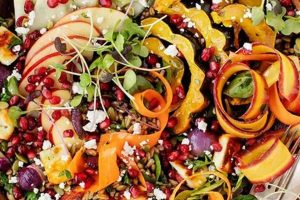
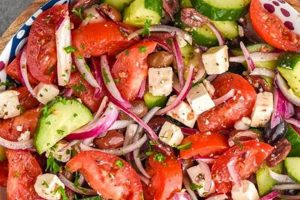
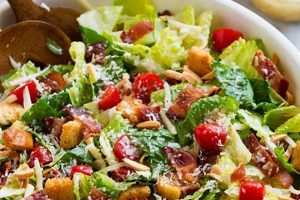
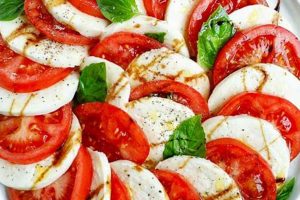
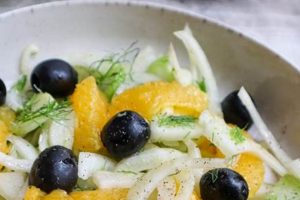
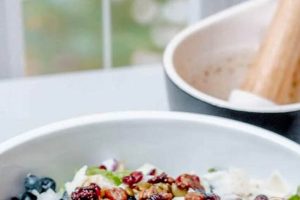
A deconstructed taco presented in a bowl format offers a customizable and convenient meal. Typically, this dish features a base of greens, seasoned ground meat or grilled chicken or fish, and traditional taco toppings such as salsa, shredded cheese, sour cream, guacamole, and chopped onions and cilantro. Variations might include rice, beans, corn, or other vegetables.
This approach to meal preparation provides several advantages. Portion control is simplified, making it a healthier option compared to traditional tacos. The bowl format also allows for greater flexibility in ingredient choices, catering to various dietary needs and preferences, including vegetarian, vegan, and gluten-free adaptations. Furthermore, the presentation is visually appealing and offers a refreshing alternative to standard taco presentation, particularly suitable for social gatherings and potlucks.
The following sections will explore various aspects of creating this versatile dish, including selecting the best ingredients, preparing flavorful components, and assembling visually appealing and delicious bowls. Recipes for different protein options, topping variations, and dietary modifications will also be provided. Guidance on achieving optimal flavor profiles and balancing textures will ensure a satisfying culinary experience.
Tips for Creating Exceptional Bowl-Based Taco Meals
Optimizing ingredient selection and preparation techniques elevates this customizable dish from simple to extraordinary. Attention to detail ensures a balanced and flavorful culinary experience.
Tip 1: Layer Ingredients Strategically: Begin with a base of greens, followed by rice or grains (if using). Next, add the protein component and then arrange toppings in visually appealing sections rather than mixing everything together. This prevents a soggy salad and allows diners to customize each bite.
Tip 2: Season Each Component Individually: Season the protein, rice, and even the vegetables separately to maximize flavor complexity. This prevents blandness and creates a more dynamic taste experience.
Tip 3: Embrace Fresh Ingredients: Freshly chopped herbs, ripe avocados for guacamole, and homemade salsa significantly enhance the overall flavor profile compared to pre-packaged alternatives.
Tip 4: Consider Texture Variation: Incorporate crunchy elements like tortilla strips or toasted nuts alongside softer components like beans or avocado for a more satisfying textural experience.
Tip 5: Balance Flavors: Combine spicy elements like jalapeos with cooling components like sour cream or yogurt to achieve a well-balanced flavor profile. Acidity from lime juice or vinegar brightens the dish.
Tip 6: Offer a Variety of Toppings: Provide a diverse selection of toppings, such as different types of salsa, cheeses, and vegetables, to allow for individual customization and cater to various preferences.
Tip 7: Don’t Overcrowd the Bowl: Leave some space in the bowl to prevent spillage and allow for easy mixing. Overfilling makes it difficult to enjoy the various components harmoniously.
By following these suggestions, one can achieve optimal flavor, texture, and presentation, transforming a simple meal into a culinary delight.
With a clear understanding of preparation techniques and flavor combinations, creating a satisfying and personalized bowl becomes an effortless endeavor.
1. Flavorful Protein Base

The protein base forms the foundation of a successful taco bowl salad, significantly influencing the overall flavor profile and nutritional value. A well-chosen and properly prepared protein provides satiety and contributes essential nutrients. The protein selection also impacts the overall culinary experience, interacting with other components like vegetables, toppings, and dressings. For example, grilled chicken offers a lean, smoky flavor that pairs well with brighter toppings like pico de gallo and a citrus vinaigrette. Conversely, seasoned ground beef provides a richer, more savory base that complements creamy avocado and a spicy salsa. The choice of protein dictates the direction of the flavor profile, influencing the selection of complementary ingredients.
Several options exist for creating a flavorful protein base. Marinating chicken or steak before grilling adds depth and complexity. Dry rubs or spice blends applied to ground meats or tofu enhance their inherent flavors. Pulled pork or shredded beef, slow-cooked with flavorful spices and aromatics, create a tender and succulent foundation. Even plant-based proteins, such as lentils or chickpeas, benefit from thoughtful seasoning and preparation techniques to create a satisfying and delicious base. The versatility of the taco bowl salad allows for a broad spectrum of protein choices, catering to diverse dietary preferences and culinary goals.
Careful consideration of the protein base is essential for crafting a well-balanced and satisfying taco bowl salad. The selected protein should not only offer desirable flavor and texture but also complement the other ingredients. Understanding the interplay between the protein base and the accompanying components allows for strategic ingredient choices, ultimately elevating the dish from a simple salad to a complex and enjoyable culinary experience.
2. Fresh, vibrant vegetables
Fresh, vibrant vegetables are essential to a successful taco bowl salad, contributing not only crucial nutrients but also textural and visual appeal. Their inclusion elevates the dish beyond a simple combination of ingredients to a vibrant and balanced meal. The selection and preparation of these vegetables significantly influence the overall dining experience.
- Nutrient Density and Health Benefits
Fresh vegetables provide essential vitamins, minerals, and fiber, contributing to the nutritional value of the taco bowl salad. Leafy greens like romaine lettuce or spinach offer Vitamin A and folate. Bell peppers and tomatoes contribute Vitamin C and antioxidants. These nutrients play a vital role in overall health and well-being, enhancing the nutritional profile of the meal beyond the protein and grain components.
- Textural Contrast and Interest
A variety of vegetables introduces textural complexity to the taco bowl salad. Crisp romaine lettuce contrasts with the soft texture of diced tomatoes or the creamy avocado. Shredded carrots or chopped cucumbers add a refreshing crunch. This interplay of textures prevents the dish from becoming monotonous and enhances the overall eating experience.
- Visual Appeal and Presentation
The vibrant colors of fresh vegetables contribute significantly to the visual appeal of the taco bowl salad. Deep green spinach, bright red tomatoes, and vibrant orange carrots create an appetizing presentation. The visual appeal enhances the dining experience, making the dish more enticing and enjoyable.
- Flavor Enhancement and Balance
Fresh vegetables offer a range of flavors that complement and enhance the other components of the taco bowl salad. The sweetness of corn kernels balances the spiciness of jalapeos. The tangy flavor of red onion complements the richness of the protein base. The careful selection of vegetables contributes to a balanced and flavorful profile.
The incorporation of fresh, vibrant vegetables is crucial for transforming a taco bowl salad from a basic meal to a nutritionally balanced, texturally interesting, and visually appealing culinary experience. Their strategic selection and proper preparation elevate the dish, creating a satisfying and enjoyable meal.
3. Variety of Textures

Textural diversity is a defining characteristic of a well-executed taco bowl salad. It elevates the dish beyond a simple combination of ingredients, creating a more engaging and satisfying culinary experience. The interplay of contrasting textures stimulates the palate and adds depth to each bite. This complexity contributes significantly to the overall enjoyment of the meal.
Consider the standard components of a taco bowl salad. A base of crisp lettuce provides a refreshing foundation. Tender, seasoned meat offers a contrasting chewiness. Additions like crunchy tortilla strips, creamy guacamole, or slightly firm black beans introduce further textural variations. The combination of these elements creates a dynamic interplay that enhances the overall sensory experience. Without this variety, the dish could become monotonous and less appealing.
Achieving textural diversity requires careful consideration of ingredient selection and preparation. Different cooking methods can influence texture; grilling chicken creates a slightly charred exterior while maintaining a juicy interior. Roasting vegetables can yield a tender inside with a crisp outer layer. Even the choice of toppings contributes to the textural profile. Chopped nuts offer a satisfying crunch, while crumbled cheese provides a creamy counterpoint. Understanding these nuances allows for a deliberate and effective approach to building a taco bowl salad with a compelling textural landscape.
The practical significance of this understanding lies in the ability to create a more enjoyable and satisfying meal. A well-balanced variety of textures elevates the taco bowl salad from a simple assembly of ingredients to a multi-sensory culinary experience. This attention to detail enhances the dish, making it more appealing and ultimately more satisfying to consume.
4. Complementary toppings

Complementary toppings are integral to a successful taco bowl salad recipe, transforming a basic assembly of ingredients into a vibrant and customizable culinary experience. They contribute significantly to flavor, texture, and visual appeal. The strategic selection of toppings allows for personalized flavor profiles and caters to a wide range of dietary preferences and culinary goals.
The interplay between toppings and the core ingredients of a taco bowl salad is crucial. A spicy salsa can balance the richness of seasoned ground beef. Creamy guacamole complements the crisp freshness of shredded lettuce. Tangy pickled onions cut through the fattiness of cheese. The careful consideration of these flavor combinations elevates the dish, creating a harmonious blend of contrasting yet complementary elements. For instance, a bowl featuring grilled chicken might benefit from a mango salsa and crumbled cotija cheese for a sweet and savory combination. Conversely, a vegetarian bowl with black beans could be enhanced with a smoky chipotle salsa and a dollop of vegan sour cream. These examples illustrate how toppings can be tailored to specific ingredient combinations, enhancing the overall flavor profile.
Understanding the role of complementary toppings allows for a more nuanced and deliberate approach to constructing a taco bowl salad. It empowers individuals to create personalized flavor combinations and tailor the dish to specific dietary needs and preferences. The ability to strategically select and combine toppings elevates the taco bowl salad from a simple meal to a customizable and enjoyable culinary creation.
5. Well-balanced dressing

A well-balanced dressing is paramount to a successful taco bowl salad recipe. It serves as a unifying element, binding the diverse componentsproteins, vegetables, and toppingsinto a cohesive and flavorful whole. The dressing’s role extends beyond simply adding moisture; it contributes significantly to the overall flavor profile, texture, and perceived freshness of the dish. A thoughtfully crafted dressing elevates the individual ingredients while simultaneously creating a harmonious blend of flavors.
The impact of dressing choice can be observed through specific examples. A creamy cilantro-lime dressing, with its bright citrus notes and herbaceous undertones, complements grilled chicken or fish, enhancing their inherent flavors without overpowering the delicate vegetables. Conversely, a smoky chipotle dressing adds depth and complexity to a bowl featuring seasoned ground beef or roasted vegetables. A vinaigrette, with its acidity and lightness, provides a refreshing counterpoint to richer ingredients like avocado or cheese. These examples demonstrate how dressing selection can be tailored to specific ingredient combinations, creating a synergistic effect that enhances the overall culinary experience. An improperly chosen or unbalanced dressing can detract from the carefully curated flavors and textures of the other components, resulting in a less satisfying meal.
The practical significance of understanding dressing’s role lies in the ability to create a truly exceptional taco bowl salad. It empowers one to move beyond simply assembling ingredients and instead craft a cohesive and flavorful dish where each component contributes to a balanced and satisfying whole. Recognizing the interplay between dressing and other ingredients allows for strategic decision-making, ultimately elevating the taco bowl salad from a basic meal to a culinary creation showcasing flavor complexity and textural harmony.
Frequently Asked Questions
This section addresses common inquiries regarding the creation and enjoyment of taco bowl salads. Clarity on these points ensures a successful culinary experience.
Question 1: What constitutes an appropriate base for a taco bowl salad?
While lettuce is traditional, alternatives such as quinoa, brown rice, or even chopped kale provide nutritional and textural variations.
Question 2: Can these salads be prepared in advance?
Components can be prepared separately and combined shortly before serving to maintain optimal texture and prevent sogginess. Dressing should be added immediately prior to consumption.
Question 3: How can sodium content be minimized?
Utilizing fresh ingredients, homemade spice blends, and limiting processed toppings like pre-shredded cheese helps control sodium levels. Rinsing canned beans also reduces sodium content.
Question 4: What are suitable protein alternatives for vegetarian or vegan diets?
Black beans, lentils, seasoned tofu, or tempeh offer excellent plant-based protein sources. Meat substitutes like jackfruit or mushrooms can also provide satisfying alternatives.
Question 5: How can one prevent the salad from becoming watery?
Thorough drying of washed greens and strategic layering of ingredients, with wetter components like salsa or guacamole placed on top, helps prevent excess moisture accumulation.
Question 6: How can leftover ingredients be utilized effectively?
Leftover proteins and vegetables can be repurposed in omelets, quesadillas, or as fillings for other dishes. Proper storage in airtight containers ensures ingredient freshness.
Understanding these frequently addressed concerns helps ensure a positive experience when preparing and consuming taco bowl salads.
The following section will offer specific recipe variations catering to diverse dietary needs and preferences.
Conclusion
Exploration of taco bowl salad recipes reveals a versatile and adaptable culinary concept. Emphasis on fresh ingredients, balanced textures, and complementary flavors underscores the potential for customization and nutritional value. Strategic ingredient selection and preparation techniques contribute significantly to the overall dining experience, transforming a simple concept into a satisfying and personalized meal.
The adaptability of taco bowl salad recipes positions them as a relevant and evolving culinary trend. Continued exploration of flavor profiles, ingredient combinations, and dietary adaptations promises further innovation within this versatile framework. Culinary creativity and individual preferences drive the ongoing evolution of this adaptable dish, ensuring its continued relevance in a dynamic culinary landscape.