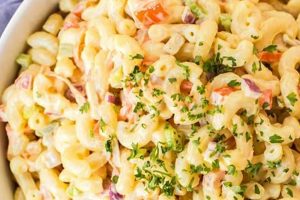
Well-crafted salad formulas balance flavor, texture, and nutritional value. A blend of fresh greens, crisp vegetables, flavorful proteins, and a complementary dressing exemplifies a balanced and satisfying meal. For instance, a combination of spinach, grilled chicken, roasted sweet potatoes, toasted pecans, and a light vinaigrette provides diverse nutrients and a range of textures.
Nutritious and flavorful meals built around fresh produce contribute to overall well-being. Historically, salads have evolved from simple green dishes to complex culinary creations reflecting regional ingredients and cultural preferences. These meals offer a versatile platform for culinary creativity and dietary customization, accommodating various tastes and dietary restrictions. From simple garden salads to hearty grain bowls, they offer a refreshing and adaptable way to incorporate essential nutrients into one’s diet.
The following sections will explore specific elements contributing to successful meal preparation, including ingredient selection, dressing options, and creative combinations to maximize flavor and nutritional impact.
Tips for Exceptional Salads
Creating flavorful and nutritious salads involves careful consideration of ingredients, preparation techniques, and flavor combinations. These tips offer guidance for elevating salads from simple side dishes to satisfying main courses.
Tip 1: Prioritize Fresh, Seasonal Produce: Selecting produce at its peak ripeness guarantees optimal flavor and nutritional value. Farmers’ markets offer a wide variety of seasonal ingredients, allowing for creative exploration and supporting local agriculture.
Tip 2: Embrace Variety in Textures and Colors: Combining different textures, such as crunchy nuts, creamy avocado, and leafy greens, creates a more engaging sensory experience. A colorful array of vegetables also provides a broader range of nutrients.
Tip 3: Explore Different Greens Beyond Lettuce: Consider using spinach, kale, arugula, or other greens to add unique flavors and textures. Mixing greens can also create a visually appealing and nutritionally dense base.
Tip 4: Don’t Overlook the Importance of Protein: Adding lean protein, such as grilled chicken, fish, beans, or lentils, transforms a salad into a complete and satisfying meal.
Tip 5: Make Dressings from Scratch: Homemade dressings allow for greater control over ingredients and flavor profiles. Experimenting with different oils, vinegars, and herbs can elevate a simple salad.
Tip 6: Add Healthy Fats for Flavor and Satiety: Incorporating healthy fats, such as avocados, nuts, seeds, or olive oil, enhances flavor and contributes to a feeling of fullness.
Tip 7: Properly Store and Prepare Ingredients: Washing and drying greens thoroughly prevents wilting. Storing ingredients separately and combining them just before serving maintains freshness and crispness.
By following these tips, one can consistently create flavorful, nutritious, and visually appealing salads that offer a satisfying and healthy meal option.
The following section will explore specific recipe examples incorporating these principles.
1. Fresh, Seasonal Ingredients
Ingredient quality significantly impacts the overall success of a salad. Fresh, seasonal produce forms the foundation of exceptional salads, offering optimal flavor and nutritional value. Utilizing ingredients at their peak ripeness elevates the sensory experience and contributes to a more vibrant and satisfying meal.
- Peak Flavor and Nutritional Value
Produce harvested in season boasts superior flavor profiles compared to out-of-season alternatives. Shorter transit times from farm to table preserve nutrients, resulting in a more nutritious and flavorful salad. In-season tomatoes, for example, offer a sweetness and juiciness rarely found in those shipped long distances.
- Enhanced Sensory Experience
Seasonal ingredients offer a wider range of textures and aromas, enriching the overall dining experience. Crisp cucumbers in the summer or hearty root vegetables in the fall provide contrasting textural elements that elevate a salad beyond a simple combination of ingredients. The vibrant colors of seasonal produce also contribute to visual appeal.
- Support for Local Agriculture
Choosing seasonal ingredients often means supporting local farmers and reducing the environmental impact associated with long-distance transportation. Shopping at farmers’ markets provides access to a diverse selection of freshly harvested produce and fosters a connection with the local food system.
- Culinary Inspiration and Creativity
The availability of seasonal ingredients encourages culinary exploration and creativity. Adapting recipes to incorporate the freshest produce available allows for continuous innovation and the discovery of new flavor combinations. The changing seasons provide a natural framework for culinary experimentation.
By prioritizing fresh, seasonal ingredients, one ensures optimal flavor, nutritional value, and a more engaging culinary experience. This emphasis on quality ingredients forms the cornerstone of truly exceptional salads, transforming them into vibrant and satisfying culinary creations.
2. Balanced Flavor Profiles

Balanced flavor profiles are essential to crafting exceptional salads. A successful salad isn’t merely a collection of ingredients; it’s a harmonious blend of tastessweet, sour, salty, bitter, and umamiworking in concert. This balance prevents any single flavor from dominating, creating a more complex and enjoyable culinary experience. Consider a salad combining peppery arugula, sweet roasted beets, tangy goat cheese, and crunchy walnuts. The slight bitterness of the arugula is offset by the sweetness of the beets, while the tangy goat cheese provides a contrasting acidic note, and the walnuts contribute earthy notes and textural complexity. Without this interplay of flavors, the salad might be one-dimensional and less satisfying.
Achieving balance requires careful consideration of ingredient pairings and the overall composition of the salad. Understanding the inherent flavor profiles of different ingredients allows for strategic combinations. For instance, the richness of avocado can temper the acidity of a citrus vinaigrette, while the sweetness of dried cranberries can complement the sharpness of blue cheese. Additionally, the judicious use of herbs and spices adds depth and complexity to the flavor profile. A sprinkle of cumin might enhance the earthiness of roasted vegetables, while a chiffonade of mint can provide a refreshing counterpoint to richer ingredients. Furthermore, the texture of ingredients plays a role in perceived flavor. A combination of crunchy, creamy, and chewy elements contributes to a more dynamic and enjoyable sensory experience.
Mastery of flavor balance elevates salads from simple side dishes to sophisticated culinary creations. This principle allows for endless variations and encourages creativity in the kitchen. Challenges may arise when working with particularly strong flavors, requiring careful adjustments in quantities or the introduction of complementary ingredients to achieve harmony. Ultimately, a well-balanced flavor profile distinguishes a truly exceptional salad, offering a complex and satisfying symphony of tastes.
3. Variety in Textures

Textural diversity significantly contributes to the overall enjoyment and satisfaction derived from salads. A combination of crisp, crunchy, creamy, and chewy elements elevates a salad beyond a simple mix of ingredients, engaging multiple senses and creating a more dynamic culinary experience. This interplay of textures adds complexity and depth, preventing monotony and enhancing the perceived freshness and quality of the salad. Consider a salad featuring crisp romaine lettuce, crunchy croutons, creamy avocado, and chewy dried cranberries. The contrasting textures create a more stimulating and enjoyable eating experience than a salad composed solely of leafy greens.
The strategic incorporation of various textures allows for a more balanced and satisfying meal. Crunchy elements, such as nuts, seeds, or raw vegetables, provide a stimulating contrast to softer ingredients like cooked grains or beans. Creamy components, such as avocado, cheese, or a tahini dressing, add richness and a smooth mouthfeel. Chewy elements, like dried fruit or cooked quinoa, offer a satisfying counterpoint to the other textures. A well-executed salad carefully balances these textural elements, ensuring a harmonious and engaging dining experience. For example, a salad comprising grilled halloumi, roasted sweet potatoes, toasted pumpkin seeds, and baby spinach provides a compelling interplay of textures: firm, soft, crunchy, and tender, respectively. This variety stimulates the palate and enhances the overall enjoyment of the meal.
Understanding the importance of textural variety enables the creation of more sophisticated and satisfying salads. This principle encourages culinary exploration and allows for endless customization based on individual preferences and seasonal ingredient availability. Challenges may arise when balancing textures while maintaining flavor harmony, requiring careful consideration of ingredient pairings. However, the incorporation of textural variety distinguishes exceptional salads, offering a multi-sensory experience that elevates them beyond basic culinary preparations.
4. Complementary Dressings
The choice of dressing significantly impacts the overall quality of a salad. A complementary dressing enhances, rather than masks, the flavors of the other ingredients, creating a cohesive and balanced culinary experience. A well-chosen dressing unifies the various components of a salad, transforming a collection of individual ingredients into a harmonious whole.
- Flavor Pairing:
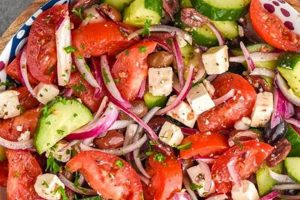
Dressings should complement the existing flavors of the salad ingredients. A light vinaigrette with lemon and herbs accentuates the freshness of a summer salad with tomatoes and cucumbers. Conversely, a creamy dressing with blue cheese might overwhelm delicate greens but pairs well with heartier ingredients like roasted vegetables or steak. Matching the intensity of the dressing to the robustness of the salad components ensures a balanced flavor profile.
- Texture and Consistency:
The texture of the dressing also plays a crucial role. A creamy dressing adds richness and coats the ingredients, while a vinaigrette provides a lighter, brighter touch. Consider the textural elements already present in the salad. A creamy avocado-based dressing might clash with a salad already rich in creamy cheeses, while a light vinaigrette would be lost in a salad with substantial ingredients like grilled chicken or roasted root vegetables. The dressing’s consistency should complement, not compete with, the existing textures.
- Acidity and Sweetness:
Balancing acidity and sweetness within the dressing itself and in relation to the salad ingredients is vital. A vinaigrette with too much vinegar can overpower delicate greens, while a dressing lacking acidity might not provide sufficient brightness to cut through richer ingredients. Incorporating a touch of sweetness, such as honey or maple syrup, can balance the acidity and add depth of flavor. For instance, a balsamic vinaigrette with a touch of honey complements the earthiness of roasted vegetables.
- Ingredient Compatibility:
The ingredients in the dressing should harmonize with those in the salad. A citrus-based vinaigrette clashes with dairy-based ingredients, while a creamy dressing containing nuts might not complement a salad already rich in nuts or seeds. Careful consideration of ingredient compatibility ensures that the dressing enhances, rather than detracts from, the overall flavor profile. A lemon-herb vinaigrette, for example, harmonizes with fresh vegetables and herbs but might clash with a salad containing blue cheese.
Selecting a complementary dressing elevates a salad from a simple assemblage of ingredients to a cohesive and flavorful dish. Careful consideration of flavor pairings, texture, acidity, sweetness, and ingredient compatibility ensures that the dressing enhances the overall dining experience, contributing to a truly “good” salad recipe.
5. Proper Ingredient Preparation

Ingredient preparation significantly influences the final quality of a salad. Proper techniques maximize flavor, optimize texture, and ensure food safety, contributing directly to the creation of exceptional salads. From washing and drying produce to specific cutting methods and ingredient combinations, meticulous preparation elevates a salad from a simple mix of components to a carefully constructed culinary creation.
- Washing and Drying
Thorough washing removes soil, debris, and potential contaminants from produce, ensuring food safety. Proper drying prevents excess moisture, which can dilute dressings and lead to soggy salads. Crisp, dry greens provide a better foundation for dressings and other ingredients, maintaining the desired texture and preventing the salad from becoming watery.
- Cutting Techniques
Uniformly sized ingredients ensure even dressing distribution and consistent flavor in each bite. Specific cutting techniques, such as chiffonade for herbs or dicing for vegetables, not only enhance presentation but also influence texture and flavor release. For example, thinly sliced onions offer a milder flavor than coarsely chopped ones, while a julienned carrot provides a different textural experience compared to a grated one.
- Ingredient Combinations and Timing
Certain ingredients benefit from pre-preparation, such as marinating proteins or roasting vegetables to enhance their flavor profiles. Additionally, understanding which ingredients can be combined in advance and which should be added just before serving helps maintain optimal texture and prevents undesirable reactions, such as the discoloration of avocados or the wilting of delicate greens. Combining ingredients strategically ensures that each component contributes its intended flavor and texture to the final dish.
- Storage and Temperature Control
Proper storage of prepared ingredients maintains freshness and prevents bacterial growth. Storing ingredients separately and at appropriate temperatures ensures optimal quality and food safety. For example, leafy greens should be stored in a cool, dry place, while pre-cooked proteins should be refrigerated promptly. Maintaining proper temperature control until serving time preserves the integrity of the ingredients and contributes to a safer and more enjoyable dining experience.
Careful attention to ingredient preparation elevates salads from basic assemblages to well-executed dishes. These techniques enhance flavor, optimize texture, ensure food safety, and contribute significantly to the overall enjoyment of the salad. Mastery of these foundational elements distinguishes a truly good salad recipe, showcasing the importance of meticulous preparation in achieving culinary excellence.
Frequently Asked Questions
This section addresses common inquiries regarding the creation of exceptional salads, offering practical guidance and clarifying potential misconceptions.
Question 1: How can one create flavorful salads without relying on excessive amounts of dressing?
Flavorful salads prioritize well-chosen, high-quality ingredients. Utilizing fresh, seasonal produce, incorporating a variety of textures, and employing strategic flavor pairings minimize the need for heavy dressings. Techniques such as marinating or roasting certain ingredients can further enhance their inherent flavors.
Question 2: What are effective strategies for preventing salads from becoming soggy?
Soggy salads often result from excess moisture. Thoroughly drying greens after washing and adding dressings just before serving are crucial. Storing ingredients separately and combining them only when ready to eat helps maintain optimal texture and prevents premature wilting.
Question 3: Beyond lettuce, what other greens can serve as a base for salads?
Numerous greens offer appealing alternatives to traditional lettuce. Spinach, kale, arugula, watercress, and romaine provide varied flavors, textures, and nutritional profiles, allowing for diverse and exciting salad creations.
Question 4: How can salads be transformed into satisfying main courses?
Incorporating protein and healthy fats elevates salads to substantial meals. Grilled chicken or fish, beans, lentils, tofu, nuts, seeds, and avocado contribute satiety and nutritional value, ensuring a complete and fulfilling dining experience.
Question 5: What are some key considerations when selecting salad ingredients?
Prioritizing fresh, seasonal produce offers optimal flavor and nutritional benefits. Balancing flavors, textures, and colors contributes to a more engaging and satisfying culinary experience. Consideration of dietary restrictions and personal preferences further refines ingredient selection.
Question 6: How can one ensure food safety when preparing salads?
Thorough washing of all produce is essential to remove potential contaminants. Proper storage of prepared ingredients at appropriate temperatures prevents bacterial growth. Attention to cross-contamination and safe handling practices further minimizes food safety risks.
By understanding these core principles, individuals can consistently create flavorful, nutritious, and visually appealing salads. Focus on quality ingredients, balanced flavors, and proper preparation techniques contributes to elevated culinary experiences.
The information provided here equips readers with the knowledge to craft truly exceptional salads. Experimentation with various ingredients and flavor combinations further enhances culinary creativity and personalizes the salad experience.
Conclusion
Well-composed salads represent more than a simple combination of ingredients; they embody a thoughtful approach to flavor balance, textural diversity, and nutritional value. This exploration has highlighted the essential elements that contribute to successful outcomes: the utilization of fresh, seasonal produce, the importance of complementary dressings, and the impact of proper ingredient preparation. From vibrant summer salads bursting with ripe tomatoes and cucumbers to hearty autumnal creations featuring roasted root vegetables and toasted nuts, the possibilities are vast and adaptable to individual preferences and dietary needs.
Culinary innovation thrives on experimentation and the continuous refinement of technique. Exploration of diverse flavor profiles, textures, and ingredient combinations allows for the creation of truly exceptional salads that nourish both body and palate. An emphasis on quality ingredients and mindful preparation elevates the everyday salad to a culinary expression of freshness, flavor, and creativity.