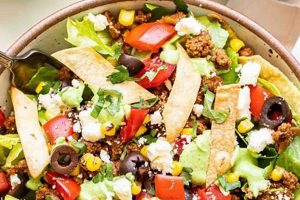
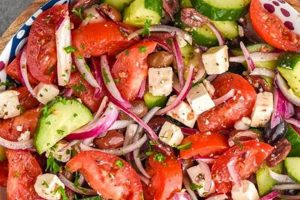
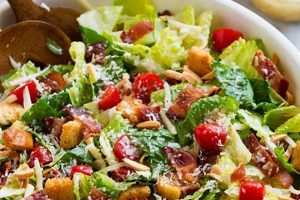
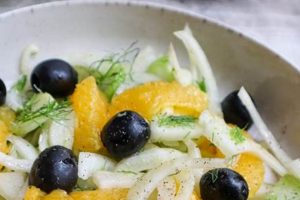
Fresh mozzarella, known for its delicate, milky flavor and soft texture, enhances a variety of salads. A simple Caprese salad, featuring sliced tomatoes, mozzarella, and basil drizzled with olive oil and balsamic glaze, exemplifies the cheese’s versatility. More complex preparations might incorporate roasted vegetables, mixed greens, or grilled proteins, with the mozzarella offering a creamy counterpoint to other ingredients. Such dishes offer a range of possibilities from light lunches to substantial main courses.
The popularity of dishes featuring this cheese stems from the appealing combination of freshness, flavor, and nutritional value. Mozzarella provides a good source of protein and calcium, contributing to a balanced diet. Its adaptability allows for creative culinary exploration, incorporating seasonal produce and diverse flavor profiles. Historically, fresh mozzarella has its roots in Italian cuisine, where it traditionally pairs with ripe, locally sourced ingredients. Its presence in modern gastronomy speaks to its enduring appeal and global appreciation.
This exploration will delve further into variations on the theme, covering topics such as ingredient selection, preparation techniques, and complementary dressings. It will also address considerations for different dietary needs and offer suggestions for creative presentations.
Tips for Crafting Exceptional Mozzarella Salads
Achieving optimal flavor and texture requires attention to detail. The following tips offer guidance for creating salads that showcase the creamy richness of mozzarella.
Tip 1: Use High-Quality Mozzarella: Opt for fresh mozzarella packed in water or brine, rather than pre-shredded varieties. The difference in flavor and texture is significant.
Tip 2: Drain and Dry the Cheese: Excess moisture can dilute the dressing and make the salad watery. Patting the mozzarella dry with paper towels before slicing or tearing ensures optimal texture.
Tip 3: Consider the Other Ingredients: Choose ingredients that complement the delicate flavor of the cheese. Ripe tomatoes, fresh basil, and other seasonal vegetables create a harmonious blend.
Tip 4: Dress the Salad Lightly: A simple vinaigrette or a drizzle of high-quality olive oil and balsamic glaze often suffices. Avoid heavy dressings that overpower the mozzarella’s flavor.
Tip 5: Season Appropriately: Freshly ground black pepper and a pinch of sea salt can enhance the overall flavor profile. Use sparingly to avoid masking the subtle nuances of the cheese and other ingredients.
Tip 6: Don’t Overcrowd the Salad: Allowing space between ingredients prevents the salad from becoming soggy and ensures that each component can be appreciated.
Tip 7: Serve Immediately: Mozzarella salads are best enjoyed fresh. Assemble the salad just before serving to maintain optimal flavor and texture.
By following these guidelines, one can elevate simple salads to new heights, maximizing the enjoyment of fresh mozzarella and its complementary ingredients.
These tips provide a solid foundation for crafting delightful mozzarella-based salads. Experimentation with different ingredient combinations and flavor profiles will further enhance culinary expertise.
1. Fresh, High-Quality Mozzarella

The foundation of any successful mozzarella salad lies in the quality of the cheese itself. Fresh, high-quality mozzarella contributes significantly to the overall flavor, texture, and aesthetic appeal of the dish. Understanding the characteristics of superior mozzarella is crucial for recipe development and execution.
- Texture and Moisture Content
Fresh mozzarella should exhibit a soft, yielding texture with a visible sheen. It should be moist but not excessively watery. Proper moisture content ensures a pleasant mouthfeel and prevents the salad from becoming diluted. Dry or rubbery mozzarella indicates lower quality and will negatively impact the final product.
- Flavor Profile
High-quality mozzarella possesses a clean, milky flavor with a subtle tang. It should not taste overly salty or sour. The delicate flavor allows it to harmonize with other salad ingredients without being overpowering. Inferior mozzarella can have off-flavors that detract from the overall taste of the salad.
- Visual Appeal
Fresh mozzarella typically appears as a bright white, smooth ball or log. Its pristine appearance enhances the visual presentation of the salad. Discoloration or a rough surface can indicate age or improper storage and should be avoided.
- Source and Production
While various types of mozzarella exist, traditional fresh mozzarella (mozzarella di bufala campana) is made from water buffalo milk. Other high-quality options are available made from cow’s milk. Understanding the source and production method can inform choices regarding flavor and texture preferences within a recipe.
Selecting fresh, high-quality mozzarella ensures that the salad achieves its full potential. The superior texture, clean flavor, and visual appeal contribute significantly to a more enjoyable and satisfying culinary experience. By prioritizing cheese quality, one elevates the entire dish, allowing the other ingredients to shine in harmony with the star component.
2. Complementary Ingredients
Ingredient selection significantly impacts the overall balance and flavor profile of a mozzarella salad. Complementary ingredients enhance the inherent qualities of fresh mozzarella, creating a harmonious and satisfying culinary experience. Careful consideration of flavor pairings, texture contrasts, and seasonal availability ensures a well-composed and visually appealing salad.
- Fresh Produce
The delicate flavor of mozzarella pairs well with a variety of fresh produce. Ripe tomatoes, particularly heirloom varieties, offer a classic combination of sweetness and acidity. Other suitable options include cucumbers, bell peppers, and avocados. Leafy greens, such as spinach, arugula, or mixed greens, provide a refreshing base and contribute valuable nutrients. The freshness and quality of the produce directly influence the final taste and visual appeal of the salad.
- Herbs and Aromatics
Fresh herbs and aromatics elevate the flavor profile of mozzarella salads. Basil, a quintessential pairing with mozzarella and tomatoes, adds a peppery, slightly minty note. Other herbs like oregano, mint, chives, and parsley introduce distinct aromatic complexities. Incorporating ingredients like red onion or garlic offers pungent accents that complement the creamy cheese. The careful selection and balance of herbs and aromatics enhance the overall sensory experience.
- Textural Elements
Contrasting textures create visual interest and enhance the enjoyment of a mozzarella salad. Toasted nuts, such as pine nuts, walnuts, or almonds, offer a satisfying crunch. Croutons or crispy chickpeas provide alternative textural contrasts. Seeds, like sunflower or pumpkin seeds, introduce subtle nutty flavors and textural variety. These elements contribute to a more dynamic and engaging culinary experience.
- Proteins and Grains
Adding protein or grains transforms a mozzarella salad into a more substantial meal. Grilled chicken, shrimp, or fish provide lean protein options that complement the cheese. Quinoa, farro, or orzo pasta offer heartiness and textural diversity. These additions broaden the nutritional profile and create a more complete and satisfying culinary composition.
The interplay of these complementary ingredients elevates a simple mozzarella salad from a basic dish to a culinary creation. The careful consideration of flavor pairings, textural contrasts, and nutritional balance results in a harmonious and satisfying dining experience. By thoughtfully combining complementary ingredients, one can maximize the inherent qualities of fresh mozzarella and create a truly exceptional salad.
3. Balanced Dressings

Balanced dressings are essential for enhancing, not overpowering, the delicate flavors of fresh mozzarella and its accompanying ingredients. A well-crafted dressing complements the salad’s components, creating a harmonious blend of tastes and textures. Understanding the principles of balanceacidity, sweetness, saltiness, and textureallows for the creation of dressings that elevate the overall culinary experience.
- Acidity
Acidity provides brightness and cuts through the richness of the mozzarella. Vinegars, such as balsamic, red wine, or apple cider vinegar, contribute a tartness that balances the creamy cheese and other ingredients. Citrus juices, like lemon or lime, offer a lighter, more vibrant acidity. The level of acidity should be carefully calibrated to complement, not overwhelm, the other flavors.
- Sweetness
A touch of sweetness can balance the acidity and enhance the overall flavor profile. Honey, maple syrup, or a small amount of sugar can be incorporated into the dressing. The sweetness should be subtle and not detract from the freshness of the other ingredients. Balancing sweetness and acidity is key to a well-rounded dressing.
- Saltiness
Salt enhances the flavors of the other ingredients and provides a savory counterpoint to the sweetness and acidity. Sea salt or kosher salt is preferred over table salt for its cleaner flavor. The amount of salt should be carefully measured to avoid overpowering the delicate flavors of the mozzarella and other components. Proper seasoning enhances the overall taste experience.
- Texture and Body
The texture and body of the dressing contribute to the overall mouthfeel of the salad. Extra virgin olive oil provides a smooth, rich texture. Other oils, like avocado or grapeseed oil, offer lighter options. Emulsifying the dressing, by whisking together oil and vinegar, creates a more cohesive and creamy texture that coats the salad ingredients evenly. The texture of the dressing should complement the other textural elements in the salad.
A well-balanced dressing elevates the flavors and textures of a mozzarella salad, creating a harmonious and satisfying culinary experience. Careful consideration of acidity, sweetness, saltiness, and texture ensures that the dressing complements, rather than masks, the delicate flavors of the mozzarella and other ingredients. Mastering the art of balanced dressings is essential for crafting exceptional mozzarella salads.
4. Proper Seasoning

Proper seasoning is paramount in maximizing the flavor profile of any dish, especially salads featuring fresh mozzarella. This cheese, known for its delicate, milky flavor, requires a judicious approach to seasoning to avoid masking its inherent taste. Salt, primarily, plays a crucial role in enhancing the sweetness of ripe tomatoes and other vegetables often included in such salads, while also counterbalancing the acidity of common dressings like vinaigrettes. Furthermore, freshly ground black pepper adds a subtle layer of complexity, accentuating the herbaceous notes of basil or other aromatic ingredients. Over-salting, conversely, can overwhelm the subtle nuances of the cheese and other components, resulting in a less harmonious flavor profile. A Caprese salad, for instance, relies heavily on the balance between the sweetness of tomatoes, the creaminess of mozzarella, and the peppery bite of basil; improper seasoning can disrupt this delicate equilibrium. Similarly, a salad with grilled vegetables and mozzarella benefits from a touch of smoked paprika or chili flakes to complement the char and enhance the overall depth of flavor, but excessive use of these spices can overpower the other ingredients.
Beyond salt and pepper, other seasonings can be incorporated to create more complex flavor profiles depending on the specific salad composition. Herbs like oregano, thyme, or chives can be used sparingly to add subtle aromatic notes. A sprinkle of red pepper flakes can introduce a touch of heat, while a squeeze of lemon juice can brighten the flavors and provide a contrasting acidic element. When incorporating additional seasonings, careful consideration must be given to the overall balance of flavors and textures. For example, a salad with roasted vegetables and mozzarella might benefit from the earthy aroma of dried thyme, while a salad featuring fresh berries and mozzarella might be enhanced by a hint of citrus zest. The key is to use seasonings judiciously to complement the delicate flavor of the mozzarella and create a well-rounded taste experience. Experimentation is encouraged, but careful tasting and adjustments are crucial to achieving optimal flavor balance.
Effective seasoning elevates the sensory experience of a mozzarella salad, transforming it from a simple combination of ingredients into a harmonious culinary creation. The delicate flavor of fresh mozzarella necessitates a nuanced approach, where seasonings enhance rather than overpower. Understanding the interplay of flavors and textures within the salad allows for the creation of a well-balanced and satisfying dish. The practical application of these principles ensures that each element contributes to the overall harmony, showcasing the fresh mozzarella and its complementary ingredients in their best light. Failure to season properly, however, can diminish the potential of even the highest quality ingredients, highlighting the critical role of seasoning in achieving culinary excellence.
5. Appropriate Serving Temperature

Serving temperature significantly influences the sensory experience of a mozzarella salad. Mozzarella, ideally served chilled but not ice-cold, retains its delicate texture and clean flavor at this temperature. Overly chilled mozzarella can become firm and lose some of its subtle nuances, while mozzarella served at room temperature may become too soft and lose its structural integrity, potentially making the salad watery. The ideal temperature allows the full flavor profile of the cheese to emerge, complementing the other ingredients without being masked by extreme temperatures. For instance, a Caprese salad, with its simple combination of tomatoes, mozzarella, and basil, benefits from the slightly cool temperature of the cheese, which contrasts pleasantly with the room-temperature tomatoes. This temperature difference enhances the individual flavors while creating a refreshing overall experience. Conversely, serving this salad with overly chilled mozzarella can dull the sweetness of the tomatoes and make the basil less fragrant.
Beyond the impact on individual ingredients, serving temperature also affects the overall balance of the salad. A chilled salad, especially one with a vinaigrette-based dressing, offers a refreshing contrast to warmer ambient temperatures. This is particularly relevant during warmer months, when a cool salad can be especially appealing. However, serving a salad with roasted vegetables and mozzarella at a chilled temperature might not be ideal, as the flavors of the roasted vegetables are often best appreciated when slightly warm. In such cases, allowing the roasted vegetables to cool slightly before combining them with the chilled mozzarella can achieve a more balanced temperature and flavor profile. Understanding the interplay of temperatures between different components allows for a more nuanced and satisfying dining experience. Practical considerations, such as the time of year and the inclusion of warm components, influence the optimal serving temperature for a given mozzarella salad variation.
Achieving the appropriate serving temperature enhances the sensory enjoyment and overall balance of a mozzarella salad. This seemingly minor detail significantly impacts the perception of flavors and textures, influencing how the individual components interact and contribute to the overall culinary experience. Careful consideration of the interplay of temperatures, along with practical adjustments based on specific ingredients and seasonal factors, ensures a harmonious and satisfying result. Overlooking this aspect, however, can diminish the potential of even the freshest, highest quality ingredients, demonstrating the crucial role of temperature in maximizing the enjoyment of a mozzarella salad.
6. Thoughtful Presentation

Presentation elevates a simple mozzarella salad from a basic dish to a visually appealing culinary creation. Thoughtful arrangement and attention to detail enhance the dining experience, engaging multiple senses and increasing perceived value. Strategic placement of ingredients, color contrasts, and appropriate serving vessels contribute significantly to the overall enjoyment of the salad.
- Visual Appeal
Visual appeal stimulates appetite and enhances perceived freshness. Arranging ingredients with intention, rather than simply tossing them together, creates a more attractive presentation. Consider color contrastsfor instance, the vibrant red of tomatoes against the white of mozzarella and the deep green of basil. Height variation adds visual interest; layering ingredients or using a mound of greens as a base can achieve this. Garnishes, such as a sprinkle of fresh herbs or a drizzle of balsamic glaze, provide finishing touches that elevate the visual presentation.
- Plate Selection
The choice of serving vessel influences the overall aesthetic. A simple white plate provides a neutral backdrop that allows the colors of the salad to stand out. Alternatively, a rustic wooden bowl or a shallow platter can create a more informal and inviting presentation. The size and shape of the plate should complement the salad’s composition and the overall dining setting. A plate that is too small can make the salad appear crowded, while a plate that is too large can make it seem sparse.
- Ingredient Arrangement
Strategic placement of ingredients highlights their individual qualities and creates visual harmony. Consider the size and shape of each component. Sliced mozzarella can be fanned or layered, while cherry tomatoes can be halved or left whole. Leafy greens can be arranged as a bed or interspersed throughout the salad. The goal is to create a visually balanced and appealing composition that showcases the diversity of ingredients.
- Portion Control
Appropriate portioning ensures that each element of the salad is showcased without overwhelming the plate. Overcrowding can make the salad appear less appealing and can also lead to uneven distribution of dressings and seasonings. Leaving some negative space on the plate allows the individual components to stand out and enhances the overall visual appeal. Portion control also contributes to a more balanced and enjoyable dining experience.
Thoughtful presentation transforms a mozzarella salad into a more engaging and satisfying culinary experience. Visual appeal, plate selection, ingredient arrangement, and portion control contribute to a heightened sense of enjoyment. These elements, when thoughtfully considered, elevate the perceived value of the dish and demonstrate attention to detail. By focusing on presentation, one can transform a simple mozzarella salad into a visually stunning and memorable culinary creation.
7. Seasonal Variations
Seasonal variations significantly impact the flavor profile and ingredient selection of mozzarella salads. Aligning recipes with seasonal produce maximizes freshness, flavor intensity, and nutritional value. This approach allows for culinary creativity while supporting local agriculture and reducing environmental impact. For example, a summer mozzarella salad might feature ripe heirloom tomatoes, fresh basil, and a light lemon vinaigrette, showcasing the season’s bounty. Conversely, an autumnal variation might incorporate roasted butternut squash, toasted pecans, and a balsamic glaze, reflecting the flavors of the harvest season. These variations demonstrate how seasonality influences not only the ingredients but also the overall composition and flavor profile of the salad.
Utilizing seasonal produce enhances the inherent qualities of fresh mozzarella. During summer months, the sweetness of ripe tomatoes and the peppery bite of fresh basil complement the creamy, delicate flavor of the cheese. In autumn, the earthy sweetness of roasted butternut squash and the richness of toasted pecans provide a contrasting yet harmonious backdrop for the mozzarella. Furthermore, seasonal variations offer opportunities to explore different flavor profiles and textures. Spring salads might incorporate asparagus, peas, and mint, while winter salads could feature roasted root vegetables and kale. This adaptability ensures that mozzarella salads remain interesting and flavorful year-round.
Adapting mozzarella salad recipes to reflect seasonal variations offers numerous benefits. From a culinary perspective, it ensures optimal flavor and ingredient quality. From an economic standpoint, it supports local farmers and reduces reliance on imported produce. Environmentally, it minimizes transportation costs and associated carbon emissions. Finally, it promotes a deeper appreciation for the natural rhythm of the seasons and the diverse range of flavors available throughout the year. By embracing seasonality, one elevates the mozzarella salad from a simple dish to a celebration of fresh, locally sourced ingredients and culinary creativity.
Frequently Asked Questions
This section addresses common inquiries regarding the preparation and enjoyment of mozzarella salads.
Question 1: What type of mozzarella is best suited for salads?
Fresh mozzarella, often sold packed in water or brine, is recommended for salads. Avoid pre-shredded mozzarella as it tends to be drier and less flavorful.
Question 2: How can excess moisture be removed from fresh mozzarella?
Gently pat the mozzarella dry with paper towels before adding it to the salad. This prevents the salad from becoming watery and ensures the dressing adheres properly.
Question 3: What dressings complement mozzarella best?
Light vinaigrettes, balsamic glaze, or even a simple drizzle of high-quality olive oil complement the delicate flavor of mozzarella without overpowering it. Avoid heavy, creamy dressings.
Question 4: Can mozzarella salads be prepared in advance?
Mozzarella salads are best enjoyed fresh. If preparing in advance, store the dressing separately and combine just before serving to maintain optimal texture and prevent the salad from becoming soggy.
Question 5: How can one prevent a mozzarella salad from becoming watery?
Ensure all ingredients, including the mozzarella and vegetables, are thoroughly dried before assembling the salad. Additionally, dress the salad just before serving to minimize moisture buildup.
Question 6: What are some suitable accompaniments for a mozzarella salad?
Crusty bread, grilled meats, or roasted vegetables can complement a mozzarella salad, transforming it from a light starter to a more substantial meal.
Understanding these key aspects of preparation ensures a successful and enjoyable mozzarella salad experience. Proper handling of ingredients and thoughtful pairing of flavors and textures are crucial for maximizing culinary enjoyment.
The following section offers specific recipe variations, demonstrating the versatility of mozzarella salads.
Conclusion
Exploration of mozzarella salad recipes reveals the importance of ingredient quality, balanced pairings, and thoughtful preparation. Fresh, high-quality mozzarella provides the foundation for a successful dish. Complementary ingredients, such as ripe tomatoes, fresh basil, and seasonal produce, enhance the cheese’s delicate flavor and offer textural contrasts. Proper seasoning, balanced dressings, and appropriate serving temperatures further elevate the sensory experience. Thoughtful presentation and attention to seasonal variations demonstrate culinary expertise and maximize enjoyment. Addressing frequently asked questions provides practical guidance for achieving optimal results.
Culinary exploration extends beyond mastering basic techniques. Experimentation with diverse ingredients, flavor combinations, and presentations unlocks the full potential of mozzarella salads. Continued exploration fosters culinary creativity and a deeper appreciation for the nuanced interplay of flavors and textures. This ongoing journey of discovery promises a richer, more rewarding culinary experience.