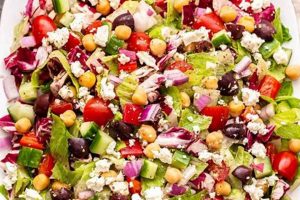
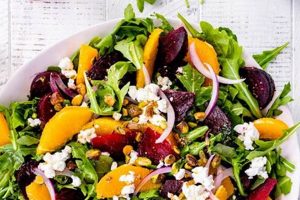
Small, round pasta resembling peppercorns, known as acini di pepe, offers a unique textural experience in salads. These miniature pasta shapes absorb dressings effectively, contributing to a flavorful and satisfying dish. A classic preparation involves chilling cooked acini di pepe and combining it with vegetables, herbs, and a vinaigrette. Examples include incorporating chopped bell peppers, cucumbers, red onion, parsley, and a lemon-herb dressing.
The versatility of this pasta lends itself to diverse culinary creations. Its small size makes it ideal for absorbing flavors, creating a harmonious blend of ingredients. Historically, this pasta shape’s size made it convenient for adding to soups and stews, but its adaptability has led to its popularity in cold salads, offering a pleasant contrast to the crispness of vegetables. This characteristic also contributes to its appeal in potluck dishes, where it holds its texture and flavor well over time.
Exploring various preparations can reveal the full potential of this ingredient in salads. From classic Italian-inspired combinations to more modern interpretations, the possibilities are extensive and cater to a wide range of palates. Subsequent sections will delve into specific recipe ideas, ingredient variations, and tips for achieving optimal results when preparing salads featuring this unique pasta.
Tips for Acini di Pepe Salad Preparation
Achieving optimal results with acini di pepe salads requires attention to detail. The following tips offer guidance for creating flavorful and texturally appealing dishes.
Tip 1: Precise Cooking: Cook the pasta according to package directions until al dente. Overcooked pasta can result in a mushy texture in the salad. Rinsing the cooked pasta under cold water helps stop the cooking process and maintain firmness.
Tip 2: Flavorful Dressings: Vinaigrettes work exceptionally well with acini di pepe salads. The small pasta shape absorbs the dressing, ensuring each bite is flavorful. Experiment with different herbs, spices, and acidic components like lemon juice or vinegar.
Tip 3: Vegetable Selection: Consider a variety of textures and colors when selecting vegetables. Crisp vegetables like cucumbers, bell peppers, and celery provide a pleasant contrast to the pasta. Blanching certain vegetables, such as green beans or broccoli, can enhance their color and texture.
Tip 4: Protein Incorporation: Adding protein elevates the salad into a more substantial meal. Grilled chicken, shrimp, or chickpeas complement the pasta and vegetables well.
Tip 5: Cheese Integration: Crumbled feta, goat cheese, or Parmesan can add a salty, tangy dimension to the salad. Choose cheeses that complement the other flavors in the dressing and vegetable selection.
Tip 6: Herb Enhancement: Fresh herbs add brightness and complexity to the salad. Parsley, dill, mint, or oregano can be incorporated, depending on the overall flavor profile.
Tip 7: Chilling Time: Allowing the salad to chill for at least 30 minutes before serving allows the flavors to meld and the pasta to absorb the dressing fully. This step also enhances the refreshing quality of the salad.
By following these tips, one can create a delicious and well-balanced acini di pepe salad that showcases the versatility of this small pasta shape. Careful ingredient selection and proper cooking techniques contribute to a satisfying culinary experience.
In conclusion, acini di pepe offers a unique base for creative salad combinations. Its ability to absorb flavors and maintain its texture makes it an excellent choice for both simple and complex preparations. Experimentation with various ingredients and dressings will undoubtedly lead to the discovery of delightful and personalized salad creations.
1. Pasta Cooking Time
Pasta cooking time significantly impacts the final quality of acini di pepe salad. Properly cooked pasta provides a delicate, yet firm texture, essential for a pleasant mouthfeel. Undercooked pasta results in a hard, unpleasant chewiness, detracting from the overall enjoyment. Overcooked pasta, conversely, becomes mushy and absorbs dressing poorly, leading to a dense, less flavorful salad. The small size of acini di pepe necessitates careful attention to cooking time to prevent these undesirable outcomes. For instance, a difference of even a minute can drastically alter the texture, shifting from perfectly al dente to unpleasantly soft. This sensitivity to cooking time underscores its importance within the overall recipe.
Achieving the ideal texture requires adherence to package directions combined with practical experience. While package instructions offer a starting point, variations in stovetop heat and water volume can influence the actual cooking time. Regularly testing the pasta for doneness during the final minutes of cooking ensures optimal results. The desired texture is al dentefirm to the bite, yet not hard. Immediately rinsing the cooked pasta under cold water stops the cooking process, preserving the desired texture and preventing the pasta from sticking together. This step proves particularly crucial for acini di pepe due to its small size and tendency to clump.
Mastery of pasta cooking time is fundamental to successful acini di pepe salad preparation. It ensures the pasta contributes the desired texture, maximizing the salad’s appeal. Attention to cooking time, coupled with the immediate cold-water rinse, allows the small pasta shapes to retain their individual character within the salad, preventing a gummy or mushy consistency. This careful approach provides a foundation for a well-balanced and enjoyable salad experience.
2. Complementary Ingredients
The success of acini di pepe salad recipes hinges on the thoughtful selection of complementary ingredients. These ingredients interact with the small pasta shape and the chosen dressing, creating a harmonious balance of flavors, textures, and colors. Careful consideration of ingredient pairings elevates the salad from a simple side dish to a complex and satisfying culinary experience. The following facets explore key categories of complementary ingredients and their contributions to a well-rounded acini di pepe salad.
- Vegetables
Vegetables provide textural contrast and visual appeal. Crisp vegetables, such as diced cucumbers, bell peppers, and celery, offer a refreshing counterpoint to the soft pasta. Blanched or roasted vegetables, like broccoli or green beans, introduce nuanced flavors and varied textures. The selection of vegetables should consider color, creating a vibrant and appealing presentation. For instance, a combination of red bell peppers, yellow squash, and green peas offers a visually striking and nutritionally balanced profile.
- Proteins
Incorporating protein transforms acini di pepe salad into a more substantial meal. Grilled chicken or shrimp contributes a savory element, complementing the lightness of the pasta and vegetables. Plant-based proteins, such as chickpeas or cannellini beans, offer a hearty and nutritious alternative. The choice of protein should align with the overall flavor profile of the salad. For example, grilled salmon pairs well with a lemon-dill vinaigrette, while chickpeas complement a Mediterranean-inspired dressing.
- Cheeses
Cheese adds a salty, tangy dimension and enhances the creaminess of the salad. Crumbled feta, goat cheese, or Parmesan provide distinct flavor profiles that can be tailored to the other ingredients. Feta complements Mediterranean flavors, while goat cheese pairs well with balsamic vinaigrette. Hard cheeses like Parmesan can be shaved or grated, adding a sharp, savory note. The intensity of the cheese should balance the other flavors, avoiding overwhelming the delicate pasta.
- Herbs
Fresh herbs contribute brightness and complexity to acini di pepe salad. Parsley, dill, mint, and oregano offer distinct aromatic notes that enhance the overall flavor profile. The choice of herbs should complement the dressing and other ingredients. Dill pairs well with seafood, while mint adds a refreshing touch to salads with cucumbers and feta. Incorporating a variety of herbs can create a layered and nuanced flavor experience.
The interplay of these complementary ingredients contributes significantly to the overall success of an acini di pepe salad recipe. A thoughtful combination of vegetables, proteins, cheeses, and herbs, balanced with a well-chosen dressing, elevates the dish beyond a simple pasta salad, offering a complex and satisfying culinary experience. Consideration of individual ingredient characteristics and their combined effect ensures a harmonious and flavorful final product.
3. Dressing Selection

Dressing selection significantly impacts the overall flavor profile and enjoyment of acini di pepe salad recipes. The small pasta shape readily absorbs dressings, making the choice of dressing a critical component of recipe development. An appropriately selected dressing complements the other ingredients, creating a cohesive and balanced flavor experience. Conversely, an ill-suited dressing can overwhelm the delicate pasta and other components, detracting from the intended taste.
The interplay between dressing and ingredients requires careful consideration. For instance, a light and tangy lemon-herb vinaigrette enhances the flavors of fresh vegetables and herbs, while a creamy dressing based on mayonnaise or yogurt complements heartier ingredients like roasted vegetables or grilled chicken. A balsamic vinaigrette adds a touch of sweetness and acidity, pairing well with ingredients like tomatoes, cucumbers, and feta cheese. The viscosity of the dressing also plays a role; a thinner vinaigrette coats the pasta evenly, while a thicker dressing clings more readily to the small pasta shapes. Understanding these nuances allows for informed decision-making when selecting a dressing, contributing to a more successful culinary outcome.
Effective dressing selection requires analyzing the specific ingredients within the acini di pepe salad recipe. The dressing should enhance, not mask, the flavors of the other components. Balancing acidity, sweetness, and richness within the dressing ensures a harmonious blend of tastes. Additionally, considering the seasonality of ingredients can influence dressing selection. Lighter, brighter dressings often complement summer salads featuring fresh produce, while richer, more robust dressings may be preferred for autumn or winter salads incorporating roasted vegetables or heartier proteins. This adaptable approach to dressing selection ensures the acini di pepe salad remains a versatile and enjoyable dish throughout the year.
4. Textural Variety

Textural variety constitutes a crucial element in successful acini di pepe salad recipes. The inherent delicate texture of the pasta necessitates a considered approach to other ingredients to create a balanced and engaging culinary experience. A harmonious blend of textures elevates the salad beyond a simple combination of components, offering a more complex and satisfying mouthfeel. Careful attention to textural interplay allows each bite to present a dynamic interplay of sensations, contributing significantly to overall enjoyment. The following facets explore key contributors to textural variety within acini di pepe salad recipes.
- Crisp Vegetables
Crisp vegetables, such as cucumbers, bell peppers, and celery, provide a refreshing contrast to the soft, round texture of acini di pepe. Their inclusion introduces a satisfying crunch, preventing the salad from becoming overly homogenous in texture. The crispness also offers a counterpoint to the often creamy or tangy dressing, creating a balanced textural profile. Imagine the snap of a fresh cucumber alongside the delicate pasta, coated in a light vinaigrette; this juxtaposition of textures is key to a dynamic and enjoyable salad.
- Roasted or Blanched Vegetables
Roasted or blanched vegetables, such as broccoli, green beans, or asparagus, introduce a slightly softer, yet still substantial, textural element. Roasting imparts a subtle char and a tender interior, while blanching maintains a pleasant firmness. These preparations contrast with both the pasta and raw vegetables, adding another layer of complexity to the overall textural experience. Consider the tender-crisp texture of blanched green beans alongside the soft pasta and crunchy bell peppers; this interplay of textures adds depth and interest.
- Protein Incorporation
The addition of protein, whether grilled chicken, shrimp, or chickpeas, contributes a more substantial textural element. The meaty texture of chicken or the firm bite of shrimp provides a satisfying chewiness that complements the softer pasta and vegetables. Chickpeas offer a slightly different textural profile, with a creamy interior and a thin outer skin. The choice of protein should be considered in relation to other textural components, ensuring a well-balanced and enjoyable eating experience.
- Textural Toppings
Toppings, such as toasted nuts, croutons, or seeds, provide an additional layer of textural complexity. The crunch of toasted nuts, the crispness of croutons, or the subtle pop of seeds further diversifies the mouthfeel. These additions can also contribute flavor and visual interest. Imagine the added crunch of toasted walnuts or the delicate crispness of homemade croutons atop the salad, elevating the textural experience further. These elements should be used judiciously to avoid overwhelming the delicate pasta.
The interplay of these textural elements elevates acini di pepe salad recipes. The delicate pasta serves as a foundation for a variety of textural additions, ranging from crisp vegetables to substantial proteins and crunchy toppings. A thoughtful combination of textures ensures a balanced and enjoyable culinary experience, transforming a simple salad into a more complex and satisfying dish. Careful consideration of textural variety distinguishes a truly exceptional acini di pepe salad.
5. Flavor Balance
Flavor balance constitutes a critical aspect of successful acini di pepe salad recipes. The delicate, neutral flavor of the pasta provides a canvas for a diverse range of flavor combinations, but achieving a harmonious blend requires careful consideration. A well-balanced salad features a complementary interplay of tastessweet, sour, salty, bitter, and umamiwithout any single flavor dominating. This balance ensures a nuanced and enjoyable culinary experience, preventing the salad from becoming one-dimensional or overwhelming. The following facets explore key components contributing to flavor balance in acini di pepe salad recipes.
- Acidity
Acidity provides brightness and cuts through richness. Ingredients like lemon juice, vinegar, or certain tomatoes contribute a tartness that balances the other flavors. For example, a lemon-herb vinaigrette adds a refreshing acidity that complements the fattiness of cheese or the sweetness of roasted vegetables. The level of acidity should be carefully calibrated to enhance, not overpower, the other ingredients. Too much acidity can make the salad unpleasantly sour, while too little can result in a bland dish.
- Sweetness
Sweetness offers a counterpoint to acidity and bitterness. Ingredients like roasted vegetables, dried fruits, or a touch of honey or maple syrup introduce sweetness to the salad. For instance, roasted sweet potatoes or a sprinkle of dried cranberries can balance the acidity of a vinaigrette. The level of sweetness should be subtle, complementing the other flavors rather than dominating them. Excessive sweetness can make the salad cloying, while insufficient sweetness can leave it unbalanced.
- Saltiness
Saltiness enhances the other flavors and provides a savory depth. Ingredients like cheese, olives, capers, or a properly seasoned dressing contribute saltiness to the salad. Feta cheese, for example, adds a salty tang that complements the sweetness of roasted vegetables and the acidity of a vinaigrette. Careful salting is crucial; too much salt can overpower the other flavors, while too little can result in a bland dish.
- Bitterness (Optional)
Bitterness adds complexity and depth to the flavor profile, although it’s not always a primary component. Ingredients like certain greens (radicchio, arugula) or a small amount of balsamic glaze can introduce a subtle bitterness. This bitterness can balance the sweetness and richness of other ingredients. However, bitterness should be used sparingly, as it can easily become overpowering if not carefully balanced with other flavors. Overly bitter elements can make the salad unpalatable.
The interplay of these flavor componentsacidity, sweetness, saltiness, and optional bitternesscreates a balanced and harmonious acini di pepe salad. Each element plays a crucial role, enhancing the overall flavor profile and preventing any single taste from dominating. A well-balanced salad offers a complex and nuanced culinary experience, highlighting the versatility of acini di pepe as a base for diverse flavor combinations. Careful consideration of these elements elevates the salad beyond a simple combination of ingredients, showcasing the potential for culinary creativity within a seemingly simple dish.
6. Visual Appeal
Visual appeal plays a significant role in the overall enjoyment of acini di pepe salad recipes. While flavor and texture are paramount, the presentation of the salad enhances the dining experience. A visually appealing salad entices the appetite and suggests careful preparation, elevating the perceived value of the dish. This aspect becomes particularly relevant for occasions where presentation matters, such as potlucks, parties, or even everyday meals where a touch of elegance is desired. Careful attention to visual details transforms a simple salad into a more engaging and satisfying culinary creation.
- Color Palette
A vibrant and varied color palette contributes significantly to visual appeal. Incorporating a range of colorful vegetables, such as red bell peppers, orange carrots, yellow squash, and green cucumbers, creates a visually stimulating presentation. The contrast of colors against the white backdrop of the acini di pepe enhances the visual impact. A monochromatic salad can appear less appealing, while a salad with a diverse color palette suggests a greater variety of flavors and textures.
- Arrangement and Plating
The arrangement of ingredients influences how the salad is perceived. A thoughtfully arranged salad, with ingredients strategically placed, appears more appetizing than a haphazardly tossed salad. Consider layering ingredients to create visual depth, or using a cookie cutter to shape the salad on the plate. For individual servings, consider plating the salad on a bed of lettuce or arranging it in a ring mold for a more elegant presentation. Attention to these details demonstrates care and elevates the dining experience.
- Garnishing Techniques
Garnishes add a finishing touch that enhances visual appeal. A sprinkle of fresh herbs, a scattering of toasted nuts, or a drizzle of balsamic glaze elevates the presentation and adds a touch of elegance. Garnishes should complement the flavors of the salad and be used sparingly to avoid overwhelming the other ingredients. A simple garnish can transform a basic salad into a visually appealing dish, suggesting attention to detail and culinary expertise. Over-garnishing, however, can detract from the overall presentation.
- Ingredient Size and Shape
The size and shape of ingredients influence the visual texture of the salad. A mix of sizes and shapes creates a more visually interesting presentation than uniformly chopped ingredients. Consider incorporating a variety of cuts, such as diced, sliced, and julienned vegetables, to create visual interest. The small, round shape of acini di pepe provides a visual foundation for larger, more irregularly shaped ingredients, creating a dynamic interplay of shapes and sizes. This variety prevents the salad from appearing monotonous and enhances its visual appeal.
Visual appeal, while often overlooked, plays a crucial role in the enjoyment of acini di pepe salad recipes. By considering the color palette, arrangement, garnishes, and ingredient sizes, one can create a salad that is not only delicious but also visually appealing. This attention to detail enhances the dining experience, making the salad more enticing and enjoyable. A visually appealing salad reflects the care and effort put into its creation, elevating it from a simple side dish to a culinary centerpiece. The interplay of these visual elements distinguishes a truly exceptional acini di pepe salad, demonstrating the importance of presentation in culinary arts.
7. Freshness of Ingredients

Ingredient freshness significantly impacts the overall quality of acini di pepe salad recipes. The delicate nature of the pasta requires equally delicate, fresh ingredients to create a balanced and flavorful dish. Fresh ingredients contribute vibrant flavors, crisp textures, and appealing aromas, enhancing the sensory experience. Conversely, using less-than-fresh ingredients can result in a bland, mushy, or even off-putting salad. The small size of acini di pepe means the pasta readily absorbs flavors, both desirable and undesirable, from surrounding ingredients. This characteristic emphasizes the importance of ingredient freshness, as any off-flavors will be amplified within the final dish. For example, a salad made with wilted herbs or mealy tomatoes will lack the vibrancy and freshness expected of a well-made acini di pepe salad, impacting overall enjoyment. Using peak-season produce, whenever possible, maximizes flavor and nutritional value.
The practical significance of using fresh ingredients extends beyond flavor and texture. Food safety considerations underscore the importance of ingredient freshness, especially with perishable components like vegetables and proteins. Spoiled ingredients can introduce harmful bacteria, potentially causing foodborne illness. Thoroughly washing all produce and ensuring proper storage of ingredients minimizes these risks. Furthermore, fresh ingredients contribute to a more vibrant and appealing presentation. Bright, crisp vegetables and herbs enhance the visual appeal of the salad, creating a more enticing and appetizing dish. This visual element, combined with the enhanced flavors and textures derived from fresh ingredients, elevates the overall dining experience. Conversely, wilted or discolored ingredients can detract from the salad’s visual appeal, diminishing its perceived quality.
In conclusion, prioritizing ingredient freshness is paramount for achieving high-quality acini di pepe salad recipes. Fresh ingredients contribute vibrant flavors, desirable textures, and an appealing presentation, elevating the sensory experience. Moreover, they align with food safety best practices, ensuring a safe and enjoyable culinary experience. Conversely, compromising on ingredient freshness can result in a subpar salad lacking in flavor, texture, and visual appeal, ultimately diminishing the overall enjoyment of the dish. This understanding reinforces the crucial role ingredient freshness plays in achieving culinary excellence within acini di pepe salad preparations.
Frequently Asked Questions about Acini di Pepe Salad Recipes
This section addresses common inquiries regarding acini di pepe salad recipes, offering practical guidance for successful preparation and enjoyment. Clarity on these points aims to facilitate culinary exploration and ensure optimal results.
Question 1: How is acini di pepe pasta properly cooked for salad?
Acini di pepe, due to its small size, requires precise cooking. Refer to package directions for recommended cooking time, typically 8-10 minutes. The desired texture is al dente, firm to the bite yet not hard. Overcooking results in a mushy texture unsuitable for salad. Immediately rinsing cooked pasta under cold water halts the cooking process and prevents sticking.
Question 2: What dressings complement acini di pepe salad?
Light vinaigrettes, particularly lemon-herb or balsamic, enhance the delicate flavor of acini di pepe. Creamy dressings, while permissible, should be used sparingly to avoid overwhelming the pasta’s subtle taste. The chosen dressing should complement the other salad ingredients, creating a balanced flavor profile.
Question 3: How can one prevent acini di pepe salad from becoming dry?
Adequate dressing and proper storage prevent dryness. Ensure the pasta is well-coated but not saturated with dressing. Storing the salad in an airtight container in the refrigerator maintains moisture and prevents the pasta from absorbing excess dressing or drying out.
Question 4: What protein pairings enhance acini di pepe salad?
Grilled chicken, shrimp, flaked fish, or chickpeas complement the pasta’s delicate flavor and provide a satisfying protein component. The chosen protein should align with the overall flavor profile of the salad, ensuring a cohesive and balanced dish.
Question 5: Can acini di pepe salad be prepared in advance?
Advance preparation is possible, ideally up to 24 hours prior to serving. Store the dressed salad, excluding any crunchy toppings, in an airtight container in the refrigerator. Add delicate components, such as fresh herbs or crunchy toppings, immediately before serving to maintain optimal texture and flavor.
Question 6: What are suitable vegetable choices for acini di pepe salad?
A variety of vegetables enhances both flavor and texture. Crisp vegetables, such as cucumbers, bell peppers, and celery, provide textural contrast, while blanched or roasted vegetables, such as broccoli or green beans, contribute depth of flavor. The selection should consider color variety for a visually appealing presentation.
Understanding these key aspects of acini di pepe salad preparation ensures optimal results. Careful attention to cooking methods, ingredient selection, and storage practices contributes to a flavorful, visually appealing, and enjoyable culinary experience.
Further exploration of specific recipes allows for personalized interpretations and the creation of unique and satisfying acini di pepe salad combinations. The subsequent sections will delve into example recipes, offering practical guidance for various flavor profiles and culinary preferences.
Acini di Pepe Salad Recipes
Acini di pepe salad recipes offer a versatile canvas for culinary creativity. Examination reveals the importance of proper pasta cooking techniques, achieving the ideal al dente texture. Complementary ingredient selection, encompassing fresh vegetables, proteins, cheeses, and herbs, contributes to balanced flavor profiles and appealing textural variety. Dressing selection requires careful consideration, ensuring the chosen dressing complements the other ingredients without overwhelming the delicate pasta. Visual appeal, influenced by color palettes, plating techniques, and garnishes, elevates the dining experience. Prioritizing ingredient freshness ensures optimal flavor, texture, and food safety. Addressing common preparation questions provides practical guidance for culinary success.
Acini di pepe salad recipes, seemingly simple in construction, offer a platform for nuanced flavor combinations and artistic presentation. Exploration of diverse ingredient pairings and dressing variations unlocks a realm of culinary possibilities, transforming this humble pasta into a star ingredient. Continued experimentation promises further culinary discoveries and personalized interpretations, solidifying acini di pepe’s place as a versatile and enduring culinary staple.