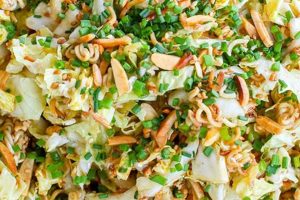
Dishes featuring this versatile vegetable often incorporate a variety of culinary approaches, from raw preparations highlighting the squash’s fresh, crisp texture to cooked methods that enhance its sweetness and tenderness. Ingredients such as herbs, cheeses, grains, and other vegetables complement the subtle flavor profile, resulting in light, refreshing meals or side dishes perfect for warmer months. Examples might include a zucchini and corn salad with feta and mint, a grilled yellow squash salad with balsamic vinaigrette, or a chilled pasta salad with spiralized pattypan squash and pesto.
These dishes offer numerous nutritional benefits, capitalizing on the squash’s rich source of vitamins, minerals, and antioxidants. The low caloric density makes these salads a healthy and satisfying choice. Historically, various cultures have embraced the versatility of this seasonal produce, resulting in a wide range of traditional preparations. The evolution of these preparations reflects regional preferences and culinary innovations.
This exploration will further delve into specific preparation methods, offering diverse options for every palate, from simple weeknight meals to elegant presentations. Nutritional information and variations tailored to dietary restrictions will also be discussed.
Tips for Preparing Summer Squash Salads
Achieving optimal flavor and texture requires attention to detail throughout the preparation process. These tips offer guidance for creating exceptional dishes.
Tip 1: Select High-Quality Squash: Choose firm, unblemished squash with vibrant color. Smaller, younger squash tend to be more tender and less seedy.
Tip 2: Proper Preparation is Key: Thoroughly wash and dry the squash before slicing or dicing. Depending on the recipe, peeling may be optional. For larger squash, removing the seeds is recommended.
Tip 3: Embrace Variety: Explore different varieties of summer squash, such as zucchini, yellow squash, and pattypan squash, to add visual appeal and diverse flavors.
Tip 4: Enhance Flavor Through Cooking Methods: Grilling, roasting, or sauting summer squash prior to adding it to a salad can intensify its sweetness and create interesting textural contrasts.
Tip 5: Balance Flavors with Complementary Ingredients: Consider incorporating fresh herbs, cheeses, nuts, seeds, or other vegetables to create well-balanced and flavorful salads.
Tip 6: Dressings Matter: Light vinaigrettes, creamy dressings, or citrus-based dressings can complement the delicate flavor of summer squash. Adjust the dressing according to the other ingredients in the salad.
Tip 7: Seasoning is Crucial: Salt and pepper are essential, but consider experimenting with other spices and herbs to elevate the flavor profile.
Tip 8: Timing is Everything: If using raw squash, it’s best to prepare the salad close to serving time to maintain optimal freshness and prevent the vegetables from becoming watery.
By following these guidelines, one can consistently achieve delicious and visually appealing results, maximizing the culinary potential of this versatile vegetable.
The following sections will explore specific recipes and variations, enabling further exploration of summer squash’s versatility.
1. Ingredient Selection

Ingredient selection significantly impacts the flavor profile, texture, and nutritional value of summer squash salads. Careful consideration of each component ensures a balanced and satisfying culinary experience.
- Variety of Summer Squash
Different types of summer squash offer unique flavors and textures. Zucchini, with its mild taste and firm flesh, provides a neutral base. Yellow squash contributes subtle sweetness and a tender texture. Pattypan squash, with its scalloped edges and delicate flavor, adds visual interest. Choosing a mix of varieties creates a more complex and appealing salad.
- Complementary Vegetables and Fruits
Incorporating other fresh produce enhances both flavor and nutritional value. Sweet corn provides a contrasting sweetness and satisfying crunch. Tomatoes offer juicy acidity, while cucumbers add refreshing coolness. Stone fruits like peaches or nectarines introduce a surprising sweetness and textural variation.
- Flavor Enhancers
Herbs, cheeses, and nuts contribute depth and complexity. Fresh herbs like mint, basil, and parsley provide bright, aromatic notes. Crumbled feta or goat cheese introduces tangy and salty elements. Toasted nuts or seeds, such as pumpkin seeds or slivered almonds, add satisfying crunch and nutty flavors.
- Dressings and Vinaigrettes
The choice of dressing significantly influences the overall flavor profile. Light vinaigrettes based on olive oil, lemon juice, or balsamic vinegar complement the delicate flavor of summer squash. Creamy dressings, such as those made with yogurt or buttermilk, offer a richer, tangier counterpoint. The dressing should harmonize with the other ingredients, creating a cohesive and balanced flavor profile.
Strategic ingredient selection elevates summer squash salads from simple side dishes to culinary highlights. A thoughtful combination of textures, flavors, and colors ensures a satisfying and nutritious meal.
2. Preparation Techniques

Preparation techniques significantly influence the final character of summer squash salads, impacting texture, flavor release, and overall presentation. Raw preparations emphasize the squash’s fresh, crisp qualities, ideal for light and refreshing salads. Thinly slicing or spiralizing creates delicate textures, while dicing or chopping yields a more substantial presence. Blanching briefly in boiling water can maintain color and crispness while mitigating raw flavors.
Cooking methods transform the squash, intensifying sweetness and creating diverse textural experiences. Grilling imparts smoky char and tenderizes the flesh, adding depth to the salad. Roasting concentrates flavors and yields a caramelized exterior, enhancing sweetness. Sauting offers a quick and versatile approach, creating tender, flavorful squash suitable for various salad combinations. The chosen technique should align with the desired salad profile, whether highlighting fresh, vibrant flavors or richer, more developed tastes. For instance, a grilled squash salad with balsamic vinaigrette benefits from the smoky char, while a raw zucchini ribbon salad with lemon vinaigrette emphasizes freshness and crispness.
Careful consideration of preparation techniques is crucial for optimizing the sensory and nutritional qualities of summer squash salads. Selecting the appropriate method ensures the squash contributes desired flavors and textures, creating a harmonious and satisfying dish. Mastery of these techniques allows for greater culinary creativity, enabling exploration of diverse flavor profiles and presentations. This understanding empowers creation of salads ranging from light and refreshing to hearty and complex, showcasing the versatility of summer squash.
3. Flavor Combinations
Flavor combinations play a pivotal role in successful summer squash salad recipes, elevating the dish beyond simple ingredients to a harmonious culinary experience. Strategic pairings enhance the subtle flavors of summer squash, creating complexity and depth. Understanding these combinations allows for a broader range of culinary expression, transforming salads into vibrant, balanced meals.
- Mediterranean Influences
The bright, herbaceous flavors of the Mediterranean complement summer squash beautifully. Combining ingredients like feta cheese, Kalamata olives, fresh oregano, and a lemon vinaigrette creates a refreshing and vibrant salad. This profile emphasizes acidity and herbaceous notes, contrasting with the squash’s mild sweetness.
- Southwestern Inspiration
The earthy, spicy notes of Southwestern cuisine offer a contrasting flavor profile. Roasted corn, black beans, cilantro, jalapeo, and a lime-cilantro dressing create a robust and flavorful salad. The combination of heat, earthiness, and citrus highlights the squash’s sweetness in a unique way.
- Asian-Inspired Combinations
The savory, umami-rich flavors of Asian cuisine provide a distinct approach. Combining ingredients like sesame oil, rice vinegar, ginger, soy sauce, and toasted sesame seeds creates a dynamic salad with layers of flavor. The savory dressing and crunchy toppings complement both raw and cooked summer squash.
- Classic Summer Pairings
Traditional summer flavors create familiar yet satisfying combinations. Fresh basil, tomatoes, mozzarella, and a balsamic vinaigrette offer a simple yet elegant approach. The sweetness of ripe tomatoes and the peppery basil enhance the squash’s delicate flavor, creating a classic summer salad.
These diverse flavor combinations showcase the versatility of summer squash in salads. By understanding the interplay of different ingredients and flavor profiles, one can create a wide range of dishes, each offering a unique and satisfying culinary experience. Experimentation with herbs, spices, cheeses, and dressings allows for personalized creations tailored to individual preferences and dietary needs.
4. Presentation Styles

Presentation styles significantly impact the perceived value and enjoyment of summer squash salad recipes. Visual appeal enhances the dining experience, influencing perceptions of flavor and freshness. Thoughtful presentation elevates these salads from simple sides to visually compelling centerpieces, suitable for casual meals or more formal occasions. Consideration of various plating techniques and stylistic choices allows for creative expression, transforming a simple salad into a culinary work of art.
- Plating Techniques
Plating techniques range from rustic to refined, each contributing a distinct aesthetic. A rustic approach might involve a casual arrangement of ingredients in a large bowl, emphasizing natural textures and colors. Conversely, a refined presentation might feature meticulously arranged components on individual plates, creating a more formal and elegant impression. Techniques like layering, stacking, and fanning can add visual interest and highlight individual ingredients. For example, layering grilled squash slices with ribbons of zucchini and crumbled goat cheese creates a visually dynamic salad.
- Color and Contrast
Color and contrast play a crucial role in visual appeal. Utilizing a variety of colorful summer squash, such as yellow crookneck and dark green zucchini, creates visual interest. Incorporating other vibrant ingredients, like red tomatoes, orange bell peppers, or deep purple eggplant, further enhances the visual appeal. Contrasting textures, like creamy avocado against crisp cucumber, also contribute to the overall presentation. A salad featuring a mix of colors and textures offers a more engaging and appetizing experience.
- Garnishes and Finishing Touches
Garnishes and finishing touches add the final flourish, elevating the presentation from simple to sophisticated. Fresh herbs, such as sprigs of mint or basil, provide pops of color and aroma. Toasted nuts or seeds offer textural contrast and visual appeal. A drizzle of high-quality olive oil or a sprinkle of spice adds a touch of elegance. These details demonstrate attention to detail and enhance the overall dining experience. A sprinkle of toasted pumpkin seeds on a yellow squash salad adds visual appeal and textural contrast.
- Serving Vessels
The choice of serving vessel contributes to the overall presentation. A large wooden bowl conveys a rustic, family-style feel, while individual plates or shallow bowls offer a more refined presentation. Clear glass bowls showcase the vibrant colors and textures of the salad ingredients. Selecting the appropriate serving vessel enhances the desired aesthetic and complements the overall dining experience. Serving a delicate zucchini ribbon salad in a shallow, white bowl emphasizes its elegance.
Consideration of these presentation styles elevates summer squash salad recipes from simple dishes to visually appealing culinary creations. These techniques enhance the dining experience, making these salads suitable for various occasions, from casual weeknight meals to more formal gatherings. By understanding the impact of visual presentation, one can maximize the enjoyment and appreciation of these versatile and flavorful dishes.
5. Nutritional Considerations

Nutritional considerations are integral to the appeal of summer squash salad recipes. These salads offer a nutrient-dense, low-calorie option, aligning with health-conscious dietary preferences. Summer squash provides essential vitamins and minerals, including vitamin C, vitamin A, potassium, and magnesium, contributing to overall well-being. The high water content promotes hydration, while fiber supports digestive health. Furthermore, the low carbohydrate content makes these salads suitable for various dietary plans, including low-carb and diabetic-friendly diets. For example, a salad featuring grilled zucchini, bell peppers, and a light vinaigrette provides a balanced meal rich in micronutrients and low in calories. Choosing lean protein sources, such as grilled chicken or fish, further enhances the nutritional profile.
The nutritional value can be maximized through mindful ingredient selection and preparation methods. Minimally processed ingredients, such as fresh herbs, raw nuts, and seeds, contribute valuable nutrients and antioxidants. Limiting added sugars and unhealthy fats in dressings preserves the inherent health benefits of the squash and other vegetables. Steaming or grilling, as opposed to frying, retains nutrients and avoids excess calories. For instance, a salad with raw zucchini noodles, cherry tomatoes, avocado, and a lemon-herb dressing provides a nutrient-rich, low-calorie meal. Understanding caloric density and macronutrient composition allows for informed choices aligned with individual dietary goals.
Incorporating summer squash salads into a balanced diet offers numerous health advantages. The low caloric density supports weight management, while the rich nutrient profile contributes to optimal physiological function. The high fiber content promotes satiety, reducing overeating. Antioxidants present in summer squash, such as vitamin C and carotenoids, protect against cellular damage. These salads provide a versatile and flavorful way to increase vegetable consumption, contributing to a healthier lifestyle. Recognizing the nutritional impact of ingredient choices and preparation methods allows for informed decisions that maximize health benefits. This awareness empowers individuals to create nutritious and satisfying meals that contribute to long-term well-being.
Frequently Asked Questions
This section addresses common inquiries regarding the preparation and enjoyment of summer squash salads, offering practical guidance and clarifying potential uncertainties.
Question 1: How can one prevent summer squash from becoming watery in salads?
Excess moisture can be mitigated through several methods. Salting the sliced squash and allowing it to sit for a short period draws out moisture, which can then be patted away. Alternatively, grilling or roasting the squash before adding it to the salad reduces water content and intensifies flavor.
Question 2: What are the best methods for storing leftover summer squash salad?
Refrigeration in an airtight container is recommended for storing leftover salad. However, consuming the salad within one to two days is advisable for optimal quality, as the vegetables may release moisture over time. Storing the dressing separately can help maintain texture and prevent the salad from becoming soggy.
Question 3: Can summer squash salads be adapted for various dietary restrictions?
Adaptability to dietary restrictions is readily achievable. Vegan variations can be created by substituting plant-based cheeses or omitting cheese altogether. Gluten-free options require ensuring all ingredients, including dressings, are free of gluten. Adjustments to carbohydrate content can be made by substituting lower-carbohydrate vegetables or reducing the quantity of higher-carbohydrate ingredients like grains or dried fruits.
Question 4: Are there methods for enhancing the flavor of summer squash in salads if its taste is perceived as bland?
Flavor enhancement can be achieved through various culinary techniques. Grilling, roasting, or sauting prior to inclusion in the salad intensifies the squash’s natural sweetness. Marinating the squash in flavorful mixtures, such as herb-infused oils or citrus-based marinades, also imparts additional flavor. The strategic use of spices, herbs, and flavorful dressings further complements and elevates the overall taste profile.
Question 5: What are some effective strategies for incorporating summer squash salads into a balanced diet?
Summer squash salads offer a versatile component within a balanced diet. These salads can serve as a light lunch or dinner, accompanied by a lean protein source, such as grilled fish or chicken, for a complete meal. They can also function as a refreshing side dish alongside grilled meats or other main courses. Incorporating a variety of other vegetables and healthy fats, such as avocado or nuts, further enhances the nutritional value.
Question 6: How does the nutritional content of summer squash change when cooked versus raw in salads?
Cooking methods can influence nutrient retention in summer squash. While some water-soluble vitamins, like vitamin C, might be slightly reduced during cooking, other nutrients, such as fat-soluble vitamins and minerals, remain relatively stable. Grilling or roasting can enhance the bioavailability of certain antioxidants. Ultimately, both raw and cooked summer squash offer valuable nutritional benefits within a salad context.
By addressing these common queries, a deeper understanding of the versatility and nutritional value of summer squash salads is fostered, encouraging culinary exploration and integration into a balanced diet.
The following section will explore specific recipe examples, providing practical guidance for creating delicious and nutritious summer squash salads.
Conclusion
Exploration of summer squash salad recipes reveals a versatile culinary landscape. From raw preparations highlighting the vegetable’s fresh, crisp texture to cooked methods enhancing its inherent sweetness, these salads offer diverse flavor profiles and nutritional benefits. Strategic ingredient selection, encompassing complementary vegetables, herbs, cheeses, and dressings, allows for customized creations catering to individual preferences. Culinary techniques, ranging from grilling to roasting, further expand the possibilities, impacting both flavor and texture. Consideration of presentation styles elevates these salads from simple side dishes to visually appealing centerpieces.
The adaptability of summer squash salads to various dietary needs underscores their value within a balanced diet. The inherent nutritional benefits, coupled with culinary versatility, position these recipes as valuable additions to a health-conscious lifestyle. Continued exploration of flavor combinations and preparation methods promises further culinary innovation, solidifying the role of summer squash salads as a refreshing and nutritious culinary staple.