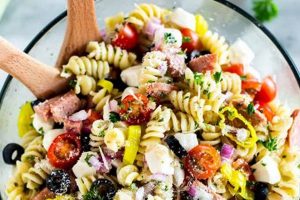
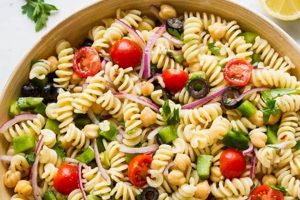
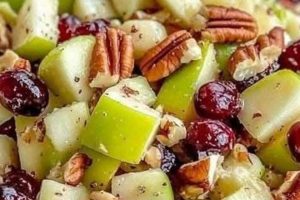
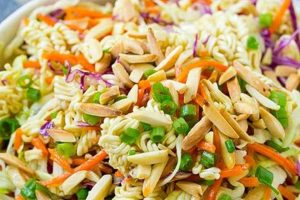
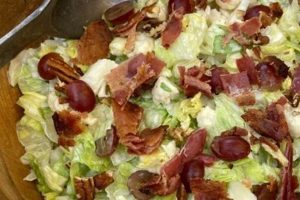
A finely diced salad, featuring a mix of vegetables, proteins, and often grains, bound together with a flavorful dressing, characterizes this culinary creation. A typical example might include diced romaine lettuce, cucumbers, tomatoes, grilled chicken, crumbled feta cheese, and quinoa, tossed in a lemon-herb vinaigrette.
The appeal lies in its convenient, customizable nature and the even distribution of flavors and textures in each bite. This preparation method offers a satisfying meal option, ensuring a balanced intake of nutrients from various food groups. Historically, finely chopped salads have appeared across diverse culinary traditions, often as a way to utilize smaller pieces of vegetables or leftover proteins. This resourceful approach has evolved into a popular contemporary meal choice, reflecting a modern emphasis on healthy, efficient, and flavorful eating.
This discussion will further explore variations, ingredient selection, dressing recommendations, and techniques for achieving the perfect chop. Practical tips and creative suggestions will guide readers toward mastering this versatile salad preparation.
Tips for Creating Exceptional Chopped Salads
Achieving a well-balanced and flavorful chopped salad involves careful consideration of ingredients, cutting techniques, and dressing choices. These tips offer guidance for maximizing flavor and texture.
Tip 1: Uniformity is Key: Consistent chopping ensures even distribution of flavors and textures. Aim for pieces roughly the same size, typically about a half-inch dice. This promotes balanced bites and enhances the overall eating experience.
Tip 2: Strategic Ingredient Selection: Consider a variety of textures and flavors. Combine crisp vegetables like cucumbers and bell peppers with softer elements like tomatoes and avocado. Incorporate protein sources such as grilled chicken, chickpeas, or tofu.
Tip 3: Embrace Seasonal Produce: Opt for in-season fruits and vegetables for optimal flavor and freshness. Seasonal ingredients often require less seasoning, letting their natural flavors shine.
Tip 4: The Art of the Dressing: Dressings should complement, not overpower. A light vinaigrette, a creamy yogurt-based dressing, or a simple lemon-herb drizzle often work well. Consider the ingredients’ flavors when selecting a dressing.
Tip 5: Don’t Overdress: Add dressing gradually, tossing gently to coat. Overdressing can make the salad soggy and dilute the flavors. It’s better to underdress and add more if needed.
Tip 6: Proper Storage for Crispness: Store chopped ingredients separately and combine just before serving. This helps maintain the crispness of vegetables and prevents premature wilting.
Tip 7: Elevate with Herbs and Spices: Fresh herbs and spices can significantly enhance flavor profiles. Consider adding chopped parsley, cilantro, mint, or a sprinkle of chili flakes for an extra dimension of taste.
By following these guidelines, one can create a delicious and satisfying chopped salad that offers a balanced combination of flavors, textures, and nutrients.
These techniques pave the way for endless culinary creativity and customization, making the chopped salad a versatile and enjoyable meal option.
1. Ingredients

Ingredient selection significantly impacts the flavor profile, nutritional value, and overall success of a chopped salad. Consider the interplay of textures, flavors, and colors when choosing components. A variety of textures, from crunchy to creamy, creates a more satisfying culinary experience. Flavor combinations should be balanced and complementary. A mix of colors not only enhances visual appeal but also indicates a wider range of nutrients. For instance, a salad featuring crisp romaine lettuce, juicy tomatoes, creamy avocado, and grilled chicken offers a diverse textural and flavorful experience. Substituting kale for romaine provides a different nutritional profile and a slightly bitter counterpoint to the other ingredients. The selection process directly influences the final outcome, demonstrating the crucial role of ingredients.
Categorizing ingredients into groups simplifies the creation of a balanced and flavorful salad. These groups typically include a base of leafy greens, vegetables, proteins, healthy fats, and optional additions like grains, seeds, or dried fruits. Each category contributes distinct nutritional elements and textural components. Leafy greens provide vitamins and minerals, while vegetables offer additional nutrients and varying degrees of crunch. Protein sources like grilled chicken, fish, beans, or tofu add satiety and essential amino acids. Healthy fats, such as avocados, nuts, or seeds, contribute beneficial fatty acids and creamy textures. Finally, grains, seeds, and dried fruits provide complex carbohydrates and additional textural elements. Understanding these categories allows for strategic ingredient selection, maximizing nutritional value and flavor complexity.
Thoughtful ingredient selection is fundamental to a successful chopped salad. The interplay of flavors, textures, and colors significantly influences the final product. Considering the nutritional contribution of each ingredient further enhances the health benefits. Mastering ingredient selection empowers one to create delicious and nutritious salads tailored to individual preferences and dietary needs. The careful balance and combination of ingredients within these categories ultimately determine the overall quality and enjoyment of the chopped salad.
2. Cutting Technique

Cutting technique plays a pivotal role in the final quality of a chopped salad. Uniformity of size contributes significantly to both the aesthetic appeal and the overall eating experience. Consistent bite-sized pieces ensure even distribution of flavors and prevent certain ingredients from dominating. Consider the contrast between a salad with unevenly chopped vegetables, where large chunks of one ingredient might overwhelm smaller pieces of another, and a salad with uniformly diced components, where each bite offers a balanced blend of flavors and textures. This uniformity also promotes even coating of the dressing, preventing pockets of excess dressing or dry ingredients. Therefore, precise cutting technique directly impacts the enjoyment and balance of flavors within the salad.
Different ingredients benefit from specific cutting techniques. For example, leafy greens like romaine or spinach are best sliced thinly to create a manageable texture and prevent large, unwieldy pieces. Tomatoes, cucumbers, and other vegetables benefit from a consistent dice, ensuring even distribution and preventing them from becoming watery. Proteins, whether grilled chicken, tofu, or beans, should be chopped into bite-sized pieces that integrate well with the other ingredients. Harder vegetables like carrots or bell peppers may require slightly thinner slices or a smaller dice than softer ingredients like avocado or berries. Adapting cutting techniques to the specific characteristics of each ingredient optimizes texture and contributes to a more harmonious final product.
Mastering appropriate cutting techniques elevates the chopped salad from a simple dish to a carefully constructed culinary creation. The difference between a haphazardly chopped salad and one prepared with precision is evident in both the visual appeal and the eating experience. Consistent size and shape enhance the aesthetic presentation while also ensuring a balanced distribution of flavors and textures in each bite. Furthermore, appropriate cutting prevents certain ingredients from dominating the salad, allowing for a more harmonious blend of flavors. Ultimately, meticulous attention to cutting technique significantly impacts the overall enjoyment and perceived quality of the chopped salad.
3. Dressing Selection
Dressing selection significantly influences the overall flavor profile and enjoyment of a chopped salad. The dressing acts as a unifying element, binding the diverse ingredients and creating a cohesive culinary experience. A thoughtfully chosen dressing complements the individual flavors of the components, enhancing rather than masking them. For example, a light vinaigrette with citrus notes might pair well with a salad featuring fresh vegetables and grilled fish, while a creamy, herb-based dressing could complement a salad containing roasted vegetables and chickpeas. Conversely, an overly heavy or intensely flavored dressing can overwhelm the delicate flavors of the salad ingredients, resulting in a less balanced and enjoyable meal. The interplay between dressing and ingredients is crucial; the dressing should enhance, not dominate, the overall flavor composition.
The characteristics of a well-suited dressing vary depending on the specific ingredients of the salad. A salad featuring robust flavors, such as roasted vegetables or cured meats, might benefit from a bolder dressing, while a salad with delicate greens and fresh herbs might require a lighter touch. The texture of the dressing also plays a role. A creamy dressing can add richness and body to a salad with crunchy vegetables, whereas a vinaigrette might provide a refreshing counterpoint to a salad with denser ingredients. Consider a salad with grilled chicken, avocado, and crunchy vegetables: a creamy ranch dressing might overwhelm the delicate flavors, while a light vinaigrette could fail to provide sufficient richness. A lemon-herb vinaigrette, however, would offer a bright, acidic counterpoint to the richness of the avocado and the savory chicken, while still allowing the flavors of the vegetables to shine through. Thus, the dressing should be tailored to the specific ingredients, creating a harmonious balance of flavors and textures.
Careful dressing selection elevates the chopped salad, transforming it from a simple combination of ingredients into a cohesive and flavorful dish. The dressing acts as a bridge, connecting the diverse flavors and textures of the components. A well-chosen dressing complements and enhances the overall composition, while a poorly chosen dressing can detract from the individual flavors and create an unbalanced experience. Therefore, understanding the interplay between dressing and ingredients is essential for creating a truly exceptional chopped salad. This understanding allows for strategic selection, ensuring that the dressing contributes positively to the overall flavor profile and enhances the enjoyment of the meal.
4. Flavor Balance

Flavor balance represents a crucial element in a successful chopped salad recipe. Achieving harmony among diverse ingredients elevates the dish beyond a simple collection of components, transforming it into a cohesive and enjoyable culinary experience. This balance prevents any single flavor from dominating, allowing the nuanced characteristics of each ingredient to contribute to the overall profile. Understanding the interplay of tastessweet, sour, salty, bitter, and umamiis essential for constructing a well-balanced and satisfying chopped salad.
- Balancing Taste Profiles
A well-balanced chopped salad incorporates a variety of taste profiles. The interplay of contrasting tastes creates complexity and depth of flavor. For instance, the sweetness of roasted butternut squash can be balanced by the salty tang of feta cheese and the peppery bite of arugula. The bitterness of kale can be offset by the sweetness of dried cranberries and the richness of toasted nuts. The goal is to create a symphony of flavors where each element complements and enhances the others, resulting in a harmonious and satisfying whole.
- Texture’s Role in Flavor Perception
Texture plays a significant role in how flavors are perceived. A variety of texturescrunchy, creamy, chewyadds interest and complexity to the salad. Furthermore, texture can influence how intensely certain flavors are experienced. For example, a creamy dressing can mellow the sharpness of a strong cheese, while crunchy croutons can provide a textural contrast to softer ingredients. The interplay of textures enhances the overall sensory experience and contributes to a more dynamic and engaging flavor profile.
- The Impact of Acidity
Acidity plays a crucial role in balancing flavors and adding brightness to a chopped salad. A squeeze of lemon or lime juice, a splash of vinegar, or the inclusion of acidic ingredients like pickled onions can cut through richness and enhance the other flavors. Acidity provides a refreshing counterpoint to heavier ingredients and helps to create a more vibrant and balanced flavor profile. For instance, the acidity of a lemon vinaigrette can balance the richness of avocado and the savory notes of grilled chicken in a chopped salad.
- Seasonality and Flavor Intensity
Utilizing seasonal ingredients contributes to optimal flavor intensity. Produce at its peak ripeness offers the most vibrant and nuanced flavors. This allows for a more balanced flavor profile with less reliance on added seasonings. For example, a summer salad featuring ripe tomatoes, sweet corn, and fresh basil requires minimal seasoning, as the ingredients themselves provide a naturally balanced and flavorful combination.
By understanding these facets of flavor balance, one can create chopped salads that offer a complex and satisfying culinary experience. The interplay of taste profiles, textures, acidity, and the use of seasonal ingredients contributes to a harmonious blend of flavors, where each element plays a vital role in creating a cohesive and delicious whole. This approach elevates the chopped salad beyond a simple combination of ingredients, transforming it into a carefully crafted dish that showcases the nuanced flavors of its components.
5. Presentation
Presentation significantly impacts the perceived value and enjoyment of a chopped salad. While flavor and ingredient quality remain paramount, visual appeal enhances the dining experience, stimulating appetite and creating a sense of anticipation. Careful arrangement and attention to detail elevate the dish from a simple meal to a visually engaging culinary creation.
- Color and Contrast
A visually appealing chopped salad utilizes a variety of colors. Contrasting hues create visual interest and suggest a diverse range of nutrients. For example, the deep green of spinach can be juxtaposed with the vibrant red of tomatoes, the bright orange of carrots, and the creamy white of feta cheese. This color contrast not only enhances the aesthetic appeal but also signifies a balanced and nutritious meal.
- Texture and Height
Varying textures create visual depth and tactile interest. Incorporating elements like crunchy nuts, creamy avocado, and leafy greens adds dimension to the salad. Creating height, perhaps by mounding the salad or incorporating taller ingredients, further enhances visual appeal and adds a sense of abundance. Consider a salad with a base of leafy greens, topped with a mound of chopped vegetables, sprinkled with nuts and seeds, and finished with a drizzle of dressing: the varying heights and textures create a more engaging presentation.
- Plate and Bowl Selection
The choice of serving vessel influences the overall presentation. A shallow bowl or plate allows for a wider spread, showcasing the variety of ingredients. A deeper bowl might be more suitable for salads with a higher liquid content. The color and material of the serving vessel should complement the salad, creating a harmonious visual composition. A white plate might provide a clean backdrop for a colorful salad, while a wooden bowl could add a rustic touch.
- Garnishes and Finishing Touches
Strategic garnishes provide finishing touches that enhance visual appeal and flavor. A sprinkle of fresh herbs, a drizzle of dressing, or a scattering of edible flowers can elevate the presentation and add subtle nuances of flavor. These small details demonstrate attention to detail and contribute to a more refined and enjoyable dining experience. A simple garnish of chopped chives or a sprinkle of toasted sesame seeds can significantly enhance the overall visual appeal.
Consideration of these presentational aspects elevates the chopped salad from a basic meal to a more refined and enjoyable culinary experience. The interplay of color, texture, plating, and garnishes creates a visually engaging dish that stimulates appetite and enhances appreciation for the carefully selected ingredients. Thoughtful presentation complements the flavors and textures, creating a holistic dining experience that satisfies both the palate and the eye. Ultimately, attention to presentation demonstrates care and consideration, transforming the simple act of eating a salad into a more mindful and pleasurable experience.
Frequently Asked Questions
This section addresses common inquiries regarding the preparation and enjoyment of chopped salads.
Question 1: What is the ideal size for chopped salad ingredients?
Ingredients should be uniformly chopped to approximately -inch pieces. This ensures balanced flavor distribution and a pleasant texture in each bite.
Question 2: Can chopped salads be prepared in advance?
While some components can be prepared ahead of time, it’s generally recommended to combine ingredients and add dressing just prior to serving to maintain optimal freshness and prevent sogginess. Storing components separately maximizes crispness.
Question 3: What are the best dressings for chopped salads?
Versatile options include light vinaigrettes, creamy yogurt-based dressings, and simple lemon-herb mixtures. The ideal dressing complements, rather than overpowers, the salad’s ingredients. The specific choice depends on the flavor profile of the salad components.
Question 4: How can one prevent a chopped salad from becoming watery?
Thoroughly drying ingredients after washing and avoiding overly juicy components, like certain varieties of tomatoes, helps minimize excess moisture. Adding dressing immediately before serving also mitigates this issue.
Question 5: What are some recommended protein additions for a more substantial salad?
Grilled chicken or fish, chickpeas, lentils, tofu, and hard-boiled eggs are excellent protein sources. These additions enhance satiety and nutritional value.
Question 6: How can one ensure a balanced and nutritious chopped salad?
Incorporating a variety of ingredients from different food groupsleafy greens, vegetables, lean protein, healthy fats, and optional grains or seedsensures a balanced nutritional profile. Emphasizing seasonal produce maximizes flavor and nutrient density.
Understanding these common points of inquiry allows for successful preparation and enjoyment of this versatile culinary creation.
The following section will offer a collection of diverse and inspiring chopped salad recipes.
Chopped Salad Recipe
This exploration has delved into the multifaceted nature of the chopped salad recipe, emphasizing the crucial interplay of ingredients, cutting techniques, dressing selection, flavor balance, and presentation. Each element contributes significantly to the overall culinary experience, transforming a simple combination of ingredients into a carefully constructed and enjoyable meal. From the uniformity of the chop to the nuanced selection of a complementary dressing, attention to detail elevates this versatile dish.
The chopped salad offers a canvas for culinary creativity, allowing for endless variations and adaptations. An understanding of the core principles outlined herein empowers one to confidently explore diverse flavor profiles, textures, and presentations, maximizing both enjoyment and nutritional value. This culinary approach represents not merely a recipe, but a pathway to a more mindful and rewarding engagement with food.