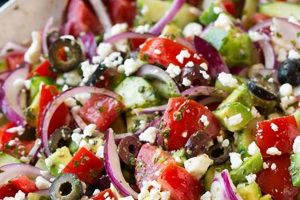
Dishes based on shredded cabbage combined with other vegetables, seasonings, and often a light dressing constitute a popular dietary choice for individuals seeking to manage their weight. These meals are generally low in calories and high in fiber, contributing to feelings of fullness and potentially aiding in portion control. A simple example might include shredded green cabbage, carrots, red onion, and a vinaigrette made with apple cider vinegar and olive oil.
The nutritional profile of cabbage contributes to its appeal in weight management. Cabbage is a good source of vitamins C and K and contains beneficial plant compounds. Its high fiber content can promote digestive health and regularity, which are important aspects of overall well-being. Historically, cabbage has been a staple food in many cultures, valued for its affordability and nutritional value. Its inclusion in weight-conscious diets reflects its continued relevance in modern dietary practices.
This article will explore various approaches to preparing these healthful meals, considering diverse ingredients, dressings, and cultural influences. Additional topics will include the nutritional benefits of cabbage, tips for maximizing flavor and texture, and strategies for incorporating such dishes into a balanced weight management plan.
Tips for Optimizing Cabbage Salad for Weight Management
Careful selection of ingredients and preparation methods can maximize the benefits of cabbage salads for weight management goals. These tips offer guidance for creating flavorful, nutrient-rich, and satisfying meals.
Tip 1: Emphasize Variety: Incorporating a diverse range of vegetables beyond cabbage, such as shredded carrots, bell peppers, broccoli slaw, or chopped red onion, enhances nutritional value and adds flavor complexity. This prevents palate fatigue and ensures a broader spectrum of vitamins and minerals.
Tip 2: Choose Lean Protein Sources: Adding lean protein like grilled chicken breast, fish, or chickpeas elevates the satiety factor and provides essential amino acids. This helps to maintain muscle mass during periods of caloric restriction.
Tip 3: Prioritize Low-Calorie Dressings: Opt for vinaigrettes made with olive oil, apple cider vinegar, or lemon juice. Avoid creamy dressings, which can significantly increase calorie and fat content. Experiment with herbs, spices, and a touch of Dijon mustard for flavor enhancement.
Tip 4: Mindful Ingredient Preparation: Properly shredding or chopping cabbage ensures even coating with dressing and facilitates digestion. Massaging tougher greens like kale can tenderize them and improve palatability.
Tip 5: Control Portion Sizes: Even healthy meals can contribute to weight gain if consumed in excessive quantities. Be mindful of serving sizes to maintain a calorie deficit when aiming for weight loss.
Tip 6: Strategic Meal Timing: Consuming cabbage salad as a starter can help curb appetite and reduce overall calorie intake during subsequent courses. Alternatively, a substantial salad can serve as a satisfying light meal.
Tip 7: Pre-Portioning for Convenience: Preparing ingredients and dressings in advance allows for quick assembly, making it easier to adhere to dietary plans, especially during busy schedules.
By following these guidelines, individuals can create delicious and nutritious cabbage salads that support their weight management objectives. These salads, when combined with other healthy lifestyle choices, contribute to a balanced and sustainable approach to achieving and maintaining a healthy weight.
The following section will explore specific recipe variations and provide further insights into incorporating these versatile dishes into a comprehensive weight management strategy.
1. Nutrient-Rich Cabbage

Cabbage’s nutritional profile contributes significantly to the efficacy of cabbage salad recipes in weight management. Density of nutrients relative to caloric content makes it a valuable dietary component. Micronutrients, including vitamins C and K, and minerals like potassium, support overall health while minimizing caloric intake. Fiber content promotes satiety, reducing the likelihood of overconsumption. This combination of low calories, high nutrient density, and substantial fiber content positions cabbage as an ideal ingredient in meals designed for weight loss. For example, a cup of shredded cabbage provides a significant portion of the recommended daily intake of vitamin C for a minimal number of calories.
The presence of beneficial plant compounds in cabbage further enhances its value in weight-conscious diets. These compounds, including glucosinolates, may offer antioxidant and anti-inflammatory properties. While research into these potential benefits is ongoing, their presence contributes to the overall health-promoting profile of cabbage. Furthermore, the versatility of cabbage allows for its incorporation into diverse culinary preparations, increasing dietary adherence. It can be consumed raw, fermented, or cooked, offering flexibility within meal plans.
Understanding the nutritional value of cabbage provides a foundation for maximizing the benefits of cabbage salad recipes for weight loss. Prioritizing fresh, minimally processed cabbage and combining it with other nutrient-rich ingredients amplifies the positive impact on weight management efforts. Challenges may include potential digestive discomfort associated with high fiber intake, which can be mitigated by gradual introduction of cabbage into the diet and adequate hydration. Incorporating cabbage salads as part of a balanced dietary approach, alongside regular physical activity and other healthy lifestyle choices, supports sustainable weight management and overall well-being.
2. Low-Calorie Ingredients

Low-calorie ingredients form the foundation of effective weight-loss strategies, including cabbage salad recipes. Selecting ingredients with minimal caloric impact allows for consumption of satisfying portions while maintaining a calorie deficit, a key factor in weight reduction. This section explores facets of low-calorie ingredient selection within the context of cabbage salads.
- Caloric Density
Caloric density, the amount of energy per unit of weight, plays a crucial role in ingredient selection. Foods with low caloric density, such as non-starchy vegetables like cabbage, provide volume and satiety without contributing significantly to caloric intake. For instance, incorporating ingredients like shredded carrots, bell peppers, and cucumbers adds bulk and nutritional value without drastically increasing calories, promoting feelings of fullness and potentially reducing overall consumption.
- Nutrient Density
Prioritizing nutrient-dense, low-calorie ingredients maximizes health benefits while minimizing caloric impact. Cabbage, a rich source of vitamins and minerals, exemplifies this principle. Other examples include leafy greens like spinach and kale, which contribute essential nutrients alongside minimal calories. Choosing these ingredients over higher-calorie alternatives ensures nutritional adequacy during periods of caloric restriction.
- Synergistic Combinations
Strategic combinations of low-calorie ingredients can enhance flavor and satiety. Pairing cabbage with flavorful herbs and spices, or adding a small amount of a healthy fat source like avocado or a vinaigrette dressing made with olive oil, can elevate the sensory experience and promote satisfaction without substantially increasing calorie intake. This allows for adherence to dietary restrictions while minimizing feelings of deprivation.
- Hydration
Ingredients with high water content, such as cucumbers and tomatoes, contribute to hydration and satiety. Their inclusion in cabbage salads enhances both the nutritional value and the overall eating experience. Adequate hydration plays a vital role in weight management by supporting metabolic processes and potentially reducing hunger signals. Incorporating these hydrating ingredients contributes to overall fluid intake goals.
Understanding the principles of caloric density, nutrient density, synergistic flavor combinations, and hydration allows for informed ingredient selection in cabbage salad recipes designed for weight loss. By emphasizing these factors, individuals can create satisfying, nutritious, and low-calorie meals that support their weight management goals. The strategic use of these principles within a comprehensive dietary and exercise plan contributes to sustainable weight loss and overall health improvement.
3. High Fiber Content

Dietary fiber plays a crucial role in weight management, and its prominence in cabbage salads contributes significantly to their effectiveness in weight-loss strategies. Fiber, a type of carbohydrate resistant to digestion, exerts several beneficial effects relevant to weight control. Consumption of fiber-rich foods, such as cabbage, promotes satiety by increasing feelings of fullness. This can lead to reduced calorie intake and support adherence to dietary restrictions.
The mechanisms by which fiber promotes satiety include delayed gastric emptying, increased chewing time, and stimulation of gut hormones that regulate appetite. Cabbage, with its significant fiber content, exemplifies these benefits. A typical serving of cabbage salad can contribute substantially to daily fiber recommendations. For example, a salad containing two cups of shredded cabbage provides approximately 10 grams of fiber, a significant portion of the recommended daily intake. This effect on satiety can be further enhanced by combining cabbage with other high-fiber vegetables like carrots, broccoli, and bell peppers.
In addition to promoting satiety, fiber contributes to weight management through its influence on gut health. A healthy gut microbiome is increasingly recognized as an important factor in metabolic health and weight regulation. Fiber serves as a prebiotic, nourishing beneficial gut bacteria. These bacteria, in turn, produce short-chain fatty acids, which may play a role in appetite regulation and energy metabolism. Incorporating fiber-rich cabbage salads into a balanced diet supports a healthy gut microbiome, contributing to overall weight management efforts. However, individual responses to high-fiber diets can vary. A gradual increase in fiber intake, combined with adequate hydration, can mitigate potential digestive discomfort.
4. Versatile Recipes

Recipe versatility plays a crucial role in the long-term success of weight management strategies incorporating cabbage salads. Dietary adherence often hinges on the ability to maintain variety and enjoyment in meal choices. Cabbage, as a base ingredient, offers significant adaptability, accommodating a wide range of flavors, textures, and culinary traditions. This adaptability contributes to sustained engagement with weight-conscious eating patterns, reducing the likelihood of dietary plateaus and promoting long-term success. For example, a simple slaw can be transformed with the addition of different herbs, spices, nuts, seeds, or fruits, creating diverse flavor profiles while maintaining the core nutritional benefits.
The adaptability of cabbage extends beyond flavor profiles. It can be incorporated into various meal formats, from light lunches and side dishes to more substantial main courses. This flexibility allows for integration into diverse dietary patterns and cultural contexts. Cabbage can be paired with lean protein sources, such as grilled chicken or fish, to create complete, balanced meals. It can also be combined with other vegetables, legumes, or grains to create complex salads that offer a wide spectrum of nutrients. This versatility ensures that cabbage salads remain a sustainable and enjoyable component of a weight-loss plan, reducing the risk of monotony and promoting long-term adherence.
Harnessing the versatility of cabbage salads contributes significantly to sustainable weight management. By exploring diverse flavor combinations, preparation methods, and meal formats, individuals can maintain enjoyment and adherence to dietary goals. This adaptability minimizes the risk of dietary fatigue, a common challenge in weight-loss journeys. The ability to customize cabbage salad recipes to individual preferences and cultural contexts further enhances their long-term viability as a valuable tool in achieving and maintaining a healthy weight. This understanding, combined with a broader approach to healthy lifestyle choices, including regular physical activity and mindful eating practices, supports long-term success in weight management and overall well-being.
5. Portion Control

Portion control plays a critical role in weight management strategies utilizing cabbage salad recipes. While these salads offer inherent advantages due to their low caloric density and high fiber content, consuming excessive quantities can still hinder weight-loss progress. Careful attention to portion sizes ensures that the benefits of these recipes are fully realized. Calorie deficits, essential for weight reduction, can be maintained even with nutrient-rich, low-calorie foods like cabbage salads when portions are managed effectively. For example, a large salad exceeding recommended serving sizes, even if composed primarily of low-calorie vegetables, may still contribute a substantial number of calories. Conversely, a smaller, appropriately portioned salad, combined with a lean protein source, can provide satiety and essential nutrients without exceeding caloric goals. Understanding this principle allows for informed choices that support weight-loss objectives.
Practical application of portion control with cabbage salads can involve utilizing measuring cups, food scales, or pre-portioned containers. Visual cues, such as comparing serving sizes to common objects, can also provide helpful estimates. Mindful eating practices, including paying attention to hunger and fullness cues, contribute to regulating intake. Additionally, strategic meal planning and preparation can facilitate portion control. Pre-portioning salads into individual containers for meals throughout the week eliminates guesswork and supports adherence to dietary goals. Combining these strategies with educational resources on appropriate serving sizes for various food groups empowers individuals to implement effective portion control techniques. Challenges may include social settings or dining out, where portion sizes are often larger than recommended. Planning ahead and requesting smaller portions or sharing dishes can mitigate these challenges.
Effective portion control remains a cornerstone of successful weight management, even with inherently healthy choices like cabbage salads. Integrating practical strategies for managing portions, alongside mindful eating practices, empowers individuals to leverage the benefits of these recipes fully. This understanding, combined with a comprehensive approach to diet, exercise, and lifestyle modifications, promotes sustainable weight loss and overall health improvement. Neglecting portion control, even with nutrient-rich foods, can impede progress toward weight-loss goals. A balanced approach that considers both food choices and quantities consumed supports long-term success.
6. Hydration

Adequate hydration plays a crucial role in weight management, and its relevance extends to cabbage salad recipes for weight loss. Water supports numerous metabolic processes, including digestion, nutrient absorption, and waste elimination. Maintaining optimal hydration can also influence appetite regulation, potentially reducing feelings of hunger and supporting adherence to dietary restrictions. Furthermore, sufficient fluid intake contributes to overall well-being, impacting energy levels and cognitive function, which are important factors in maintaining healthy lifestyle choices. This section will explore the multifaceted connection between hydration and the efficacy of cabbage salads in weight management.
- Appetite Regulation
Hydration can influence appetite signals, potentially contributing to reduced calorie intake. Sometimes thirst can be misinterpreted as hunger, leading to unnecessary consumption of food. Consuming water-rich foods, such as cabbage salads with high-water-content vegetables like cucumbers and tomatoes, can contribute to both hydration and satiety, potentially reducing overall calorie intake. This effect can support adherence to a calorie deficit, a key factor in weight loss.
- Metabolic Efficiency
Water plays a vital role in various metabolic processes, including the breakdown and utilization of nutrients from food. Optimal hydration supports efficient metabolism, contributing to energy production and overall physiological function. This can indirectly support weight management efforts by ensuring the body functions optimally during periods of caloric restriction.
- Digestive Health
Adequate hydration supports healthy digestion, which is essential for nutrient absorption and waste elimination. Fiber-rich foods like cabbage can benefit from sufficient fluid intake to facilitate smooth digestion and prevent discomfort. Optimal hydration can also help prevent constipation, a potential side effect of increased fiber intake. Maintaining digestive health supports overall well-being and contributes to a positive experience with cabbage salad consumption as part of a weight-loss plan.
- Synergistic Effects with Cabbage
Cabbage, with its high water content, contributes directly to hydration goals. Combining cabbage with other hydrating ingredients in salads, such as cucumbers, tomatoes, and bell peppers, further enhances this effect. This synergistic approach to hydration through food choices maximizes the benefits of cabbage salads within a weight-loss context. The combined effects of increased satiety from fiber and improved hydration from water-rich ingredients create a powerful tool in supporting dietary adherence and achieving weight-loss objectives.
Incorporating hydration strategies alongside the consumption of cabbage salads optimizes their efficacy in weight management. Adequate hydration, achieved through both water intake and water-rich foods like cabbage salads, supports metabolic processes, appetite regulation, and digestive health. These factors contribute synergistically to the overall effectiveness of cabbage salad recipes in achieving and maintaining a healthy weight. Understanding this connection allows individuals to leverage hydration strategies to maximize the benefits of their dietary choices.
7. Meal Planning
Meal planning provides a structured framework for incorporating cabbage salad recipes effectively into weight-loss strategies. Advance planning facilitates adherence to dietary goals by reducing impulsive food choices and promoting consistent consumption of nutrient-rich, low-calorie meals. A well-defined meal plan, incorporating cabbage salads strategically, mitigates reliance on less healthy convenience foods and supports a balanced nutritional intake. This proactive approach reduces the likelihood of dietary deviations and promotes consistent progress toward weight-loss objectives. For example, preparing several servings of cabbage salad in advance allows for convenient access to healthy meal options throughout the week, reducing the temptation to consume higher-calorie alternatives during busy periods.
The practical application of meal planning for weight loss involving cabbage salads can involve several key steps. First, establishing caloric and macronutrient targets based on individual needs and goals provides a foundation for recipe selection and portioning. Next, incorporating a variety of cabbage salad recipes ensures dietary diversity and prevents palate fatigue, promoting long-term adherence. Integrating these salads into a broader meal plan that includes lean protein sources, healthy fats, and other vegetables ensures nutritional balance. Finally, scheduling dedicated time for meal preparation streamlines the process and reduces reliance on convenience foods. Pre-chopping vegetables, preparing dressings in advance, and storing ingredients appropriately contribute to efficient meal assembly. This structured approach empowers individuals to maintain consistent dietary habits, even during periods of high demand.
Meal planning serves as a cornerstone of successful weight management when incorporating cabbage salad recipes. A structured approach to meal preparation, combined with realistic goal setting and dietary awareness, contributes significantly to achieving and maintaining weight-loss objectives. Challenges may include time constraints and initial adjustment to a planned dietary regimen. However, the long-term benefits of consistent healthy eating habits outweigh these initial challenges. Meal planning empowers individuals to make informed food choices, supporting sustainable weight management and promoting overall health and well-being. This understanding, coupled with other lifestyle modifications, including regular physical activity and stress management techniques, fosters a holistic approach to weight loss and long-term health.
Frequently Asked Questions
This section addresses common inquiries regarding the role of cabbage salads in weight management strategies.
Question 1: Can cabbage salad recipes truly contribute to weight loss?
Cabbage salads, due to their low caloric density, high fiber content, and potential to promote satiety, can contribute to weight loss when incorporated into a balanced dietary and exercise plan. They are not, however, a standalone solution but rather a valuable component of a broader weight management strategy.
Question 2: Are there specific types of cabbage best suited for weight-loss salads?
While most cabbage varieties offer nutritional benefits, green and red cabbage are generally preferred for salads due to their texture and flavor profiles. Savoy cabbage, with its delicate leaves, can also be a suitable option.
Question 3: How can potential digestive discomfort associated with high cabbage intake be mitigated?
Gradual introduction of cabbage into the diet, combined with adequate hydration, can help mitigate potential digestive discomfort. Starting with smaller portions and progressively increasing intake allows the digestive system to adjust. Thorough chewing and proper food combining can also aid digestion.
Question 4: What are some effective strategies for incorporating cabbage salads into a long-term weight management plan?
Variety is key to long-term adherence. Experiment with different ingredients, dressings, and preparation methods to prevent palate fatigue. Integrating cabbage salads into a structured meal plan ensures consistent consumption. Prioritizing fresh, minimally processed ingredients maximizes nutritional benefits.
Question 5: Are there any potential drawbacks or contraindications to consuming large quantities of cabbage?
While generally safe, consuming large quantities of cabbage can, in some individuals, lead to digestive issues such as gas and bloating. Individuals with thyroid conditions should consult a healthcare professional regarding cruciferous vegetable intake, including cabbage, due to potential interference with iodine absorption. Moderation and balanced consumption within a varied diet are generally recommended.
Question 6: Can cabbage salads be a suitable meal replacement option for weight loss?
While cabbage salads can be a valuable component of a weight-loss diet, they may not provide all essential nutrients when consumed exclusively as a meal replacement. Combining them with lean protein sources, healthy fats, and other vegetables ensures a more balanced nutritional profile. Consulting a registered dietitian or nutritionist for personalized guidance is recommended when considering meal replacements.
These responses provide general information and should not be considered medical advice. Consulting a healthcare professional or registered dietitian for personalized guidance is recommended.
The following section will offer a collection of sample cabbage salad recipes designed to support weight management goals.
Conclusion
Cabbage salad recipes offer a valuable dietary approach for weight management. Their efficacy stems from a combination of factors: low caloric density, high fiber content promoting satiety, nutrient richness, and recipe versatility. Successful integration into a weight-loss plan hinges on mindful ingredient selection, portion control, and consistent adherence. Hydration and comprehensive meal planning further amplify positive outcomes. Addressing potential digestive issues through gradual fiber increase and sufficient fluid intake ensures sustainable incorporation. While not a sole solution, these recipes contribute significantly to a holistic weight management strategy.
Exploration of diverse flavor profiles and culinary adaptations ensures long-term dietary adherence. Ultimately, integrating cabbage salad recipes, combined with a balanced lifestyle encompassing regular physical activity and mindful eating practices, empowers individuals to achieve sustainable weight management and enhanced overall well-being. Further research into the long-term effects and optimal integration of these recipes within diverse dietary patterns holds promise for refining weight management strategies.