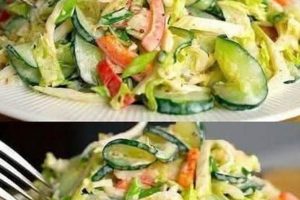
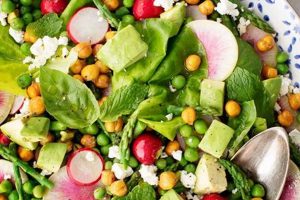
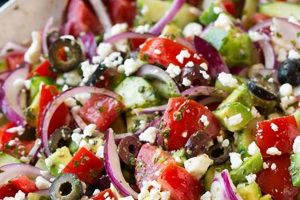
This dish, a vibrant and flavorful mix of beans, corn, black-eyed peas, bell peppers, jalapeos, red onion, and cilantro, tossed in a tangy lime vinaigrette, offers a refreshing and colorful culinary experience. Variations can include avocados, tomatoes, or cornbread croutons, adding further textural and flavor dimensions. It serves as a versatile appetizer, side dish, or even a light meal.
Its appeal stems from a combination of freshness, ease of preparation, and adaptability. Requiring minimal cooking and utilizing readily available ingredients, it provides a healthy and satisfying option for gatherings, potlucks, or everyday meals. The blend of sweet, tangy, and spicy flavors creates a balanced profile that complements a range of cuisines. Its roots in Texan and Southwestern cuisine add a cultural dimension, reflecting a tradition of simple yet flavorful dishes.
The following sections delve into specific ingredient selections, preparation techniques, and serving suggestions to guide readers in crafting their own versions of this popular dish. Nutritional information and potential variations will also be explored to offer a comprehensive understanding of its versatility.
Tips for a Perfect Dish
Optimizing ingredient selection and preparation techniques elevates this simple dish to a culinary masterpiece. Attention to detail ensures a balanced flavor profile and maximizes freshness.
Tip 1: Fresh Ingredients are Key: Utilizing fresh produce, particularly ripe tomatoes, vibrant bell peppers, and fragrant cilantro, significantly impacts the final flavor. Canned beans and corn should be thoroughly rinsed and drained.
Tip 2: Balancing Flavors: The vinaigrette’s acidity should complement the sweetness of the corn and the slight bitterness of the black-eyed peas. Adjust lime juice and seasonings to achieve the desired balance.
Tip 3: Dice Uniformly: Consistent chopping of vegetables ensures even distribution of flavors and a pleasing texture. Smaller pieces facilitate scooping and dipping.
Tip 4: Marinating Time: Allowing the mixture to marinate for at least 30 minutes allows the flavors to meld and intensify. Optimal flavor develops within a few hours of refrigeration.
Tip 5: Avocado Handling: If adding avocado, incorporate it just before serving to prevent browning. A gentle toss minimizes bruising.
Tip 6: Serving Options: Consider serving with tortilla chips, cornbread chips, or as a topping for grilled meats or fish. It also complements salads or tacos.
Tip 7: Storage: Store leftovers in an airtight container in the refrigerator for up to three days. The flavors may intensify further upon standing.
By following these guidelines, one achieves a vibrant, flavorful, and visually appealing dish suitable for a variety of occasions.
The following section concludes with final recommendations and variations for personalized adaptations.
1. Fresh Ingredients

The emphasis on fresh ingredients in this dish significantly impacts its overall quality and flavor profile. Utilizing peak-season produce elevates the taste and contributes to a vibrant, appealing presentation. This section explores the crucial role of freshness in this recipe.
- Ripe Tomatoes:
Ripe, juicy tomatoes contribute a burst of sweetness and acidity that balances the other flavors. Selecting tomatoes at their peak ripeness ensures optimal flavor and texture. Alternatives, like cherry or grape tomatoes, offer a slightly different sweetness and visual appeal. Using canned tomatoes is discouraged as they lack the fresh, vibrant taste.
- Crisp Bell Peppers:
Bell peppers, whether green, red, yellow, or orange, provide a satisfying crunch and a subtle sweetness. Their vibrant colors enhance the visual appeal of the dish. Freshly diced bell peppers offer a superior texture compared to pre-cut or frozen options, which can become mushy.
- Fragrant Cilantro:
Fresh cilantro provides a bright, citrusy aroma and flavor that complements the other herbs and spices. Its delicate leaves should be added just before serving to maximize their impact. Dried cilantro is a poor substitute, lacking the fresh herb’s distinctive flavor profile.
- Firm Avocados (Optional):
If included, avocados should be ripe but firm. They contribute a creamy texture and a rich, buttery flavor. Adding them just before serving prevents browning and maintains their optimal texture. Overripe avocados can become mushy and detract from the dish’s overall appeal.
The careful selection and preparation of fresh ingredients elevates this simple dish. Prioritizing quality produce ensures a vibrant, flavorful, and visually appealing culinary experience, showcasing the importance of freshness in achieving optimal results.
2. Balanced Vinaigrette

A balanced vinaigrette constitutes a crucial element, significantly influencing the overall flavor profile. The vinaigrette provides acidity, counterbalancing the sweetness of the corn and the earthiness of the beans and black-eyed peas. This balance prevents the dish from becoming overly sweet or bland. The interplay of acidity, sweetness, and savory notes creates a complex and satisfying flavor profile that characterizes a well-executed version of this dish. A vinaigrette lacking sufficient acidity can result in a flat, less dynamic flavor, while excessive acidity can overpower the other ingredients.
For instance, a vinaigrette composed solely of lime juice and oil might lack depth. Incorporating elements like cumin, chili powder, or red pepper flakes adds complexity and complements the inherent flavors of the vegetables. Similarly, a touch of sweetness, perhaps from a small amount of honey or agave nectar, can round out the vinaigrette, enhancing the interplay between sweet, sour, and savory. The careful calibration of these elements within the vinaigrette directly impacts the final taste, highlighting the importance of achieving a harmonious balance. Using fresh lime juice, as opposed to bottled concentrate, offers a brighter, more nuanced acidity that elevates the flavor profile.
Achieving a balanced vinaigrette requires careful consideration of ingredient ratios and flavor pairings. A well-balanced vinaigrette enhances the flavors of the other components, creating a harmonious and enjoyable culinary experience. The success of this dish relies heavily on the skillful composition of its vinaigrette, underscoring the importance of this seemingly simple element. Challenges in achieving this balance might include sourcing high-quality ingredients, adjusting to variations in produce sweetness or acidity, and personal preferences regarding spice levels. Understanding these nuances allows for adaptation and consistent delivery of a flavorful and balanced dish.
3. Proper Marinating

Proper marinating plays a crucial role in the final flavor and texture of this dish. Marinating allows the vinaigrette to penetrate the ingredients, softening the vegetables while intensifying their flavors. This process also allows the individual flavors of the components beans, corn, peppers, onions, and herbs to meld, creating a more complex and unified flavor profile. The duration of marination directly influences the final outcome. A brief marinating period, perhaps 30 minutes, imparts a lighter, fresher taste, while a longer marination, up to several hours, results in a more pronounced and integrated flavor profile. For instance, allowing the mixture to marinate overnight significantly intensifies the flavors, although it can also soften the texture of certain vegetables, such as tomatoes or avocados, if included.
The chemical processes involved in marinating include diffusion and osmosis. The acidic component of the vinaigrette, typically lime juice, breaks down the cell walls of the vegetables, allowing the flavors of the oil, herbs, and spices to permeate. This process not only enhances flavor but also contributes to the desirable textural changes. Practical applications of this understanding include adjusting marinating time based on desired flavor intensity and vegetable texture preferences. A shorter marinating time might be preferred for a lighter, crisper salad, whereas a longer marinating period is suitable for those seeking a more robust and blended flavor. The marinating process is also temperature-dependent; higher temperatures accelerate flavor infusion but can also compromise the texture of certain ingredients. Marinating at cooler temperatures, such as in the refrigerator, slows down the process, allowing for greater control over the final result.
In summary, marinating functions as a critical step in the recipe, enabling the development of complex flavors and desirable textures. Understanding the factors influencing marinating effectiveness, including time, temperature, and ingredient interactions, enables consistent and successful culinary outcomes. Failure to marinate adequately results in a less flavorful and integrated dish, highlighting the practical significance of this seemingly simple step. Balancing marinating time with desired texture and flavor intensity remains a key consideration in optimizing this dish.
4. Versatile Serving

The versatility of this dish contributes significantly to its widespread appeal. It functions effectively as a standalone appetizer, a vibrant side dish, or a component within larger meals. This adaptability stems from its balanced flavor profile, which complements a wide range of cuisines and ingredients. As a dip, served with tortilla chips or crudits, it offers a refreshing and flavorful starter. Its bright colors and varied textures also make it an attractive addition to buffets or potlucks. As a side dish, it pairs well with grilled meats, fish, or tacos, adding a contrasting element of freshness and acidity. Incorporated into larger meals, such as salads or grain bowls, it contributes textural complexity and a burst of flavor.
Consider, for example, a summer barbecue. This dish provides a light and refreshing counterpoint to richer, heavier grilled items. Or, imagine a casual gathering where it serves as a centerpiece dip, surrounded by an array of accompaniments. Its adaptability extends to dietary preferences; it naturally aligns with vegetarian and vegan diets and can be easily modified to accommodate gluten-free requirements. This inherent versatility expands its potential audience and occasions for enjoyment, further enhancing its popularity. One might also consider its use as a filling for wraps or sandwiches, or even as a topping for baked potatoes, showcasing its flexible nature. The practical significance of this versatility lies in its ability to simplify meal planning and cater to diverse tastes and dietary needs.
In summary, the versatile serving options associated with this dish significantly enhance its appeal and practicality. Its ability to function effectively in various culinary contexts contributes to its broad popularity. Understanding this versatility allows for creative culinary applications and facilitates menu planning for a range of occasions. Challenges might arise in adapting the recipe to specific dietary restrictions or cultural preferences, requiring careful consideration of ingredient substitutions and flavor adjustments. Nevertheless, its inherent adaptability positions it as a valuable and versatile culinary asset.
5. Textural Variety

Textural variety constitutes a defining characteristic, elevating it beyond a simple salad. The interplay of textures contributes significantly to the overall sensory experience. This dish typically incorporates a foundation of soft, cooked beans and corn. The addition of finely diced bell peppers and red onion introduces a crisp, contrasting element. Further textural complexity can be achieved through the inclusion of ingredients such as chopped cilantro, offering a slightly leafy texture, or crumbled cotija cheese, providing a salty, crumbly counterpoint. The interplay between these varying texturessoft, crisp, and crumblycreates a dynamic and engaging mouthfeel that elevates the overall enjoyment. For instance, the contrast between the smooth black-eyed peas and the crunchy bell peppers offers a satisfying textural juxtaposition. Alternatively, substituting roasted corn for canned corn introduces a slightly charred, smoky flavor and a chewier texture, further enhancing the textural complexity.
The practical significance of textural variety stems from its ability to engage multiple senses, enriching the eating experience. A monotonous texture, regardless of how flavorful the dish, can lead to palate fatigue. The strategic incorporation of contrasting textures sustains interest and enhances enjoyment. Consider the difference between a salad composed solely of soft ingredients versus one that incorporates a variety of textures. The latter offers a more stimulating and satisfying sensory experience. This principle applies equally to variations. Adding chopped avocado introduces a creamy texture, while toasted pepitas contribute a satisfying crunch. Understanding the role of texture allows for strategic ingredient selection to maximize enjoyment and cater to individual preferences. For example, individuals who prefer a smoother texture might opt to exclude the raw onions or finely dice them. Conversely, those seeking a more pronounced crunch might choose to add toasted nuts or seeds.
In summary, textural variety serves as a critical component, elevating its appeal beyond flavor alone. The intentional combination of contrasting textures creates a dynamic and engaging eating experience. Understanding the role and impact of textural elements allows for informed ingredient selection and recipe adaptation, ensuring a satisfying and enjoyable culinary outcome. Challenges might arise in balancing textural diversity with personal preferences and dietary restrictions, necessitating thoughtful ingredient selection and preparation techniques. Nevertheless, the effective manipulation of textural elements contributes significantly to the overall success and enjoyment.
6. Flavorful Combinations
Flavorful combinations form the essence of this dish, transforming a simple collection of ingredients into a cohesive and satisfying culinary experience. The strategic pairing of ingredients creates a synergistic effect, where the combined flavors surpass the sum of their individual contributions. This synergy arises from the careful consideration of complementary and contrasting tastes, creating a balanced and complex flavor profile. The inherent sweetness of corn, for instance, finds balance in the acidity of lime juice, while the earthiness of black beans is enhanced by the brightness of cilantro. The subtle heat of jalapeos adds another dimension, creating a dynamic interplay of sweet, sour, spicy, and savory notes. This interplay distinguishes the dish from a mere mixture of ingredients, elevating it to a carefully orchestrated flavor experience. One real-world example lies in the classic combination of tomatoes and basil, where the sweetness of the tomato is complemented by the peppery, slightly minty notes of the basil. Similarly, the pairing of lime and cilantro in this dish exemplifies this principle, with the citrusy notes of both ingredients harmonizing to create a refreshing and vibrant flavor combination.
The practical significance of understanding these flavor combinations lies in the ability to adapt and personalize the recipe while maintaining its essential character. Recognizing the underlying flavor principles allows for ingredient substitutions or additions that enhance or modify the overall profile without compromising balance. For example, substituting red onion for white onion introduces a slightly sweeter and less pungent note, while adding roasted red peppers contributes a smoky sweetness and depth of flavor. Understanding the interplay of these flavors also allows for adjustments in seasoning. Increasing the amount of cumin enhances the earthy notes, while adding a touch of smoked paprika introduces a smoky dimension. These adjustments, guided by an understanding of flavor principles, empower individuals to tailor the recipe to specific preferences or dietary needs while maintaining the dish’s core identity. Successfully navigating these flavor combinations relies on an understanding of basic culinary principles and a willingness to experiment with different flavor profiles.
In summary, the success of this dish hinges on the skillful combination of flavors. The strategic pairing of ingredients creates a synergistic effect, resulting in a complex and balanced flavor profile. Understanding these flavor dynamics allows for recipe adaptation and personalization while preserving the dish’s essential character. Challenges may arise in balancing individual flavor preferences with traditional flavor profiles, requiring careful consideration and experimentation. However, mastering these flavor combinations unlocks the potential for creative culinary expression and ensures a consistently satisfying and enjoyable culinary outcome. The ability to manipulate and harmonize these flavor components distinguishes a well-executed version from a simple mixture of ingredients, highlighting the essential role of flavorful combinations in this culinary creation.
Frequently Asked Questions
This section addresses common inquiries regarding this dish, offering clarity and practical guidance for preparation and enjoyment.
Question 1: What is the typical shelf life of this dish?
Properly stored in an airtight container in the refrigerator, it typically lasts for three to five days. However, the inclusion of avocados can shorten this timeframe due to oxidation.
Question 2: Can this dish be prepared in advance?
Yes, it can be prepared a day or two in advance. In fact, the flavors often meld and intensify with time. If incorporating avocados, add them just before serving to prevent browning.
Question 3: Can frozen corn be substituted for fresh or canned corn?
While frozen corn can be used, it may alter the final texture. Thawing and thoroughly draining the corn before adding it to the mixture is essential to prevent excess moisture.
Question 4: What are suitable alternatives for individuals with cilantro aversion?
Parsley or chives offer viable alternatives to cilantro, providing a fresh herbal element without the distinct cilantro flavor. Omitting the cilantro altogether is also an option.
Question 5: Can other beans be substituted for black beans or black-eyed peas?
Certainly. Kidney beans, pinto beans, or chickpeas can be incorporated or substituted. These variations offer different flavor profiles and textures.
Question 6: What adjustments should be made for a spicier or milder version?
Adjusting the quantity of jalapeos or adding a pinch of cayenne pepper allows for customization of the spice level. Omitting the jalapeos entirely results in a milder version suitable for sensitive palates.
Addressing these common questions facilitates a deeper understanding of the dish’s preparation, storage, and adaptability, empowering individuals to confidently create and enjoy this versatile culinary creation.
The following section delves into various recipe adaptations and modifications, further expanding the possibilities of this dish.
Cowboy Caviar Salad Recipe
This exploration of cowboy caviar salad recipe has highlighted its multifaceted nature, from its fresh ingredient composition and balanced vinaigrette to its versatile serving options and complex flavor combinations. The importance of proper marinating techniques in achieving optimal flavor and texture has been underscored, along with the significant role of textural variety in enhancing the overall sensory experience. Addressing common inquiries provides practical guidance for successful preparation and enjoyment. The dish represents a compelling example of culinary synergy, where the careful combination of simple ingredients yields a remarkably flavorful and versatile outcome.
This adaptable recipe offers a foundation for culinary creativity. Its inherent flexibility allows for personalized adaptations while maintaining its essential character. Further exploration of regional variations and innovative ingredient combinations promises to expand the culinary landscape of this dish, solidifying its position as a vibrant and enduring culinary staple.