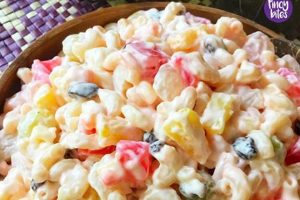
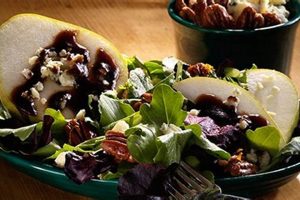
A classic American dish, this salad typically combines fresh, crisp apples, celery, and walnuts, bound together with a mayonnaise-based dressing. Often grapes and dried fruit are included, and variations may substitute the mayonnaise with yogurt or a lighter vinaigrette. A simple yet elegant dish, it is frequently served as a side, appetizer, or light lunch.
Its enduring popularity stems from the balanced interplay of sweet, tart, and crunchy elements. Originating in the late 19th century at New York City’s Waldorf-Astoria Hotel, this culinary creation quickly gained favor for its refreshing flavor profile and relative ease of preparation. The accessibility of its ingredients and adaptability to seasonal variations have further contributed to its longevity as a beloved staple.
Further exploration will delve into specific ingredient selections, variations on the classic preparation, and tips for achieving optimal flavor and presentation. Nutritional information and suggested pairings will also be addressed.
Tips for a Superior Waldorf Salad
Elevating this classic dish involves careful attention to ingredient selection and preparation techniques. The following tips offer guidance for achieving optimal flavor and texture.
Tip 1: Apple Selection is Key: Opt for firm, tart apples such as Granny Smith or Honeycrisp. Their crisp texture and tartness provide a refreshing counterpoint to the richness of the dressing and sweetness of other ingredients. Avoid overly ripe or mealy apples.
Tip 2: Enhance the Celery’s Crispness: Employ crisp, inner celery stalks for the best texture. Soaking the celery in ice water for 15-20 minutes prior to incorporating it into the salad can enhance its crunch.
Tip 3: Toasting the Walnuts: Briefly toasting the walnuts intensifies their flavor and adds a pleasant textural contrast. Toasting can be accomplished in a dry skillet over medium heat or in a preheated oven at 350F (175C) for 5-7 minutes.
Tip 4: Dressing Consistency: The mayonnaise-based dressing should be creamy and not overly thick. Thinning the mayonnaise with a small amount of lemon juice or milk can achieve the desired consistency.
Tip 5: Prevent Browning: Tossing the apple pieces with a small amount of lemon juice helps prevent browning and maintains their fresh appearance.
Tip 6: Incorporating Grapes: Red or green seedless grapes offer a juicy sweetness. Halving larger grapes ensures even distribution throughout the salad.
Tip 7: Dried Fruit Considerations: Dried cranberries, chopped apricots, or golden raisins add complexity. Rehydrate dried fruit in warm water or juice before adding to enhance their plumpness.
By adhering to these suggestions, one can ensure a Waldorf salad that exemplifies the harmonious balance of flavors and textures that define this timeless dish.
The following section will provide a detailed, step-by-step recipe for creating this classic salad, incorporating the tips outlined above.
1. Fresh, Crisp Apples

Fresh, crisp apples constitute a foundational element of a traditional Waldorf salad. Their textural and flavor contributions are essential to the dish’s overall balance and appeal. The crispness offers a counterpoint to the creamy dressing and softer ingredients, while the apple’s tartness provides a refreshing contrast to the sweetness of the grapes or dried fruit, if included, and the richness of the walnuts. This interplay of textures and flavors is a defining characteristic of the Waldorf experience. Firm, tart varieties such as Granny Smith or Braeburn are generally preferred for their ability to hold their shape and provide the desired tartness. Softer, sweeter apples tend to become mushy and lose their distinct flavor within the salad.
The importance of apple selection extends beyond mere texture and taste. The acidity in tart apples also plays a crucial role in preventing enzymatic browning of the fruit, maintaining the salad’s visual appeal. Furthermore, different apple varieties offer subtle variations in flavor profile. For instance, a Granny Smith provides a sharper tartness, while a Honeycrisp contributes a slightly sweeter, honeyed note. These nuanced differences allow for customization and exploration of individual taste preferences. The careful selection of apples directly influences the final quality and enjoyment of the salad.
In summary, the role of fresh, crisp apples in a traditional Waldorf salad is multifaceted. They provide essential textural contrast, balanced sweetness and tartness, and contribute to the visual appeal of the dish. Understanding the importance of apple selection and the interplay of flavors within the salad allows for a deeper appreciation of this classic recipe and enables individuals to create a truly exceptional Waldorf salad experience.
2. Celery

Celery contributes a distinct textural and flavor dimension to the traditional Waldorf salad. Its crisp, fibrous stalks offer a refreshing crunch, contrasting with the softer textures of apples and the creamy dressing. This textural counterpoint is crucial for a balanced sensory experience. Beyond texture, celery imparts a subtly herbaceous, slightly bitter flavor that complements the sweetness of the apples and the richness of the walnuts. This complexity of flavor prevents the salad from being overly sweet and adds depth to the overall profile. Removing the tough outer strings from celery stalks before dicing enhances the pleasantness of the texture, making each bite more enjoyable. The precise dice size influences both the textural and visual presentation of the salad. A finer dice integrates more seamlessly with other ingredients, while a larger dice provides more pronounced bursts of celery flavor and crunch.
One can observe the importance of celery’s textural contribution by comparing the Waldorf salad to similar fruit and nut combinations lacking this ingredient. Dishes relying solely on apples and nuts for texture often lack the same refreshing crispness that celery provides. Furthermore, the subtle bitterness of celery acts as a palate cleanser, balancing the sweetness of other ingredients. This balancing act is crucial in preventing the salad from becoming cloying, especially when sweeter ingredients like grapes or dried fruit are incorporated. Practical applications of this understanding include mindful celery selection and preparation. Opting for crisp, fresh celery stalks and employing appropriate cutting techniques maximizes the vegetable’s positive contribution to the salad’s final quality.
In summary, celerys role in the traditional Waldorf salad extends beyond mere inclusion. Its textural and flavor contributions are integral to the dishs balanced profile. Recognizing the interplay between celery and other ingredients provides a deeper understanding of the classic recipe’s enduring appeal and guides preparation choices toward optimal enjoyment. The absence of celery would result in a noticeably different, and arguably less satisfying, culinary experience. Careful consideration of celerys attributes enhances the overall balance and enjoyment of this iconic salad.
3. Walnuts

Walnuts constitute an essential component of the traditional Waldorf salad, contributing significantly to its flavor, texture, and nutritional value. Their presence provides a crucial textural counterpoint to the crispness of apples and celery, while their distinctive flavor complements the other ingredients, creating a harmonious balance.
- Flavor Profile
Walnuts possess a rich, earthy, slightly bitter flavor profile that complements the sweetness of the apples and the tanginess of the dressing. This complexity prevents the salad from being overly sweet and adds depth to the overall taste experience. The roasting process intensifies the nuts’ inherent flavors and enhances their aromatic qualities, further contributing to the salad’s appeal. This characteristic flavor profile distinguishes the Waldorf salad from other fruit and vegetable combinations.
- Textural Contrast
The inclusion of walnuts introduces a satisfying crunch that contrasts with the softer textures of the apples and the creamy dressing. This interplay of textures creates a more dynamic and enjoyable sensory experience. The walnut pieces’ size influences the perceived texture, with larger pieces offering a more pronounced crunch while smaller pieces provide a subtler textural contrast. This variability allows for customization based on individual preferences.
- Nutritional Value
Walnuts are a good source of healthy fats, including omega-3 fatty acids, which offer various health benefits. They also contribute protein, fiber, and essential vitamins and minerals to the salad, enhancing its nutritional value beyond a simple fruit and vegetable combination. This nutritional component adds to the Waldorf salad’s appeal as a healthful and satisfying dish.
- Visual Appeal
The visual contrast provided by the walnuts’ rich brown color against the lighter hues of the apples and celery enhances the salad’s aesthetic presentation. The shape and size of the walnut pieces also contribute to the visual texture of the dish. This visual appeal adds to the overall dining experience and makes the Waldorf salad a visually attractive option.
The careful selection and preparation of walnuts significantly influence the overall quality and enjoyment of the traditional Waldorf salad. Their unique flavor profile, textural contribution, nutritional value, and visual appeal combine to create a harmonious and balanced dish. The absence of walnuts would result in a fundamentally different culinary experience, highlighting their integral role in this classic recipe.
4. Mayonnaise-based Dressing

Mayonnaise-based dressing is fundamental to the traditional Waldorf salad, acting as the unifying element that binds the diverse ingredients and contributes significantly to the overall flavor and textural profile. Its creamy texture and tangy flavor complement the sweetness of the apples, the crispness of the celery, and the richness of the walnuts, creating a harmonious balance.
- Classic Foundation
Traditional Waldorf salad recipes rely on mayonnaise as the primary component of the dressing, providing a rich, creamy base. This foundation establishes the characteristic texture and mouthfeel associated with the dish. Classic preparations often incorporate a touch of lemon juice to balance the richness of the mayonnaise and enhance the brightness of the other ingredients. This balance is key to the Waldorf salad’s enduring appeal.
- Flavor Balance
The tangy flavor of mayonnaise complements the sweetness of the apples and the slight bitterness of the celery, creating a complex and balanced flavor profile. The addition of lemon juice further enhances this balance, providing a touch of acidity that brightens the overall taste. Variations may include a hint of sweetness or a dash of black pepper to further refine the flavor profile.
- Textural Influence
Mayonnaise contributes to the Waldorf salad’s creamy texture, coating the ingredients and binding them together. This creamy texture contrasts with the crispness of the apples and celery, creating a pleasing textural interplay. The consistency of the mayonnaise is crucial; it should be thick enough to adhere to the ingredients but not so thick that it overpowers the other textures.
- Evolution and Variations
While classic recipes emphasize traditional mayonnaise, contemporary variations often incorporate lighter alternatives, such as Greek yogurt or a combination of mayonnaise and yogurt, to reduce the overall fat content. These adaptations reflect evolving dietary preferences while retaining the essential creamy texture and tangy flavor profile. Some variations also explore the incorporation of other flavoring agents, such as Dijon mustard or herbs, to add complexity to the dressing.
The mayonnaise-based dressing is integral to the Waldorf salad experience. Its creamy texture, balanced flavor, and ability to unify the diverse ingredients contribute significantly to the dish’s enduring popularity. Understanding the role and variations of the dressing allows for a deeper appreciation of the traditional Waldorf salad and provides a foundation for exploring personalized interpretations of this classic recipe.
5. Optional Grapes

Grapes occupy a unique position within the traditional Waldorf salad recipe, designated as an optional ingredient. While not considered mandatory for a “true” Waldorf, their inclusion adds a distinct layer of flavor and texture, often influencing the overall perception of the dish. This optionality reflects the adaptability of the recipe and the potential for personalized interpretations.
The primary impact of adding grapes lies in their contribution of sweetness and juiciness. They provide a burst of fresh flavor that complements the tartness of the apples and the richness of the mayonnaise dressing. Green grapes, with their slightly tart and crisp character, offer a different flavor profile than the sweeter, softer red grapes. Seedless varieties are generally preferred for ease of consumption. The size of the grapes can also influence the eating experience; halving or quartering larger grapes ensures even distribution and prevents them from dominating each bite. Examples of this customization are evident in variations that feature grapes alongside other fruits, such as dried cranberries or chopped apples, creating a complex interplay of sweet and tart flavors. The absence of grapes results in a more savory-leaning salad, emphasizing the apple and celery notes. Conversely, their inclusion shifts the balance towards a sweeter profile, potentially appealing to those who prefer a less tart flavor combination.
Understanding the role of grapes as an optional ingredient in the traditional Waldorf salad underscores the recipe’s adaptability and the potential for personalized interpretations. While their absence does not disqualify a salad as a “Waldorf,” their presence undeniably influences the final flavor profile, catering to diverse preferences. This nuanced understanding allows for informed choices regarding ingredient selection, enabling individuals to tailor the recipe to achieve the desired balance of flavors and textures. Ultimately, the decision to include grapes enhances the dynamic nature of this classic salad, demonstrating its enduring appeal and versatility across generations and palates.
6. Lemon juice (for apples)

Lemon juice, while a seemingly minor addition, plays a crucial role in the traditional Waldorf salad recipe, primarily concerning the treatment of apples. Its application extends beyond mere flavor enhancement, impacting both the visual appeal and overall quality of the final dish. Understanding its function provides insight into the careful balance of ingredients and techniques that define this classic preparation.
- Preventing Enzymatic Browning
Apples, when cut and exposed to air, undergo enzymatic browning, a chemical reaction that results in discoloration. Lemon juice, being acidic, lowers the pH on the surface of the apple slices, inhibiting the enzyme responsible for this browning process. This preservation of the apple’s natural color maintains the salad’s visual appeal, a key element of its presentation. The effectiveness of this preventative measure is directly related to the prompt application of lemon juice after cutting the apples.
- Flavor Enhancement
Beyond its preventative role, lemon juice contributes a subtle yet noticeable tartness that complements the sweetness of the apples and the richness of the mayonnaise-based dressing. This touch of acidity brightens the overall flavor profile, preventing the salad from becoming overly sweet. The quantity of lemon juice used can be adjusted to achieve the desired balance, depending on the tartness of the chosen apple variety and personal preference.
- Texture Preservation
While less pronounced than its other functions, the application of lemon juice can also contribute to the preservation of the apple’s texture. The slight acidity helps to maintain the apple’s firmness, preventing it from becoming overly soft or mushy during storage or after being incorporated into the salad. This textural preservation is particularly important when preparing the salad in advance.
- Historical Context and Variations
While the precise historical origins of using lemon juice in Waldorf salad are unclear, its inclusion aligns with broader culinary practices of using acidic ingredients to preserve fruits and vegetables. Contemporary variations may explore alternative acidic agents, such as vinegar or other citrus juices, but lemon juice remains the traditional and most common choice, likely due to its readily available nature and complementary flavor profile.
The seemingly simple act of applying lemon juice to the apples in a traditional Waldorf salad demonstrates the thoughtful consideration given to each component of the recipe. Its multifaceted rolepreventing browning, enhancing flavor, and subtly preserving textureunderscores the importance of even seemingly minor details in achieving the desired balance and quality of this classic dish. The absence of this step would yield a noticeably different, and arguably less appealing, result, impacting both the visual presentation and overall culinary experience.
Frequently Asked Questions
This section addresses common inquiries regarding the preparation and variations of the classic Waldorf salad.
Question 1: Can alternative dressings be used in a Waldorf salad?
While traditional recipes specify a mayonnaise-based dressing, variations exist. Greek yogurt, or a combination of yogurt and mayonnaise, offers a lighter alternative. Vinaigrettes, while less traditional, can provide a different flavor profile. However, departing significantly from the creamy texture of mayonnaise alters the fundamental character of the dish.
Question 2: What apple varieties are best suited for Waldorf salad?
Firm, tart apples like Granny Smith or Honeycrisp are ideal. Their crisp texture and tartness provide a refreshing contrast to the richness of the dressing. Avoid softer, sweeter apples as they tend to become mushy.
Question 3: Is it necessary to toast the walnuts?
Toasting walnuts enhances their flavor and adds a desirable crunch. While not strictly mandatory, toasting significantly elevates the overall sensory experience. A dry skillet or preheated oven can be used to achieve this.
Question 4: How can browning of the apples be prevented?
Tossing the cut apples with a small amount of lemon juice inhibits enzymatic browning, preserving their fresh appearance. This acidic treatment maintains the salad’s visual appeal.
Question 5: Are grapes a required ingredient in a Waldorf salad?
Grapes are traditionally considered optional. While they contribute sweetness and juiciness, their inclusion depends on personal preference. The classic recipe does not mandate their presence.
Question 6: Can other ingredients be added to a Waldorf salad?
While the core ingredients define the traditional Waldorf salad, variations often incorporate dried fruits, such as cranberries or raisins, and other nuts, such as pecans or almonds. Such additions should complement the existing flavors and textures without overpowering the core elements.
Careful consideration of these frequently asked questions ensures a thorough understanding of the traditional Waldorf salad and its potential variations. Adhering to the core principles of ingredient selection and preparation techniques leads to a successful and enjoyable culinary experience.
The next section will explore the historical origins and evolution of the Waldorf salad, providing further context for this classic dish.
Traditional Waldorf Salad Recipe
Exploration of the traditional Waldorf salad recipe reveals a dish defined by simplicity, balance, and adaptability. From the careful selection of crisp apples and celery to the nuanced inclusion of walnuts and a mayonnaise-based dressing, each component contributes to a harmonious interplay of flavors and textures. Optional additions, such as grapes and dried fruits, allow for personalized interpretations while remaining true to the dish’s core identity. An understanding of the preventative role of lemon juice in maintaining the apples’ fresh appearance underscores the attention to detail inherent in classic culinary techniques. Furthermore, the consideration of variations in dressing and ingredient choices highlights the recipe’s enduring adaptability across evolving culinary preferences.
The enduring popularity of the traditional Waldorf salad recipe speaks to its timeless appeal. Its continued presence on menus and in home kitchens demonstrates a culinary creation that transcends generations. Appreciation for the careful balance of ingredients and the potential for personalized variations ensures the continued enjoyment of this classic dish for years to come. Further exploration of individual ingredient sourcing and preparation techniques offers opportunities to elevate the Waldorf salad experience and contribute to a richer understanding of culinary traditions.