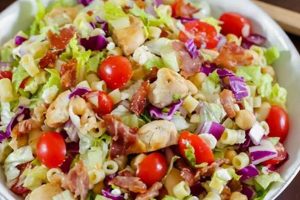
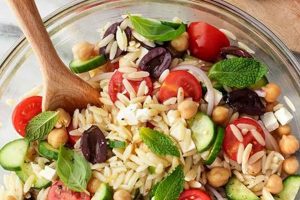
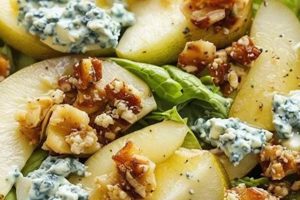
Dishes featuring this leafy, burgundy-colored chicory offer a unique, slightly bitter flavor profile. A preparation might involve grilling or roasting the vegetable to mellow its bitterness, then combining it with other ingredients like citrus fruits, nuts, cheeses, and a flavorful vinaigrette. For example, a simple preparation could involve pan-seared radicchio wedges dressed with olive oil, lemon juice, and Parmesan cheese.
The distinctively bitter taste of radicchio adds depth and complexity to salads, counterbalancing sweeter or richer elements. It is also a good source of vitamins and antioxidants. Used since Roman times, this versatile vegetable has long been appreciated for its culinary and potential health benefits. Its inclusion in modern cuisine speaks to its enduring appeal.
The following sections will explore the preparation, variations, and nutritional aspects of incorporating this unique ingredient into various culinary creations.
Tips for Radicchio Salad Preparation
Achieving optimal flavor and texture requires attention to key preparation techniques. The following tips offer guidance for creating successful dishes incorporating this distinctive ingredient.
Tip 1: Balance Bitterness: The inherent bitterness can be modulated through various techniques. Briefly grilling or sauting the leaves mellows the flavor. Combining radicchio with sweet or acidic ingredients, such as fruits or citrus vinaigrettes, also provides balance.
Tip 2: Proper Cleaning and Handling: Gentle washing and thorough drying prevent the leaves from becoming soggy. Torn or bruised leaves should be discarded.
Tip 3: Strategic Cutting Techniques: Slicing radicchio thinly minimizes bitterness and creates a pleasant texture. Larger pieces, such as wedges or halves, are suitable for grilling or roasting.
Tip 4: Complementary Ingredient Selection: Consider flavors that harmonize with radicchio’s bitterness. Good choices include nuts (walnuts, pecans), cheeses (goat cheese, blue cheese, Parmesan), and fruits (apples, pears, oranges).
Tip 5: Vinaigrette Considerations: A well-balanced vinaigrette enhances the overall flavor profile. A simple vinaigrette with olive oil, lemon juice, and Dijon mustard provides a classic complement.
Tip 6: Timing is Key: Dress the salad just before serving to prevent the leaves from wilting. This preserves texture and prevents the vinaigrette from overpowering the delicate flavors.
Tip 7: Explore Different Varieties: Experimenting with different varieties, such as Treviso or Chioggia, offers variations in flavor and texture.
By following these guidelines, one can create dishes that showcase the unique qualities of this versatile ingredient. Successful preparation highlights the appealing bitterness and pleasing texture, resulting in a satisfying culinary experience.
These insights offer a comprehensive foundation for incorporating this versatile ingredient into one’s culinary repertoire.
1. Fresh, Crisp Radicchio

The foundation of any successful preparation lies in the quality of the radicchio itself. Fresh, crisp leaves are essential for achieving optimal flavor and texture. This section explores the significance of this key ingredient.
- Visual Indicators of Freshness
Vibrant color and firm, unblemished leaves signify freshness. Avoid heads with wilted, bruised, or discolored leaves. The color should be deep and uniform, indicating proper handling and storage. Glossy leaves signify optimal hydration and crispness.
- Textural Considerations
Crisp leaves contribute to a pleasing textural experience. Limp or soggy leaves indicate age or improper storage. The leaves should maintain their structure and offer a satisfying crunch. This crispness contrasts well with other salad components, creating a multi-dimensional mouthfeel.
- Impact on Flavor
Fresh radicchio offers a balanced bitterness that complements other ingredients. Wilted or aged radicchio can develop an unpleasant, overly bitter taste. Peak freshness ensures the characteristic slightly bitter, peppery flavor that defines this unique chicory.
- Storage and Handling for Optimal Freshness
Proper storage maintains quality and extends shelf life. Refrigeration in a perforated plastic bag helps preserve crispness. Avoid storing radicchio near ethylene-producing fruits, such as apples and bananas, which can accelerate spoilage. Proper handling, including gentle washing and drying, prevents damage to the delicate leaves.
Selecting fresh, crisp radicchio ensures a successful culinary outcome. Attention to visual and textural cues, along with proper storage techniques, preserves the optimal flavor and texture essential for creating a satisfying dish.
2. Balanced Vinaigrette

A balanced vinaigrette is crucial for a successful radicchio salad recipe. The vinaigrette not only adds flavor but also balances the radicchio’s inherent bitterness, creating a harmonious flavor profile. Understanding the components and their interplay is essential for crafting a complementary dressing.
- Acidity
Acidity, typically from vinegar or citrus juice, cuts through the richness of the salad and balances the bitterness of the radicchio. Common choices include red wine vinegar, balsamic vinegar, lemon juice, and orange juice. The level of acidity should be sufficient to brighten the flavors without overpowering the other ingredients. For instance, a balsamic vinaigrette provides a subtle sweetness that complements the radicchio, while a lemon vinaigrette offers a sharper, more citrusy counterpoint.
- Sweetness
A touch of sweetness can further enhance the balance of flavors. A small amount of honey, maple syrup, or even a pinch of sugar can temper the bitterness and acidity. This sweetness should be subtle and not overwhelm the other flavors. For example, a honey-mustard vinaigrette offers a nuanced sweetness and tanginess that complements the earthiness of the radicchio.
- Oil
Oil provides richness and mouthfeel to the vinaigrette. Extra virgin olive oil is a classic choice, offering a fruity flavor that complements many ingredients. Other options include avocado oil, walnut oil, or grapeseed oil. The oil should be of good quality and complement the other flavors in the vinaigrette. The ratio of oil to acid influences the overall texture and flavor intensity of the dressing. A higher oil content creates a richer, more emulsified dressing.
- Seasoning and Aromatics
Salt and pepper are essential seasonings in any vinaigrette. Additional aromatics, such as minced garlic, shallots, or herbs, add depth and complexity. Dijon mustard is a common addition, providing a subtle tang and acting as an emulsifier. Fresh herbs like parsley, chives, or thyme can further enhance the flavor profile. These additions should complement the overall flavor profile and not clash with the radicchio’s bitterness.
The interplay of these components creates a vinaigrette that complements the radicchio, enhancing its unique flavor and texture. A well-balanced vinaigrette elevates the salad from a simple combination of ingredients to a complex and satisfying dish. The careful consideration of acidity, sweetness, oil, and seasonings ultimately determines the success of the final creation.
3. Complementary Ingredients

Complementary ingredients are essential for a successful radicchio salad recipe. They interact with the radicchio’s distinct bitterness, creating a balanced and nuanced flavor profile. Careful selection of these ingredients elevates the salad beyond a simple combination of components, transforming it into a complex and satisfying dish. The interplay of textures and flavors contributes significantly to the overall culinary experience.
Several categories of complementary ingredients work particularly well with radicchio. These pairings offer contrasting flavors and textures that enhance the radicchio’s unique qualities. For example, the richness of nuts, such as walnuts or pecans, provides a counterpoint to the radicchio’s bitterness. The creaminess of cheeses, like goat cheese, blue cheese, or Parmesan, adds another layer of flavor and texture, further balancing the bitterness. Sweet and acidic fruits, such as apples, pears, or oranges, offer a refreshing contrast and cut through the richness of other ingredients. These combinations demonstrate the importance of considering flavor and texture when selecting complementary ingredients.
Understanding the interplay between these complementary ingredients and radicchio is crucial for creating a well-balanced salad. The bitterness of the radicchio should not be masked but rather complemented and enhanced. The goal is to create a harmonious flavor profile where each ingredient contributes to the overall taste and texture. The practical significance of this understanding lies in the ability to create radicchio salad recipes that are not only flavorful but also offer a complex and satisfying sensory experience. Consideration of complementary ingredients transforms the salad from a simple dish into a culinary creation.
4. Proper Preparation Technique

Proper preparation technique is essential for maximizing the culinary potential of radicchio in salad recipes. Technique influences not only the final taste but also the texture and overall presentation. Careful handling preserves the structural integrity of the leaves, preventing bruising and minimizing bitterness. For instance, tearing leaves instead of slicing them can result in a less pleasant texture and may increase the perception of bitterness. Washing and drying the radicchio thoroughly prevents a soggy salad and ensures the vinaigrette adheres properly. Neglecting this step can lead to a diluted dressing and a less appealing final product.
The way radicchio is cut significantly affects its flavor and how it integrates with other salad components. Thinly slicing radicchio creates a delicate texture and reduces the intensity of its bitterness, making it more palatable for those sensitive to strong flavors. Conversely, grilling or roasting larger pieces, such as wedges or halves, mellows the bitterness and adds a smoky char, creating a different flavor profile. Understanding these nuances allows for tailored preparation according to desired outcomes. A coarsely chopped radicchio salad might pair well with robust ingredients like grilled steak, while a finely sliced version complements lighter elements such as citrus segments or delicate cheeses. These choices demonstrate the practical significance of appropriate preparation technique in achieving specific culinary goals.
Mastery of preparation techniques directly correlates with the quality of the final radicchio salad. Precise cutting, thorough washing, and thoughtful handling enhance both the aesthetic appeal and the overall dining experience. These seemingly small details contribute significantly to achieving a balanced and enjoyable salad, showcasing the unique characteristics of this versatile ingredient. Neglecting proper technique can detract from the potential of even the freshest, highest-quality radicchio. Therefore, attention to detail in preparation is crucial for realizing the full culinary potential of radicchio in salad recipes.
5. Flavorful Combinations
Flavorful combinations are the cornerstone of successful radicchio salad recipes. The inherent bitterness of radicchio necessitates careful pairing with other ingredients to create a balanced and enjoyable culinary experience. Understanding these flavor dynamics allows for the creation of salads that highlight radicchio’s unique qualities while mitigating its potentially overpowering bitterness.
- Balancing Bitterness with Sweetness and Acidity
The interplay of bitter, sweet, and acidic flavors is crucial. Sweet ingredients, such as dried cranberries, roasted beets, or caramelized onions, temper the radicchio’s bitterness. Acidity, from citrus fruits or vinegar-based dressings, provides a refreshing contrast and further balances the flavor profile. This balance prevents the bitterness from dominating the palate, allowing the other flavors to shine through. For instance, a salad with radicchio, orange segments, and candied walnuts demonstrates this principle effectively.
- Textural Contrasts
Textural variety enhances the sensory experience. The slight crunch of radicchio benefits from the inclusion of contrasting textures. Toasted nuts, such as walnuts or pecans, provide a satisfying crunch, while creamy cheeses, like goat cheese or gorgonzola, offer a smooth counterpoint. These contrasting textures create a more dynamic and enjoyable mouthfeel. A salad with radicchio, crumbled goat cheese, and toasted pine nuts exemplifies this textural interplay.
- The Role of Umami
Incorporating umami-rich ingredients adds depth and complexity. Ingredients like Parmesan cheese, anchovies, or mushrooms contribute savory notes that complement the radicchio’s bitterness. This umami element adds a layer of richness and rounds out the flavor profile, preventing the salad from tasting one-dimensional. A radicchio salad with shaved Parmesan and pan-seared mushrooms illustrates the effective use of umami.
- Seasonality and Ingredient Selection
Utilizing seasonal ingredients enhances the overall flavor profile. Seasonal produce offers peak flavor and complements the radicchio’s inherent qualities. For example, a spring salad might feature radicchio, fresh strawberries, and a light vinaigrette, while a fall salad could incorporate radicchio, roasted butternut squash, and pecans. This approach ensures the freshest flavors and allows for creative combinations throughout the year.
Careful consideration of these flavor combinations elevates radicchio from a supporting ingredient to a star component in a diverse array of salads. The strategic interplay of bitterness, sweetness, acidity, texture, and umami allows for the creation of complex and nuanced flavor profiles. By understanding these principles, one can craft radicchio salad recipes that are both balanced and exciting, showcasing the versatility and unique characteristics of this distinctive ingredient.
6. Appealing Presentation

Appealing presentation elevates a radicchio salad recipe from a simple dish to a visually engaging culinary creation. Visual appeal significantly influences the overall dining experience, stimulating appetite and enhancing enjoyment. The arrangement of ingredients, the choice of servingware, and the use of garnishes contribute to an aesthetically pleasing presentation. For instance, a composed salad with artfully arranged radicchio wedges, segments of orange, and crumbled goat cheese offers a more appealing visual experience than a haphazardly tossed salad. This visual appeal enhances the perceived value of the dish and contributes to a more satisfying dining experience.
The practical implications of appealing presentation extend beyond mere aesthetics. Thoughtful plating showcases the quality and freshness of the ingredients, highlighting the vibrant colors and textures. A well-presented salad entices the diner, creating anticipation and enhancing the perceived flavors. For example, using a contrasting white plate to showcase the deep red hues of radicchio and the bright green of fresh herbs amplifies their visual impact. Garnishes, such as toasted nuts or a sprinkle of microgreens, add a final touch of elegance and further elevate the presentation. These details demonstrate care and attention to detail, enhancing the overall impression of the dish.
While flavor remains paramount, presentation plays a crucial role in the overall success of a radicchio salad recipe. A visually appealing salad not only enhances enjoyment but also communicates the care and skill involved in its creation. Achieving an appealing presentation requires attention to detail and a thoughtful approach to plating. By considering the arrangement of ingredients, the choice of servingware, and the use of garnishes, one can transform a simple radicchio salad into a visually stunning and memorable culinary experience. This attention to visual detail elevates the dish and contributes to a more complete and satisfying dining experience.
Frequently Asked Questions
This section addresses common inquiries regarding the preparation and enjoyment of radicchio salads, offering practical guidance and clarifying potential misconceptions.
Question 1: How can the bitterness of radicchio be mitigated in salads?
Several techniques can modulate radicchio’s bitterness. Grilling or roasting the leaves mellows the flavor. Pairing radicchio with sweet or acidic ingredients, such as fruits or citrus vinaigrettes, creates balance. Soaking the leaves in cold water for a short period can also reduce bitterness, though it may slightly compromise texture.
Question 2: What are the best complementary ingredients for radicchio salads?
Ingredients that provide contrasting flavors and textures complement radicchio well. These include creamy cheeses (goat cheese, blue cheese), toasted nuts (walnuts, pecans), sweet fruits (apples, pears, oranges), and savory elements like pancetta or roasted vegetables. The specific choices depend on the desired flavor profile.
Question 3: What type of vinaigrette works best with radicchio?
Vinaigrettes with a balance of acidity and sweetness complement radicchio. A simple vinaigrette with olive oil, lemon juice, and a touch of honey or maple syrup often works well. Other options include balsamic vinaigrette or a citrus vinaigrette with orange or grapefruit juice.
Question 4: Can radicchio be cooked before adding it to a salad?
Grilling or roasting radicchio prior to adding it to a salad mellows the bitterness and imparts a smoky flavor. This technique adds depth and complexity to the salad. The cooking time should be brief to avoid overcooking and maintain some texture.
Question 5: How should radicchio be stored to maintain freshness?
Radicchio should be stored in a perforated plastic bag in the refrigerator. This helps maintain crispness and prevents wilting. Avoid storing it near ethylene-producing fruits like apples and bananas, which can accelerate spoilage.
Question 6: Are there different varieties of radicchio, and how do they differ?
Several varieties of radicchio exist, each with unique characteristics. Common varieties include Chioggia, Treviso, and Castelfranco. Chioggia is the most common, with a round shape and deep red leaves. Treviso has elongated, slightly less bitter leaves. Castelfranco has variegated red and green leaves and a milder flavor.
Understanding these aspects contributes to a more informed and enjoyable experience when preparing and consuming radicchio salads. Proper handling, ingredient selection, and preparation techniques enhance the unique qualities of this versatile ingredient.
This concludes the frequently asked questions section. Further exploration of radicchio’s culinary applications can be found in subsequent sections.
Conclusion
Exploration of preparations incorporating radicchio reveals the importance of balancing its inherent bitterness with complementary ingredients and techniques. Careful selection of acidic, sweet, and savory components, along with appropriate cutting and cooking methods, allows this distinctive chicory to shine in a variety of culinary applications. Freshness, proper handling, and thoughtful presentation further enhance the final product, transforming a simple salad into a complex and satisfying dish. Understanding these elements allows one to fully appreciate the versatility and unique flavor profile radicchio offers.
Culinary exploration of radicchio and its potential within salads encourages continued experimentation and appreciation for its distinctive characteristics. The inherent bitterness presents a unique culinary challenge, prompting creativity in balancing flavors and textures. Further investigation of regional variations and innovative pairings promises to expand the culinary landscape and elevate the appreciation for this versatile ingredient. Radicchio’s distinct qualities offer a compelling invitation to explore its potential and discover new dimensions of flavor within the culinary arts.