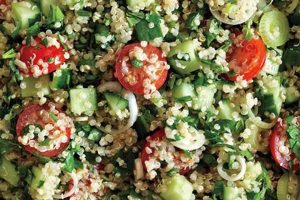
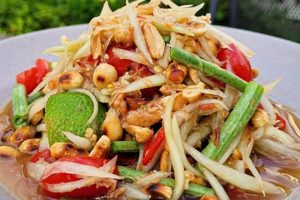
A foundational dish, typically comprised of cooked quinoa, chopped vegetables, herbs, and a simple vinaigrette, offers a versatile and nutritious meal option. A common example includes cucumber, tomatoes, red onion, parsley, and a lemon-herb dressing. Variations can incorporate different vegetables, proteins like chickpeas or grilled chicken, and diverse flavor profiles from Asian-inspired sesame ginger to Mediterranean influences.
This culinary staple provides a complete protein source, rich in fiber and essential minerals. Its adaptable nature makes it suitable for various dietary needs, including vegetarian, vegan, and gluten-free diets. Historically, quinoa played a crucial role in Andean cultures, prized for its nutritional value and resilience in harsh climates. Its recent global popularity reflects a growing awareness of healthy eating and sustainable food choices.
The following sections will delve into specific ingredient selections, preparation techniques, and creative variations to enhance and personalize this adaptable dish, offering guidance for both novice cooks and experienced culinary enthusiasts.
Tips for a Perfect Quinoa Salad
Creating a flavorful and satisfying dish requires attention to detail and an understanding of key techniques. The following tips offer guidance for optimizing both preparation and flavor profiles.
Tip 1: Rinse the quinoa thoroughly. Rinsing removes the naturally occurring bitter coating (saponins) found on quinoa, resulting in a cleaner, more palatable flavor.
Tip 2: Toast the quinoa before cooking. Toasting enhances the nutty flavor of quinoa. Place dry quinoa in a saucepan over medium heat and toast for a few minutes until fragrant, stirring constantly.
Tip 3: Cook quinoa according to package directions. Precise cooking ensures optimal texturelight, fluffy, and not mushy.
Tip 4: Cool the quinoa completely before mixing. Adding dressing to warm quinoa can result in a soggy salad. Spread cooked quinoa on a baking sheet to cool quickly.
Tip 5: Choose a variety of colorful vegetables. Incorporating different textures and colors enhances visual appeal and provides a wider range of nutrients. Consider bell peppers, carrots, zucchini, or corn.
Tip 6: Add fresh herbs for brightness. Herbs like parsley, cilantro, mint, or dill add a fresh element that elevates the overall flavor profile.
Tip 7: Experiment with different dressings. A simple vinaigrette is classic, but consider exploring other options like tahini dressing, pesto, or a citrus-based vinaigrette.
Tip 8: Don’t overdress the salad. Start with a small amount of dressing and add more as needed. Overdressing can make the salad heavy and soggy.
By following these guidelines, one can consistently achieve a well-balanced, flavorful, and nutritious dish.
The following section provides a selection of recipe variations to further inspire culinary creativity and customization.
1. Quinoa

Quinoa serves as the foundational ingredient, providing nutritional value and a neutral base upon which other components build flavor and texture. Understanding its characteristics is crucial for creating a successful and satisfying culinary experience.
- Nutritional Profile
Quinoa is a complete protein, containing all nine essential amino acids. It is also a good source of fiber, iron, and magnesium. This nutritional richness contributes to the overall health benefits and satiety of the dish. In a basic quinoa salad recipe, quinoa provides a substantial and nutritious base.
- Culinary Versatility
Quinoa’s mild, slightly nutty flavor allows it to readily absorb the flavors of dressings and other ingredients, making it remarkably versatile. This adaptability makes it suitable for a wide range of flavor profiles, from light and refreshing to hearty and savory. This adaptability is essential for creating diverse variations.
- Textural Contribution
Cooked quinoa has a light and fluffy texture with a slight chewiness. This textural element adds a pleasant mouthfeel to the salad, contrasting with the crispness of vegetables and the smoothness of dressings. The texture of quinoa provides a satisfying counterpoint to other ingredients.
- Preparation Methods
While typically cooked in water or broth, quinoa can also be prepared by other methods such as toasting or sprouting, each imparting subtle nuances to its flavor and texture. Understanding these methods allows for greater control over the final product.
The properties of quinoa its nutritional value, culinary versatility, textural contribution, and varied preparation methods collectively contribute to its suitability as the core ingredient. A deep understanding of these facets allows for a more informed approach to recipe development and customization, leading to a more satisfying and nutritious final product.
2. Vegetables
Vegetables play a crucial role in a basic quinoa salad recipe, contributing significantly to nutritional value, textural diversity, and visual appeal. Their inclusion offers both essential nutrients and an opportunity for creative flavor combinations. The selection and preparation of vegetables directly influence the overall sensory experience and health benefits of the dish. For instance, incorporating crunchy vegetables like cucumbers and bell peppers provides a refreshing contrast to the soft texture of cooked quinoa, while the addition of roasted vegetables like sweet potatoes or Brussels sprouts introduces depth of flavor and a caramelized sweetness. This interplay of textures and flavors elevates the dish beyond a simple grain salad.
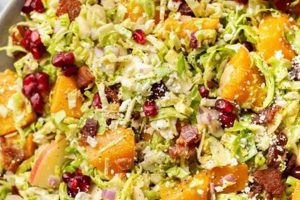
Specific vegetable choices can also tailor the salad to different dietary needs and preferences. Leafy greens like spinach or kale boost the vitamin and mineral content, while incorporating cruciferous vegetables such as broccoli or cauliflower adds further nutritional value and textural complexity. The versatility of a basic quinoa salad recipe allows for seasonal adaptations, utilizing readily available produce for optimal freshness and flavor. A summer variation might feature ripe tomatoes, zucchini, and corn, whereas a fall version could showcase roasted butternut squash, Brussels sprouts, and cranberries. This adaptability ensures year-round enjoyment and nutritional variety.
Understanding the importance of vegetable selection and preparation techniques enhances the potential of a basic quinoa salad recipe. Careful consideration of color, texture, and flavor profiles allows for the creation of a balanced and satisfying meal. Challenges may include maintaining the optimal texture of vegetables during storage and preventing oxidation or discoloration. Addressing these challenges, perhaps by prepping vegetables close to serving time or employing appropriate storage techniques, contributes to a more enjoyable and visually appealing final product. The thoughtful incorporation of vegetables transforms this dish from a simple staple into a culinary canvas for creativity and nutritional exploration.
3. Herbs

Herbs constitute an essential element in a basic quinoa salad recipe, contributing significantly to the overall flavor profile, aroma, and visual appeal. Their inclusion elevates the dish from simple sustenance to a more complex and satisfying culinary experience. The aromatic oils present in fresh herbs impart distinct flavors, ranging from the bright, citrusy notes of cilantro and dill to the more earthy, peppery tones of parsley and oregano. These flavors interact with the relatively neutral base of quinoa and the other ingredients, creating a balanced and nuanced taste experience. For instance, the herbaceousness of mint can complement a Mediterranean-inspired salad with cucumbers, tomatoes, and feta, while the pungent aroma of cilantro enhances a Southwestern variation with corn, black beans, and a lime-cumin dressing. This interplay of flavors highlights the critical role herbs play in defining the character of the salad.
Beyond flavor enhancement, herbs offer nutritional benefits, contributing vitamins and antioxidants to the dish. Parsley, for example, is a good source of vitamins K and C, while dill provides vitamin A and folate. Incorporating a variety of herbs not only diversifies the flavor profile but also increases the nutritional value of the salad. Furthermore, the visual appeal of fresh herbs enhances the overall presentation. Their vibrant green hues provide a striking contrast against the backdrop of quinoa and other colorful vegetables, making the salad more visually enticing. This attention to visual detail further elevates the dining experience.
Understanding the multifaceted role of herbstheir impact on flavor, nutritional contribution, and visual enhancementis crucial for maximizing the potential of a basic quinoa salad recipe. Selecting appropriate herbs based on desired flavor profiles and complementary ingredients ensures a harmonious and balanced final product. A key challenge lies in maintaining the freshness and vibrancy of herbs, as they can wilt or lose their flavor quickly. Proper storage techniques, such as wrapping herbs in damp paper towels and refrigerating them, can help preserve their quality. This attention to detail ensures that the herbs contribute their full potential to the dish, creating a truly satisfying and flavorful culinary experience.
4. Dressing

Dressing constitutes a critical component of a basic quinoa salad recipe, serving as the unifying element that binds the individual ingredients and imparts a cohesive flavor profile. It transforms a collection of disparate elementscooked quinoa, vegetables, herbs, and optional additionsinto a harmonious and flavorful whole. The dressing’s role extends beyond simply adding moisture; it provides the essential bridge that connects the diverse flavors and textures, creating a balanced and satisfying culinary experience. A well-chosen dressing enhances the natural flavors of the ingredients, adding depth and complexity without overpowering the delicate balance of the salad. For instance, a light and tangy vinaigrette complements the earthy notes of quinoa and the freshness of vegetables, while a creamy tahini-based dressing adds richness and nuttiness to a more robust salad incorporating roasted vegetables or chickpeas.
The choice of dressing directly influences the overall character of the salad. A lemon-herb vinaigrette lends a bright and refreshing quality, ideal for summer salads featuring seasonal produce. Conversely, a richer, more assertive dressing, such as a maple-mustard vinaigrette, might complement a fall salad with roasted root vegetables and dried cranberries. Understanding the interplay between dressing and other ingredients allows for strategic flavor pairings that enhance the overall sensory experience. Furthermore, the dressing contributes to the textural dimension of the salad. A vinaigrette adds a light coating and a subtle sheen, while a creamy dressing provides a more substantial coating and a richer mouthfeel. This textural variation further contributes to the complexity and enjoyment of the dish.
Mastering the art of dressing selection and preparation is essential for creating a successful basic quinoa salad recipe. Factors such as acidity, sweetness, and the presence of herbs, spices, or other flavoring agents contribute to the overall balance and complexity of the dressing. Challenges include achieving the desired emulsion stability in vinaigrette-based dressings and preventing the dressing from overpowering the other ingredients. Addressing these challenges through careful ingredient selection and preparation techniques ensures that the dressing complements rather than dominates the salad, resulting in a well-balanced and harmonious dish. The dressing, therefore, acts as the conductor of the culinary orchestra, harmonizing the individual flavors and textures into a cohesive and delightful symphony of taste.
5. Optional additions
Optional additions represent a crucial element within the basic quinoa salad recipe framework, offering opportunities to personalize flavor profiles, introduce textural variety, and enhance nutritional value. These additions, while not essential to the core structure of the dish, provide a pathway to customization and elevate the salad from a simple staple to a more complex and satisfying culinary creation. The strategic incorporation of optional additions allows for endless variation and caters to individual preferences, dietary needs, and seasonal ingredient availability. For instance, toasted nuts and seeds contribute healthy fats, protein, and a satisfying crunch, while dried fruits introduce sweetness and chewiness. Adding crumbled cheese, such as feta or goat cheese, imparts a creamy texture and a tangy flavor dimension. These additions not only diversify the sensory experience but also increase the nutritional density of the salad.
The impact of optional additions extends beyond mere flavor and texture enhancement. They offer a practical means of utilizing leftover ingredients, minimizing food waste and promoting culinary resourcefulness. Roasted vegetables from a previous meal can be incorporated to add depth of flavor and a hearty element, while leftover cooked chicken or fish provides a protein boost and transforms the salad into a more substantial meal. This adaptability makes the basic quinoa salad recipe a versatile platform for creative culinary expression and sustainable food practices. Consider the addition of chickpeas or lentils for a plant-based protein source, or avocado for healthy fats and a creamy texture. These choices not only contribute to nutritional balance but also cater to specific dietary preferences, such as vegan or vegetarian diets.
Understanding the role and potential of optional additions within the basic quinoa salad recipe framework unlocks a realm of culinary possibilities. It allows for a dynamic approach to meal preparation, empowering individuals to tailor the dish to specific needs and preferences. The key challenge lies in maintaining balance and avoiding overwhelming the core flavors of the salad. A thoughtful approach to ingredient selection and portion control ensures that optional additions enhance rather than detract from the overall composition. By embracing the versatility offered by optional additions, the basic quinoa salad recipe transcends its fundamental structure and becomes a canvas for culinary creativity and personalized nutrition.
Frequently Asked Questions
This section addresses common inquiries regarding the preparation and versatility of foundational quinoa salads.
Question 1: How can bitterness in quinoa be avoided?
Rinsing quinoa thoroughly under cold water before cooking removes saponins, the naturally occurring compounds responsible for potential bitterness.
Question 2: What is the optimal cooking method for quinoa?
Combining quinoa with liquid (typically water or broth) in a 2:1 ratio, bringing to a boil, then reducing heat and simmering covered for 15-20 minutes, or until the liquid is absorbed and the quinoa is cooked through, yields optimal results. Fluffing with a fork after cooking enhances texture.
Question 3: Can quinoa salads be prepared in advance?
Quinoa salads can be prepared a day or two in advance. It is recommended to store the cooked quinoa and other components separately and combine them just before serving to maintain optimal texture and prevent the salad from becoming soggy. Dressing should be added immediately prior to serving.
Question 4: What are suitable protein additions for a more substantial meal?
Grilled chicken, fish, chickpeas, lentils, tofu, or hard-boiled eggs can be added to enhance protein content and create a more complete meal.
Question 5: How can flavor profiles be diversified?
Incorporating various herbs, spices, and dressings offers significant flavor variations. Examples include a lemon-herb vinaigrette for a Mediterranean profile, a lime-cumin dressing for a Southwestern flair, or a sesame-ginger dressing for an Asian-inspired taste.
Question 6: How should leftover quinoa salad be stored?
Refrigerate leftover quinoa salad in an airtight container for up to three days.
Understanding these key aspects of preparation and customization empowers individuals to create nutritious and flavorful quinoa salads tailored to individual preferences.
The following section explores a collection of diverse recipe variations to further inspire culinary creativity.
Conclusion
A basic quinoa salad recipe provides a versatile and nutritious foundation for culinary exploration. Its adaptability allows for a wide range of flavor profiles and ingredient combinations, accommodating diverse dietary needs and preferences. From the foundational elements of quinoa, vegetables, herbs, and dressing to the nuanced incorporation of optional additions, each component contributes to the overall sensory experience and nutritional value. Understanding the interplay of these elements empowers culinary creativity and ensures a consistently satisfying and healthful meal.
The simplicity of this foundational recipe belies its potential for customization and innovation. Continued exploration of flavor combinations, textural variations, and cultural influences promises an evolving culinary landscape, enriching dietary experiences and promoting a deeper appreciation for the versatility of this adaptable grain. This exploration encourages a shift from perceiving a basic quinoa salad recipe as merely a simple dish to recognizing it as a dynamic platform for culinary expression and nutritional well-being.