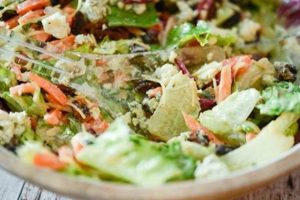
Crisp, flavorful, and adaptable, ramen noodle salads utilize dried ramen noodles as a base, discarding the flavor packets in favor of unique dressings and a medley of fresh vegetables, proteins, and crunchy toppings. For instance, a common variation includes shredded carrots, cabbage, edamame, and sliced almonds, tossed in a vibrant sesame-ginger vinaigrette.
These salads offer a budget-friendly and convenient meal option, perfect for quick lunches, potlucks, or light dinners. Their versatility allows for endless customization, catering to various dietary preferences and seasonal ingredients. From its origins as a simple, dorm-room staple, this dish has evolved into a culinary canvas, showcasing diverse flavor profiles and textures.
The following sections will delve into specific ingredient combinations, dressing variations, and tips for achieving the perfect balance of flavors and textures in these versatile salads.
Tips for Exceptional Ramen Noodle Salads
Achieving a perfect ramen noodle salad involves attention to detail and a balance of flavors and textures. These tips offer guidance for creating a delightful culinary experience.
Tip 1: Proper Noodle Preparation: While the flavor packets are typically discarded, the noodles require proper cooking. Cook them al dente, slightly firm to the bite, to prevent a mushy texture in the salad. Rinse thoroughly under cold water to stop the cooking process and enhance their crispness.
Tip 2: Creative Dressing Choices: The dressing is crucial for flavor. Explore vibrant options like sesame-ginger, peanut, or a light citrus vinaigrette. Consider adding a touch of sweetness or spice to complement other ingredients.
Tip 3: Embrace Fresh Vegetables: Incorporate a variety of colorful and textured vegetables. Shredded carrots, cabbage, bell peppers, snap peas, and edamame provide both nutritional value and visual appeal.
Tip 4: Protein Power: Elevate the salad with protein additions. Grilled chicken, shrimp, or tofu contribute substance and create a more complete meal.
Tip 5: Crunchy Element Enhancement: Toasted sesame seeds, slivered almonds, chopped peanuts, or crispy wonton strips add a satisfying crunch.
Tip 6: Mindful Ingredient Combination: Consider flavor pairings when selecting ingredients. For instance, a peanut dressing harmonizes well with shredded carrots and chopped cilantro.
Tip 7: Don’t Overcrowd the Bowl: Avoid adding too many ingredients, which can lead to a muddled flavor profile. Select a balanced assortment that complements each other.
By following these guidelines, one can create ramen noodle salads that are not only visually appealing but also offer a harmonious blend of flavors and textures, resulting in a satisfying and refreshing meal.
The provided insights serve as a foundation for crafting exceptional ramen salads. Experimentation with various ingredients and dressings allows for personalized culinary creations.
1. Flavorful Dressings

Flavorful dressings are essential for elevating ramen salad recipes beyond basic noodle dishes. The inherent blandness of ramen noodles necessitates a dressing that not only coats the noodles effectively but also delivers a complex flavor profile, balancing savory, sweet, sour, and spicy elements. A well-crafted dressing transforms the texture and taste, creating a cohesive and enjoyable culinary experience. For example, a vibrant sesame-ginger dressing, with its nutty and tangy notes, complements the subtle flavor of the noodles while adding a refreshing zest. Similarly, a creamy peanut dressing introduces richness and depth, contrasting with the crisp vegetables often included in these salads.
The role of a flavorful dressing extends beyond mere taste enhancement. It acts as a unifying element, binding the various ingredients vegetables, proteins, and toppings into a harmonious whole. The dressing’s viscosity also contributes to the overall texture, ensuring the noodles and other components are evenly coated, preventing a dry or disjointed salad. Furthermore, the dressing can introduce a textural element of its own, such as the toasted sesame seeds in a sesame-ginger dressing or the crushed peanuts in a peanut sauce. This layered approach to flavor and texture distinguishes a truly exceptional ramen salad from a mediocre one.
In conclusion, the significance of flavorful dressings in ramen salad recipes cannot be overstated. They provide the foundation upon which a successful dish is built, transforming simple ingredients into a cohesive and satisfying meal. Careful consideration of flavor profiles, textures, and ingredient pairings allows for the creation of unique and memorable ramen salads.
2. Crunchy Textures
Crunchy textures play a vital role in elevating ramen salad recipes from simple to exceptional. The contrast between the soft noodles and crisp elements adds a delightful dimension, enhancing the overall sensory experience. This textural interplay prevents the salad from feeling monotonous and contributes to a more satisfying meal.
- Nuts and Seeds:
Toasted sesame seeds, slivered almonds, chopped peanuts, or cashews introduce a nutty flavor and a satisfying crunch. Their inherent oils also contribute richness to the salad. The variety available allows for customization based on personal preference and complements the chosen dressing.
- Raw Vegetables:
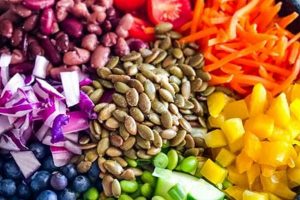
Shredded carrots, chopped celery, sliced bell peppers, or shredded cabbage provide a refreshing crispness and contribute vibrant color. Their water content adds juiciness, balancing the richness of the dressing and other components. The selection of vegetables influences the overall flavor profile and nutritional value.
- Crispy Noodles/Wontons:
Adding crispy chow mein noodles or crushed wonton strips amplifies the textural contrast. These elements introduce a light and airy crunch, distinct from the chewiness of the ramen noodles. Their subtle flavor readily absorbs the dressing, further enhancing the overall taste.
- Edamame:
Blanched or roasted edamame pods offer a unique vegetal crunch and protein boost. Their slightly sweet and nutty flavor complements various dressings and adds nutritional value. The firm yet yielding texture provides an interesting counterpoint to other ingredients.
The strategic incorporation of these crunchy elements elevates ramen salad recipes, transforming them into texturally dynamic and flavorful dishes. The interplay between soft noodles and crisp additions ensures a more engaging and satisfying culinary experience. The specific crunchy elements chosen contribute not only to texture but also to the overall flavor profile and nutritional balance of the salad.
3. Fresh Vegetables
Fresh vegetables are essential components of top ramen salad recipes, contributing not only nutritional value but also vibrant colors, diverse textures, and refreshing flavors that balance the richness of the noodles and dressing. Their inclusion elevates the dish from a simple noodle base to a complex and satisfying meal. The selection and preparation of these vegetables significantly influence the overall appeal and nutritional balance of the salad.
- Cruciferous Vegetables
Crunchy vegetables like shredded cabbage, broccoli florets, and thinly sliced Brussels sprouts offer a slightly bitter counterpoint to other flavors and contribute significant dietary fiber. These vegetables hold their texture well, preventing the salad from becoming soggy, and their robust flavors complement richer dressings.
- Root Vegetables
Julienned carrots, shredded beets, or diced radishes add sweetness and earthiness. These vegetables offer a range of textures and colors, enhancing visual appeal. Their dense nature provides a satisfying chewiness that contrasts with the softer noodles.
- Leafy Greens
Baby spinach, shredded romaine lettuce, or chopped bok choy introduce a refreshing element and a boost of vitamins. Their delicate textures contrast with crunchier vegetables, and their mild flavors blend harmoniously with various dressings. They contribute to a lighter, more balanced salad.
- Other Vegetables
Sliced bell peppers, chopped cucumbers, snap peas, or edamame provide additional textural and flavor dimensions. These versatile vegetables offer a range of colors, sweetness, and crunch, adding complexity to the salad. Their varying water content contributes to a refreshing and hydrating element.
The strategic combination of these fresh vegetable categories ensures a well-rounded and flavorful ramen salad experience. The variety of textures, colors, and nutrients elevates the dish beyond a simple carbohydrate base, creating a balanced and satisfying meal. The choice of vegetables can be tailored to personal preferences and seasonal availability, allowing for endless customization and culinary exploration.
4. Protein Choices
Protein choices significantly impact the nutritional value and overall satisfaction derived from ramen salad recipes. Incorporating protein transforms the dish from a light snack into a complete and balanced meal, contributing satiety and essential nutrients. The selection of protein should complement the other ingredients and enhance the overall flavor profile of the salad.
- Poultry
Grilled or shredded chicken, duck, or turkey provide lean protein options that pair well with various dressings and vegetables. Their relatively neutral flavor allows them to absorb the flavors of the dressing, while their texture adds substance to the salad. For instance, grilled chicken breast with a sesame-ginger dressing and shredded carrots creates a balanced and flavorful combination.
- Seafood
Shrimp, flaked fish, or imitation crab meat offer lighter protein alternatives with distinct flavor profiles. Their delicate textures contrast with the crunch of vegetables and the chewiness of noodles. Shrimp, for example, complements a citrus-based dressing and adds a refreshing element to the salad. Sustainable seafood choices are recommended.
- Tofu/Tempeh
Cubed or crumbled tofu and tempeh offer plant-based protein options suitable for vegetarian or vegan diets. Their versatility allows them to absorb flavors readily, making them adaptable to various dressings and ingredient combinations. Marinated and pan-fried tofu, for instance, provides a savory and satisfying element in a ramen salad with a peanut dressing.
- Other Protein Sources
Hard-boiled eggs, chickpeas, or edamame offer alternative protein sources with distinct textures and flavor profiles. These options contribute additional nutrients and textural diversity to the salad. Edamame, for example, adds a pleasant vegetal crunch and pairs well with Asian-inspired dressings.
Strategic protein selection enhances the nutritional profile and overall enjoyment of ramen salads. The chosen protein should complement the other ingredients, contributing flavor, texture, and satiety. Considering individual dietary preferences and flavor affinities allows for the creation of customized and satisfying ramen salad meals.
5. Creative Ingredient Pairings

Creative ingredient pairings distinguish exceptional ramen salads from ordinary noodle dishes. Thoughtful combinations elevate the sensory experience, transforming simple components into a cohesive and flavorful whole. The interplay of flavors, textures, and colors creates a symphony of tastes that elevates the humble ramen noodle to new culinary heights. Exploring diverse ingredient combinations is crucial for crafting truly innovative and satisfying ramen salad recipes.
- Balancing Sweet and Savory
The juxtaposition of sweet and savory elements creates a dynamic flavor profile. Mandarin orange segments paired with a soy-ginger dressing and shredded chicken, for instance, offers a refreshing contrast. The sweetness of the oranges complements the savory notes of the soy and ginger, while the chicken provides a neutral base that absorbs these flavors. This balance prevents the salad from being overly sweet or savory, creating a more complex and enjoyable taste experience.
- Highlighting Contrasting Textures
Textural diversity enhances the eating experience. Combining crunchy vegetables like shredded carrots and chopped peanuts with soft ramen noodles and tender grilled shrimp creates a multi-dimensional mouthfeel. The interplay of crispness, chewiness, and tenderness prevents the salad from feeling monotonous, adding interest and complexity to each bite. This contrast also highlights the individual characteristics of each ingredient, creating a more dynamic sensory experience.
- Embracing Global Flavor Profiles
Incorporating ingredients from different culinary traditions expands the flavor possibilities. A Thai-inspired ramen salad might feature shredded coconut, chopped cilantro, peanuts, and a lime-peanut dressing. This combination introduces aromatic herbs, creamy coconut, nutty peanuts, and zesty lime, creating a layered flavor profile reminiscent of authentic Thai cuisine. This approach allows for creative exploration and adaptation of global flavors, transforming the familiar ramen noodle into a vehicle for diverse culinary experiences.
- Considering Seasonal Ingredients
Utilizing seasonal produce maximizes freshness and flavor. A summer ramen salad might incorporate juicy watermelon cubes, crumbled feta cheese, and fresh mint, creating a light and refreshing dish. The sweetness of the watermelon complements the salty feta, while the mint adds a cooling herbal note. This approach not only enhances the flavor but also celebrates the natural bounty of each season, resulting in a more vibrant and flavorful salad.
These creative ingredient pairings unlock the full potential of ramen salad recipes, transforming them from simple meals into culinary explorations. By understanding the interplay of flavors, textures, and colors, one can craft innovative and satisfying salads that showcase the versatility of the humble ramen noodle. Experimentation with diverse ingredients and flavor profiles encourages culinary creativity and allows for personalized and memorable dining experiences.
Frequently Asked Questions
This section addresses common inquiries regarding ramen salad recipes, offering clarity and practical guidance for achieving optimal results.
Question 1: How can one prevent ramen noodles from becoming soggy in a salad?
Rinsing cooked noodles thoroughly under cold water halts the cooking process and removes excess starch, promoting a firmer texture. Ensuring the noodles are completely dry before adding the dressing also helps prevent sogginess. Adding the dressing just before serving further minimizes the time the noodles are exposed to moisture.
Question 2: What are suitable dressing alternatives to the included flavor packets?
The flavor packets are typically discarded due to high sodium content. Viable alternatives include homemade or store-bought dressings like sesame-ginger, peanut, or citrus vinaigrette. These options offer more nuanced flavor profiles and greater control over sodium intake. Olive oil and vinegar combinations also provide a light and refreshing alternative.
Question 3: Can ramen salads be prepared in advance?
While the components can be prepared separately in advancevegetables chopped, proteins cooked, and dressing madeit’s recommended to combine them just before serving. This prevents the noodles from becoming soggy and the vegetables from losing their crispness. Storing components separately maximizes freshness and texture.
Question 4: How can ramen salad recipes be adapted for different dietary needs?
Adaptability is a key advantage. Gluten-free ramen noodles are available for those with gluten sensitivities. Vegetarian or vegan adaptations can utilize tofu, tempeh, or chickpeas as protein sources. Adjusting the dressing ingredients accommodates other dietary restrictions, such as low-sodium or sugar-free diets.
Question 5: What are effective methods for enhancing the nutritional value?
Incorporating a variety of colorful vegetables increases vitamin and mineral content. Adding protein sources like lean meats, tofu, or legumes enhances the protein profile. Nuts and seeds contribute healthy fats and fiber. Choosing whole-grain ramen noodles, if available, also boosts nutritional value.
Question 6: How can one avoid an overly salty ramen salad?
Discarding the included flavor packets is crucial for sodium control. Opting for low-sodium or homemade dressings allows for careful monitoring of salt content. Rinsing the noodles thoroughly removes residual sodium from the cooking process. Using fresh ingredients, rather than processed or canned vegetables, further minimizes sodium intake.
Understanding these key aspects of ramen salad preparation ensures optimal flavor, texture, and nutritional value. By addressing common concerns proactively, one can elevate this simple dish to a culinary delight.
The following section will explore variations on the classic ramen salad theme, providing inspiration for culinary exploration.
Top Ramen Salad Recipes
Exploration of top ramen salad recipes reveals a dish adaptable to diverse culinary preferences. Emphasis on fresh ingredients, flavorful dressings, and contrasting textures elevates this economical staple beyond its humble origins. Careful consideration of protein choices, vegetable combinations, and mindful ingredient pairings unlocks the potential for creative culinary expression. Understanding proper noodle preparation and sodium content management ensures both palatable and healthful outcomes.
The versatility inherent in top ramen salad recipes positions this dish as a canvas for culinary innovation. Continued experimentation with global flavor profiles, seasonal ingredients, and textural contrasts promises an evolving landscape of ramen salad creations, inviting both novice and experienced cooks to explore its boundless potential. This adaptable dish transcends its budget-friendly origins, offering a platform for culinary artistry limited only by imagination.