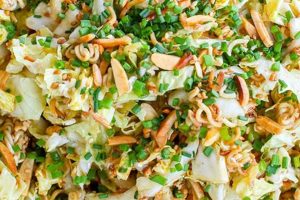
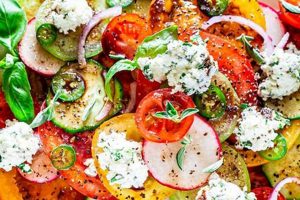
A chilled seafood dish featuring tender squid, often combined with vibrant Mediterranean flavors like fresh parsley, celery, capers, olives, red onion, and a bright lemon vinaigrette. Variations may include cherry tomatoes, arugula, or other regional ingredients. This preparation emphasizes the delicate, slightly sweet flavor of the squid, offering a light and refreshing culinary experience, particularly suited to warm weather.
This type of salad offers a nutritious and flavorful meal option. Squid is a good source of protein, omega-3 fatty acids, and various vitamins and minerals. The incorporation of fresh vegetables further enhances the nutritional profile. Historically, similar seafood salads have been enjoyed in coastal Italian regions, reflecting the availability of fresh catches and the emphasis on simple, high-quality ingredients. The dish exemplifies the Mediterranean diet’s focus on lean proteins, healthy fats, and abundant produce.
The following sections will explore various aspects of preparing this dish, including selecting and handling fresh squid, achieving optimal cooking techniques, and mastering the art of balancing flavors within the vinaigrette. Further discussion will cover regional variations and suggested pairings.
Tips for Preparing an Exquisite Squid Salad
Achieving a truly exceptional squid salad requires attention to detail and a focus on quality ingredients. The following tips offer guidance for optimal preparation and flavor.
Tip 1: Source Fresh, High-Quality Squid: Selecting fresh squid is paramount. Look for firm, glistening flesh with a mild, oceanic aroma. Avoid squid with a strong fishy odor or discoloration.
Tip 2: Proper Cleaning is Essential: Thoroughly clean the squid by separating the tentacles from the body, removing the quill, and peeling off the outer membrane. Rinse well under cold water.
Tip 3: Precise Cooking Ensures Tenderness: Overcooked squid becomes tough and rubbery. Briefly blanch or saut the squid until opaque and tender, typically no more than 2-3 minutes. Ice bath chilling immediately after cooking helps maintain tenderness.
Tip 4: Balanced Vinaigrette is Key: The vinaigrette should complement the delicate squid flavor. A classic combination includes extra virgin olive oil, fresh lemon juice, minced garlic, chopped parsley, and a pinch of red pepper flakes.
Tip 5: Marinate for Optimal Flavor Infusion: Allowing the cooked squid to marinate in the vinaigrette for at least 30 minutes, preferably chilled, enhances flavor development and allows the ingredients to meld.
Tip 6: Consider Complementary Ingredients: Enhance the salad with thoughtfully chosen additions like chopped celery, capers, olives, cherry tomatoes, or thinly sliced red onion. Fresh herbs such as parsley, dill, or mint provide a bright counterpoint.
Tip 7: Serve Chilled: Squid salad is best served well-chilled. This enhances the refreshing qualities of the dish and preserves the delicate flavors.
By following these guidelines, one can elevate a simple squid salad to a culinary masterpiece. Careful selection of ingredients, precise cooking techniques, and a balanced vinaigrette are essential for achieving optimal flavor and texture.
These techniques create a dish offering a light yet satisfying meal, ideal for warm weather or as a sophisticated appetizer. The following section will conclude with variations and serving suggestions to further personalize this classic dish.
1. Fresh, High-Quality Squid
Fresh, high-quality squid is paramount to a successful Italian squid salad. The delicate flavor and tender texture of properly sourced squid provide the foundation upon which the other ingredients build. Squid that is not fresh can possess an unpleasant, strong fishy odor and a rubbery texture, ultimately compromising the entire dish. One can recognize fresh squid by its firm, glistening flesh and a mild, oceanic aroma. Conversely, discoloration, a slimy texture, or an excessively fishy smell indicate lower quality and should be avoided. This careful selection ensures the salad retains a light, refreshing character.
The impact of using inferior squid extends beyond flavor and texture. It can affect food safety. Spoiled squid poses health risks, highlighting the practical significance of sourcing high-quality ingredients. For instance, using previously frozen, improperly thawed squid can introduce bacterial contamination, potentially leading to foodborne illness. Conversely, fresh squid, handled and cooked correctly, offers a safe and nutritious protein source, rich in omega-3 fatty acids. Therefore, prioritizing freshness contributes significantly to both the culinary success and safety of the dish.
Prioritizing fresh, high-quality squid directly impacts the overall enjoyment and safety of an Italian squid salad. The distinct flavor profile and desirable texture of fresh squid create a harmonious blend with the other components, contributing to the characteristic lightness and refreshing qualities expected from this Mediterranean dish. Failing to recognize and select appropriate squid can compromise not only the intended culinary experience but also consumer health. Therefore, sourcing high-quality squid represents a critical first step in preparing an authentic and enjoyable Italian squid salad.
2. Proper Cleaning Techniques

Proper cleaning techniques are essential for preparing a palatable and enjoyable Italian squid salad. Uncleaned squid contains inedible and undesirable components, such as the beak, quill, and viscera. These elements, if not removed, impart a bitter flavor and unpleasant texture to the salad, significantly detracting from the intended delicate and refreshing taste. Moreover, the thin, purplish-brown outer membrane, while not harmful, can become tough when cooked, further compromising the salad’s texture. For example, a retained quill can become sharp and brittle when cooked, presenting a choking hazard. Thorough cleaning, therefore, elevates the dish from simply edible to truly enjoyable.
Beyond mere palatability, proper cleaning impacts food safety. The viscera and other internal organs can harbor bacteria and parasites. Inadequate cleaning increases the risk of foodborne illness. For instance, improperly cleaned squid may retain harmful bacteria that cause vibriosis, a severe form of food poisoning. Therefore, meticulous cleaning mitigates potential health risks and ensures a safe culinary experience. Furthermore, thorough cleaning eliminates strong, fishy odors associated with the internal organs, contributing to the desired light and refreshing profile of the Italian squid salad.
In summary, proper cleaning techniques are integral to both the culinary success and the safety of an Italian squid salad. These procedures eliminate undesirable components, such as the quill and viscera, that negatively affect flavor and texture, and mitigate potential health risks associated with bacteria and parasites. The outcome is a dish that exemplifies the delicate, refreshing qualities of Mediterranean cuisine, emphasizing the importance of correct handling techniques within the overall recipe. This meticulous approach not only enhances the sensory experience but also safeguards consumer well-being, solidifying its role as a cornerstone of preparing an authentic and enjoyable Italian squid salad.
3. Precise Cooking Methods

Precise cooking methods are crucial for achieving the desired texture and flavor in an Italian squid salad. Squid, unlike other seafood, has a unique propensity to become tough and rubbery if overcooked. The delicate protein structure requires careful attention to heat and timing. Applying excessive heat or prolonging cooking time results in an unpleasant, chewy consistency, detracting significantly from the intended light and refreshing nature of the salad. Conversely, undercooked squid can present a textural issue and potential food safety concerns. For instance, quickly searing or blanching the squid for a brief period, typically 1-3 minutes, depending on the thickness, preserves its tenderness and delicate flavor, while ensuring it is cooked through. This precision allows the squid to retain a pleasant, slightly firm texture, contributing to the overall balance of the dish.
The impact of cooking methods extends beyond texture. Overcooking leads to moisture loss, resulting in dry, flavorless squid. This dryness compromises the balance of the salad, as the squid absorbs the vinaigrette excessively, overpowering the other delicate flavors of the ingredients. Optimal cooking, whether through quick blanching, sauting, or grilling, maintains the squid’s natural moisture and allows it to absorb the vinaigrette’s flavors harmoniously. For example, blanching the squid briefly in boiling water, followed by immediate immersion in an ice bath, stops the cooking process abruptly, preserving its tender texture and preventing overcooking. This method also ensures the squid retains its natural sweetness, complementing the vinaigrette’s acidity and the other fresh components of the salad.
In summary, precise cooking methods directly influence the success of an Italian squid salad. Careful control of temperature and cooking time preserves the squid’s tender texture, prevents undesirable toughness or dryness, and allows it to absorb the flavors of the vinaigrette effectively. Mastering these techniques contributes significantly to the overall balance, texture, and flavor profile of the dish, emphasizing the delicate nature of squid as a key ingredient. This precision ensures that the squid complements the other components harmoniously, creating a refreshing and flavorful culinary experience that exemplifies the nuances of Mediterranean cuisine.
4. Balanced Vinaigrette Recipe

The vinaigrette acts as a unifying element in an Italian squid salad, binding the disparate ingredients and influencing the overall flavor profile. A balanced vinaigrette enhances the delicate flavor of the squid and other components, rather than overpowering them. It provides a crucial acidic counterpoint to the subtle sweetness of the squid and the richness of any added olive oil. This balance is essential for achieving the characteristic light and refreshing qualities of the dish. An overly acidic or excessively oily dressing can mask the nuanced flavors of the other ingredients, disrupting the intended harmony.
- Acidity
The acidity, primarily derived from lemon juice or vinegar, provides brightness and cuts through the richness of the squid and olive oil. The right level of acidity awakens the palate without overwhelming the delicate seafood flavor. Too much acidity can make the salad taste sharp and unpleasant, while too little can leave it tasting flat and oily. For instance, fresh lemon juice offers a vibrant citrusy note, while red wine vinegar provides a more mellow tang. The choice of acid depends on the desired flavor profile and the other ingredients in the salad.
- Oil
Extra virgin olive oil contributes richness, mouthfeel, and a subtle fruity flavor. The quality of the olive oil significantly impacts the overall taste of the vinaigrette. A high-quality extra virgin olive oil offers complexity and depth, while a lower-quality oil can introduce undesirable flavors. The ratio of oil to acid is crucial for achieving the desired balance. Too much oil can make the salad heavy and greasy, while too little can leave it dry and lacking in texture. For example, a classic vinaigrette typically uses a ratio of 3 parts oil to 1 part acid.
- Seasoning
Seasoning, including salt, pepper, and other spices, enhances the overall flavor profile. Salt balances the acidity and brings out the natural flavors of the ingredients. Freshly ground black pepper adds a subtle bite, while other spices, like red pepper flakes or garlic, can introduce additional layers of complexity. However, over-seasoning can mask the delicate flavors of the squid and other components. For instance, a pinch of red pepper flakes adds a pleasant warmth, while minced garlic provides a pungent savory note. The key is to use seasonings judiciously to enhance, not overpower, the other flavors.
- Aromatics
Aromatics, such as fresh herbs, garlic, or shallots, contribute depth and complexity to the vinaigrette. Fresh herbs, like parsley, dill, or chives, provide brightness and herbaceous notes. Minced garlic or shallots add pungent savory undertones. These aromatics infuse the vinaigrette with additional layers of flavor, further enhancing the overall sensory experience. For example, chopped fresh parsley provides a classic Italian touch, while minced shallots offer a subtle sweetness. The selection of aromatics should complement the other ingredients in the salad and contribute to the desired flavor profile.
A well-balanced vinaigrette elevates the Italian squid salad from a simple combination of ingredients to a harmonious and flavorful dish. The interplay of acidity, oil, seasoning, and aromatics creates a dressing that complements the delicate squid, enhancing its natural sweetness and tender texture. The careful balance of these elements ensures that the vinaigrette does not overpower the other components but instead unites them in a cohesive and refreshing culinary experience, showcasing the nuanced flavors of Mediterranean cuisine.
5. Complementary Ingredient Choices
Complementary ingredient choices significantly elevate an Italian squid salad beyond its basic components, transforming it into a multi-dimensional culinary experience. These additions contribute not only textural contrast but also nuanced layers of flavor that harmonize with the delicate squid and the bright vinaigrette. Thoughtful selection of complementary ingredients distinguishes a simple squid salad from a truly exceptional dish.
- Vegetables
Crunchy vegetables provide textural contrast to the tender squid. Celery, fennel, and thinly sliced red onion offer a refreshing crispness, while cherry tomatoes introduce a burst of sweetness and acidity. These additions enhance the salad’s refreshing quality and provide visual appeal. Finely diced bell peppers or cucumbers can also add a contrasting crunch and a subtle sweetness. The choice of vegetables should consider seasonal availability and flavor compatibility with the other ingredients.
- Capers and Olives
Capers and olives contribute a distinctly briny, salty element that complements the seafood character of the squid. Their assertive flavor profiles balance the brightness of the vinaigrette and add a layer of complexity. Different varieties of olives, such as Castelvetrano or Kalamata, offer distinct flavor nuances, further enhancing the depth of the salad. Capers, with their piquant, salty flavor, provide a burst of umami, while olives add a buttery richness. The quantity of these ingredients should be carefully considered to avoid overwhelming the delicate squid.
- Fresh Herbs
Fresh herbs impart a vibrant, aromatic dimension, brightening the overall flavor profile. Parsley, dill, mint, and chives contribute distinct herbal notes that complement the other ingredients and enhance the refreshing character of the salad. The choice of herbs can be tailored to personal preference and the desired flavor profile. For instance, parsley offers a classic Italian touch, while dill provides a subtly anise-like flavor. Mint adds a cool, refreshing element, while chives contribute a mild oniony flavor.
- Citrus Zest
Citrus zest, particularly lemon zest, intensifies the citrus notes of the vinaigrette, adding a vibrant aromatic element and a touch of bitterness that balances the sweetness of the squid and other ingredients. The zest should be used sparingly to avoid an overpowering bitterness. Other citrus zests, such as orange or grapefruit, can also be used to create unique flavor profiles. The zest provides a concentrated citrus essence that complements the other flavors without adding excess liquid.
The interplay of these complementary ingredients elevates the Italian squid salad from a simple dish to a complex and harmonious culinary experience. The careful selection and balance of these components contribute not only to the overall flavor profile but also to the textural diversity and visual appeal. This attention to detail distinguishes a truly exceptional Italian squid salad, highlighting the importance of considering each ingredient’s contribution to the final composition.
6. Appropriate Marinating Time

Marinating time plays a crucial role in the final quality of an Italian squid salad. It represents a balance between flavor infusion and textural integrity. Insufficient marinating may result in a bland salad lacking the characteristic bright, cohesive flavors. Excessive marinating, conversely, can compromise the squid’s delicate texture, rendering it mushy or overly acidic. Understanding the optimal marinating time is therefore essential for achieving the desired balance of flavor and texture.
- Flavor Infusion
Marinating allows the squid to absorb the flavors of the vinaigrette, transforming it from a simple ingredient into a complex component of the salad. The acid in the vinaigrette also tenderizes the squid, enhancing its delicate texture. The duration of this process directly influences the intensity of flavor absorption. A short marinating time, for example 30 minutes, imparts a subtle flavor infusion, allowing the natural sweetness of the squid to shine through. Longer marinating times, such as 1-2 hours, result in a more pronounced flavor profile, where the vinaigrette’s characteristics become more dominant.
- Texture Modification
While flavor infusion is a primary objective, marinating also impacts the squid’s texture. The acid in the vinaigrette denatures proteins, leading to a tenderizing effect. However, prolonged exposure to acid can cause excessive breakdown of these proteins, resulting in a mushy or mealy texture. This is particularly relevant for squid, which possesses a naturally delicate structure. Optimal marinating time preserves the desired tender texture without compromising its structural integrity. For example, marinating overnight might result in an undesirable texture, whereas a shorter duration maintains the squid’s pleasant, slightly firm consistency.
- Temperature Considerations
Temperature significantly influences the marinating process. Marinating at room temperature accelerates flavor infusion and tenderization. However, it also increases the risk of bacterial growth, particularly with seafood. Refrigeration slows down the marinating process but ensures food safety. Therefore, refrigerating the marinating squid is crucial for preventing spoilage and maintaining quality. The lower temperature necessitates a longer marinating time to achieve the desired flavor infusion compared to room temperature marinating.
- Ingredient Compatibility
The specific ingredients in the vinaigrette also influence the appropriate marinating time. Highly acidic marinades require shorter durations to prevent excessive tenderization. Conversely, milder marinades may benefit from longer marinating times to achieve sufficient flavor penetration. Additionally, the presence of certain ingredients, such as garlic or herbs, might affect the marinating process. For example, a vinaigrette with a high concentration of lemon juice requires a shorter marinating time compared to one with a milder vinegar base.
Considering these facets of marinating time ensures the Italian squid salad achieves its full potential. The optimal marinating time allows for sufficient flavor infusion while preserving the squid’s delicate texture. It allows the diverse flavors of the vinaigrette and other ingredients to meld harmoniously, creating a balanced and refreshing culinary experience that embodies the essence of Italian cuisine. Careful attention to marinating time, therefore, represents a critical step in crafting a truly exceptional Italian squid salad.
7. Chilled Serving Temperature

Chilled serving temperature is integral to the sensory experience of an Italian squid salad. Temperature significantly influences the perception of flavor and texture, particularly with delicate seafood like squid. Serving the salad chilled enhances the refreshing qualities of the dish, accentuating the bright flavors of the vinaigrette and the other fresh components. A warmer temperature dulls these flavors, diminishing the intended crispness of the vegetables and the delicate sweetness of the squid. The cold temperature also firms the squid’s texture, contributing to the desired slightly chewy consistency. A warmer serving temperature would soften the squid further, potentially leading to an undesirable mushy texture. For example, a chilled salad offers a refreshing contrast on a warm day, stimulating the palate with its bright flavors and crisp textures, whereas a room-temperature salad might feel heavy and less invigorating. This distinction highlights the crucial role of temperature in delivering the intended sensory experience.
Beyond enhancing the immediate sensory experience, chilled serving temperature contributes to food safety. Squid, like other seafood, is susceptible to bacterial growth at warmer temperatures. Maintaining a chilled temperature inhibits bacterial proliferation, minimizing the risk of foodborne illness. Serving the salad promptly after chilling ensures that the temperature remains within a safe range, safeguarding consumer health. For instance, leaving a squid salad at room temperature for an extended period, especially in warmer climates, creates a conducive environment for bacterial growth, potentially leading to spoilage and health risks. Conversely, consistent refrigeration maintains the salad’s freshness and safety. This careful attention to temperature underscores the importance of food safety considerations within the overall recipe.
In summary, chilled serving temperature is not merely a suggestion but a fundamental element in an Italian squid salad recipe. It enhances the sensory experience by accentuating the refreshing flavors and textures while also ensuring food safety by inhibiting bacterial growth. This understanding emphasizes the multifaceted role of temperature in achieving both culinary excellence and consumer well-being, solidifying its importance as a defining characteristic of an authentic and enjoyable Italian squid salad.
Frequently Asked Questions
This section addresses common inquiries regarding the preparation and enjoyment of Italian squid salad.
Question 1: Can frozen squid be used for this recipe?
While fresh squid is ideal, frozen squid can be substituted. Ensure it is fully thawed and patted dry before proceeding with the recipe. However, note that frozen squid may have a slightly different texture compared to fresh.
Question 2: How long can the salad be stored in the refrigerator?
It is best consumed within 24 hours of preparation for optimal flavor and texture. Beyond this timeframe, the quality may deteriorate.
Question 3: Can the vinaigrette be made in advance?
The vinaigrette can be prepared a day in advance and stored separately in a sealed container in the refrigerator. Whisk thoroughly before adding to the salad.
Question 4: What are suitable wine pairings for this dish?
Crisp, dry white wines, such as Pinot Grigio or Vermentino, complement the delicate flavors of the salad. A light-bodied ros can also provide a harmonious pairing.
Question 5: How can one adjust the spiciness of the salad?
Adjusting the amount of red pepper flakes in the vinaigrette controls the level of spiciness. Omitting them altogether creates a milder flavor profile.
Question 6: Is it necessary to blanch the squid before adding it to the salad?
Blanching ensures the squid cooks quickly and evenly, resulting in a tender texture. Alternatively, it can be quickly sauted or grilled, but careful attention to cooking time is crucial to prevent it from becoming tough.
Addressing these common questions provides a comprehensive understanding of essential aspects related to Italian squid salad preparation. These insights contribute to a successful and enjoyable culinary experience, emphasizing the importance of proper techniques and ingredient selection.
Further exploration of regional variations and cultural context can enhance appreciation for this classic Mediterranean dish. The following sections will delve into these aspects, offering a broader perspective on Italian squid salad.
Italian Squid Salad Recipe
This exploration of Italian squid salad recipes has highlighted the critical elements that contribute to a successful rendition of this dish. From sourcing fresh, high-quality squid to employing precise cooking methods and crafting a balanced vinaigrette, each step plays a vital role in achieving the desired flavor profile and textural harmony. Proper cleaning techniques ensure both palatability and food safety, while the thoughtful selection of complementary ingredients elevates the salad beyond its basic components. Appropriate marinating time allows for optimal flavor infusion without compromising the squid’s delicate texture, and serving the salad chilled enhances its refreshing qualities. Understanding these nuances allows for a comprehensive appreciation of the culinary art involved in creating an authentic and enjoyable Italian squid salad.
The preparation of Italian squid salad embodies the essence of Mediterranean cuisine, emphasizing the importance of fresh, high-quality ingredients and simple yet precise techniques. By mastering these elements, one can elevate this seemingly simple dish to a culinary masterpiece. This exploration serves as a guide for both aspiring home cooks and seasoned chefs, encouraging a deeper understanding and appreciation of the subtleties and complexities inherent in crafting a truly exceptional Italian squid salad. Further culinary exploration may reveal regional variations and innovative adaptations, enriching the ongoing appreciation of this classic dish.