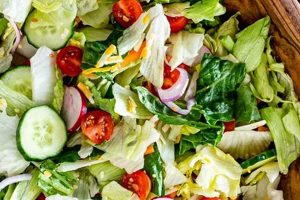
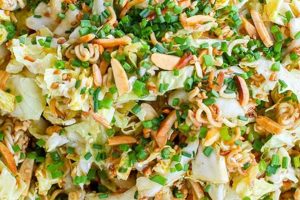
Bok choy, a cruciferous vegetable with a mild flavor and crisp texture, lends itself well to a variety of salads. Preparations can range from simple, highlighting the vegetable’s natural qualities, to more complex combinations incorporating diverse ingredients and flavorful dressings. A simple salad might involve shredded bok choy, toasted sesame seeds, and a light vinaigrette, while more elaborate versions might include additional vegetables, proteins like grilled chicken or tofu, and richer dressings with ingredients such as peanut butter or ginger.
Nutrient-rich and versatile, bok choy offers significant culinary and nutritional advantages. As a good source of vitamins A, C, and K, along with fiber and minerals, its inclusion in salads contributes to a healthy diet. Its adaptable nature allows it to complement various flavors and textures, making it a welcome addition to both light lunches and more substantial meals. The rising popularity of this versatile green reflects an increasing awareness of its health benefits and culinary potential.
This discussion will explore various approaches to preparing bok choy salads, covering topics such as ingredient selection, dressing options, and techniques for achieving optimal flavor and texture. Whether seeking a simple side dish or a complete meal, the following sections offer guidance for creating delicious and satisfying bok choy salads.
Tips for Bok Choy Salad Preparation
Optimizing the flavor and texture of bok choy salads requires attention to detail throughout the preparation process. The following tips offer guidance for creating exceptional dishes.
Tip 1: Select Fresh Bok Choy: Choose bok choy with vibrant green leaves and firm, white stalks. Avoid bunches with wilted or yellowing leaves.
Tip 2: Proper Cleaning is Crucial: Thoroughly rinse bok choy under cold water, separating the leaves and ensuring all dirt and debris are removed.
Tip 3: Consider the Cut: Slicing, shredding, or chopping bok choy influences the salad’s texture. Sliced stalks offer a satisfying crunch, while shredded leaves create a delicate base.
Tip 4: Blanching Enhances Texture: Briefly blanching the bok choy in boiling water then plunging it into ice water helps retain its vibrant color and creates a tender-crisp texture. This step is particularly beneficial for thicker stalks.
Tip 5: Dressing Choices Matter: Complementary dressings enhance the bok choy’s subtle flavor. Light vinaigrettes, sesame-ginger dressings, and peanut sauces are excellent choices.
Tip 6: Ingredient Combinations: Explore diverse ingredient combinations to create unique and flavorful salads. Mandarin oranges, toasted almonds, edamame, and shredded carrots pair well with bok choy.
Tip 7: Timing is Key: Add the dressing just before serving to prevent the salad from becoming soggy. This preserves the crispness of the bok choy and other ingredients.
By following these tips, one can elevate bok choy salads from simple sides to flavorful centerpieces. Attention to these details ensures a delightful culinary experience.
These preparatory insights lay the groundwork for a deeper exploration of specific bok choy salad recipes, offering a foundation for culinary creativity and experimentation.
1. Fresh, Crisp Bok Choy

Fresh, crisp bok choy serves as the cornerstone of any successful bok choy salad. Its quality directly impacts the final dish’s flavor, texture, and overall appeal. Without this foundational element, the salad risks becoming limp, bitter, or unappetizing. The crispness offers a refreshing counterpoint to other ingredients and contributes a satisfying textural element. A salad built on wilted or less-than-fresh bok choy compromises the intended culinary experience.
Consider a salad featuring grilled chicken, toasted sesame seeds, and a vibrant ginger dressing. If the bok choy is fresh and crisp, it provides a refreshing crunch that complements the savory chicken and nutty sesame seeds. However, if the bok choy is wilted, it detracts from the other flavors and creates an unpleasant textural dissonance. This illustrates the crucial role of fresh bok choy in achieving a balanced and enjoyable salad. Using subpar produce can also affect the aesthetic presentation, diminishing the visual appeal of the dish.
Selecting and utilizing fresh, crisp bok choy is paramount for achieving culinary excellence in bok choy salads. This understanding allows for informed ingredient selection and preparation, ultimately leading to a more satisfying and flavorful culinary experience. The emphasis on quality ingredients underscores the importance of sourcing the freshest produce possible, elevating a simple salad to a delightful culinary creation. Neglecting this critical aspect compromises the overall quality and enjoyment of the dish.
2. Complementary Dressings
The success of bok choy salads hinges significantly on the selection of complementary dressings. Bok choy possesses a subtly sweet and slightly earthy flavor profile, allowing for a wide range of dressing pairings. An appropriate dressing enhances the inherent qualities of the bok choy without overpowering its delicate taste. The interplay between the dressing and the vegetable creates a balanced and harmonious culinary experience.
- Acidity:
Dressings with a touch of acidity, such as those utilizing citrus juices (lemon, lime, or orange) or rice vinegar, brighten the flavor of bok choy. The acidity cuts through the slight earthiness of the vegetable, creating a refreshing contrast. For example, a light vinaigrette with lemon juice, olive oil, and a touch of honey provides a balanced sweetness and acidity that complements the bok choy’s natural flavors.
- Nutty richness:
Dressings incorporating nut butters, such as peanut or tahini, offer a creamy texture and rich flavor that complements the bok choy’s crispness. These dressings often include soy sauce, ginger, and garlic for a savory, umami-rich profile. A peanut dressing adds a satisfying depth and complexity to the salad, particularly when combined with ingredients like grilled chicken or tofu.
- Asian-inspired flavors:
Sesame oil, soy sauce, ginger, and garlic are common components in Asian-inspired dressings, creating a savory and aromatic complement to bok choy. These dressings often incorporate a touch of sweetness from honey or maple syrup to balance the savory elements. A sesame-ginger dressing enhances the bok choy’s natural sweetness and adds a layer of complexity.
- Light and herbaceous:
Simple vinaigrettes with fresh herbs, such as mint, cilantro, or basil, provide a light and refreshing counterpoint to the bok choy. These dressings typically utilize a combination of olive oil, vinegar, and a touch of Dijon mustard. A light vinaigrette allows the bok choy’s natural flavors to shine through while adding a subtle herbaceous note.
Careful consideration of these elements ensures the dressing complements, rather than masks, the bok choy’s unique characteristics. The ultimate goal is to create a harmonious blend of flavors and textures, where the dressing enhances the overall dining experience. Selecting the appropriate dressing elevates the bok choy salad from a simple side dish to a sophisticated and satisfying culinary creation.
3. Balanced Flavor Profiles

Balanced flavor profiles are essential for creating harmonious and satisfying bok choy salads. The subtle flavor of bok choy provides a versatile canvas for various flavor combinations, but careful consideration must be given to achieving a balanced overall taste. A well-balanced salad incorporates contrasting yet complementary flavors, creating a dynamic and enjoyable culinary experience. This balance prevents any single flavor from dominating the dish, allowing the nuanced flavors of the bok choy and other ingredients to shine through.
- Sweetness:
Incorporating sweetness balances the sometimes slightly bitter notes of bok choy and adds depth to the salad. Ingredients such as dried cranberries, mandarin oranges, or a touch of honey or maple syrup in the dressing can contribute sweetness. For example, the bright citrus notes of mandarin oranges complement the earthy bok choy, while a honey-soy dressing adds a subtle sweetness that enhances the overall flavor profile. Overly sweet elements, however, can mask the delicate flavors of the bok choy and other ingredients.
- Acidity:
Acidity provides brightness and a refreshing counterpoint to richer flavors. Lemon or lime juice, rice vinegar, or a splash of apple cider vinegar in the dressing can introduce the necessary acidity. Acidity cuts through the richness of ingredients like nuts or creamy dressings, preventing the salad from feeling heavy. A lemon vinaigrette, for example, adds a zesty brightness that balances the richness of a sesame-ginger dressing and the earthiness of the bok choy. An excess of acidity, however, can overpower the subtle flavors of the bok choy.
- Umami:
Umami, a savory, almost meaty flavor, adds depth and complexity to bok choy salads. Ingredients like soy sauce, toasted sesame seeds, shiitake mushrooms, or a sprinkle of nutritional yeast can contribute umami notes. These savory elements enhance the overall flavor profile and create a more satisfying culinary experience. For instance, toasted sesame seeds add a nutty, umami richness that complements the bok choy and other ingredients, while a splash of soy sauce in the dressing provides a savory depth. An overemphasis on umami, however, can create a salty or overly savory dish.
- Spice:
A touch of spice can add an exciting dimension to bok choy salads. A pinch of red pepper flakes, a drizzle of sriracha, or thinly sliced jalapeos can introduce a pleasant heat. The level of spice should be carefully considered to avoid overpowering the other flavors. A small amount of spice can enhance the overall flavor profile and create a more dynamic culinary experience. Too much spice, however, can overwhelm the delicate flavors of the bok choy and other ingredients.
Successfully balancing these flavor profiles creates a nuanced and enjoyable bok choy salad. A harmonious blend of sweet, acidic, umami, and spicy elements elevates the dish beyond a simple side to a complex and satisfying culinary creation. Careful consideration of these elements ensures a balanced and flavorful salad that highlights the versatility and subtle flavors of bok choy.
4. Varied Textures

Textural diversity significantly contributes to the enjoyment of bok choy salads. The inherent crispness of bok choy, particularly the stalks, offers a satisfying foundation. However, relying solely on this texture can result in a monotonous eating experience. Incorporating a variety of textures elevates the salad, creating a more dynamic and engaging sensory experience. This interplay of textures stimulates the palate and adds depth to each bite.
Consider the addition of toasted nuts or seeds. Their crunch contrasts with the bok choy’s crispness, introducing a new textural element. Toasted slivered almonds, for instance, provide a delicate crunch, while sesame seeds offer a subtle nutty flavor and a delicate crispness. Alternatively, incorporating ingredients like crispy wonton strips or fried shallots introduces a contrasting crispy element. The interplay between these textures and the bok choy’s inherent crispness adds complexity and interest to the salad.
Soft, creamy elements further enhance textural diversity. Avocado, crumbled feta cheese, or a dollop of Greek yogurt introduce a contrasting smoothness. These creamy components balance the crispness of the bok choy and any crunchy additions, creating a harmonious textural profile. For example, the creamy richness of avocado complements the crisp bok choy and crunchy toasted almonds, resulting in a balanced and satisfying textural experience. These additions create a multi-faceted sensory experience that elevates the enjoyment of the salad.
Understanding the importance of varied textures allows for informed ingredient selection and enhances the overall culinary experience. This awareness encourages culinary creativity and promotes the creation of more complex and satisfying bok choy salads. Achieving textural balance distinguishes a simple salad from a truly exceptional culinary creation. A thoughtfully constructed bok choy salad, incorporating a variety of textures, provides a more engaging and enjoyable dining experience.
5. Nutritional Value
Nutritional value represents a key consideration in bok choy salad preparation. Bok choy itself offers a range of vitamins, minerals, and beneficial plant compounds. Understanding its nutritional composition and how it interacts with other salad ingredients allows for the creation of meals that are both delicious and health-promoting. Strategic ingredient choices can maximize the nutritional benefits derived from these salads.
- Vitamins and Minerals:
Bok choy provides a rich source of vitamins A, C, and K. Vitamin A supports vision and immune function, vitamin C acts as an antioxidant and contributes to collagen production, and vitamin K plays a crucial role in blood clotting and bone health. Additionally, bok choy contributes minerals like potassium, important for electrolyte balance, and calcium, vital for bone health. Combining bok choy with other vitamin and mineral-rich vegetables, such as bell peppers or carrots, further enhances the salad’s nutritional density.
- Antioxidant Properties:
Bok choy contains antioxidants, including carotenoids and flavonoids, which help protect cells from damage caused by free radicals. These compounds contribute to overall health and well-being by reducing oxidative stress. Including other antioxidant-rich ingredients in the salad, such as berries or nuts, further amplifies these protective benefits. The synergistic effect of combining various antioxidant-rich foods creates a powerful defense against cellular damage.
- Fiber Content:
Bok choy is a good source of dietary fiber, which aids in digestion, promotes satiety, and contributes to healthy cholesterol levels. Fiber supports gut health by adding bulk to the stool and promoting regular bowel movements. Adding other fiber-rich ingredients, such as beans or lentils, further enhances the salad’s fiber content and its beneficial effects on digestive health. The inclusion of fiber contributes to a feeling of fullness, which can assist in weight management.
- Low Calorie Density:
Bok choy’s low calorie density makes it a valuable component of a healthy diet. Its high water and fiber content contribute to satiety without adding excessive calories. This characteristic makes bok choy salads an ideal choice for those seeking to manage their weight or maintain a healthy lifestyle. Combining bok choy with other low-calorie, nutrient-dense ingredients creates a filling and nutritious meal without contributing to excess calorie intake.
By understanding the nutritional components of bok choy and incorporating complementary ingredients, individuals can create salads that not only satisfy the palate but also contribute to overall health and well-being. These salads offer a delicious and convenient way to incorporate nutrient-rich foods into the diet, promoting a balanced and health-conscious approach to eating. This focus on nutritional value transforms a simple salad into a powerful tool for supporting long-term health and wellness.
6. Creative Ingredient Combinations

Creative ingredient combinations elevate bok choy salads from simple to extraordinary. While bok choy’s subtle flavor provides a versatile base, thoughtful ingredient pairings unlock its full culinary potential. Strategic combinations enhance flavor, texture, and nutritional value, transforming a basic salad into a complex and satisfying meal. Exploring diverse ingredients expands culinary horizons and allows for personalized flavor experiences.
- Fruits and Vegetables:
Integrating various fruits and vegetables adds depth and complexity to bok choy salads. Sweet and tangy fruits, such as mandarin oranges, sliced apples, or dried cranberries, offer a refreshing contrast to bok choy’s subtle earthiness. Adding other vegetables, such as shredded carrots, bell peppers, or edamame, introduces diverse textures and enhances nutritional value. For instance, a combination of bok choy, mandarin oranges, and sliced almonds provides a balance of sweet, savory, and crunchy elements. This approach allows for customized flavor profiles catering to individual preferences.
- Proteins:
Incorporating protein transforms a bok choy salad into a complete meal. Grilled chicken or fish, pan-seared tofu, or cooked lentils or chickpeas provide substantial protein and enhance the salad’s satiety factor. These additions complement bok choy’s mild flavor and offer diverse textural experiences. A salad featuring grilled salmon, bok choy, and a sesame-ginger dressing, for example, provides a balanced and nutritious meal. The choice of protein can significantly influence the overall flavor profile and nutritional content of the salad.
- Nuts and Seeds:
Nuts and seeds contribute healthy fats, protein, and textural complexity. Toasted almonds, cashews, walnuts, sesame seeds, or pumpkin seeds add a satisfying crunch and enhance the salad’s nutritional value. These additions also introduce nuanced flavors, from the buttery richness of toasted almonds to the subtle nuttiness of sesame seeds. The choice of nuts and seeds can significantly impact the salad’s overall flavor and nutritional profile. For example, a combination of bok choy, toasted sesame seeds, and a soy-based dressing offers a balanced and flavorful experience.
- Flavorful Enhancements:
Ingredients such as fresh herbs, spices, and flavorful sauces further elevate bok choy salads. Fresh cilantro, mint, or basil add bright, herbaceous notes, while a pinch of red pepper flakes or a drizzle of sriracha introduce a touch of heat. Incorporating flavorful sauces, such as a peanut sauce or a sriracha-mayo blend, adds complexity and depth. These additions offer opportunities for customization, allowing individuals to tailor the flavor profile to their preferences. For instance, a combination of bok choy, fresh mint, and a lime-cilantro dressing creates a refreshing and flavorful salad.
These creative ingredient combinations demonstrate the versatility of bok choy as a salad base. By thoughtfully combining complementary ingredients, individuals can create personalized salads that are both nutritious and delicious. This approach encourages culinary exploration and allows for the creation of unique flavor profiles, transforming a simple bok choy salad into a dynamic and satisfying culinary experience. This emphasis on creative combinations unlocks the full potential of bok choy salads, offering endless possibilities for culinary innovation and enjoyment.
Frequently Asked Questions
This section addresses common inquiries regarding bok choy salad preparation, offering practical guidance and clarifying potential uncertainties. The following questions and answers provide valuable insights for optimizing culinary outcomes and enhancing the overall dining experience.
Question 1: How can bitterness in bok choy be mitigated?
Bitterness, sometimes present in mature bok choy, can be reduced by briefly blanching the leaves and stalks in boiling water before incorporating them into the salad. This process helps to mellow the flavor and enhance the vegetable’s inherent sweetness.
Question 2: What storage methods best preserve bok choy’s freshness?
Optimal storage involves refrigerating unwashed bok choy, loosely wrapped in a damp paper towel, within a perforated plastic bag. This method helps maintain crispness and prevents premature wilting. Ideally, bok choy should be consumed within a few days of purchase.
Question 3: Can bok choy stems be utilized in salads?
Bok choy stems offer a pleasant crunch and subtle sweetness, making them suitable for salads. Thicker stems may benefit from thin slicing or brief blanching to optimize texture and palatability. Their inclusion contributes both textural and flavor complexity.
Question 4: What dressings pair well with bok choy’s flavor profile?
Dressings featuring ginger, garlic, sesame oil, citrus juices, and nut butters complement bok choy’s subtle flavor. Light vinaigrettes and Asian-inspired dressings enhance the vegetable’s inherent sweetness without overpowering its delicate taste.
Question 5: How can wilting be prevented in prepared bok choy salads?
To prevent wilting, dress the salad immediately before serving. This preserves the crispness of the bok choy and other ingredients, ensuring an optimal textural experience. Premature dressing can lead to a soggy salad.
Question 6: Beyond basic salads, how else can bok choy be incorporated into meals?
Bok choy’s versatility extends beyond salads. It can be stir-fried, sauted, steamed, or added to soups and stews. Its mild flavor adapts well to various cooking methods and cuisines, offering diverse culinary applications.
Understanding these key aspects of bok choy selection, preparation, and versatility allows for confident culinary experimentation and ensures consistently delicious results. These insights provide a foundation for maximizing the enjoyment and nutritional benefits derived from bok choy.
This concludes the frequently asked questions section. The subsequent sections will delve into specific recipe examples and further explore the culinary possibilities of bok choy.
Recipes for Bok Choy Salad
Exploration of bok choy salad recipes reveals a versatile culinary landscape. From ingredient selection and dressing pairings to textural considerations and nutritional value, optimizing these elements contributes to a balanced and flavorful dish. Fresh, crisp bok choy provides the foundation, while complementary dressings enhance its subtle flavor. Attention to balanced flavor profiles, incorporating sweetness, acidity, umami, and spice, creates depth and complexity. Textural diversity, achieved through the incorporation of crunchy nuts, seeds, and creamy elements, elevates the sensory experience. Nutritional considerations highlight bok choy’s inherent health benefits and the potential for creating nutrient-rich meals. Creative ingredient combinations, incorporating diverse fruits, vegetables, proteins, and flavor enhancers, further expand culinary possibilities.
Culinary experimentation with bok choy salads offers a pathway to both delicious and health-conscious meals. Understanding the interplay of flavors, textures, and nutritional components allows for the creation of personalized culinary experiences. Continued exploration of diverse ingredient combinations and culinary techniques promises to further unlock the potential of this versatile vegetable.