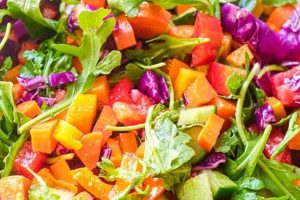
A typical chef’s salad distinguishes itself through a base of crisp lettuce, often romaine, and an assortment of high-quality ingredients. These commonly include sliced or diced meats like turkey, ham, chicken, or roast beef, hard-boiled eggs, a variety of cheeses (cheddar, Swiss, provolone being popular choices), and fresh vegetables such as tomatoes, cucumbers, and bell peppers. A simple vinaigrette or a creamy dressing typically accompanies the salad.
The appeal lies in its customizable nature, offering a substantial and balanced meal with readily available components. Its flexibility accommodates dietary preferences and seasonal produce. Historically, variations of this salad have appeared in cookbooks and restaurant menus since the early 20th century, reflecting the evolving culinary landscape and access to diverse ingredients. It serves as a blank canvas for culinary creativity, allowing for personalized interpretations based on individual tastes or regional specialties.
This discussion will further examine common components, offer variations for diverse dietary needs, explore regional adaptations, and provide guidance on assembling a visually appealing and flavorful presentation.
Tips for Crafting the Perfect Chef Salad
Elevating a chef salad from simple to exceptional involves careful consideration of components and construction. The following tips offer guidance on achieving optimal flavor and presentation.
Tip 1: Ingredient Quality is Paramount: Opt for fresh, high-quality ingredients. Select crisp lettuce, ripe vegetables, and flavorful cheeses and meats.
Tip 2: Consider Texture: Balance soft and crunchy elements. Crisp lettuce, crunchy vegetables, and creamy cheese create a pleasing textural contrast.
Tip 3: Strategic Meat Selection: Employ a variety of lean meats for a complex flavor profile. Roasted turkey, grilled chicken, and thinly sliced ham offer distinct tastes and textures.
Tip 4: Cheese Choices: Explore different cheeses. Sharp cheddar, nutty Swiss, and creamy provolone provide complementary flavor notes.
Tip 5: Fresh Vegetable Variety: Incorporate a colorful array of fresh vegetables. Tomatoes, cucumbers, bell peppers, red onion, and radishes contribute vitamins, minerals, and visual appeal.
Tip 6: Dressing Selection: Choose a dressing that complements the other components. A classic vinaigrette, a creamy ranch, or a light Dijon mustard vinaigrette are excellent options.
Tip 7: Proper Storage: Store ingredients separately and combine just before serving to maintain freshness and prevent wilting.
Attention to detail in ingredient selection and preparation elevates this simple salad to a culinary masterpiece. A well-crafted chef salad provides a nutritious and satisfying meal.
These tips provide a framework for creating a delicious and visually appealing chef salad. The following section will offer variations to cater to specific dietary needs and preferences.
1. Crisp Lettuce

Crisp lettuce serves as the foundation of a successful chef salad, providing a refreshing counterpoint to richer ingredients. Its structural integrity is essential for supporting the weight of the various components without becoming soggy. The choice of lettuce significantly impacts the overall sensory experience. For example, crisp romaine offers a slightly bitter flavor and robust texture, while iceberg provides a neutral flavor and satisfying crunch. Butter lettuce, with its delicate texture and sweet undertones, presents a more refined option. Failing to select appropriately crisp lettuce can result in a wilted, unappetizing salad, compromising the balance of flavors and textures.
The crispness of the lettuce also contributes to the perceived freshness of the salad. Wilted lettuce suggests staleness, detracting from the overall appeal. Maintaining crispness requires proper storage and handling. Washing and thoroughly drying the lettuce before storage is crucial, as excess moisture accelerates wilting. Storing lettuce in a sealed container with a paper towel can help absorb excess moisture and prolong its crispness. Furthermore, adding the lettuce just before serving prevents it from becoming saturated by the dressing and other ingredients.
In conclusion, the importance of crisp lettuce within the context of chef salad ingredients cannot be overstated. It provides a textural and flavorful base, contributing significantly to the overall enjoyment of the dish. Careful selection, proper storage, and timely incorporation ensure the lettuce remains crisp, enhancing the salad’s freshness and appeal. Neglecting this foundational element compromises the integrity and balance of the chef salad experience.
2. Assorted Meats

Assorted meats constitute a pivotal component within chef salad recipe ingredients, contributing significantly to the nutritional value and overall gustatory experience. The strategic selection and incorporation of various meats elevate the salad from a simple vegetarian dish to a more substantial and complex meal. Protein content increases, providing satiety and essential amino acids. Furthermore, the interplay of different meat flavors and textures adds depth and complexity. For instance, lean roasted turkey breast offers a mild, savory flavor and tender texture, while thinly sliced smoked ham introduces a smoky, salty note and a slightly chewy texture. The combination of these two meats, along with perhaps a more robust option like grilled chicken or sliced roast beef, creates a multifaceted flavor profile that engages the palate.
The choice of assorted meats also influences the overall nutritional balance of the chef salad. Lean protein sources, such as poultry and lean cuts of beef or pork, contribute valuable nutrients without excessive fat. However, cured meats like salami or pepperoni, while flavorful, should be used sparingly due to their higher sodium and fat content. Understanding the nutritional implications of various meat choices allows for the creation of a chef salad tailored to specific dietary needs and preferences. A chef salad featuring grilled chicken or fish, for instance, aligns with lower-fat, higher-protein dietary goals. Conversely, a chef salad incorporating richer meats like bacon or pastrami caters to those prioritizing flavor and indulgence. The versatility of the chef salad lies in its adaptability to accommodate these diverse preferences through considered meat selection.
Careful consideration of meat selection ensures the creation of a balanced, flavorful, and nutritionally sound chef salad. Balancing lean protein sources with flavorful cured meats, while considering overall dietary goals, allows for a customizable and satisfying culinary experience. The role of assorted meats extends beyond mere protein supplementation; it directly impacts the complexity, nutritional value, and overall appeal of the chef salad, highlighting its importance as a defining ingredient.
3. Variety of Cheeses

Cheese selection significantly impacts the overall flavor profile and textural complexity of a chef salad. A well-chosen assortment complements the other ingredients, creating a balanced and satisfying culinary experience. The diversity of cheese options available allows for customization based on individual preferences and dietary considerations.
- Flavor Profiles
Different cheeses offer distinct flavor profiles, ranging from mild and creamy to sharp and pungent. Mild cheeses like mozzarella or provolone provide a subtle, milky backdrop, while sharper cheeses like cheddar or Swiss add a more pronounced flavor. Blue cheese introduces a tangy and piquant note, while feta contributes a salty and briny element. The interplay of these diverse flavors enhances the overall complexity of the salad.
- Textural Contrasts
Cheese texture also plays a crucial role in the chef salad experience. Hard cheeses like cheddar or Swiss offer a firm bite, while softer cheeses like feta or goat cheese provide a creamy contrast. Crumbled blue cheese adds a unique textural dimension, while shredded mozzarella creates a melty, stringy element when combined with warmer ingredients. These textural variations contribute to a more engaging and satisfying mouthfeel.
- Nutritional Considerations
Cheese provides essential nutrients like calcium and protein, contributing to the nutritional value of the chef salad. However, cheese can also be high in fat and sodium, so mindful selection is essential. Lower-fat cheese options, such as part-skim mozzarella or reduced-fat cheddar, can help manage overall fat intake. Balancing richer cheeses with lighter options allows for flavor and nutritional balance.
- Visual Appeal
The visual presentation of cheese within a chef salad also contributes to its appeal. Different cheeses offer varied colors and shapes, enhancing the visual interest of the dish. Cubes of cheddar or Swiss provide a classic look, while crumbled blue cheese or feta adds visual texture. Shredded mozzarella or provolone creates a more cohesive presentation. The strategic arrangement of different cheeses enhances the overall aesthetic appeal of the salad.
In conclusion, the variety of cheeses available provides a dynamic range of flavors, textures, and nutritional values to enhance the chef salad experience. Careful selection based on individual preferences and dietary considerations ensures a balanced and satisfying culinary creation. By understanding the interplay of flavor profiles, textures, and nutritional content, one can elevate the chef salad from a simple dish to a complex and personalized culinary masterpiece.
4. Fresh Vegetables
Fresh vegetables represent an integral component of chef salad recipe ingredients, contributing significantly to nutritional value, flavor complexity, and textural appeal. Their inclusion elevates the salad beyond a basic combination of ingredients, transforming it into a vibrant and healthful culinary experience. The selection and preparation of these vegetables directly influence the overall quality and enjoyment of the dish.
Fresh vegetables contribute essential vitamins, minerals, and dietary fiber, enhancing the nutritional profile of the chef salad. Cruciferous vegetables like broccoli or cauliflower provide vitamin C and antioxidants. Leafy greens such as spinach or romaine lettuce offer vitamin A and folate. Bell peppers contribute vitamin C and various carotenoids. The inclusion of a diverse array of colorful vegetables ensures a broader spectrum of nutrients. Furthermore, the inherent water content in many vegetables contributes to hydration and overall satiety. This nutritional density distinguishes the chef salad from less healthful alternatives, making it a suitable option for those seeking a balanced and nutritious meal.
Beyond nutritional benefits, fresh vegetables introduce a wide range of flavors and textures, enriching the sensory experience of the chef salad. The crispness of cucumbers or bell peppers contrasts with the softness of tomatoes or avocado. The peppery bite of radishes or red onions complements the subtle sweetness of carrots or corn. These contrasting flavors and textures create a dynamic interplay that elevates the salad beyond a simple combination of ingredients. The freshness of the vegetables also contributes to a brighter, more vibrant flavor profile, enhancing the overall appeal of the dish. Careful selection and preparation are crucial to maximizing these sensory benefits. Proper washing and storage maintain the crispness and prevent wilting. Chopping vegetables into bite-sized pieces ensures even distribution and facilitates easier consumption. Attention to these details optimizes the contribution of fresh vegetables to the overall quality of the chef salad.
5. Hard-boiled Eggs
Hard-boiled eggs represent a quintessential element within chef salad recipe ingredients, contributing not only nutritional value but also textural and visual appeal. Their inclusion offers a source of complete protein, essential vitamins, and minerals, complementing the other components of the salad. The creamy yolk provides a rich counterpoint to the crisp vegetables and savory meats, while the firm egg white offers a satisfying textural contrast. Visually, the sliced or quartered egg adds a pop of color and structural interest, enhancing the overall presentation. Omitting this ingredient diminishes the nutritional density and aesthetic appeal of the final dish. For instance, a chef salad designed for a high-protein diet benefits significantly from the inclusion of hard-boiled eggs. Furthermore, the egg’s inherent ability to absorb and complement flavors from the dressing and other ingredients makes it an integral part of the overall flavor profile.
The practical implications of incorporating hard-boiled eggs extend beyond basic nutrition and aesthetics. Their relative affordability and ease of preparation make them an accessible addition to the chef salad. Proper cooking techniques ensure a firm, yet creamy yolk, free from the unpleasant sulfurous odor sometimes associated with overcooked eggs. Precise slicing or quartering allows for even distribution throughout the salad, preventing the egg from becoming a dominant element. Furthermore, the ability to prepare hard-boiled eggs in advance simplifies the overall assembly process, particularly for large gatherings or meal prepping. This practical versatility underscores the egg’s value as a chef salad ingredient.
In summary, the inclusion of hard-boiled eggs in a chef salad elevates the dish from both a nutritional and sensory standpoint. Their contribution of protein, vitamins, and textural complexity enhances the overall culinary experience, while their accessibility and ease of preparation offer practical advantages. Understanding the egg’s multifaceted role within the broader context of chef salad ingredients ensures a more informed and successful approach to recipe development and execution. Neglecting this seemingly simple component compromises the balance and overall quality of the final dish.
6. Complementary Dressing

Complementary dressing represents a crucial element within chef salad recipe ingredients, serving to unify and enhance the diverse flavors and textures present. Dressing selection should not be an afterthought, but rather a deliberate choice that complements the other components, creating a harmonious and balanced culinary experience. An appropriate dressing elevates the salad from a simple assemblage of ingredients to a cohesive and flavorful dish. Conversely, an ill-suited dressing can overwhelm the delicate flavors of the fresh vegetables and other components, resulting in a less satisfying outcome.
- Flavor Pairing
The dressing’s flavor profile should complement, not compete with, the other ingredients. A light vinaigrette, for instance, enhances the fresh flavors of the vegetables and lighter meats like chicken or turkey. A creamy dressing, such as ranch or blue cheese, pairs well with bolder flavors like bacon or steak. Understanding these flavor dynamics is crucial for selecting a dressing that harmonizes with the overall composition of the salad.
- Texture and Consistency
The dressing’s texture and consistency contribute significantly to the overall mouthfeel of the salad. A thinner vinaigrette provides a light coating, allowing the individual textures of the ingredients to shine through. A thicker, creamier dressing adds a richer, more substantial element, clinging to the ingredients and creating a more cohesive experience. The chosen consistency influences the perception of freshness and richness, impacting the overall enjoyment of the salad.
- Acidity and Sweetness
The balance of acidity and sweetness in the dressing plays a crucial role in balancing the flavors of the salad. A vinaigrette with a higher acidity cuts through the richness of meats and cheeses, while a touch of sweetness complements the natural sugars in vegetables like tomatoes or carrots. Achieving this balance prevents any single flavor from dominating, resulting in a more harmonious and nuanced taste experience.
- Visual Presentation
The dressing also contributes to the visual presentation of the chef salad. A vibrant vinaigrette adds a glossy sheen to the ingredients, enhancing their colors and textures. A creamy dressing provides a contrasting backdrop, making the colorful vegetables and other components stand out. The way the dressing is applied, whether drizzled lightly or tossed thoroughly, also influences the final visual presentation, adding to the overall aesthetic appeal.
In conclusion, the selection of a complementary dressing is essential for maximizing the enjoyment and balance of a chef salad. Careful consideration of flavor pairings, texture, acidity, sweetness, and visual presentation ensures a harmonious blend of ingredients, creating a cohesive and satisfying culinary experience. Ignoring the importance of dressing selection can compromise the overall quality and appeal of the chef salad, diminishing the impact of the carefully chosen ingredients.
Frequently Asked Questions
This section addresses common inquiries regarding chef salad composition and preparation.
Question 1: What distinguishes a chef salad from other salads?
A chef salad typically features a mix of crisp lettuce, meats, cheeses, hard-boiled eggs, and vegetables. Its substantial nature and inclusion of protein elements distinguish it from lighter salads.
Question 2: Can specific dietary restrictions be accommodated?
Adaptations for dietary restrictions are readily achievable. Vegetarian versions substitute plant-based proteins like tofu or beans for meat. Gluten-free versions require careful dressing selection and avoidance of croutons or other gluten-containing ingredients. Managing sodium levels involves opting for lower-sodium meats and cheeses.
Question 3: What factors contribute to optimal ingredient freshness?
Ingredient freshness is paramount. Purchasing high-quality ingredients and storing them correctly are crucial. Proper refrigeration and airtight containers help maintain freshness. Consuming the salad soon after preparation further maximizes quality.
Question 4: What dressing types complement a chef salad best?
Dressing choices depend on individual preference and overall ingredient composition. Vinaigrettes offer a light and tangy complement to fresh vegetables. Creamy dressings, such as ranch or blue cheese, provide a richer counterpoint to savory meats and cheeses.
Question 5: How can presentation be enhanced?
Visual appeal enhances the dining experience. Arranging ingredients thoughtfully, using a variety of colors and textures, and incorporating garnishes like chopped herbs or croutons elevate the presentation.
Question 6: Are there variations based on regional or cultural influences?
Regional variations exist, reflecting local culinary traditions. Some regions may incorporate specific cheeses, meats, or vegetables based on local availability and cultural preferences.
Understanding these key aspects ensures a positive chef salad experience, from ingredient selection to final presentation. Careful preparation and thoughtful consideration of individual preferences yield a satisfying and nutritionally balanced meal.
The following section provides detailed recipes for classic chef salad variations and creative adaptations.
Conclusion
Careful selection of chef salad recipe ingredients significantly impacts the final product’s nutritional value, flavor profile, and overall appeal. From the foundational crisp lettuce to the complementary dressing, each component plays a vital role in creating a balanced and satisfying culinary experience. Understanding the interplay of flavors, textures, and nutritional contributions allows for informed choices tailored to individual dietary needs and preferences. Emphasis on ingredient quality, proper storage, and thoughtful preparation elevates the chef salad from a simple dish to a carefully crafted culinary creation.
The adaptability of the chef salad provides a platform for culinary exploration and personalization. By understanding the core principles discussed, one can confidently experiment with diverse ingredient combinations, explore regional variations, and adapt the recipe to accommodate specific dietary requirements. The chef salad, therefore, represents not a static formula but rather a dynamic culinary canvas, offering endless possibilities for creative expression and personalized enjoyment.