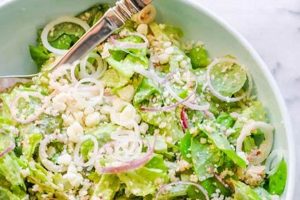
A vibrant Indonesian dish, this salad features a medley of blanched or steamed vegetables, tofu, tempeh, hard-boiled eggs, and lontong (compressed rice cakes), all generously coated in a rich and savory peanut sauce. Variations may include potatoes, green beans, spinach, bean sprouts, and cucumber. The peanut sauce is typically made from ground roasted peanuts, blended with ingredients like garlic, chilies, palm sugar, tamarind paste, and coconut milk, contributing a complex flavor profile balancing sweet, savory, spicy, and tangy notes.
This culinary creation offers a nutritious and flavorful meal, showcasing Indonesia’s rich agricultural diversity and culinary heritage. The dish represents a harmonious blend of textures and tastes, appealing to a wide range of palates. Historically, it likely originated as a simple, affordable meal using readily available ingredients. Its popularity has since spread throughout Indonesia and beyond, becoming a beloved national dish often enjoyed as a light lunch, starter, or street food delicacy.
Further exploration of this dish will encompass variations in regional preparations, ingredient sourcing, the nuanced art of crafting the perfect peanut sauce, and techniques for achieving optimal vegetable textures. Nutritional information and suggestions for adapting the recipe to dietary restrictions will also be addressed.
Tips for an Authentic Experience
Achieving an authentic and flavorful outcome requires attention to detail in ingredient selection and preparation. The following tips offer guidance for creating a truly exceptional culinary experience.
Tip 1: Freshly Ground Peanuts: Using freshly ground roasted peanuts for the sauce yields a superior flavor and aroma compared to pre-ground peanut butter. Roasting the peanuts enhances their natural oils and intensifies their nutty character.
Tip 2: Balancing Flavors in the Peanut Sauce: The peanut sauce should achieve a harmonious balance of sweet, savory, spicy, and tangy elements. Careful adjustment of palm sugar, tamarind paste, chilies, and salt is essential for optimal flavor complexity.
Tip 3: Properly Blanching Vegetables: Blanching vegetables briefly in boiling water preserves their vibrant colors, crisp textures, and nutritional value. Overcooking leads to mushy vegetables and diminished flavor.
Tip 4: Utilizing Authentic Ingredients: Ingredients such as kaffir lime leaves, galangal, and lemongrass contribute distinct aromatic notes characteristic of Indonesian cuisine. Sourcing these ingredients enhances the authenticity of the dish.
Tip 5: Achieving the Right Texture for Lontong: Lontong, compressed rice cakes, should be firm yet tender. Properly preparing the rice and wrapping it tightly for steaming ensures the desired texture.
Tip 6: Garnishing for Visual Appeal: Garnishing with fried shallots and chopped cilantro adds visual appeal and enhances the aromatic experience. A sprinkle of ground roasted peanuts provides an additional textural element.
Tip 7: Adapting Spice Levels: The level of spiciness can be adjusted by varying the amount of chilies used in the peanut sauce. This allows for customization to individual preferences.
By following these tips, one can create a dish that not only tastes delicious but also reflects the rich culinary traditions of Indonesia. Attention to these details elevates the experience from simply preparing a meal to crafting a culinary masterpiece.
This exploration of preparation techniques provides a solid foundation for understanding the nuances of this Indonesian culinary gem. The concluding section will offer final thoughts and suggestions for further culinary exploration.
1. Peanut Sauce

Peanut sauce forms the integral heart of Indonesian Gado-Gado salad, acting as more than just a dressing; it’s the defining characteristic that elevates the dish beyond a simple vegetable salad. Its rich, complex flavor profile harmonizes the diverse array of ingredients, creating a cohesive and satisfying culinary experience. Understanding the nuances of this sauce is key to appreciating the true essence of Gado-Gado.
- Flavor Profile
The peanut sauce’s flavor profile is a delicate balance of sweet, savory, spicy, and tangy elements. This complexity derives from a blend of roasted peanuts, garlic, chilies, palm sugar, tamarind paste, and often, coconut milk. The interplay of these ingredients creates a depth of flavor that complements the fresh vegetables and other components of the salad.
- Texture and Consistency
The texture of the peanut sauce is typically smooth and creamy, coating the salad ingredients evenly. The desired consistency can range from a slightly thicker sauce, ideal for clinging to vegetables, to a thinner version that acts more like a dressing. This texture is achieved by carefully balancing the ratio of peanuts to liquid ingredients during preparation.
- Cultural Significance
Peanut sauce holds significant cultural importance in Indonesian cuisine, reflecting the region’s abundant peanut production and culinary traditions. Its use extends beyond Gado-Gado, featuring prominently in other dishes like satay and various vegetable and noodle preparations. Its presence signifies a connection to Indonesian heritage and culinary expertise.
- Variations and Adaptations
While a core set of ingredients defines traditional peanut sauce, regional variations and individual adaptations exist. Some recipes incorporate ingredients like galangal, kaffir lime leaves, or shrimp paste to enhance the flavor profile. These variations reflect the diversity of Indonesian cuisine and offer opportunities for culinary exploration.
The peanut sauce, in its multifaceted role, defines the Gado-Gado experience. It provides a unifying flavor, desirable texture, and a connection to Indonesian culinary heritage. Mastery of this sauce is essential for crafting an authentic and truly exceptional Gado-Gado salad, showcasing the harmonious balance of flavors and textures that make this dish a celebrated Indonesian culinary icon.
2. Vegetable Variety
Vegetable variety is fundamental to the Indonesian Gado-Gado salad recipe, contributing not only to nutritional value but also to textural and flavor complexity. This diverse array of vegetables distinguishes Gado-Gado from simpler salads, elevating it to a more substantial and satisfying meal. The selection often reflects seasonal availability and regional preferences, showcasing Indonesia’s rich agricultural biodiversity.
The inclusion of a wide range of vegetables ensures a balanced nutritional profile, providing vitamins, minerals, and dietary fiber. Commonly used vegetables include leafy greens like spinach and kangkung (water spinach), providing vitamins A and K; cruciferous vegetables such as cabbage and bean sprouts, offering vitamin C and antioxidants; and root vegetables like potatoes and carrots, contributing carbohydrates and additional vitamins. This diversity ensures that Gado-Gado offers a comprehensive nutritional package. For example, the contrast between the crispness of raw cucumber and the tenderness of blanched long beans demonstrates the textural interplay achieved through vegetable variety. Similarly, the slightly bitter flavor of kangkung balances the sweetness of carrots and the earthiness of potatoes, showcasing the role of vegetable variety in flavor balancing.
Understanding the role of vegetable variety in Gado-Gado is crucial for achieving an authentic and balanced culinary experience. This variety enhances nutritional value, contributes to textural complexity, and allows for flavor balancing, ultimately elevating the dish beyond a basic salad. Adapting vegetable selections based on seasonal availability and regional preferences allows for flexibility while preserving the core principles of this Indonesian culinary classic.
3. Lontong (Rice Cakes)

Lontong, compressed rice cakes, represent an essential component of Indonesian Gado-Gado salad, providing a textural and flavorful counterpoint to the fresh vegetables and rich peanut sauce. Understanding the preparation and cultural significance of lontong is crucial for appreciating its contribution to this iconic dish. Lontong adds a substantial, starchy element to the salad, balancing the lighter vegetables and creating a more complete and satisfying meal.
- Preparation and Texture
Lontongs unique texture derives from its preparation method. Cooked rice is tightly wrapped in banana leaves or plastic, then steamed or boiled until compressed and firm. This process creates a dense, slightly chewy texture that contrasts with the crispness of the fresh vegetables and the creaminess of the peanut sauce. The resulting texture is key to the overall sensory experience of Gado-Gado.
- Cultural Significance
Beyond its culinary function, lontong holds cultural significance in Indonesia, often served during festive occasions and celebrations. Its presence in Gado-Gado connects the dish to broader Indonesian culinary traditions. Lontong symbolizes community and shared meals, enriching the cultural context of the salad.
- Flavor Profile
While relatively mild in flavor, lontong readily absorbs the flavors of the surrounding ingredients, particularly the rich peanut sauce. This subtle flavor absorption enhances its integration within the overall dish, acting as a flavor carrier for the dominant peanut sauce. The mildness of lontong also prevents it from overpowering the other delicate flavors in the salad.
- Regional Variations
While the basic principle of compressed rice remains consistent, regional variations in lontong preparation exist across Indonesia. Some regions might add herbs or spices to the rice before wrapping, subtly influencing the final flavor profile. These regional variations offer nuanced interpretations of this staple ingredient, further enhancing the diversity of Gado-Gado preparations.
Lontong, in its distinct texture, cultural significance, subtle flavor absorption, and regional variations, plays a vital role in Indonesian Gado-Gado salad. It provides a textural counterpoint to the fresh vegetables, absorbs the rich flavors of the peanut sauce, and connects the dish to broader Indonesian culinary traditions. Appreciating the nuances of lontong enhances the understanding and enjoyment of this celebrated Indonesian culinary creation.
4. Tofu and Tempeh
Tofu and tempeh, prominent ingredients in Indonesian cuisine, contribute significantly to the nutritional and textural complexity of Gado-Gado salad. Derived from soybeans, these plant-based protein sources offer distinct characteristics that enhance the dish’s overall appeal. Their inclusion reflects Indonesia’s historical reliance on soy-based foods for protein and their adaptability in various culinary applications. Tofu, made from coagulated soy milk, provides a soft, spongy texture that readily absorbs the flavors of the peanut sauce. Tempeh, formed from fermented soybeans, offers a firmer texture and a slightly nutty, earthy flavor that complements the fresh vegetables. The combination of tofu and tempeh contributes a balanced protein profile, complementing the other ingredients and making Gado-Gado a more substantial and satisfying meal. For example, in a traditional Gado-Gado recipe, the soft tofu absorbs the rich peanut sauce, while the firmer tempeh provides a pleasant chewiness, contrasting with the crisp vegetables and soft lontong. This interplay of textures is a hallmark of a well-made Gado-Gado salad.
The nutritional benefits of incorporating tofu and tempeh extend beyond protein content. They are sources of essential amino acids, dietary fiber, and minerals like iron and calcium. This nutritional density enhances the healthfulness of Gado-Gado, making it a nutritious and balanced meal option. Furthermore, the versatility of tofu and tempeh allows for variations in preparation methods. They can be pan-fried, deep-fried, or steamed before being added to the salad, each method imparting a distinct flavor and texture. This adaptability allows for customization based on individual preferences and dietary needs. In some regional variations, tofu and tempeh might be marinated in spices before cooking, adding another layer of flavor complexity to the dish. These variations showcase the versatility of these ingredients within the context of Gado-Gado.
Understanding the roles of tofu and tempeh in Indonesian Gado-Gado salad provides insight into the dish’s nutritional value, textural complexity, and cultural significance. These ingredients contribute essential nutrients, distinct textures, and flavor profiles that enhance the overall culinary experience. Their inclusion reflects not only Indonesia’s rich culinary traditions but also the practical application of readily available, plant-based protein sources. The ability to adapt preparation methods further underscores their versatility and importance in Indonesian cuisine and beyond.
5. Complementary Proteins (e.g., Egg)
While plant-based proteins like tofu and tempeh form a substantial foundation, complementary proteins, often exemplified by eggs, further enhance the nutritional profile of Indonesian Gado-Gado salad. These additions broaden the range of amino acids available, contributing to a more complete protein source within the dish. Understanding the role and implications of these complementary proteins provides a deeper appreciation for the nutritional balance achieved in Gado-Gado.
- Nutritional Enhancement
The inclusion of complementary proteins addresses potential limitations in the amino acid profiles of plant-based proteins. While tofu and tempeh offer valuable protein content, they may not individually provide all essential amino acids in optimal ratios. Eggs, rich in essential amino acids, complement the plant-based proteins, ensuring a more comprehensive amino acid intake. This combination creates a synergistic effect, maximizing the nutritional value of the protein component in Gado-Gado.
- Flavor and Texture Contributions
Beyond nutritional benefits, complementary proteins contribute to the flavor and textural complexity of the salad. Hard-boiled eggs, a common addition, provide a creamy yolk and a firm white, contrasting with the textures of the vegetables, tofu, and tempeh. The subtle flavor of the egg integrates seamlessly with the rich peanut sauce, enhancing the overall sensory experience. The interplay of textures and flavors adds another dimension to the dish, elevating it beyond a simple vegetable salad.
- Cultural and Culinary Context
The use of eggs as a complementary protein aligns with broader Indonesian culinary traditions. Eggs are a readily available and affordable source of protein, frequently incorporated into various Indonesian dishes. Their presence in Gado-Gado reflects practical resourcefulness and aligns with established dietary habits. This integration reinforces the dish’s connection to Indonesian culinary heritage.
- Adaptability and Variations
While eggs represent a common choice, other complementary proteins can be incorporated based on dietary preferences and regional variations. Seafood, such as shrimp or fish, can provide alternative protein sources, adding distinct flavors and textures. These variations reflect the adaptability of Gado-Gado and its capacity to accommodate diverse dietary needs and regional culinary influences. This flexibility allows for personalization while maintaining the core essence of the dish.
The inclusion of complementary proteins like eggs in Indonesian Gado-Gado salad represents a thoughtful approach to nutritional balance and culinary artistry. These additions enhance the protein profile, contribute to textural and flavor complexity, and align with established Indonesian culinary traditions. Understanding this aspect of Gado-Gado provides deeper insight into the dish’s nutritional value and cultural significance, demonstrating a holistic approach to creating a balanced and satisfying meal.
Frequently Asked Questions
This section addresses common inquiries regarding the preparation and understanding of Indonesian Gado-Gado salad, offering clarity and guidance for both novice and experienced cooks.
Question 1: What is the best way to achieve a smooth and creamy peanut sauce?
Freshly ground roasted peanuts contribute significantly to a smoother, more flavorful sauce. Soaking peanuts before grinding can also enhance smoothness. A blender or food processor is recommended for optimal emulsification.
Question 2: Can the vegetable selection be modified?
Flexibility in vegetable selection is encouraged. While traditional recipes offer guidance, adapting the vegetables based on seasonal availability, personal preferences, and dietary needs allows for customization. Maintaining a variety of textures and colors is recommended.
Question 3: What are suitable alternatives to lontong (rice cakes)?
While lontong offers a traditional experience, alternatives like steamed rice or potatoes can be substituted. These alternatives offer similar textural and carbohydrate components, ensuring a balanced and satisfying meal.
Question 4: How can spice levels be adjusted in the peanut sauce?
Spice levels are easily adjusted by varying the quantity of chilies used. Omitting chilies entirely creates a mild sauce, while incorporating additional chilies, or spicier varieties, increases the heat. Taste testing during preparation allows for precise control.
Question 5: How long can Gado-Gado be stored?
Refrigeration is recommended for storing leftover Gado-Gado. Storing the peanut sauce and vegetables separately helps maintain optimal textures. Consumption within two days is advised for optimal quality and food safety.
Question 6: Are there gluten-free adaptations for the recipe?
Ensuring the use of tamari or coconut aminos in place of traditional soy sauce, if used, and verifying the gluten-free status of other ingredients like tempeh (some brands may contain gluten) are key steps for gluten-free adaptation. Careful attention to ingredient sourcing is crucial for dietary compliance.
Understanding these key aspects of Gado-Gado preparation ensures a successful and enjoyable culinary experience. Addressing these frequently asked questions provides a foundation for navigating the nuances of this Indonesian classic.
The following section will explore the rich cultural history and significance of Indonesian Gado-Gado salad, providing deeper context for this culinary creation.
Indonesian Gado-Gado Salad Recipe
This exploration of Indonesian Gado-Gado salad recipes has delved into the multifaceted aspects of this dish, from its core components and preparation techniques to its nutritional value and cultural significance. The examination of the peanut sauce, the diverse array of vegetables, the essential role of lontong, the inclusion of tofu and tempeh, and the addition of complementary proteins like eggs reveals a complex and balanced culinary creation. Furthermore, addressing frequently asked questions provides practical guidance for achieving an authentic and enjoyable Gado-Gado experience. The adaptability of the recipe, accommodating regional variations and dietary preferences, highlights its versatility and enduring appeal.
Indonesian Gado-Gado salad represents more than just a simple meal; it embodies a culinary tradition deeply rooted in Indonesian culture. The dish reflects resourcefulness, adaptability, and a profound understanding of flavor balance and nutritional harmony. Further exploration of Indonesian cuisine, and culinary traditions worldwide, promises a deeper appreciation for the diverse and enriching experiences food can offer. Encouraging culinary curiosity fosters cultural understanding and promotes a richer connection to the global community through shared culinary experiences.