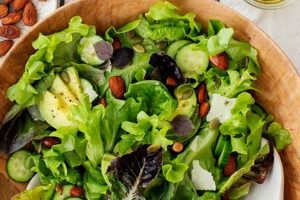
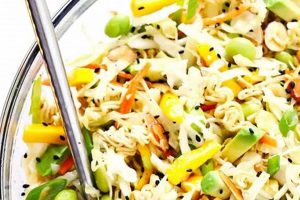
A collection of fresh, vibrant ingredients, skillfully combined, forms the foundation of a satisfying and nutritious salad. Leafy greens provide the base, complemented by other vegetables, fruits, nuts, seeds, and often a protein source like grilled chicken or chickpeas. A well-balanced dressing enhances the flavors without overpowering the individual components. An example might include crisp romaine lettuce, juicy cherry tomatoes, crunchy cucumber, slivered almonds, and grilled chicken breast, tossed with a light vinaigrette.
Salads offer numerous health benefits, providing essential vitamins, minerals, and fiber. They can contribute to weight management, improved digestion, and increased energy levels. Historically, salads have evolved from simple combinations of raw greens to elaborate culinary creations, reflecting cultural influences and seasonal availability of ingredients. Their adaptability and versatility have cemented their place as a staple in cuisines worldwide.
This article will delve deeper into the art of crafting a delightful salad. Topics covered include selecting the freshest ingredients, understanding flavor profiles, creating homemade dressings, and exploring various combinations to elevate salads from a simple side dish to a satisfying main course.
Tips for Creating Exceptional Salads
Crafting a truly delicious and nutritious salad involves more than simply tossing ingredients together. Attention to detail, from ingredient selection to dressing preparation, elevates the final product.
Tip 1: Prioritize Fresh, Seasonal Produce: Selecting produce at its peak ripeness guarantees optimal flavor and nutritional value. Farmers’ markets offer a wide array of seasonal options.
Tip 2: Embrace Variety in Textures and Colors: Combine contrasting textures, such as crisp lettuce, crunchy nuts, and soft cheese, to create a more engaging culinary experience. Incorporate a spectrum of colors for visual appeal and a wider range of nutrients.
Tip 3: Wash and Dry Greens Thoroughly: Properly cleaned and dried greens provide a crisp foundation. Excess water dilutes dressings and makes the salad soggy.
Tip 4: Dress Strategically: Add dressing just before serving to prevent the salad from wilting. Toss gently to coat the ingredients evenly.
Tip 5: Experiment with Flavor Combinations: Don’t be afraid to explore different flavor profiles. Balance sweet, savory, tangy, and spicy elements for a complex and satisfying experience.
Tip 6: Consider Homemade Dressings: Homemade dressings offer greater control over ingredients and flavor profiles. They can be easily customized to complement the salad’s components.
Tip 7: Proper Storage Maintains Freshness: Store prepared salad components separately and combine just before serving. Keep greens in airtight containers lined with paper towels to absorb excess moisture.
By following these guidelines, one can consistently create salads that are both healthy and delightful. These tips enhance flavor, texture, and nutritional value, transforming a simple salad into a culinary masterpiece.
In conclusion, creating a truly exceptional salad requires attention to detail and a willingness to experiment with flavors and textures. By embracing these principles, one can elevate the humble salad to a star culinary creation.
1. Fresh, High-Quality Greens

Fresh, high-quality greens form the foundation of any good green salad. The overall success of the salad hinges significantly on the condition of its leafy base. Wilted, bruised, or otherwise compromised greens detract from the sensory experience, impacting both flavor and texture. Crisp, vibrant greens, on the other hand, contribute a refreshing taste and satisfying crunch, enhancing the appeal of the entire composition. This foundational element sets the stage for the other ingredients and the dressing to shine. For example, using fresh, crisp romaine lettuce as the base for a Caesar salad provides a robust platform for the creamy dressing, Parmesan cheese, and croutons. Conversely, using limp, discolored lettuce would diminish the overall enjoyment of the dish, regardless of the quality of the other components.
The choice of greens significantly influences the nutritional value and flavor profile of the salad. Nutrient-rich options like spinach or kale offer a boost of vitamins and minerals, while milder greens like butter lettuce provide a delicate backdrop for other flavors to emerge. Furthermore, the freshness of the greens impacts their texture. Freshly harvested greens retain their crispness, contributing to a pleasant mouthfeel, while older greens tend to become wilted and less palatable. This textural element plays a crucial role in the overall enjoyment of the salad. The crispness of fresh greens offers a satisfying contrast to other ingredients, such as creamy cheeses or crunchy nuts, adding another dimension to the culinary experience.
Selecting and handling greens properly is essential for maximizing their contribution to a good green salad. Look for greens that are vibrant in color, free from blemishes, and have a firm texture. Store greens properly in the refrigerator to maintain their freshness. Washing and drying greens thoroughly before assembling the salad removes any residual soil and prevents the dressing from becoming diluted. Ultimately, the quality of the greens directly correlates with the overall quality of the salad. Prioritizing fresh, high-quality greens ensures a flavorful, nutritious, and texturally satisfying culinary experience. Failing to prioritize this foundational element compromises the integrity of the entire dish.
2. Variety of Textures

Textural diversity significantly contributes to a positive salad experience. A combination of crisp, crunchy, smooth, and chewy elements elevates a salad from merely palatable to genuinely enjoyable. This interplay of textures creates a more dynamic and satisfying sensory experience. Consider the difference between a salad composed solely of lettuce and one that includes toasted nuts, crumbled cheese, and roasted vegetables. The latter offers a more complex and engaging mouthfeel, enhancing overall enjoyment. This principle applies universally to salads, regardless of the specific ingredients or cultural context. The strategic inclusion of various textures enriches the dining experience, making the salad more memorable and satisfying. A well-composed salad should stimulate multiple taste receptors and offer a complex textural profile.
Achieving textural variety can be accomplished through several methods. Incorporating ingredients like nuts, seeds, croutons, or crispy vegetables provides crunch. Adding elements like dried fruit, roasted chickpeas, or cooked grains introduces chewiness. Soft cheeses, avocado, or hard-boiled eggs contribute creamy or smooth textures. The careful selection and combination of these elements prevents monotony and ensures a balanced, stimulating sensory experience. For example, a salad featuring crisp romaine lettuce, crunchy toasted walnuts, creamy goat cheese, and chewy dried cranberries exemplifies the power of textural variation. Each bite offers a different combination of sensations, making the salad more appealing and enjoyable. Failing to incorporate textural variety can result in a bland and uninspiring salad, regardless of the quality of the individual ingredients.
Understanding the role of texture in a good green salad recipe allows for more deliberate and creative salad construction. Considering the interplay of textures when selecting ingredients elevates the salad from a simple combination of components to a well-composed dish. This awareness enhances culinary creativity and results in a more satisfying and enjoyable dining experience. The integration of diverse textures transforms a basic salad into a culinary creation that is both flavorful and texturally stimulating. This principle, when applied effectively, elevates the simplest salad to a more complex and rewarding experience.
3. Complementary Flavors

Flavor balance constitutes a critical element in a successful green salad. Harmonizing diverse tastes elevates the salad beyond a mere collection of ingredients, transforming it into a cohesive and enjoyable culinary experience. Understanding the interplay of sweet, sour, salty, bitter, and umami elements allows for the creation of a salad that is both complex and refreshing. This section explores the facets of complementary flavors within the context of a good green salad recipe.
- Balancing Sweet and Savory
The interplay of sweetness and savoriness provides depth and complexity. Sweet elements, such as fruits or caramelized nuts, can offset the savory notes of ingredients like cheese or roasted vegetables. For instance, the sweetness of dried cranberries complements the salty tang of feta cheese in a spinach salad. This balance prevents one flavor from dominating and creates a more nuanced taste profile. The strategic use of sweet and savory components ensures a harmonious and satisfying salad experience.
- Integrating Acidity
Acidity plays a crucial role in brightening and balancing flavors. Vinegars, citrus juices, or acidic fruits like tomatoes introduce a tartness that cuts through richness and enhances other flavors. A squeeze of lemon juice can lift the flavor of a simple green salad with cucumbers and herbs. Acidity also helps to preserve the vibrant color of greens and adds a refreshing element to the overall composition. The appropriate level of acidity prevents the salad from tasting bland or heavy.
- The Role of Umami
Umami, often described as a savory richness, adds depth and complexity to a salad. Ingredients like Parmesan cheese, mushrooms, or seaweed contribute umami notes, enhancing the overall flavor profile. For example, adding shavings of Parmesan cheese to a Caesar salad imparts a savory depth that complements the creamy dressing and crunchy croutons. Umami enhances the other flavors present in the salad, creating a more complete and satisfying taste experience.
- Bitterness as a Counterpoint
While often overlooked, bitterness can play a valuable role in balancing flavors. Ingredients like radicchio, endive, or certain herbs offer a subtle bitterness that contrasts with sweetness and richness. The slight bitterness of radicchio complements the sweetness of roasted pears and the creamy texture of Gorgonzola cheese in a composed salad. The judicious use of bitter elements prevents the salad from becoming overly sweet or rich, contributing to a more balanced flavor profile.
The careful consideration of these flavor components contributes significantly to the overall success of a green salad. The interplay of complementary flavors creates a harmonious and enjoyable dining experience, transforming a simple salad into a well-balanced and flavorful dish. By understanding these principles, one can create salads that are not only nutritious but also offer a complex and satisfying taste experience. This knowledge empowers individuals to experiment with different flavor combinations and create truly exceptional salads.
4. Balanced Dressing

A balanced dressing is paramount to a good green salad recipe. It serves as the unifying element, binding the individual components together while enhancing their flavors without overpowering them. A well-executed dressing elevates the entire salad, transforming it from a simple assemblage of ingredients into a cohesive and flavorful dish. The balance refers to the harmonious interplay of different taste elements within the dressing itself acidity, sweetness, saltiness, and fattiness. An excess of any single element can disrupt the balance and detract from the overall enjoyment of the salad. For example, a dressing that is overly acidic can make the salad taste sharp and unpleasant, while a dressing that is too sweet can mask the flavors of the other ingredients. A vinaigrette made with equal parts olive oil and vinegar, seasoned with a pinch of salt and a touch of honey, illustrates a balanced approach. The acidity of the vinegar is tempered by the richness of the olive oil, while the honey adds a subtle sweetness that complements the other flavors.
The importance of a balanced dressing extends beyond mere flavor enhancement. It also contributes to the overall texture and mouthfeel of the salad. The right dressing can add a desirable creaminess or a light coating that enhances the palatability of the ingredients. Furthermore, the dressing plays a role in preserving the freshness and crispness of the greens. An overly acidic dressing can cause delicate greens to wilt, while a dressing that is too thick can weigh them down and make them soggy. Consider a classic Caesar salad: the creamy dressing not only adds flavor but also clings to the romaine lettuce, creating a satisfying textural experience. The emulsion of egg yolks, olive oil, lemon juice, and Parmesan cheese provides a rich coating that enhances the flavor and texture of the lettuce without making it soggy.
Achieving a balanced dressing requires careful consideration of the other salad components. The dressing should complement the flavors of the greens and other ingredients, not compete with them. A light vinaigrette is often ideal for delicate greens and vegetables, while a richer, creamier dressing might be better suited for heartier salads with roasted vegetables or protein. Ultimately, a balanced dressing is crucial for a good green salad recipe, contributing not only to the flavor but also to the overall texture and enjoyment of the dish. Understanding the principles of balance allows for greater control over the final product, enabling the creation of salads that are both flavorful and satisfying. Mastering this aspect of salad preparation is essential for consistently creating high-quality, enjoyable salads.
5. Proper Ingredient Preparation

Proper ingredient preparation is essential for creating a good green salad recipe. It elevates the salad from a basic mix of components to a carefully constructed dish that maximizes flavor, texture, and visual appeal. Careful attention to each ingredient’s preparation ensures optimal quality and contributes significantly to the overall dining experience. This involves several key facets that influence the final outcome.
- Washing and Drying
Thorough washing removes soil, debris, and potential contaminants from greens and other vegetables. Proper drying prevents the dressing from becoming diluted and maintains the crispness of the greens. This step is crucial for both food safety and maintaining the desired texture of the salad. Neglecting this step can lead to a soggy salad with compromised flavor. For example, washing and thoroughly drying spinach before adding it to a salad with strawberries and feta ensures that the dressing adheres properly and the delicate spinach leaves remain crisp.
- Cutting and Chopping
Uniformly sized pieces ensure even distribution of flavor and contribute to a visually appealing presentation. Different cutting techniques can also influence the texture of the salad. For instance, thinly slicing carrots creates a delicate texture, while coarsely chopping them offers a more robust bite. Similarly, tearing lettuce leaves instead of chopping them preserves their delicate structure and prevents bruising. Careful knife work results in a more aesthetically pleasing and palatable salad. A Greek salad, for example, typically features evenly diced cucumbers, tomatoes, and onions, creating a harmonious blend of flavors and textures.
- Utilizing Appropriate Techniques for Specific Ingredients
Certain ingredients require specific preparation methods to optimize their flavor and texture. For example, blanching or roasting vegetables before adding them to a salad can enhance their sweetness and tenderness. Nuts and seeds benefit from toasting, which intensifies their flavor and adds a satisfying crunch. Similarly, marinating certain vegetables, such as red onions, can mellow their sharpness and add depth of flavor. Understanding these nuances allows for greater control over the final product and results in a more complex and flavorful salad.
- Timing of Preparation
Preparing ingredients at the appropriate time preserves their freshness and quality. Delicate greens should be washed and dried just before serving to prevent wilting. Some ingredients, like avocados or apples, are prone to browning and should be prepared at the last minute. Proper timing ensures that each ingredient contributes its optimal flavor and texture to the final dish. For example, preparing a fruit salad too far in advance can result in discoloration and a loss of flavor.
In conclusion, proper ingredient preparation is integral to a good green salad recipe. It ensures that each component contributes its optimal qualities to the finished dish, resulting in a salad that is not only visually appealing but also flavorful and texturally satisfying. Attention to detail in these seemingly small steps significantly impacts the overall dining experience, elevating the humble salad to a carefully crafted culinary creation. Mastering these techniques allows for consistent creation of exceptional salads that delight the palate and nourish the body.
6. Appealing Presentation

Appealing presentation significantly enhances the perceived value and enjoyment of a good green salad recipe. Visual appeal stimulates appetite and creates a more positive dining experience. A thoughtfully arranged salad engages multiple senses, impacting enjoyment before the first bite. Consider the difference between a haphazardly tossed salad and one meticulously arranged with vibrant colors, contrasting textures, and thoughtful placement of ingredients. The latter immediately suggests greater care and attention to detail, elevating the perceived quality of the dish. This principle extends beyond restaurant settings; even a simple salad prepared at home benefits from mindful presentation. For example, a Caprese salad, with its alternating slices of tomato, mozzarella, and basil, exemplifies the power of visual appeal. The vibrant colors and geometric arrangement create a sense of anticipation and enhance the overall dining experience.
Several techniques contribute to appealing salad presentation. Utilizing a variety of colors, shapes, and heights adds visual interest. Consider incorporating ingredients with contrasting colors, such as red tomatoes, green spinach, and orange carrots, to create a vibrant and visually stimulating display. Varying the shapes and sizes of ingredients further enhances visual appeal. For example, incorporating cherry tomatoes alongside larger sliced tomatoes adds visual dynamism. Creating height within the salad, perhaps by mounding greens or strategically placing taller elements, adds another dimension to the presentation. Additionally, the choice of serving dish can contribute to the overall aesthetic. A simple white bowl allows the colors of the salad to shine, while a rustic wooden bowl adds a touch of earthiness. The thoughtful application of these techniques elevates the salad from a simple dish to a visually appealing culinary creation.
While flavor and nutritional value remain paramount, presentation plays a crucial role in the overall success of a good green salad recipe. A visually appealing salad enhances the dining experience, increasing enjoyment and perceived value. This understanding allows for more intentional and creative salad construction, transforming a simple meal into a more engaging and satisfying experience. Practical application of these principles, even in everyday meal preparation, elevates the simplest salad to a more aesthetically pleasing and enjoyable dish. Therefore, attention to presentation should be considered an integral part of any good green salad recipe.
Frequently Asked Questions
This section addresses common inquiries regarding the creation of satisfying and nutritious green salads.
Question 1: How can wilting be prevented in a green salad?
Wilting is often caused by excess moisture. Thoroughly drying greens after washing and adding dressing just before serving helps prevent this issue. Storing greens separately from other ingredients and dressings also prolongs their crispness.
Question 2: What are effective methods for incorporating more nutrients into a green salad?
Nutrient density can be increased by incorporating a variety of colorful vegetables, such as bell peppers, carrots, and spinach. Adding protein sources like beans, lentils, nuts, seeds, or lean meats further enhances nutritional value.
Question 3: Beyond lettuce, what other greens can be used as a base?
Numerous leafy greens offer excellent alternatives to lettuce, including spinach, kale, arugula, romaine, watercress, and mesclun mix. Each possesses distinct flavor profiles and nutritional benefits.
Question 4: What are strategies for creating flavorful salads without relying on excessive amounts of dressing?
Flavor can be enhanced through the incorporation of fresh herbs, spices, citrus zest, or a small amount of a strongly flavored cheese. Toasted nuts, seeds, or dried fruits also contribute flavor and texture without increasing dressing volume.
Question 5: How can one make a salad a satisfying main course rather than a side dish?
Transforming a salad into a main course typically involves adding protein and healthy fats. Grilled chicken or fish, beans, lentils, tofu, avocado, nuts, and seeds are excellent options. Incorporating whole grains, like quinoa or farro, further increases satiety.
Question 6: What are the best methods for storing leftover salad ingredients?
Storing ingredients separately maximizes their shelf life. Greens should be stored in airtight containers lined with paper towels to absorb moisture. Dressings, proteins, and other components should each be stored separately in appropriate containers.
Understanding these fundamental principles allows for the consistent creation of healthy and flavorful salads. Careful attention to ingredient selection, preparation, and storage ensures optimal quality and enjoyment.
The following section will provide specific examples of various salad recipes to further illustrate these concepts.
Conclusion
This exploration of optimal green salad construction has highlighted the multifaceted nature of the endeavor. Emphasis has been placed on the selection of fresh, high-quality ingredients and the importance of textural and flavor balance. Proper ingredient preparation techniques, from washing and drying greens to specific methods for various components, have been detailed. The significance of a well-balanced dressing and the impact of thoughtful presentation have also been underscored. Each element contributes synergistically to the creation of a truly satisfying and nutritious culinary experience.
Ultimately, achieving excellence in green salad preparation necessitates a holistic approach, encompassing ingredient selection, preparation techniques, and thoughtful presentation. Applying these principles elevates the simple green salad from a basic side dish to a culinary creation that delights the senses and nourishes the body. The potential for creativity within this seemingly simple dish is vast, offering endless opportunities for exploration and enjoyment. The journey towards mastering the art of the green salad is an ongoing exploration of flavor, texture, and aesthetic principles, ultimately leading to a richer and more rewarding culinary experience.