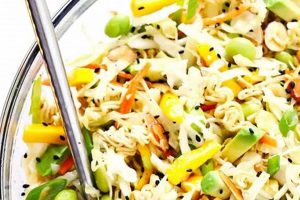
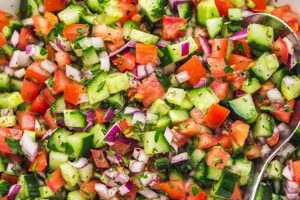
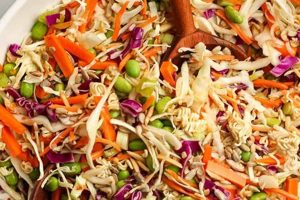
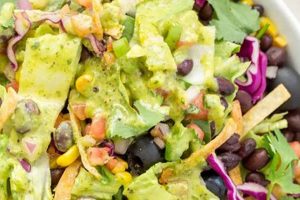
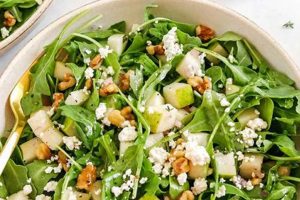
A traditional ensalada Colombiana typically features a simple combination of fresh ingredients like tomatoes, onions, and cilantro, often dressed with a lime vinaigrette. Variations might include avocado, cucumbers, or other locally available produce. A key element is the finely diced nature of the ingredients, creating a refreshing and light dish.
This type of salad offers a nutritious and flavorful accompaniment to a variety of Colombian main courses, balancing richer flavors with its bright acidity and crisp textures. Its simplicity reflects a resourcefulness in utilizing fresh, readily available ingredients, highlighting the importance of fresh produce in Colombian cuisine. The preparation, often passed down through generations, connects contemporary Colombian tables to their culinary heritage.
Further exploration of this topic will cover regional variations, specific ingredient selections, preparation techniques, and suggested pairings for a truly authentic culinary experience. Analyses of nutritional value and adaptations for dietary restrictions will also be provided.
Tips for Preparing an Authentic Ensalada Colombiana
Achieving the perfect balance of flavor and texture in a traditional Colombian salad requires attention to detail and an understanding of key ingredients.
Tip 1: Ingredient Selection: Opt for ripe, flavorful tomatoes, preferably locally sourced. Sweet onions, such as Vidalia, provide a milder flavor profile that complements the other ingredients. Fresh cilantro is essential for the characteristic herbaceous note.
Tip 2: Knife Skills: Finely dicing the vegetables ensures even distribution of flavor and creates a pleasant texture. Uniformity in size enhances the overall presentation.
Tip 3: Lime Vinaigrette: Freshly squeezed lime juice forms the base of the dressing. A simple blend of lime juice, salt, and a touch of oil creates a bright, acidic counterpoint to the vegetables’ sweetness.
Tip 4: Avocado Inclusion: When incorporating avocado, add it just before serving to prevent browning and maintain its creamy texture. Gently fold the diced avocado into the salad to avoid overmixing.
Tip 5: Seasoning: Salt plays a crucial role in enhancing the flavors of the individual ingredients. Seasoning should be done judiciously, tasting and adjusting as needed.
Tip 6: Serving Temperature: Serve the salad chilled to maximize its refreshing qualities. Chilling allows the flavors to meld and enhances the crispness of the vegetables.
Tip 7: Complementary Pairings: This salad serves as a perfect complement to grilled meats, rice dishes, and other traditional Colombian fare. Its lightness provides a refreshing contrast to richer, heavier dishes.
By following these guidelines, one can create a truly authentic and flavorful ensalada Colombiana, capturing the essence of Colombian culinary tradition.
This exploration of preparation tips concludes the main content of this article. The following section will provide a brief summary and concluding remarks.
1. Fresh Ingredients

The emphasis on fresh ingredients is paramount in a truly authentic Colombian salad. This focus not only contributes to vibrant flavors and appealing textures but also reflects a deep appreciation for the agricultural bounty of Colombia and its culinary traditions.
- Locally Sourced Produce
Traditional Colombian salads often feature locally sourced produce, reflecting the seasonality and regional diversity of ingredients. Tomatoes, onions, and cilantro, frequently cultivated in local markets and gardens, provide the foundation for the salad’s flavor profile. Choosing locally grown produce supports local economies and ensures optimal ripeness and flavor.
- Ripeness and Quality
The quality and ripeness of the ingredients directly impact the final dish. Ripe, juicy tomatoes offer a sweetness that balances the acidity of the lime dressing. Similarly, fresh cilantro provides a vibrant herbaceous note that is essential to the overall flavor profile. Careful selection ensures the salad’s refreshing and vibrant character.
- Minimal Processing
Colombian salads typically involve minimal processing of ingredients. The focus remains on showcasing the natural flavors of fresh produce. The simple preparation, often just dicing or slicing, preserves the integrity and nutritional value of the ingredients, resulting in a light and refreshing dish.
- Seasonality and Availability
While the core ingredients remain consistent, variations in a Colombian salad may reflect seasonal availability and regional preferences. The inclusion of ingredients like avocado, cucumber, or other local produce showcases the adaptability of the dish and its connection to the agricultural landscape.
The emphasis on fresh, high-quality ingredients underscores the importance of simplicity and seasonality in Colombian cuisine. This commitment to fresh produce contributes significantly to the salad’s vibrant flavors, crisp textures, and nutritional value, ultimately shaping its role as a refreshing and essential component of the Colombian culinary experience.
2. Precise Dicing

Precise dicing plays a crucial role in the final quality and enjoyment of a Colombian salad. Uniformly sized pieces ensure even distribution of flavor throughout the salad. This consistency allows the lime vinaigrette to coat each piece effectively, maximizing the balance between the acidity of the dressing and the sweetness of the vegetables. Furthermore, precise dicing contributes to a pleasant textural experience, offering a consistent mouthfeel.
Consider the difference between a roughly chopped salad and one with precisely diced ingredients. In the former, larger pieces might overwhelm the palate with a single flavor, while smaller pieces might become lost. Precise dicing ensures each bite contains a harmonious blend of all ingredients. For example, a large chunk of onion could overpower the delicate flavor of the tomato, whereas uniformly small pieces allow both flavors to meld harmoniously. This balance is essential for achieving the desired flavor profile.
The practical significance of precise dicing extends beyond flavor and texture. It also reflects a respect for the ingredients and a commitment to culinary excellence. While seemingly a minor detail, the care taken in preparation elevates the simple salad to a dish that embodies both tradition and culinary skill. Mastering this technique enhances not only the salad’s aesthetic appeal but also its overall culinary impact. This attention to detail distinguishes a truly authentic Colombian salad.
3. Lime Vinaigrette
The lime vinaigrette serves as a pivotal element in a Colombian salad recipe, providing a crucial balance of acidity that complements the fresh ingredients. More than a simple dressing, it represents a fundamental component that elevates the salad’s flavor profile. Its simplicity underscores the emphasis on fresh, high-quality ingredients characteristic of Colombian cuisine.
- Acidity and Brightness
The lime’s acidity provides a refreshing counterpoint to the inherent sweetness of the vegetables, particularly tomatoes and onions. This brightness awakens the palate and enhances the overall sensory experience. The sharpness cuts through the richness of accompanying dishes, offering a palate cleanser between bites.
- Simplicity and Balance
The vinaigrette’s simplicity, typically consisting of fresh lime juice, salt, and sometimes a touch of oil, highlights the focus on the natural flavors of the ingredients. It avoids overpowering the delicate flavors of the vegetables while enhancing their inherent sweetness and freshness.
- Cultural Significance
The use of lime juice reflects broader culinary traditions in Latin American cuisine, where citrus fruits play a significant role in flavoring dishes. This reflects not only the availability of these ingredients but also their established place within the regional culinary heritage.
- Variations and Adaptations
While the basic recipe remains consistent, regional variations might incorporate additional ingredients like aji amarillo paste or other local peppers for a touch of heat. These adaptations reflect the diverse culinary landscape within Colombia and demonstrate the adaptability of the basic vinaigrette.
The lime vinaigrette, in its simplicity and vibrancy, is integral to the Colombian salad experience. It exemplifies the delicate balance between acidity and freshness that characterizes this dish, solidifying its role as a staple in Colombian cuisine. The careful balance achieved by the lime vinaigrette underscores the importance of each component in creating a harmonious and flavorful salad.
4. Regional Variations
Regional variations in Colombian salad recipes offer a fascinating lens through which to explore the diverse culinary landscape of the country. These variations are not merely superficial changes but reflect deeper influences such as climate, agriculture, and cultural traditions. Understanding these influences provides valuable insight into the complex interplay between food and place.
Coastal regions, with their abundant seafood and tropical fruits, might incorporate ingredients like mango, pineapple, or even shredded crab into their salads. The inclusion of these ingredients reflects the readily available resources and the lighter, brighter flavor profiles favored in warmer climates. In contrast, mountainous regions might feature heartier additions like potatoes or corn, reflecting the crops cultivated at higher altitudes and the need for more substantial fare. The use of locally sourced ingredients reinforces the connection between cuisine and environment.
Beyond ingredient variations, regional differences can also extend to preparation techniques and dressing styles. For instance, some regions might favor a spicier vinaigrette incorporating aji amarillo or other chili peppers, while others might prefer a milder, more herbaceous dressing. These nuances demonstrate the evolution of culinary traditions within specific communities and the adaptation of recipes to local tastes. For example, the use of aji amarillo in coastal regions reflects the influence of Peruvian cuisine, demonstrating cultural exchange and adaptation.
Appreciating these regional variations enhances understanding of Colombian cuisine beyond a single, monolithic definition. It underscores the dynamism of culinary traditions and their responsiveness to local conditions. Recognizing these nuances fosters a deeper appreciation for the rich tapestry of Colombian culinary heritage. Furthermore, exploring regional variations allows for a more nuanced appreciation of the relationship between food, culture, and geography within Colombia. This understanding enriches the culinary experience and provides valuable context for the evolution of Colombian foodways.
5. Serving Suggestions

Serving suggestions for a Colombian salad are integral to appreciating its role within a larger culinary context. This seemingly simple dish is rarely consumed in isolation. Instead, its refreshing qualities are strategically employed to complement and enhance the flavors of accompanying dishes. Understanding these pairings provides a deeper appreciation for the nuanced interplay of flavors and textures within a traditional Colombian meal.
Consider the common pairing of ensalada Colombiana with bandeja paisa, a hearty platter featuring beans, rice, ground meat, and various other components. The salad’s lightness and acidity cut through the richness of the bandeja paisa, offering a refreshing counterpoint and preventing the meal from becoming overly heavy. Similarly, when served alongside grilled meats, such as asado, the salad’s bright flavors enhance the savory notes of the meat, creating a balanced and satisfying culinary experience. Even with simpler dishes like arepas, the salad adds a dimension of freshness and textural contrast.
The strategic placement of the salad within a meal demonstrates a sophisticated understanding of culinary balance. It is not merely a side dish but a crucial component that contributes to the overall harmony of flavors. Recognizing the specific pairings and their underlying rationale elevates the dining experience from a simple act of consumption to a nuanced appreciation of Colombian culinary traditions. This understanding underscores the importance of considering serving suggestions not as mere afterthoughts, but as integral elements of the Colombian salad experience.
6. Cultural Context

The cultural context of the Colombian salad recipe extends beyond its function as a simple side dish. It reflects deeper values related to freshness, resourcefulness, and the importance of shared meals. This understanding provides valuable insight into Colombian culinary traditions and their connection to broader cultural practices.
The emphasis on fresh, locally sourced ingredients speaks to a strong agricultural tradition and a deep appreciation for the natural bounty of the Colombian landscape. The salad’s simplicity reflects a resourcefulness born from a history of making the most of available ingredients. This resourcefulness is a recurring theme in Colombian cuisine, demonstrating an ability to create flavorful and satisfying meals with readily accessible components. Moreover, the salad’s frequent presence at family gatherings and celebrations underscores the importance of communal dining in Colombian culture. Food serves as a vehicle for social connection, strengthening familial and community bonds. Sharing a simple yet flavorful salad reinforces these connections and contributes to a sense of collective identity.
Understanding the cultural context of the Colombian salad enhances appreciation for its significance within the broader culinary landscape. It transforms the salad from a mere combination of ingredients into a symbol of cultural values and traditions. This recognition deepens engagement with Colombian cuisine, fostering a more meaningful connection to its rich heritage. Recognizing this cultural context allows for a more nuanced understanding of the salad’s place within Colombian society, emphasizing its role not merely as sustenance but as a reflection of cultural identity.
Frequently Asked Questions
This section addresses common inquiries regarding Colombian salad recipes, providing clarity on preparation methods, ingredient selection, and cultural context. Accurate information is crucial for ensuring authentic and enjoyable culinary experiences.
Question 1: What distinguishes a Colombian salad from other South American salads?
While many South American salads utilize fresh ingredients, the Colombian salad distinguishes itself through its consistent emphasis on finely diced vegetables, the ubiquitous cilantro, and the characteristic lime-based vinaigrette. These elements create a distinct flavor profile that sets it apart.
Question 2: Can iceberg lettuce be substituted for other greens?
Traditional Colombian salads typically do not include lettuce. The focus remains on the core ingredients of tomato, onion, and cilantro. While adaptations exist, omitting lettuce preserves the salad’s authentic character.
Question 3: Is there a specific type of lime recommended for the vinaigrette?
While any fresh lime variety can be used, the key is to use freshly squeezed juice. Bottled lime juice often contains additives that can compromise the flavor profile of the vinaigrette.
Question 4: How long can the salad be stored before serving?
For optimal flavor and texture, it is recommended to consume the salad shortly after preparation. Storing the salad, especially with avocado, can lead to oxidation and undesirable changes in texture.
Question 5: Are there regional variations in the dressing recipe?
Yes, some regions might incorporate additional ingredients like aji amarillo paste or other local peppers for added heat, reflecting the diverse culinary traditions within Colombia.
Question 6: What are the most common dishes served alongside Colombian salad?
Colombian salad frequently accompanies heartier dishes like bandeja paisa, grilled meats (asado), or arepas. Its refreshing qualities provide a counterpoint to richer flavors.
Understanding these key aspects of Colombian salad recipes ensures accurate preparation and a deeper appreciation of their cultural significance. Culinary exploration benefits from informed practices.
The following section offers a concluding summary of the key takeaways discussed throughout this article.
Colombian Salad Recipe
This exploration of Colombian salad recipes has delved into the essential components that define this seemingly simple yet culturally significant dish. From the emphasis on fresh, locally sourced ingredients to the precise dicing technique and the balanced acidity of the lime vinaigrette, each element contributes to the salad’s distinctive character. Regional variations further highlight the diverse culinary landscape of Colombia, showcasing the adaptability of the basic recipe and its responsiveness to local ingredients and traditions. Serving suggestions underscore the salad’s role not merely as a side dish but as an integral component within a larger meal, providing a refreshing counterpoint to richer flavors. Furthermore, understanding the cultural context of the Colombian salad reveals its connection to deeper values related to resourcefulness, seasonality, and the importance of shared meals.
The Colombian salad recipe, in its simplicity and freshness, offers a compelling glimpse into the rich culinary heritage of Colombia. Continued exploration of regional variations and culinary adaptations promises to further enrich understanding of this dish and its enduring significance within Colombian culture. This knowledge empowers culinary enthusiasts to recreate authentic flavors and appreciate the cultural narratives embedded within this seemingly simple yet profoundly flavorful culinary creation.