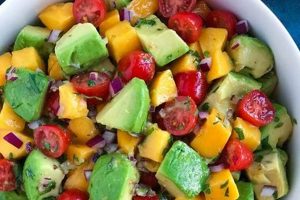
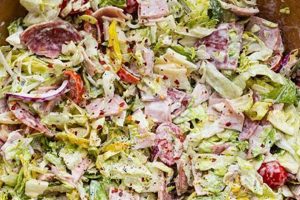
A guide to preparing a classic Italian salad typically involves a combination of fresh, vibrant ingredients like crisp lettuce, ripe tomatoes, cucumbers, onions, bell peppers, olives, and sometimes cheeses like mozzarella or provolone. These components are often tossed with a simple vinaigrette dressing, typically featuring olive oil, vinegar, garlic, and herbs like oregano or basil. Variations might include the addition of proteins like salami, chickpeas, or artichoke hearts.
Creating this type of salad offers a refreshing and nutritious meal option, highlighting the flavors of fresh produce. The emphasis on simple, high-quality ingredients reflects a core principle of Italian cuisine. Historically, Italian salads have evolved from basic peasant fare, utilizing readily available seasonal vegetables, to become a staple both in Italian homes and restaurants worldwide. The customizable nature of these salads makes them a versatile dish adaptable to individual preferences and dietary needs.
The following sections will explore specific variations, including regional adaptations, and offer detailed instructions for preparing dressings and incorporating diverse ingredients. Tips for selecting the freshest produce and achieving optimal flavor combinations will also be provided.
Tips for Creating Exceptional Italian Salads
Optimizing ingredient selection and preparation techniques elevates a simple Italian salad from satisfactory to exceptional. Attention to detail ensures vibrant flavors and a delightful textural experience.
Tip 1: Prioritize Fresh, High-Quality Ingredients: The foundation of any successful Italian salad lies in the quality of its components. Seek out locally sourced, seasonal produce whenever possible for optimal flavor and freshness.
Tip 2: Embrace Simplicity in Dressing: A delicate vinaigrette allows the natural flavors of the vegetables to shine. A basic combination of extra virgin olive oil, red wine vinegar, minced garlic, salt, and pepper often suffices. Overly complex dressings can mask the subtle nuances of fresh ingredients.
Tip 3: Properly Wash and Dry Produce: Thoroughly washing and drying all ingredients prevents a watered-down dressing and ensures a crisp, enjoyable salad.
Tip 4: Consider the Order of Addition: Introduce more robust ingredients, such as olives and cheeses, after the lighter vegetables have been dressed. This prevents delicate greens from becoming soggy or over-dressed.
Tip 5: Artful Arrangement Enhances Appeal: Thoughtful arrangement elevates the visual appeal. Consider the colors, shapes, and textures of the ingredients to create a visually engaging presentation.
Tip 6: Season Judiciously and Taste Throughout: Seasoning throughout the preparation process allows for adjustments and ensures a balanced flavor profile. Start with a small amount of salt and pepper, tasting and adjusting as needed.
Tip 7: Serve Immediately for Optimal Freshness: Italian salads are best enjoyed immediately after preparation to maintain their crispness and vibrancy. Delaying service can result in a less appealing texture and diminished flavor.
By focusing on these key elements, one can consistently produce Italian salads that are both flavorful and visually appealing. These tips highlight the importance of simplicity, quality, and attention to detail in creating a truly satisfying culinary experience.
With these preparation guidelines established, one can further explore variations and regional adaptations of the classic Italian salad, ensuring a delightful and diverse culinary journey.
1. Fresh, Seasonal Produce

The emphasis on fresh, seasonal produce is integral to authentic Italian salad recipes. Ingredient selection based on seasonal availability significantly impacts the flavor profile and overall quality of the final dish. This prioritization reflects a deep-rooted culinary tradition that values simplicity and the natural flavors of ripe ingredients.
- Peak Season Flavors
Produce harvested at its peak ripeness offers superior flavor and nutritional value. Utilizing in-season ingredients like ripe tomatoes in summer or vibrant radicchio in fall intensifies the taste experience. This focus on seasonal produce allows the salad to showcase the best flavors nature offers at a given time.
- Regional Variations
Seasonal availability influences regional variations of Italian salads. Coastal regions might incorporate fresh seafood during specific seasons, while inland areas might utilize seasonal vegetables like artichokes or mushrooms. These regional adaptations reflect the unique agricultural characteristics of different Italian locales.
- Simplicity and Quality
The use of fresh, seasonal ingredients underscores the Italian culinary principle of simplicity. High-quality produce requires minimal manipulation, allowing the natural flavors to shine through. A simple vinaigrette enhances these flavors without masking their inherent complexity.
- Adaptability and Creativity
Seasonal eating encourages adaptability and creativity in the kitchen. As seasonal produce changes, so too can the composition of the Italian salad. This adaptability allows for ongoing exploration of flavor combinations and ensures a diverse culinary experience throughout the year.
By prioritizing fresh, seasonal produce, Italian salad recipes embody a commitment to quality, flavor, and culinary tradition. This approach not only elevates the taste experience but also connects the dish to the natural rhythms of the agricultural calendar, creating a truly authentic and enjoyable culinary experience.
2. High-Quality Olive Oil

High-quality olive oil is not merely an ingredient; it serves as a cornerstone of a truly exceptional Italian salad. The nuanced flavor and textural contribution of this essential component elevates the overall sensory experience. Understanding its significance within the context of Italian salad preparation is crucial for achieving optimal results.
- Flavor Enhancement
High-quality extra virgin olive oil possesses a distinct flavor profile, ranging from fruity and peppery to grassy and herbaceous. This inherent flavor complexity enhances the taste of the salad ingredients, complementing the fresh produce and adding depth. For instance, a robust Tuscan olive oil can provide a peppery counterpoint to sweet cherry tomatoes. The selection of olive oil should harmonize with the other ingredients, creating a balanced and nuanced flavor composition.
- Texture and Mouthfeel
Olive oil contributes significantly to the textural experience of an Italian salad. Its viscosity coats the ingredients, providing a luxurious mouthfeel and enhancing the overall enjoyment. The oil binds the flavors together, creating a cohesive sensory experience that goes beyond the individual ingredients.
- Health Benefits
Extra virgin olive oil, rich in monounsaturated fats and antioxidants, offers numerous health benefits. Incorporating it into an Italian salad contributes to the overall nutritional value of the dish. These health benefits further elevate the appeal of Italian salads as a nutritious and flavorful meal option.
- Emulsification and Dressing Stability
High-quality olive oil plays a vital role in creating a stable emulsion for the vinaigrette. Its properties allow it to blend effectively with vinegar and other dressing ingredients, preventing separation and ensuring even distribution over the salad components. A stable emulsion contributes to both the flavor and visual appeal of the finished dish.
The selection of high-quality olive oil directly impacts the flavor, texture, and nutritional value of an Italian salad. Its role extends beyond a mere ingredient, influencing the overall sensory experience and contributing to the creation of a truly exceptional culinary creation. Understanding the nuances of olive oil selection empowers one to elevate a simple Italian salad into a flavorful and healthful masterpiece. By thoughtfully choosing and incorporating high-quality olive oil, the potential of the Italian salad is fully realized, transforming a simple dish into a culinary delight.
3. Balanced Vinaigrette

A balanced vinaigrette is fundamental to a successful Italian salad recipe. It provides a harmonious counterpoint to the fresh ingredients, enhancing their natural flavors without overpowering them. The delicate balance of acidity, sweetness, and savory notes within the vinaigrette is crucial for achieving a well-rounded and flavorful salad.
- Acidity
The primary source of acidity in a vinaigrette is typically vinegar, although lemon or other citrus juices can also be used. Acidity provides brightness and cuts through the richness of the olive oil, creating a refreshing contrast. The level of acidity should be carefully calibrated to complement the other ingredients. For example, a strongly acidic vinaigrette might overwhelm delicate greens, while a milder acidity might be ideal for robust vegetables like artichokes. The proper balance of acidity is crucial for enhancing the overall flavor profile.
- Sweetness
A touch of sweetness can balance the acidity and add complexity to the vinaigrette. This can be achieved through the addition of a small amount of sugar, honey, or even a pinch of balsamic glaze. The sweetness should be subtle, serving to round out the flavors rather than dominate them. A hint of sweetness in the vinaigrette can be particularly effective when paired with slightly bitter greens or tangy cheeses.
- Savory Notes
Savory elements, such as garlic, shallots, Dijon mustard, or herbs, add depth and complexity to the vinaigrette. These ingredients contribute umami and aromatic notes, further enhancing the overall flavor profile. For example, minced garlic provides a pungent accent, while fresh herbs like oregano or basil offer a fragrant dimension. The careful selection and balance of savory components contribute significantly to the vinaigrette’s character.
- Emulsification and Texture
A stable emulsion is crucial for a well-executed vinaigrette. Proper emulsification ensures that the oil and vinegar are evenly dispersed, creating a smooth and cohesive texture. This prevents the dressing from separating and ensures that the flavors are evenly distributed throughout the salad. A stable emulsion contributes to both the visual appeal and the palatable experience of the salad.
The interplay of these elementsacidity, sweetness, savory notes, and emulsificationdefines the character of the vinaigrette and its contribution to the overall success of the Italian salad. A well-balanced vinaigrette elevates the simple combination of fresh ingredients into a harmonious and flavorful culinary experience, highlighting the nuanced interplay of tastes and textures. The attention to detail in crafting a balanced vinaigrette reflects a commitment to quality and flavor, transforming a basic salad into a truly exceptional dish.
4. Simple Preparation

Simple preparation is a defining characteristic of authentic Italian salad recipes. This approach emphasizes the inherent flavors of fresh, high-quality ingredients, minimizing manipulation and allowing their natural qualities to shine. The connection between simple preparation and the success of an Italian salad lies in preserving the integrity of the components, resulting in a vibrant, flavorful, and refreshing dish. This principle aligns with the broader Italian culinary philosophy of prioritizing fresh, seasonal ingredients and allowing their natural flavors to take center stage. For example, a Caprese salad, with its minimal ingredientsfresh mozzarella, ripe tomatoes, basil, and a drizzle of olive oilexemplifies this principle beautifully. The simplicity of preparation ensures that the flavors of each component remain distinct yet harmonious.
The practical significance of this understanding lies in its accessibility and adaptability. Simple preparation techniques require minimal culinary expertise, making Italian salads an achievable dish for home cooks of all skill levels. Furthermore, this approach allows for flexibility in ingredient selection, encouraging adaptation based on seasonal availability and personal preferences. A simple preparation method ensures that even a salad composed of readily available ingredients can be transformed into a delicious and satisfying meal. Consider a basic Italian salad composed of romaine lettuce, cucumber, tomatoes, and red onion. Even with these common ingredients, a simple vinaigrette and careful attention to freshness can result in a delightful culinary experience. The ease of preparation further enhances the appeal of Italian salads as a convenient and healthful meal option.
The emphasis on simple preparation within Italian salad recipes underscores a core value of Italian cuisine: a reverence for fresh, high-quality ingredients. This approach, while seemingly straightforward, requires a discerning palate and an appreciation for the nuanced flavors of natural ingredients. By embracing simplicity, one can achieve a level of culinary excellence that complex preparations often obscure. The focus on simple preparation ensures that the essence of Italian cuisinefreshness, simplicity, and flavorremains at the forefront of the dining experience. This understanding enables one to create Italian salads that are not only delicious but also reflective of a rich culinary tradition.
5. Artful Presentation
Artful presentation elevates an Italian salad from a simple combination of ingredients to a visually engaging culinary experience. While flavor remains paramount, visual appeal enhances enjoyment and reflects a respect for the ingredients and the dining experience. The connection between artful presentation and the success of an Italian salad lies in the creation of a multi-sensory experience that engages both the palate and the eye. This principle recognizes that dining is not solely about taste but also about the aesthetic pleasure derived from a well-crafted dish. Consider the classic Caprese salad. While the flavors of fresh mozzarella, tomatoes, and basil are inherently delicious, a thoughtful arrangement of these ingredients, perhaps with a drizzle of balsamic glaze, significantly enhances the visual appeal and overall enjoyment.
The practical significance of this understanding lies in its ability to transform even the simplest Italian salad into a visually appealing dish. Thoughtful arrangement of ingredients, considering color, texture, and height, can elevate a basic salad to a restaurant-worthy presentation. Attention to detail, such as using a variety of colorful tomatoes or artfully arranging olives and cheese, demonstrates care and elevates the perceived value of the dish. For instance, a simple salad of mixed greens, cherry tomatoes, and cucumber can be transformed by arranging the ingredients in a visually appealing manner, creating a sense of depth and texture. The use of appropriate servingware further enhances the presentation, contributing to a more refined dining experience. Even in a casual setting, a thoughtfully presented salad communicates a sense of occasion and elevates the everyday meal.
Artful presentation, therefore, is not merely an aesthetic afterthought but an integral component of a successful Italian salad recipe. It demonstrates an appreciation for the culinary craft and enhances the overall dining experience. This understanding empowers one to transform simple ingredients into visually captivating dishes, demonstrating a commitment to quality and aesthetics. The attention to visual detail, while not replacing the importance of fresh ingredients and balanced flavors, complements and enhances these elements, creating a truly exceptional culinary experience. By incorporating artful presentation into the preparation process, one elevates the Italian salad from a simple dish to a culinary expression that engages all the senses.
Frequently Asked Questions about Italian Salads
This section addresses common inquiries regarding the preparation and enjoyment of authentic Italian salads, clarifying potential misconceptions and offering practical guidance.
Question 1: What differentiates an authentic Italian salad from other salad types?
Authentic Italian salads prioritize fresh, high-quality, and often seasonal ingredients. They typically feature a simple vinaigrette that enhances, rather than masks, the natural flavors of the components. Overly complex dressings or an abundance of ingredients are generally avoided.
Question 2: Can one deviate from traditional recipes while maintaining authenticity?
While classic recipes provide a foundation, adaptability is key. Substituting ingredients based on seasonal availability or personal preferences is acceptable, provided the emphasis on fresh produce and balanced flavors remains. Regional variations demonstrate this adaptability within Italian culinary tradition.
Question 3: Is bottled Italian dressing an acceptable substitute for a homemade vinaigrette?
Bottled dressings often contain additives and preservatives that detract from the fresh, clean flavors of an authentic Italian salad. A simple homemade vinaigrette, easily prepared with olive oil, vinegar, and seasonings, is always preferred.
Question 4: How does one prevent a soggy Italian salad?
Thoroughly drying all ingredients after washing is crucial. Adding the dressing just before serving also prevents the salad from becoming soggy. For salads with heartier components, dressing these separately and combining them with the more delicate greens just before serving can also be beneficial.
Question 5: What cheeses are traditionally used in Italian salads?
Fresh mozzarella, provolone, Parmesan, and Pecorino Romano are common choices. The selection of cheese should complement the other ingredients and contribute to the overall balance of flavors.
Question 6: Beyond lettuce, what other greens can be incorporated?
Arugula, spinach, radicchio, and endive offer interesting flavor and textural variations. These alternatives, or combinations thereof, can add complexity and visual interest to the salad.
By understanding these core principles and addressing common concerns, one can confidently approach the preparation and enjoyment of truly authentic and delicious Italian salads. The focus on quality ingredients, balanced flavors, and simple preparation remains paramount.
The subsequent section will delve into specific regional variations of Italian salads, highlighting the diverse culinary traditions across Italy.
Conclusion
Exploration of the elements constituting a classic Italian salad reveals a focus on simplicity, quality, and balance. Fresh, seasonal produce forms the foundation, complemented by a carefully balanced vinaigrette featuring high-quality olive oil. Simple preparation methods preserve the integrity of the ingredients, allowing their natural flavors to shine. Artful presentation elevates the dining experience, transforming a simple salad into a visually appealing culinary creation. Understanding these core principles enables consistent preparation of flavorful, healthful, and aesthetically pleasing salads.
The enduring appeal of the Italian salad lies in its adaptability and its celebration of fresh, seasonal ingredients. Continued exploration of regional variations and creative ingredient combinations offers a pathway to culinary discovery. This approach fosters an appreciation for the rich culinary heritage of Italy and encourages a deeper understanding of the interplay of flavors and textures that define this classic dish. By embracing these principles, one can consistently create Italian salads that are both satisfying and reflective of a timeless culinary tradition.