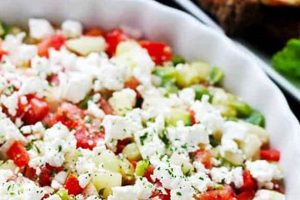
A dish featuring crisp, edible-pod peas as the central ingredient, often combined with complementary vegetables, herbs, and a flavorful dressing. Variations range from simple preparations with a light vinaigrette to more complex combinations incorporating cheeses, nuts, or other proteins. An example might include blanched pods tossed with sliced radishes, fresh mint, and a lemon-tahini dressing.
This type of salad offers a refreshing and nutritious option, capitalizing on the naturally sweet and crunchy texture of the pods. It provides vitamins, minerals, and dietary fiber, making it a healthy addition to any meal. While the specific origin is difficult to pinpoint, the increasing popularity of these salads reflects a broader culinary trend towards fresh, seasonal ingredients and lighter preparations.
The following sections will explore various aspects of creating these vibrant and flavorful dishes, covering topics such as ingredient selection, preparation techniques, and dressing options.
Tips for Preparing Sugar Snap Pea Salads
Creating a successful dish hinges on proper technique and ingredient selection. The following tips provide guidance for optimal results.
Tip 1: Pod Selection and Preparation: Select crisp, firm pods with a vibrant green color. Remove the stringy seams along the sides for optimal texture. Briefly blanching or steaming the pods enhances their color and tenderness while maintaining their crunch.
Tip 2: Balancing Flavors: Consider contrasting textures and flavors when selecting additional ingredients. A combination of crunchy vegetables (e.g., radishes, carrots), soft cheeses (e.g., feta, goat cheese), and toasted nuts (e.g., almonds, pecans) can create a well-rounded flavor profile.
Tip 3: Dressing Choices: Opt for light and bright dressings that complement the natural sweetness of the peas. Lemon vinaigrette, Asian-inspired sesame dressings, or a simple herb vinaigrette work well. Avoid heavy, creamy dressings that can overpower the delicate flavors.
Tip 4: Ingredient Timing: Add delicate herbs and leafy greens just before serving to prevent wilting. More robust ingredients, such as blanched vegetables or nuts, can be added earlier.
Tip 5: Seasonality: Maximize flavor by utilizing seasonal ingredients. Spring and early summer offer peak season for sugar snap peas, ensuring optimal sweetness and crispness.
Tip 6: Storage: While best served immediately, leftover salad can be stored in an airtight container in the refrigerator for a short period. However, the texture of the pods may soften over time.
By following these guidelines, one can achieve a vibrant, flavorful, and nutritious salad showcasing the delightful qualities of these unique peas.
This exploration of tips provides a solid foundation for crafting exceptional dishes. The concluding section offers final thoughts and recipe inspiration.
1. Fresh, Crisp Sugar Snap Peas
The foundation of any successful sugar snap pea salad lies in the quality of the primary ingredient: fresh, crisp sugar snap peas. These pods, prized for their vibrant green color, satisfying snap, and delicate sweetness, contribute significantly to the overall sensory experience of the salad. The crispness offers a textural counterpoint to other ingredients, while the inherent sweetness balances savory components within the dish. Without this freshness and crispness, the salad loses its defining characteristics, becoming limp and less flavorful. For instance, a salad made with older, less crisp pods will lack the desirable textural contrast and may exhibit a less vibrant flavor profile.
The importance of using fresh, crisp pods extends beyond mere taste and texture. It also impacts the visual appeal of the salad. Vibrant, unblemished pods contribute to an aesthetically pleasing presentation, enhancing the overall dining experience. Conversely, using less-than-fresh pods can result in a less appealing, potentially unappetizing appearance. Consider a salad composed of bright green, crisp pods alongside colorful radishes and a sprinkle of feta cheese; the visual appeal is undeniable. Now, envision that same salad with dull, wilted podsthe overall impression diminishes significantly. This visual difference underscores the critical role fresh ingredients play in recipe success.
Selecting and handling sugar snap peas correctly is paramount. Look for firm pods with a vibrant green hue, avoiding those that appear yellowed or limp. Proper storage, ideally in a refrigerators crisper drawer, maintains freshness until preparation. Furthermore, minimizing the time between preparation and serving helps retain the desirable crispness and prevents the release of excess moisture, which can dilute the salad’s flavors. Understanding the importance of fresh, crisp sugar snap peas as the core component allows for a more informed approach to ingredient selection and preparation, ultimately leading to a more satisfying and flavorful salad.
2. Complementary Ingredients

The success of a sugar snap pea salad hinges not only on the freshness of the peas but also on the thoughtful selection of complementary ingredients. These secondary components contribute to the overall balance of flavors, textures, and visual appeal, elevating the dish beyond a simple collection of ingredients. The following facets explore the crucial role complementary ingredients play in creating a well-rounded and satisfying salad.
- Textural Contrast:
Balancing the crisp snap peas with ingredients offering contrasting textures creates a more dynamic and enjoyable culinary experience. Crunchy elements like chopped celery, sliced radishes, or toasted nuts provide a counterpoint to the peas, while softer additions such as crumbled cheese or cooked grains introduce another layer of complexity. Imagine the interplay of crisp peas, crunchy almonds, and creamy goat cheesethis textural variety enhances each bite.
- Flavor Harmony:
Complementary ingredients should harmonize with the naturally sweet and subtly vegetal flavor of sugar snap peas. Ingredients with bright, acidic notes, like lemon zest or a light vinaigrette, cut through the sweetness, preventing the salad from becoming cloying. Savory components, such as bacon crumbles or a sprinkle of Parmesan cheese, provide depth and complexity. The interplay of sweet peas, tangy lemon, and salty Parmesan creates a balanced and appealing flavor profile.
- Visual Appeal:
Color plays a vital role in food enjoyment. Complementary ingredients contribute to a visually appealing salad, stimulating appetite and enhancing the overall dining experience. Incorporating ingredients with contrasting colors, such as vibrant red bell peppers, deep green spinach, or bright orange carrots, creates a visually dynamic and enticing salad. The interplay of colors not only elevates the presentation but also suggests a diversity of flavors and textures.
- Nutritional Value:
Complementary ingredients can boost the nutritional value of the salad. Adding ingredients rich in protein, such as grilled chicken or chickpeas, transforms the salad into a more substantial meal. Incorporating nutrient-dense leafy greens, like spinach or kale, adds vitamins and minerals. Combining sugar snap peas with protein-rich quinoa and vitamin-packed spinach creates a nutritious and satisfying meal.
The careful consideration of these facetstextural contrast, flavor harmony, visual appeal, and nutritional valueensures that complementary ingredients work synergistically with the sugar snap peas to create a well-balanced, flavorful, and visually appealing salad. A simple salad of sugar snap peas can be transformed into a culinary masterpiece through the strategic inclusion of complementary ingredients that enhance its inherent qualities and elevate the overall dining experience.
3. Balanced, vibrant dressing

A balanced, vibrant dressing is crucial to a successful sugar snap pea salad recipe. It provides a unifying element, binding the individual ingredients while enhancing their inherent flavors. The dressing should complement the natural sweetness and crisp texture of the peas without overpowering them. A well-chosen dressing elevates the salad from a simple combination of ingredients to a harmonious and flavorful dish.
- Acidity:
Acidity plays a pivotal role in balancing the sweetness of the sugar snap peas. A dressing with a touch of tartness, derived from ingredients like lemon juice, vinegar, or citrus zest, cuts through the sweetness and brightens the overall flavor profile. Consider a lemon vinaigrette; its tartness balances the sweetness of the peas, creating a refreshing contrast. Without sufficient acidity, the salad may taste overly sweet and lack dimension.
- Flavor Complexity:
A vibrant dressing adds depth and complexity to the salad. Incorporating ingredients like fresh herbs, garlic, ginger, or spices introduces nuanced flavors that complement the peas. A ginger-soy dressing, for example, adds an umami element that enhances the salad’s overall flavor profile. A simple vinaigrette with chopped fresh mint or dill provides a refreshing herbal counterpoint to the sweet peas.
- Texture:
The texture of the dressing should complement the crispness of the sugar snap peas. A light and fluid dressing coats the peas evenly without making them soggy. A creamy dressing, while flavorful, might overwhelm the delicate texture of the peas. A vinaigrette with a touch of honey or maple syrup adds a subtle sweetness and a pleasant viscosity without compromising the crispness of the peas and other vegetables.
- Visual Appeal:
A vibrant dressing enhances the visual appeal of the salad. The color of the dressing should complement the other ingredients, creating a visually harmonious dish. A bright green pesto dressing would visually clash with the green peas, while a light and tangy vinaigrette allows the colors of the vegetables to shine. A vibrant orange dressing made with carrots and ginger not only adds flavor but also contributes a visually appealing element to the overall salad.
Each of these facetsacidity, flavor complexity, texture, and visual appealcontributes to the overall success of the sugar snap pea salad. A thoughtfully crafted dressing harmonizes with the other ingredients, enhancing their individual qualities while creating a unified and flavorful dish. The balance achieved through these elements ensures the sugar snap peas remain the star of the salad while benefiting from the complementary flavors and textures the dressing provides.
4. Proper Preparation Techniques
Proper preparation techniques are essential for maximizing the quality and enjoyment of a sugar snap pea salad. These techniques directly influence the final texture, flavor, and overall presentation of the dish. Careful attention to detail in each step, from selecting the peas to the final assembly, ensures a successful outcome.
One crucial aspect is the handling of the sugar snap peas themselves. Stringing the pods, a process of removing the tough fibrous strings along the sides, improves texture significantly. Failing to string the peas can result in an unpleasant, stringy mouthfeel. Blanching, a brief immersion in boiling water followed by an ice bath, enhances color and tenderness while maintaining the desirable crispness. Over-blanching, however, leads to a mushy texture, diminishing the salad’s appeal. For instance, blanching for one minute enhances the peas’ vibrant green color and slightly softens their texture, whereas blanching for three minutes results in a less appealing, overcooked texture.
Beyond the peas, proper preparation techniques extend to other ingredients. Consistent slicing of vegetables ensures even cooking and a visually appealing presentation. Consider the addition of radishes; thinly and evenly sliced radishes contribute a pleasant crunch and visual appeal, while unevenly chopped radishes detract from the salad’s aesthetics and create an inconsistent textural experience. Similarly, proper handling of herbs, such as adding delicate leaves just before serving to prevent wilting, preserves their fresh flavor and visual appeal. Adding herbs too early can result in wilted, less flavorful greens that detract from the salad’s overall freshness.
The timing of dressing application also plays a significant role. Adding the dressing too early can lead to soggy ingredients, especially delicate greens. Conversely, adding the dressing just before serving maintains the crispness of the vegetables and prevents the dressing from becoming overly diluted. Therefore, understanding and implementing proper preparation techniques, from ingredient selection to final assembly, directly impacts the quality, flavor, and presentation of the sugar snap pea salad. These techniques, though seemingly minor, contribute significantly to the overall dining experience, demonstrating the essential connection between proper preparation and culinary success.
5. Seasonality and Storage

Seasonality and storage are integral considerations for optimizing the flavor and quality of a sugar snap pea salad. These factors significantly influence the overall culinary experience, impacting both the taste and texture of the final dish. Understanding the interplay between these elements allows for informed decisions regarding ingredient selection, preparation, and storage, ultimately maximizing enjoyment.
- Peak Season Flavor:
Sugar snap peas reach peak flavor and optimal texture during their specific growing season, typically spring and early summer. Consuming peas during this period guarantees the highest quality and most robust flavor profile. Out-of-season peas, often transported long distances and stored for extended periods, may lack the characteristic sweetness and crispness of their in-season counterparts. A salad made with peak-season peas exhibits a vibrant sweetness and satisfying snap, while one made with out-of-season peas may present a less vibrant flavor and a softer, less appealing texture.
- Extending Enjoyment Through Proper Storage:
Proper storage techniques extend the enjoyment of fresh sugar snap peas. Refrigeration in a crisper drawer, ideally in a perforated plastic bag, maintains optimal freshness for several days. Storing peas in airtight containers or at room temperature accelerates deterioration, leading to a loss of crispness and flavor. Properly stored peas retain their vibrant green color and satisfying snap for several days, allowing for enjoyment beyond immediate consumption, while improperly stored peas may wilt, discolor, and lose their desirable textural qualities within a shorter timeframe.
- Freezing for Future Use:
Freezing offers a viable option for preserving sugar snap peas for later use in salads. Blanching the peas briefly before freezing helps maintain their color and texture, preventing enzymatic degradation during storage. Frozen peas can be added directly to salads, adding a refreshing crunch even when fresh peas are unavailable. Properly blanched and frozen peas retain a reasonable level of their original texture and flavor, providing a convenient option for enjoying sugar snap pea salads year-round, while unblanched frozen peas may exhibit undesirable textural changes and a loss of flavor upon thawing.
- Impact on Recipe Outcomes:
The seasonality and storage of sugar snap peas directly impact recipe outcomes. Using fresh, in-season peas elevates the flavor and texture of the salad, while using older, improperly stored peas can result in a less satisfying dish. Consider a salad made with fresh, peak-season peas versus one made with peas that have been stored improperly for an extended period; the difference in flavor, texture, and overall appeal is significant. Understanding this connection allows for adjustments in preparation techniques or complementary ingredients to compensate for any potential quality variations due to storage or seasonality.
By considering seasonality and employing appropriate storage techniques, one ensures optimal flavor and texture in sugar snap pea salads. These practices, combined with careful ingredient selection and proper preparation, demonstrate a commitment to quality and maximize the enjoyment of this versatile and refreshing dish. Recognizing the influence of these factors on the final product elevates the culinary experience, transforming a simple salad into a celebration of freshness and flavor.
Frequently Asked Questions
This section addresses common inquiries regarding sugar snap pea salad preparation, offering concise and informative responses to facilitate a deeper understanding and enhance culinary success.
Question 1: Can sugar snap peas be eaten raw in a salad?
While edible raw, briefly blanching or steaming enhances flavor, color, and tenderness while preserving a desirable crunch. Raw peas may possess a slightly more fibrous texture.
Question 2: How long can sugar snap peas be stored?
Refrigeration in a crisper drawer, ideally within a perforated plastic bag, maintains optimal freshness for up to five days. Prompt consumption after purchase ensures peak quality.
Question 3: What dressings complement sugar snap pea salads?
Light, vibrant dressings, such as lemon vinaigrette, rice vinegar-based dressings, or those featuring fresh herbs, pair well. Avoid heavy, creamy dressings that mask the peas’ delicate flavor.
Question 4: Can sugar snap pea salads be made ahead of time?
While best served immediately, preparation a few hours in advance is possible. Store dressed and undressed components separately and combine just before serving to maintain optimal texture.
Question 5: How can one prevent sugar snap peas from becoming soggy in a salad?
Thoroughly drying peas after blanching and adding dressing just before serving helps maintain crispness. Avoid overdressing, and store dressed and undressed components separately until serving.
Question 6: What are suitable substitutes for sugar snap peas in a salad?
Snow peas or snap peas offer comparable texture and flavor profiles. Green beans, asparagus, or edamame can also provide interesting variations, though with distinct flavor nuances.
Addressing these common inquiries provides clarity on key preparation aspects. The subsequent section delves further into recipe variations and creative adaptations.
The following explores variations on the classic recipe, offering inspiration for personalized creations.
Sugar Snap Pea Salad Recipe
This exploration has delved into the multifaceted aspects of crafting exceptional sugar snap pea salads. From the importance of fresh, crisp pods to the selection of complementary ingredients, the creation of a balanced dressing, and the application of proper preparation techniques, each element contributes significantly to the final product. The discussion encompassed the impact of seasonality and proper storage on flavor and texture, providing a comprehensive understanding of how these factors influence recipe outcomes. Furthermore, addressing common inquiries offered practical guidance for achieving culinary success with this versatile ingredient.
The versatility of sugar snap peas allows for endless culinary creativity. Experimentation with diverse ingredients, dressings, and preparation methods unlocks a world of flavor possibilities. An understanding of the fundamental principles outlined herein empowers culinary enthusiasts to elevate simple salads into sophisticated and satisfying dishes. This knowledge fosters an appreciation for fresh, seasonal ingredients and encourages exploration within the culinary landscape, enriching the dining experience and promoting a deeper connection with food.