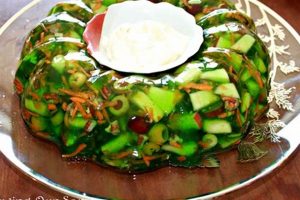
A molded cranberry dish, often sweetened and featuring a gelatinous texture, typically appears as a side dish or dessert, especially during holidays. Variations exist incorporating additional ingredients such as oranges, pineapple, nuts, or marshmallows, reflecting diverse regional and familial traditions. Preparation usually involves cooking cranberries with sugar and other desired components, then combining the mixture with a gelling agent before chilling until firm.
This festive dish offers a balance of tartness and sweetness, providing a refreshing counterpoint to richer holiday fare. Its bright color and attractive presentation make it a visually appealing addition to the table. Historically, the dish gained popularity as gelatin became more accessible and affordable, offering home cooks a convenient method for creating elegant molded salads. It continues to be a nostalgic favorite for many, representing a connection to family traditions and celebrations.
This article will further explore the culinary aspects of this classic dish, offering variations, tips for successful preparation, and suggestions for incorporating it into a festive meal. From selecting the ideal cranberries to understanding the science behind the perfect gel, this guide aims to provide a complete understanding of this beloved holiday staple.
Tips for Crafting the Perfect Congealed Cranberry Salad
Achieving the ideal texture and flavor requires attention to detail. The following tips offer guidance for creating a successful and satisfying dish.
Tip 1: Cranberry Selection: Opt for fresh, firm cranberries for the best flavor and texture. Avoid cranberries that appear shriveled or soft.
Tip 2: Balancing Sweetness and Tartness: Adjust sugar levels according to personal preference and the sweetness of other added ingredients. Tasting the cranberry mixture before adding the gelling agent allows for accurate adjustment.
Tip 3: Gelling Agent Choices: Traditional recipes utilize unflavored gelatin. Alternatives, such as agar-agar, can be substituted for dietary restrictions, but require adjusted preparation methods.
Tip 4: Proper Gelatin Incorporation: Ensure complete dissolution of the gelatin to achieve a smooth, even texture. Follow package instructions carefully for blooming and dissolving the gelatin granules.
Tip 5: Mold Selection and Preparation: Choose a mold appropriate for the desired serving size and shape. Lightly oiling the mold before adding the cranberry mixture facilitates easy removal.
Tip 6: Chilling Time: Allow adequate chilling time for the salad to fully set. Refrigerate for at least four hours, or preferably overnight, for optimal firmness.
Tip 7: Unmolding Techniques: Gently loosen the edges of the salad from the mold using a thin knife or spatula. Briefly dipping the mold in warm water can further assist with release.
By following these guidelines, one can consistently produce a congealed cranberry salad that delights both visually and on the palate.
These practical tips offer a pathway to mastering this classic dish, allowing for personalization and adaptation to individual preferences.
1. Cranberries

Cranberries serve as the foundational ingredient, providing the characteristic tart flavor profile that defines this dish. Their unique balance of acidity and sweetness plays a crucial role in the overall taste experience. Without cranberries, the dish loses its essential identity. Consider the alternative: a congealed salad made with grapes or raspberries would possess an entirely different flavor profile, highlighting the irreplaceable nature of cranberries within this specific culinary context. The tartness of cranberries also offers a refreshing contrast to richer holiday dishes, further enhancing their appeal.
The physical properties of cranberries also contribute to the final product. Their small size and firm texture hold their shape during cooking and contribute to the visual appeal of the sliced or molded salad. The pectin naturally present in cranberries interacts with the gelling agent, influencing the final texture and stability of the congealed salad. For example, using cranberry juice cocktail instead of whole cranberries can affect the setting process due to variations in pectin content. Understanding this interplay allows for adjustments to other recipe components, ensuring a consistently successful outcome.
In conclusion, the relationship between cranberries and the congealed cranberry salad extends beyond mere inclusion. Cranberries are essential for both flavor and structure. Their unique characteristics dictate the final product’s sensory experience and structural integrity. Appreciating this connection enables informed ingredient selection and recipe adaptation, leading to a consistently satisfying culinary result.
2. Sweetener

Sweetener plays a crucial role in a congealed cranberry salad, balancing the inherent tartness of the cranberries. This balance is essential for palatability, transforming the intense cranberry flavor into a more nuanced and enjoyable experience. Without sufficient sweetener, the dish can be overwhelmingly tart, potentially overshadowing other flavors in a meal. The type and amount of sweetener also influence the final texture of the salad. Granulated sugar, the most common choice, contributes to a firm gel structure. Alternative sweeteners, such as honey or maple syrup, can alter the setting process and yield a slightly softer consistency. For instance, using honey might result in a more viscous texture compared to granulated sugar, requiring adjustments to the amount of gelling agent. The choice of sweetener also introduces subtle flavor nuances. Honey imparts a distinct floral sweetness, while maple syrup adds a warm, caramel-like note. These variations allow for customization based on personal preference and desired flavor profiles.
The interaction between sweetener and other ingredients is vital. The sweetener not only balances cranberry tartness but also complements other flavors present, such as orange zest or spices. A balanced sweetness allows these complementary flavors to shine without being overwhelmed by the cranberries. The sweetness level also interacts with the perceived acidity, influencing the overall sensory experience. A slightly less sweet salad might highlight the refreshing tartness of the cranberries, while a sweeter version might emphasize the fruity notes. This interplay allows for tailored recipes catering to diverse palates and desired flavor outcomes. Consider a recipe featuring orange zest and ginger; a slightly higher sugar content can balance the spice of the ginger while enhancing the citrus notes of the orange. Understanding this dynamic empowers informed recipe adjustments for specific flavor combinations.
Careful sweetener selection and precise measurement are critical for a successful congealed cranberry salad. This ingredient’s impact extends beyond mere sweetness, influencing texture, flavor balance, and the overall sensory experience. Recognizing the complex interplay between sweetener and other recipe components ensures consistent results and a harmonious blend of flavors. Whether aiming for a traditional sweet-tart profile or exploring nuanced flavor combinations, thoughtful sweetener consideration is paramount. This precision not only enhances the enjoyment of the dish itself but also elevates its contribution to a balanced and satisfying meal. Adapting the sweetness to complement accompanying dishes ensures the congealed cranberry salad enhances, rather than dominates, the overall dining experience.
3. Gelling Agent

The gelling agent is the defining component of a congealed cranberry salad, responsible for transforming a liquid cranberry mixture into a solid, sliceable form. This transformation is essential for both the texture and presentation of the dish. Without a gelling agent, the cranberry mixture would remain a sauce or compote, lacking the structural integrity characteristic of the traditional salad. The choice of gelling agent directly influences the final texture. Commonly, unflavored gelatin derived from animal collagen is utilized. This provides a firm, jiggly texture that holds its shape when molded or sliced. Agar-agar, a plant-based alternative, offers a slightly different texture, often firmer and less prone to melting at warmer temperatures. The concentration of the gelling agent also plays a crucial role. Too little results in a soft, unstable set, while too much can create a rubbery texture. Consider a scenario where insufficient gelatin is used; the salad might not fully set, resulting in a loose, unappetizing consistency. Conversely, an excessive amount could lead to a texture too firm to enjoy. Understanding this balance is critical for achieving the desired result.
The gelling agent’s interaction with other recipe components influences the final product. The acidity of the cranberries, for example, can impact the setting process of certain gelling agents. Sufficient sweetener is necessary not only for flavor but also to support gel formation. Other ingredients, such as fruits or nuts, can introduce additional variables, potentially impacting the gelling agent’s effectiveness. For instance, fresh pineapple contains an enzyme that can break down gelatin, preventing proper setting. Therefore, canned pineapple, where the enzyme has been deactivated through processing, is typically recommended. Practical application of this knowledge is essential for achieving consistent results. Recognizing these interactions allows for informed ingredient selection and recipe adjustments, ensuring the gelling agent performs optimally.
Successful congealed cranberry salad preparation hinges on a thorough understanding of the gelling agent’s role. This includes selecting the appropriate type and concentration, considering its interaction with other ingredients, and adhering to proper preparation techniques. Failure to account for these factors can result in textural inconsistencies, ranging from a runny mixture to an overly firm, unpleasant consistency. Mastery of the gelling process, therefore, is fundamental to producing a visually appealing and palatable dish. This control over the gelling process empowers culinary creativity, allowing for tailored textures and adaptations to suit individual preferences and dietary needs. Ultimately, a well-executed congealed cranberry salad, showcasing a perfectly set, shimmering surface, is a testament to the careful consideration and skillful application of gelling agent principles.
4. Mold

Molds play a significant role in shaping the presentation of congealed cranberry salad, impacting both aesthetics and portioning. The chosen mold dictates the final form of the salad, whether a simple bowl, an intricate Bundt pan, or individual molds for single servings. This choice directly influences visual appeal, contributing to the dish’s festive presentation. A decorative mold can elevate the salad from a simple side dish to a centerpiece-worthy creation. Conversely, using a basic mold offers a more understated, classic look. Beyond aesthetics, the mold impacts practicality. Individual molds facilitate portion control and ease of serving, while a larger mold requires slicing and plating. For instance, using a ring mold creates a visually striking centerpiece, while individual ramekins offer convenient portioning for a buffet. The mold’s material also influences unmolding. Metal molds, while durable, may require more care during release, while silicone molds offer a more flexible, non-stick surface, simplifying the unmolding process. Understanding these factors allows for informed mold selection, aligning with both presentation goals and practical considerations.
The mold’s shape and size interact with the setting process of the cranberry mixture. A deeper mold requires a longer chilling time for complete solidification, while a shallower mold allows for quicker setting. Intricate designs or crevices within the mold can trap air bubbles, affecting the final appearance and potentially creating weak points in the gel structure. Careful consideration of the mold’s design ensures even setting and prevents structural issues. For example, a Bundt pan’s intricate design might require a longer chilling time compared to a simple loaf pan, ensuring the center sets completely. Additionally, the volume of the mold must be considered in relation to the recipe yield. A mold too small will overflow, while a mold too large will result in a thin, underwhelming presentation. Accurate recipe scaling ensures the cranberry mixture fills the mold appropriately, achieving the desired height and overall visual impact. This precision contributes to a visually appealing and structurally sound finished product.
Mold selection is a critical step in congealed cranberry salad preparation, affecting both the aesthetic presentation and structural integrity of the dish. Considerations extend beyond mere shape, encompassing material, size, and the interplay between the mold and the setting process. Choosing the right mold ensures a visually appealing final product that is both structurally sound and easy to serve. Informed mold selection contributes to a successful and satisfying culinary outcome, aligning form and function for optimal presentation and enjoyment. This understanding allows for creative exploration, adapting the classic dish to various occasions and aesthetic preferences, from elegant holiday gatherings to casual weeknight meals.
5. Chilling Time

Chilling time is a critical factor in the successful preparation of congealed cranberry salad, directly influencing the dish’s final texture and structural integrity. Adequate chilling allows the gelling agent to fully set, transforming the liquid cranberry mixture into a solid, sliceable form. Insufficient chilling results in a weak, unstable structure, while excessive chilling can affect the overall texture, potentially making the salad too firm.
- Gel Formation:
The gelling process, typically driven by gelatin or a similar agent, is temperature-dependent. Lower temperatures promote the formation of a stable gel network, creating the desired solid consistency. Chilling provides the optimal environment for this molecular transformation, ensuring the gelling agent effectively binds the liquid components. Without sufficient chilling time, this process remains incomplete, yielding a soft, unstable structure. The specific chilling time required depends on several factors, including the type and concentration of the gelling agent, the volume of the salad, and the ambient temperature of the refrigerator.
- Texture Development:
Chilling not only solidifies the salad but also influences its final texture. Adequate chilling allows the gel to fully develop, creating a smooth, even consistency. Insufficient chilling can lead to a grainy or uneven texture, while excessive chilling can make the salad overly firm or rubbery. The ideal texture is a balance between firmness and pliability, achieved through carefully controlled chilling. This balance ensures the salad holds its shape when sliced or molded, yet retains a pleasant mouthfeel.
- Flavor Enhancement:
Chilling allows the flavors within the salad to meld and deepen. The cool temperature slows down chemical reactions, preserving the bright, tart flavor of the cranberries while allowing other ingredients, such as spices or citrus zest, to integrate harmoniously. This flavor integration enhances the overall complexity and balance of the dish. Extended chilling can further intensify these flavor interactions, creating a more nuanced and well-rounded taste experience.
- Practical Considerations:
Chilling time must be factored into the overall preparation timeline. Recipes often recommend a minimum chilling period of four hours, or preferably overnight, to ensure complete setting. This time requirement necessitates advance planning, particularly when preparing the salad for a specific event. Practical considerations also include refrigerator space and the use of appropriate containers or molds that facilitate even cooling and prevent contamination. Efficient chilling strategies, such as using shallow containers for quicker setting, can optimize the preparation process.
Precise control over chilling time is essential for a successful congealed cranberry salad. Understanding the interplay between chilling, gel formation, texture development, and flavor enhancement allows for informed decision-making and consistent results. By considering these factors, one can achieve the desired balance of flavor, texture, and structural integrity, creating a dish that is both visually appealing and palate-pleasing.
6. Optional additions

Optional additions represent a significant avenue for personalization and flavor exploration within the congealed cranberry salad framework. These additions, ranging from fruits and nuts to spices and extracts, can transform the basic cranberry-gelatin base into a dish with greater complexity and nuance. The careful selection and incorporation of these elements elevate the salad beyond a simple side dish, offering a canvas for culinary creativity. Consider the addition of orange zest: this seemingly minor inclusion brightens the flavor profile with citrus notes, complementing the cranberry’s tartness. Similarly, chopped walnuts or pecans introduce textural contrast and a nutty depth, enhancing the overall sensory experience. These additions are not mere afterthoughts; they actively contribute to the flavor profile, texture, and overall appeal of the dish.
The impact of optional additions extends beyond flavor enhancement. They offer opportunities to tailor the salad to specific dietary needs or preferences. For individuals seeking a lower-sugar option, incorporating alternative sweeteners or reducing the overall sugar content while introducing sugar-free additions like chopped apples can maintain sweetness without compromising flavor complexity. Additions also allow for seasonal adaptations. During the autumn months, incorporating spiced pecans or a dash of cinnamon complements the harvest theme. In spring, fresh mint or berries can create a lighter, more refreshing flavor profile. These adaptations highlight the versatility of the congealed cranberry salad, demonstrating its adaptability to diverse culinary contexts. For example, incorporating chopped red grapes and a sprinkle of candied ginger can transform the traditional holiday dish into a light and flavorful summer salad. This adaptability ensures the dish remains relevant and enjoyable throughout the year, transcending its typical seasonal association.
Strategic inclusion of optional additions requires careful consideration of flavor pairings and textural balance. Overly assertive additions can overwhelm the delicate cranberry flavor, while poorly chosen combinations can clash or create an unbalanced sensory experience. Understanding the interplay of flavors and textures is essential for creating a harmonious final product. The practical application of this knowledge empowers culinary experimentation while minimizing the risk of culinary mishaps. A successful congealed cranberry salad demonstrates a thoughtful balance between the foundational cranberry base and the complementary additions, showcasing a unified and well-executed culinary vision. This attention to detail elevates the dish from a simple combination of ingredients to a carefully crafted culinary expression.
Frequently Asked Questions
This section addresses common inquiries regarding the preparation and variations of congealed cranberry salad, offering practical solutions and clarifying potential misconceptions.
Question 1: Can whole berry cranberry sauce be used in place of fresh or frozen cranberries?
While whole berry cranberry sauce offers convenience, its pre-sweetened and pre-cooked nature alters the final product’s texture and flavor balance. Adjustments to the sugar and liquid content are necessary to compensate for the pre-existing sweetness and moisture within the sauce. Additionally, the texture of the final salad may be less defined due to the breakdown of cranberries during the sauce-making process.
Question 2: How can one prevent the salad from becoming too tart?
Accurate sugar measurement is crucial. Tasting the cranberry mixture before adding the gelling agent allows for adjustments to sweetness. Incorporating complementary flavors, such as orange zest or pineapple, can also balance the tartness while adding complexity.
Question 3: What can be done if the salad doesn’t set properly?
Insufficient gelling agent, inadequate chilling time, or the presence of enzymes from certain fruits (like fresh pineapple) can inhibit proper setting. If the salad remains liquid, gently reheat the mixture, ensuring the gelling agent dissolves completely, and chill again. If the salad is slightly soft, additional chilling time might suffice.
Question 4: Are there alternatives to gelatin for dietary restrictions?
Agar-agar, a plant-based gelling agent, can replace gelatin. However, its setting properties differ, requiring specific preparation methods and potentially resulting in a firmer texture.
Question 5: Can this salad be made ahead of time?
This dish is ideal for make-ahead preparation. It can be made several days in advance and stored, tightly covered, in the refrigerator. This allows for convenient scheduling, particularly beneficial for larger gatherings or holiday meals.
Question 6: How can one achieve a smooth, even texture without air bubbles?
Gently stirring the cranberry mixture after adding the gelling agent and allowing it to rest briefly before pouring it into the mold can minimize air bubbles. Tapping the mold gently on the counter after filling can also help release trapped air.
Addressing these common concerns empowers individuals to approach congealed cranberry salad preparation with confidence, facilitating successful outcomes and enjoyable culinary experiences.
This comprehensive guide aims to equip readers with the knowledge and practical tips needed to create a perfect congealed cranberry salad, from understanding essential ingredients to troubleshooting potential challenges. By applying these insights, culinary enthusiasts can confidently embrace this classic dish, adding a touch of tradition and flavor to their culinary repertoire.
Congealed Cranberry Salad
This exploration of congealed cranberry salad has delved into the nuances of its creation, from the essential roles of cranberries, sweeteners, and gelling agents to the influence of molds and chilling times on the final product. Optional additions, offering avenues for personalized flavor profiles and textural variations, further enrich the potential of this classic dish. Addressing frequently asked questions provides practical solutions to common challenges, empowering culinary exploration with confidence.
Congealed cranberry salad, often associated with holiday traditions, represents more than a simple recipe; it embodies culinary heritage and the potential for creative adaptation. Understanding the underlying principles governing its creation allows for informed experimentation and personalized interpretations, ensuring this dish continues to evolve and delight palates for generations to come. This knowledge empowers both novice and experienced cooks to embrace the culinary possibilities within this seemingly simple, yet remarkably versatile, dish.