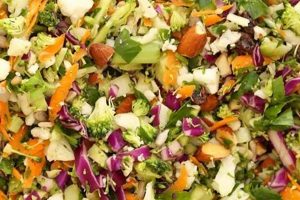
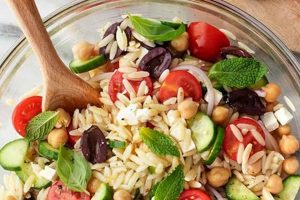
Citrus fruit salads featuring oranges as a primary ingredient offer a refreshing and vibrant culinary experience. These dishes often incorporate a variety of complementary ingredients, such as other fruits, vegetables, herbs, nuts, and cheeses, to create a balanced flavor profile. A simple example might include segmented oranges, thinly sliced fennel, crumbled feta cheese, and a light vinaigrette.
The inclusion of oranges in salads provides significant nutritional value, notably Vitamin C, as well as contributing a sweet and tangy element that can brighten other flavors. Historically, citrus fruits were prized for their health benefits and their ability to add zest to otherwise simple dishes. The evolution of fruit salads reflects culinary trends towards lighter, healthier fare, where the natural sweetness of fruit takes center stage.
This article will further explore the versatility of salads featuring this citrus fruit by examining various recipe variations, discussing optimal ingredient pairings, and providing guidance on preparation techniques.
Tips for Crafting Exceptional Orange Salads
Elevating orange salads from simple to extraordinary involves careful consideration of ingredient selection, preparation techniques, and flavor balancing. The following tips offer guidance for creating dishes that highlight the unique qualities of this citrus fruit.
Tip 1: Balance Sweetness and Acidity: Temper the sweetness of oranges with acidic components. Consider incorporating ingredients like grapefruit segments, red onion, or a vinaigrette featuring lemon juice or vinegar.
Tip 2: Embrace Textural Variety: Introduce contrasting textures for a more engaging culinary experience. Pair the soft segments of orange with crunchy elements such as toasted nuts, thinly sliced fennel, or pomegranate seeds.
Tip 3: Explore Flavor Affinities: Oranges complement a wide range of flavors. Experiment with pairings such as fresh mint, feta cheese, olives, or even spiced pecans.
Tip 4: Proper Preparation is Key: Ensure oranges are properly segmented to remove all pith and membrane for optimal texture and flavor. Use sharp knives for clean cuts and to avoid bruising the fruit.
Tip 5: Seasoning Matters: Enhance the natural sweetness of oranges with a light touch of salt and freshly cracked black pepper. This seemingly simple step elevates the overall flavor profile.
Tip 6: Dress Strategically: Avoid heavy dressings that can mask the delicate flavors of the salad. Opt for light vinaigrettes or simply a drizzle of high-quality olive oil.
Tip 7: Consider Presentation: Thoughtful plating enhances the visual appeal and overall enjoyment. Arrange the salad components attractively, considering color and texture variations.
By implementing these strategies, one can create orange salads that are not only visually appealing but also deliver a complex and satisfying interplay of flavors and textures.
These tips provide a foundation for creating delicious and visually appealing orange salads. Experimentation with various ingredients and techniques will further refine one’s ability to craft truly exceptional dishes.
1. Ingredient Selection

Ingredient selection significantly impacts the overall flavor profile and textural complexity of orange salads. Careful consideration of each component’s contribution is essential for a successful outcome. Oranges, while central, provide a foundation upon which a variety of complementary or contrasting elements can build. For instance, the sweetness of navel oranges can be balanced by the peppery bite of arugula or the salty tang of feta cheese. The inherent juiciness benefits from the inclusion of ingredients that offer textural contrast, such as toasted almonds or crisp fennel. Even seemingly minor additions, like thinly sliced red onion or a sprinkle of fresh mint, can significantly elevate the final dish. Ignoring the interplay of ingredients can result in a salad that is either bland or unbalanced.
The success of orange salad recipes often hinges on the ability to create a harmonious blend of flavors and textures. This requires understanding the individual characteristics of potential ingredients and how they interact with one another. Arugula’s peppery notes and slight bitterness, for example, provide a counterpoint to the sweetness of the orange. Fennel, with its anise-like flavor and satisfying crunch, offers both a flavor and textural dimension. Choosing ingredients that complement and contrast with the orange’s inherent qualities ensures a more complex and enjoyable culinary experience. Specific varieties of oranges also offer distinct flavor profiles, allowing for further customization. Blood oranges, with their tartness and deep color, create a different experience than the sweetness of a navel orange. Considering these nuances allows for a more tailored and sophisticated result.
Ultimately, strategic ingredient selection transforms orange salads from simple to exceptional. Understanding the interplay of flavors, textures, and colors allows for the creation of dishes that are both visually appealing and palate-pleasing. Successful orange salad recipes rely on this principle, demonstrating that thoughtful ingredient choices are crucial for a truly satisfying culinary outcome.
2. Flavor Balance

Flavor balance is paramount in crafting successful orange salad recipes. The inherent sweetness of oranges necessitates careful consideration of other ingredients to prevent an overly saccharine result. A harmonious blend of sweet, sour, salty, bitter, and umami elements elevates the dish beyond a simple combination of ingredients. Understanding how these elements interact is crucial for creating a complex and satisfying flavor profile.
- Acidity as a Counterpoint
Acidity plays a vital role in balancing the sweetness of oranges. Ingredients like vinegar, lemon juice, or grapefruit segments introduce a tartness that cuts through the sugar, preventing the salad from becoming cloying. This interplay creates a more dynamic and refreshing taste experience. For example, a vinaigrette with a higher proportion of vinegar or the inclusion of tart berries can effectively balance a particularly sweet orange variety.
- Bitterness as a Foil
Bitterness provides another dimension to flavor balance. Ingredients such as radicchio, arugula, or olives offer a contrasting bitterness that complements the sweetness of oranges. This contrast adds depth and complexity to the overall flavor profile. Consider pairing segments of a sweet navel orange with bitter greens like frise or dandelion greens to achieve this balance.
- Salt as an Enhancer
Salt enhances the sweetness of oranges while simultaneously grounding the other flavors. A pinch of salt amplifies the existing flavors, creating a more pronounced and well-rounded taste. Salted nuts, crumbled feta cheese, or a sprinkle of flaky sea salt on the finished salad can provide this necessary element. The judicious use of salt is essential for bringing out the best in all ingredients.
- Umami for Depth
Umami, often described as a savory or meaty flavor, adds another layer of complexity to orange salads. Ingredients like Parmesan cheese, toasted nuts, or even a touch of soy sauce can contribute umami notes that complement the sweetness and acidity. The inclusion of umami provides a more nuanced and satisfying flavor experience. For instance, a sprinkle of toasted sesame seeds or a drizzle of sesame oil can introduce a subtle umami element that enhances the other flavors.
Achieving optimal flavor balance transforms orange salad recipes from simple to exceptional. The interplay of these elementsacidity, bitterness, salt, and umamicreates a harmonious blend that highlights the natural sweetness of oranges while adding depth and complexity. A well-balanced orange salad offers a vibrant and refreshing experience for the palate.
3. Textural Contrast

Textural contrast significantly enhances the sensory experience of consuming orange salads. A combination of textures elevates these dishes beyond simple flavor profiles, creating a more dynamic and engaging culinary experience. The interplay of contrasting textures stimulates multiple sensory receptors within the mouth, resulting in heightened enjoyment. A salad composed solely of soft ingredients, such as orange segments and berries, can become monotonous. However, introducing contrasting textures, such as crunchy nuts, crisp vegetables, or creamy cheese, transforms the eating experience.
Consider the example of a classic orange and fennel salad. The soft, juicy segments of orange provide a pleasant sweetness, while the thinly sliced fennel offers a refreshing crispness and subtle anise flavor. This contrast in textures creates a more dynamic and satisfying mouthfeel. Further enhancing this salad with toasted walnuts introduces another layer of textural complexity, as the crunch of the nuts complements both the soft orange and crisp fennel. Even a simple addition like pomegranate seeds offers a delightful burst of juice that contrasts with the other textures. The practical significance of understanding textural contrast lies in the ability to create dishes that are not only flavorful but also texturally stimulating.
Achieving optimal textural contrast in orange salad recipes requires careful consideration of ingredient selection and preparation techniques. Utilizing a variety of cutting techniques, such as slicing, dicing, and segmenting, allows for further manipulation of texture. Toasted nuts offer a different textural experience compared to raw nuts. Similarly, blanched or roasted vegetables provide a softer texture than their raw counterparts. The interplay of these elements creates a multi-dimensional culinary experience, demonstrating that textural contrast is essential for crafting truly exceptional orange salads.
4. Presentation

Presentation plays a crucial role in the overall perception and enjoyment of orange salad recipes. While flavor and texture undoubtedly contribute significantly to the culinary experience, visual appeal enhances enjoyment. A thoughtfully presented salad entices the diner, creating anticipation and elevating the perceived value of the dish. This connection between presentation and enjoyment stems from the psychological impact of visual stimuli on appetite and satisfaction. A visually appealing dish triggers a positive response, enhancing the dining experience even before the first bite. Conversely, a carelessly plated salad, even if expertly prepared in terms of flavor and texture, can diminish the overall impression.
Consider the example of a vibrant orange salad featuring segmented oranges, thinly sliced fennel, crumbled feta cheese, and toasted pistachios. If these ingredients are simply tossed together and placed haphazardly on a plate, the visual appeal is significantly diminished. However, if the same ingredients are arranged thoughtfullyperhaps with the orange segments fanned out, the fennel placed strategically, the feta crumbled evenly, and the pistachios sprinkled artfullythe salad becomes far more enticing. This attention to detail transforms the dish from a simple combination of ingredients into a visually captivating culinary creation. The use of appropriate servingware further enhances presentation. A shallow bowl or platter showcases the salad’s components effectively, while a deep bowl might obscure the carefully arranged elements. The choice of garnish, such as a sprig of fresh mint or a drizzle of balsamic glaze, adds a final touch of visual appeal.
Effective presentation elevates orange salad recipes from merely palatable to truly memorable. The visual appeal of a dish influences perception, enhances enjoyment, and contributes to a more satisfying dining experience. Understanding the impact of presentation allows for a more comprehensive approach to culinary creation, demonstrating that visual appeal is an essential component of successful orange salad preparation.
5. Dressing Choice
Dressing choice significantly impacts the overall balance and enjoyment of orange salads. The right dressing complements the inherent sweetness and citrusy notes of oranges without overpowering the delicate flavors of other ingredients. An overly heavy or intensely flavored dressing can mask the subtle nuances of the salad, resulting in a less satisfying culinary experience. Conversely, a well-chosen dressing enhances the existing flavors, creating a harmonious blend that elevates the dish. This careful consideration of dressing choice demonstrates an understanding of flavor interactions and balance.
A light vinaigrette, often featuring citrus juices, olive oil, and herbs, frequently complements orange salads. For example, a lemon-herb vinaigrette provides a bright acidity that balances the sweetness of oranges while adding a refreshing herbal note. Alternatively, a balsamic vinaigrette offers a tangy sweetness that complements the oranges while introducing a subtle complexity. The choice of oil also influences the dressing’s flavor profile. Extra virgin olive oil provides a robust, fruity flavor, while a lighter oil, such as grapeseed oil, offers a more neutral base that allows the other flavors to shine. In some cases, a simple drizzle of high-quality olive oil and a sprinkle of flaky sea salt may suffice, allowing the natural flavors of the salad to take center stage. The specific ingredients in the salad inform the ideal dressing choice. A salad with bolder ingredients, such as roasted vegetables or strong cheeses, might benefit from a more assertive dressing, while a salad featuring delicate greens and fresh herbs might require a lighter touch.
Strategic dressing selection elevates orange salads from simple to exceptional. A well-chosen dressing enhances the flavors of the individual components while creating a cohesive and balanced whole. This attention to detail demonstrates culinary expertise and contributes to a more satisfying and enjoyable dining experience. Understanding the nuances of dressing choice and its impact on orange salad recipes enables the creation of dishes that are both flavorful and well-balanced.
Frequently Asked Questions
This section addresses common inquiries regarding the preparation and enjoyment of orange salads.
Question 1: How can one prevent orange segments from becoming dry in a salad?
To prevent drying, dress the salad just before serving. Storing dressed segments in an airtight container in the refrigerator can also help maintain moisture content, although some textural change is inevitable. Adding a light coating of simple syrup can also help.
Question 2: What are suitable alternatives to oranges in these recipes?
While oranges are central, other citrus fruits such as mandarins, grapefruits, or pomelos can offer interesting variations in flavor and texture. Consider the overall flavor profile when substituting.
Question 3: Can orange salads be prepared in advance?
Certain components, such as toasted nuts or roasted vegetables, can be prepared ahead of time. However, it is generally recommended to combine the salad ingredients and add the dressing just prior to serving to maintain optimal texture and prevent the oranges from becoming soggy.
Question 4: What dressings best complement orange salads beyond vinaigrettes?
Light, flavorful dressings complement orange salads best. While vinaigrettes are common, a simple drizzle of high-quality olive oil with a sprinkle of flaky sea salt and freshly cracked black pepper can also be effective. A light yogurt-based dressing with herbs can also provide a creamy counterpoint to the citrus.
Question 5: How can one incorporate orange zest into an orange salad recipe?
Orange zest adds a concentrated citrus flavor and aroma. Use a fine grater to zest the outer layer of the orange, avoiding the bitter white pith. Add the zest to the dressing or sprinkle it directly over the salad. A light touch is recommended, as the zest can be quite potent.
Question 6: What are effective methods for segmenting oranges?
Using a sharp knife, cut off both ends of the orange. Following the curve of the fruit, slice off the peel and pith. Working over a bowl to catch the juices, carefully cut between the membranes to release each segment.
Understanding these common points of inquiry allows for more successful and enjoyable experiences when preparing orange salads. The provided information aims to clarify potential challenges and offer practical solutions for optimal results.
The following section will offer a curated selection of orange salad recipes, demonstrating the practical application of the discussed principles.
Conclusion
Exploration of recipes featuring oranges in salads reveals the versatility of this citrus fruit in culinary applications. Careful consideration of ingredient pairings, flavor balance, textural contrast, presentation, and dressing selection elevates these dishes beyond simple fruit salads. The interplay of sweet, acidic, bitter, salty, and umami elements, combined with a variety of textures, creates a complex and satisfying sensory experience. Proper preparation techniques, such as segmenting oranges and utilizing fresh ingredients, further enhance the final product.
Culinary creativity with this vibrant fruit offers a pathway to innovative and healthful dishes. The potential for flavor combinations and textural explorations remains vast, encouraging further experimentation and refinement within the culinary arts. Continued exploration promises exciting developments and a deeper appreciation for the versatility of oranges in salads.