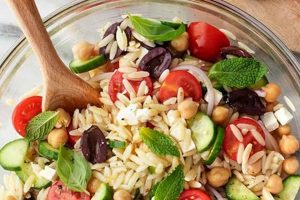
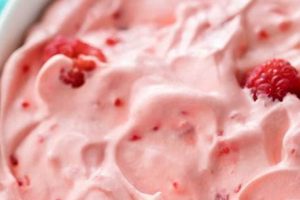
Congealed salads, often incorporating fruit, vegetables, or nuts suspended within a flavored gelatin base, represent a nostalgic dish frequently served during the autumnal holiday season. These dishes range from simple, single-flavor molds with fruit cocktail to more elaborate layered creations incorporating cream cheese, marshmallows, or even savory ingredients.
Their prevalence on Thanksgiving tables stems from a combination of factors, including the relative ease of preparation, the affordability of ingredients, and the visually appealing nature of these often brightly colored dishes. Historically, gelatin’s rise in popularity coincided with advancements in food manufacturing and refrigeration technologies, making these dishes accessible to a wider audience. They provided a relatively simple way to showcase seasonal produce or incorporate leftovers in an attractive format, fitting seamlessly into the celebratory feast.
The following sections will explore variations on this classic dish, ranging from traditional recipes to modern interpretations, offering guidance on ingredient selection, preparation techniques, and presentation suggestions. Further discussion will delve into the cultural significance of these dishes and their enduring presence at Thanksgiving gatherings.
Tips for Creating Exceptional Congealed Salads
Achieving optimal results with gelatin-based salads requires attention to detail and a few key techniques. The following suggestions will assist in crafting visually appealing and flavorful dishes.
Tip 1: Bloom the Gelatin: Gelatin must be softened in cold liquid before dissolving it in hot liquid. This ensures even hydration and prevents clumping. Allow the gelatin to bloom for at least five minutes before proceeding.
Tip 2: Dissolve Gelatin Completely: Ensure the gelatin is fully dissolved in the hot liquid before incorporating other ingredients. Undissolved granules can result in an unpleasant texture.
Tip 3: Chill Gradually: Allow the gelatin mixture to cool slightly before adding chilled ingredients like fruit or whipped cream. This prevents the ingredients from sinking or separating and promotes even distribution.
Tip 4: Select Complementary Flavors: Consider the flavor profiles of the gelatin and the incorporated ingredients. Tart fruits pair well with sweeter gelatin flavors, while savory additions benefit from complementary herbs and spices.
Tip 5: Use High-Quality Ingredients: The flavor of the gelatin salad is directly influenced by the quality of its components. Fresh, ripe produce and flavorful additions enhance the overall taste experience.
Tip 6: Consider Presentation: Mold selection and garnishing significantly impact the visual appeal. Choose molds that complement the occasion and garnish with fresh herbs, fruit slices, or chopped nuts.
Tip 7: Unmold Carefully: To release the salad from the mold, briefly dip the mold in warm water, ensuring the water does not reach the top edge of the salad. Invert onto a serving platter and gently shake to release.
By following these tips, one can elevate congealed salads from simple dishes to elegant and flavorful additions to any festive meal.
The following section provides a selection of classic and contemporary recipes, demonstrating the versatility and adaptability of these timeless dishes.
1. Gelatin Selection (Flavored, Unflavored)

Gelatin selection represents a foundational element in crafting Thanksgiving gelatin salads. The choice between flavored and unflavored gelatin significantly influences the final dish’s overall taste profile and visual presentation. Flavored gelatin provides a pre-determined taste foundation, often featuring fruit-based profiles like cherry, orange, or lime. This simplifies the recipe development process, requiring fewer additional ingredients to achieve a balanced flavor. Conversely, unflavored gelatin offers a blank canvas, enabling complete control over the flavor profile. This allows for incorporating fruit juices, spices, or other flavorings to create unique and customized flavor combinations. The choice depends on the desired outcome and the recipe’s complexity.
For example, a vibrant cranberry-orange salad might benefit from the simplicity of orange-flavored gelatin, complemented by fresh cranberries and orange segments. However, a more complex spiced pear and ginger salad might require unflavored gelatin, allowing the nuanced spice blend and pear flavor to take center stage. The color of the gelatin also plays a role. Flavored gelatins typically exhibit vibrant hues, while unflavored gelatin yields a translucent base, relying on added ingredients for color. This factor influences the final dish’s visual appeal, particularly in layered or molded presentations.
Understanding the nuances of gelatin selection allows for informed decisions when crafting Thanksgiving gelatin salads. Matching the gelatin type to the desired flavor profile and visual aesthetic ensures a harmonious and successful outcome. This careful consideration elevates the dish beyond a simple dessert to a thoughtfully constructed component of the Thanksgiving feast.
2. Fruit Combinations (Seasonal, Tropical)

Fruit combinations play a crucial role in defining the character of Thanksgiving gelatin salads. The choice between seasonal and tropical fruits significantly impacts the flavor profile, visual appeal, and overall thematic coherence within the Thanksgiving meal context. Seasonal fruits, such as cranberries, apples, and pears, align with the traditional autumnal harvest theme. These fruits offer familiar flavors and textures, often evoking nostalgic associations with Thanksgiving celebrations. Their inclusion reinforces the seasonality of the meal and complements other traditional dishes. For instance, a cranberry-apple gelatin salad resonates with the flavors of cranberry sauce and apple pie, creating a harmonious flavor experience.
Tropical fruits, such as pineapple, mango, and coconut, introduce a contrasting element. These fruits offer brighter, more vibrant flavors and add visual interest with their contrasting colors. While deviating from the traditional autumnal theme, tropical fruits can provide a refreshing counterpoint to the richer, heavier elements of the Thanksgiving meal. A pineapple-ginger gelatin salad, for instance, can offer a palate cleanser between courses. The choice between seasonal and tropical fruits depends on the desired overall effect. A purely traditional approach might favor seasonal fruits exclusively, while a more contemporary interpretation might incorporate tropical elements for contrast and visual flair.
Strategic fruit combinations elevate Thanksgiving gelatin salads beyond simple desserts. Thoughtful selection contributes to a cohesive and balanced Thanksgiving meal, offering both visual and gustatory appeal. Balancing traditional elements with innovative combinations allows for personalization and creative expression within this classic dish category. Ultimately, the selected fruit combination contributes significantly to the overall dining experience.
3. Vegetable additions (carrots, celery)
While often associated primarily with fruit, Thanksgiving gelatin salads can benefit from the inclusion of vegetables, adding both textural and flavor complexity. Vegetables like carrots and celery, commonly found in traditional Thanksgiving dishes, offer a savory counterpoint to the sweetness of fruit and gelatin. Their inclusion can enhance the nutritional value of the dish while offering a refreshing contrast to richer elements of the meal.
- Flavor Contrast and Balance
The subtle earthiness of carrots and the crisp, slightly bitter notes of celery provide a counterbalance to the sweetness of the gelatin and fruit. This contrast prevents the salad from becoming overly sweet and adds a savory dimension. For instance, in a cranberry-orange gelatin salad, the addition of diced celery adds a refreshing, herbaceous element that complements the tartness of the cranberries and the sweetness of the orange.
- Textural Variation
The inclusion of finely diced or shredded carrots and celery introduces textural variation to the otherwise smooth texture of gelatin salads. This added crunch enhances the eating experience and offers a more dynamic mouthfeel. Shredded carrots in a pineapple-ginger gelatin salad, for example, provide a pleasant textural contrast to the soft gelatin and the juicy pineapple chunks.
- Nutritional Enhancement
Adding vegetables increases the nutritional value of the gelatin salad, contributing vitamins, minerals, and fiber. While gelatin salads are not typically considered health food, the inclusion of vegetables offers a modest nutritional boost. Carrots, for instance, are rich in vitamin A and beta-carotene, while celery provides dietary fiber and vitamin K.
- Visual Appeal
The bright orange of carrots and the pale green of celery add visual interest to the gelatin salad, creating a more visually appealing dish. The color contrast, especially against the backdrop of vibrant gelatin and fruit, enhances the presentation. Finely diced carrots and celery suspended within a clear gelatin, for example, create a visually appealing mosaic effect.
The strategic incorporation of vegetables like carrots and celery in Thanksgiving gelatin salads expands their flavor profile beyond the traditional sweet realm. This inclusion not only enhances the nutritional value and textural complexity but also contributes to a more balanced and visually appealing dish. By embracing such additions, the traditional gelatin salad evolves into a more sophisticated and nuanced component of the Thanksgiving feast.
4. Sweeteners (sugar, artificial sweeteners)

Sweetener selection plays a critical role in the flavor profile and overall composition of Thanksgiving gelatin salad recipes. Balancing sweetness with other flavor components, such as the tartness of fruit or the savory notes of added vegetables, requires careful consideration of sweetener type and quantity. The choice between sugar and artificial sweeteners impacts not only the taste but also the textural properties and overall health considerations of the final dish.
- Sugar (Granulated, Powdered)
Granulated sugar provides a familiar sweetness and contributes to the overall setting texture of the gelatin. Powdered sugar, due to its finer texture, dissolves more readily and is often preferred for applications where a smooth, seamless sweetness is desired, such as in whipped cream or frosting layers incorporated into the salad. The amount of sugar used depends on the desired level of sweetness and the sweetness of the other ingredients. Excessive sugar can mask other flavors and create an overly sweet, unbalanced dish.
- Artificial Sweeteners
Artificial sweeteners offer a low-calorie alternative to sugar, appealing to those seeking to reduce sugar intake. However, artificial sweeteners can sometimes impart a slightly different taste profile compared to sugar, which some individuals find less desirable. Additionally, some artificial sweeteners can impact the setting properties of gelatin, requiring adjustments to the recipe. Careful consideration and recipe testing are necessary when substituting artificial sweeteners for sugar.
- Honey and other natural sweeteners
Natural sweeteners like honey, maple syrup, or agave nectar offer alternatives to both sugar and artificial sweeteners. These options can introduce unique flavor profiles and contribute to the overall complexity of the gelatin salad. Honey, for example, can complement the flavors of fall fruits like apples and pears, while maple syrup can enhance the sweetness of a cranberry-based salad. However, these sweeteners can alter the setting properties of gelatin and may require adjustments to the liquid ratios in the recipe.
- Impact on Texture and Setting
The type and amount of sweetener can impact the final texture and setting of the gelatin. Sugar contributes to the structural integrity of the gelatin, while excessive amounts can inhibit proper setting. Artificial sweeteners may require additional setting agents or adjustments to the gelatin concentration to achieve the desired consistency. Understanding these interactions is crucial for achieving the desired textural outcome.
The choice of sweetener in Thanksgiving gelatin salad recipes requires a nuanced understanding of flavor balance, dietary considerations, and the impact on texture and setting. Matching the sweetener to the overall flavor profile of the salad and considering the desired textural outcome ensures a harmonious and successful final product. Careful experimentation and attention to detail elevate the gelatin salad from a simple dessert to a thoughtfully constructed component of the Thanksgiving feast.
5. Mold Shapes (Traditional, Novelty)
Mold selection significantly influences the presentation and overall aesthetic of Thanksgiving gelatin salads. The chosen mold shape contributes to the dish’s visual appeal and can reflect the festive nature of the occasion. Options range from traditional shapes, often associated with classic desserts, to novelty molds that add a playful or whimsical touch. Understanding the impact of mold selection allows for a more considered and impactful presentation.
- Traditional Bundt or Ring Molds
Bundt or ring molds offer a classic, elegant presentation for gelatin salads. Their fluted edges and central opening create a visually appealing shape that suits a formal Thanksgiving setting. These molds often facilitate elaborate layering and intricate designs within the gelatin, allowing for complex visual presentations. A cranberry-orange gelatin molded in a Bundt pan, garnished with candied orange peel, exemplifies a traditional yet elegant approach.
- Simple Loaf or Square Pans
Loaf or square pans provide a practical and versatile option for molding gelatin salads. Their simple shape allows for easy slicing and serving, making them suitable for larger gatherings. While less ornate than Bundt molds, these pans offer a clean, straightforward presentation that allows the colors and textures of the salad ingredients to shine. A layered vegetable gelatin in a loaf pan, showcasing distinct layers of carrots, celery, and peas, exemplifies this practical approach.
- Novelty Molds (Turkey, Pumpkin, Leaf)
Novelty molds, often shaped like turkeys, pumpkins, or autumn leaves, introduce a playful element to the Thanksgiving table. These molds enhance the festive atmosphere and can be particularly appealing to children. While these molds might require more careful unmolding, their whimsical shapes add a unique touch to the dessert presentation. A pumpkin-shaped orange gelatin with a whipped cream stem embodies this festive approach.
- Individual Serving Molds
Individual serving molds, such as small ramekins or custard cups, offer portion control and an elegant presentation. These molds allow for individual customization and can be particularly appealing for smaller gatherings or buffet-style servings. A cranberry-raspberry gelatin molded in individual wine glasses, topped with fresh berries, exemplifies this elegant, personalized approach.
Mold shape selection provides an opportunity to enhance the visual appeal and thematic coherence of Thanksgiving gelatin salads. Whether opting for the classic elegance of a Bundt mold, the practicality of a loaf pan, or the whimsy of a novelty mold, the chosen shape contributes significantly to the overall presentation and dining experience. This seemingly simple decision offers a powerful tool for elevating the gelatin salad from a simple dish to a thoughtfully presented component of the Thanksgiving feast.
6. Garnishing techniques (herbs, nuts)

Garnishing elevates Thanksgiving gelatin salads from simple molded desserts to visually appealing, flavorful components of the festive meal. Strategic garnishing enhances the salad’s aesthetic appeal and introduces complementary flavors and textures, creating a more complex and satisfying culinary experience. Fresh herbs and nuts, chosen to complement the salad’s primary ingredients, offer a range of garnishing possibilities.
Fresh herbs provide both visual and aromatic enhancement. Sprigs of mint complement fruit-based salads, while rosemary or thyme accentuate savory vegetable-based variations. Chopped chives or parsley offer a milder herbaceous note. Nut garnishes contribute textural contrast and complementary flavors. Toasted pecans or walnuts enhance the richness of cranberry or apple-based salads. Slivered almonds provide a delicate crunch to lighter citrus-flavored variations. The choice of garnish should harmonize with the salad’s flavor profile, creating a balanced and cohesive presentation. A cranberry-orange gelatin salad, for example, benefits from candied orange zest and chopped pecans, enhancing both visual appeal and flavor. A savory tomato aspic, conversely, might be garnished with fresh basil and chopped walnuts.
Effective garnishing requires attention to detail. Herbs should be fresh and vibrant, while nuts should be toasted to enhance their flavor. Garnishes should be applied judiciously, avoiding overcrowding the presentation. The goal is to enhance, not overwhelm, the salad’s inherent qualities. Understanding the interplay of flavors and textures allows for informed garnishing decisions, transforming a simple gelatin salad into a thoughtfully composed element of the Thanksgiving feast. Thoughtful garnishing demonstrates attention to detail and elevates the perceived value of the dish, contributing to a more memorable dining experience.
7. Serving Temperature (Chilled, Room Temperature)

Serving temperature significantly influences the textural and sensory experience of Thanksgiving gelatin salads. The choice between chilled and room temperature service impacts the gelatin’s firmness, flavor release, and overall palatability. Careful consideration of serving temperature ensures the desired textural integrity and optimizes the balance of flavors within the salad.
- Chilled Serving
Chilling enhances the structural integrity of gelatin, creating a firm, stable mold that showcases intricate details and layered designs. The cool temperature provides a refreshing contrast to other Thanksgiving dishes, particularly richer, heavier offerings. Chilling also moderates sweetness, allowing subtle flavors to emerge. However, excessive chilling can dull flavor perception and create an overly firm, rubbery texture.
- Room Temperature Serving
Serving gelatin salads at room temperature softens the texture, creating a more yielding, melt-in-the-mouth experience. This warmer temperature enhances flavor release, intensifying the perception of fruit, spices, and other aromatic ingredients. However, room temperature service can compromise the structural integrity of more complex molds, potentially leading to slumping or loss of definition. This serving method requires careful consideration of the salad’s composition and ambient temperature.
- Textural Considerations
Serving temperature directly affects the perceived texture of the gelatin. A chilled salad offers a firm, defined structure, while a room temperature salad presents a softer, more yielding consistency. The desired texture depends on the specific recipe and personal preference. A fruit-based salad with embedded fruit pieces might benefit from the firmness of chilled serving, while a creamy, layered salad might be more appealing with the softer texture achieved at room temperature.
- Flavor Release and Perception
Temperature influences the volatility of aromatic compounds, impacting flavor perception. Chilled temperatures can mute volatile aromas, while warmer temperatures enhance their release. Serving temperature, therefore, plays a crucial role in balancing the sweetness of the gelatin with the tartness of fruit or the savory notes of added ingredients. A spiced cranberry gelatin, for example, might benefit from room temperature serving to enhance the spice notes, while a citrus-based salad might be more refreshing when chilled.
Serving temperature represents a crucial element in optimizing the sensory experience of Thanksgiving gelatin salads. The interplay between temperature, texture, and flavor release requires careful consideration. Selecting the appropriate serving temperature enhances the salad’s palatability, ensuring a harmonious balance of flavors and textures that complements the overall Thanksgiving meal. This seemingly simple decision significantly impacts the dish’s success, elevating it from a simple dessert to a thoughtfully presented and enjoyable culinary experience.
Frequently Asked Questions
This section addresses common inquiries regarding the preparation and presentation of gelatin-based salads, offering practical guidance for achieving optimal results.
Question 1: How can clumping be prevented when dissolving gelatin?
Clumping occurs when gelatin granules hydrate unevenly. Blooming the gelatin in cold liquid before introducing hot liquid ensures thorough hydration and prevents clump formation. Allowing the gelatin to soak in cold liquid for the recommended time, typically five minutes, softens the granules and prepares them for even dispersion in the hot liquid.
Question 2: What causes cloudiness in a finished gelatin salad?
Cloudiness can result from several factors, including undissolved gelatin granules, incorporating ingredients while the gelatin mixture is too hot, or using certain acidic fruits without proper pre-treatment. Ensuring complete gelatin dissolution, allowing the mixture to cool slightly before adding other ingredients, and pre-treating acidic fruits can mitigate cloudiness.
Question 3: How can one ensure a smooth, even texture in a layered gelatin salad?
Achieving smooth, distinct layers requires allowing each layer to set fully before adding the next. Refrigerating each layer until firm prevents intermingling and ensures visually appealing, well-defined layers. Chilling the added ingredients also helps maintain layer separation.
Question 4: What techniques facilitate clean unmolding of gelatin salads?
Briefly dipping the mold in warm water loosens the gelatin from the mold’s surface, facilitating clean release. Ensure the warm water does not reach the top edge of the salad. Inverting the mold onto a serving platter and gently shaking or tapping the base releases the gelatin. Lightly greasing the mold before filling can also aid unmolding.
Question 5: How can weeping or syneresis be minimized in gelatin salads?
Weeping, or syneresis, refers to the release of liquid from the gelatin matrix. This can occur due to several factors, including excessive agitation, too much acid, or insufficient chilling time. Following recommended gelatin-to-liquid ratios, minimizing agitation during setting, and ensuring adequate chilling time helps reduce syneresis. Properly blooming the gelatin is also crucial for minimizing weeping.
Question 6: How long can gelatin salads be stored, and what storage methods are recommended?
Gelatin salads should be stored, tightly covered, in the refrigerator. They typically maintain optimal quality for 3-5 days. Avoid freezing gelatin salads, as freezing alters the texture and can cause syneresis upon thawing. Store leftover portions promptly in airtight containers to prevent drying or absorption of odors.
Understanding these common challenges and their solutions ensures consistent success in preparing and presenting visually appealing and flavorful gelatin-based salads. Attention to detail and adherence to recommended techniques contribute to an enjoyable culinary experience.
The following section provides a curated selection of Thanksgiving gelatin salad recipes, ranging from traditional favorites to contemporary variations, offering inspiration and guidance for creating memorable holiday dishes.
Thanksgiving Gelatin Salad Recipes
Exploration of Thanksgiving gelatin salad recipes reveals a multifaceted culinary tradition. From the selection of gelatin and complementary ingredients to the nuances of mold selection, garnishing techniques, and serving temperature, each element contributes to the final product’s sensory experience. Understanding the interplay of flavors, textures, and visual presentation allows for informed decisions, transforming a simple dish into a thoughtfully composed element of the Thanksgiving feast. Addressing common preparation challenges, such as preventing clumping and ensuring smooth layering, empowers culinary exploration and promotes consistent results.
Gelatin salad recipes offer a canvas for culinary creativity within the Thanksgiving tradition. Adaptability to diverse flavor profiles and presentations ensures relevance in contemporary culinary landscapes. The enduring appeal of these dishes lies in their capacity to evoke nostalgia while embracing innovation, solidifying their place as a cherished component of holiday gatherings for generations to come.