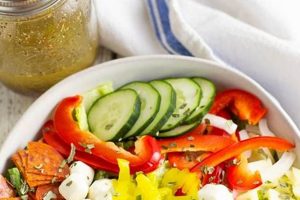
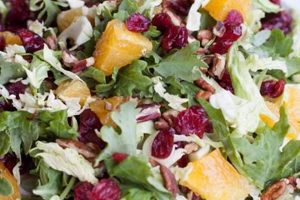
Dishes featuring the anise-flavored bulb and feathery fronds of the fennel plant as a primary component in mixed greens or other raw vegetables offer a refreshing and flavorful culinary experience. These preparations can range from simple combinations with citrus and herbs to more complex compositions incorporating cheeses, nuts, and proteins.
The crisp texture and distinctive flavor profile of fennel contribute a unique element to salads. Its subtle licorice notes complement a variety of other ingredients, from bright citrus fruits to rich, salty cheeses. Furthermore, fennel offers nutritional benefits, being a good source of vitamin C, fiber, and potassium. Its usage in culinary applications dates back to ancient Roman and Greek civilizations, highlighting its long-standing appeal.
This exploration will delve further into specific preparations, highlighting versatile recipes that showcase the culinary potential of fennel within the context of salads. Variety in ingredients, dressings, and techniques will be demonstrated, catering to diverse palates and dietary preferences.
Tips for Utilizing Fennel in Salads
Optimizing the use of fennel in salads requires attention to preparation techniques and flavor pairings. The following tips offer guidance for creating flavorful and visually appealing dishes.
Tip 1: Selecting Fennel: Choose firm bulbs with bright white color and no signs of bruising or browning. Fresh, feathery fronds are a sign of quality.
Tip 2: Bulb Preparation: Trim the stalks and root end, reserving the fronds for later use. Slice the bulb thinly, using a mandoline for optimal consistency, or shave it into delicate ribbons for a refined presentation.
Tip 3: Balancing Flavors: Fennel’s anise notes pair well with citrus fruits, such as oranges and grapefruit, as well as acidic dressings. Salty cheeses, like Parmesan or feta, offer a complementary contrast.
Tip 4: Incorporating the Fronds: Chop the reserved fronds finely and use them as an aromatic herb, similar to dill or parsley. Add them to the salad just before serving to maintain their fresh flavor and vibrant green color.
Tip 5: Textural Variety: Combine thinly sliced or shaved fennel with other ingredients offering textural contrast, such as toasted nuts, crunchy vegetables, or creamy avocados.
Tip 6: Avoiding Bitterness: The core of the fennel bulb can sometimes be slightly bitter. Removing it before slicing can mitigate this, particularly for raw preparations.
Tip 7: Don’t Overdress: Fennel’s delicate flavor can be easily overpowered. Use dressings sparingly, opting for light vinaigrettes or citrus-based emulsions.
By following these tips, one can maximize the flavor and textural contributions of fennel, resulting in salads that are both delicious and visually appealing. The unique qualities of this versatile vegetable allow for a wide range of creative combinations.
These techniques and flavor pairings provide a foundation for exploring the diverse culinary possibilities fennel offers in the context of salad preparation.
1. Fresh Fennel Bulbs

Fresh fennel bulbs serve as the foundational ingredient in fennel-forward salads, contributing distinct flavor, aroma, and texture. The quality of the bulb directly impacts the overall success of the dish. A fresh bulb, characterized by its firm texture, vibrant white color, and fragrant, feathery fronds, offers a crisp, slightly sweet, and subtly anise-flavored experience. Conversely, bulbs that are bruised, browned, or have wilted fronds may impart an unpleasant bitterness or off-flavors, detracting from the intended flavor profile. For example, a salad featuring fresh, thinly shaved fennel with oranges and a light vinaigrette benefits from the bulb’s inherent sweetness and crispness, creating a refreshing and balanced dish. However, using a less-than-fresh bulb might introduce unwanted bitterness, overpowering the delicate flavors of the other components.
Beyond flavor considerations, the freshness of the fennel bulb also influences the salad’s textural appeal. Crisp, fresh fennel provides a satisfying crunch, contrasting with other elements like soft cheeses or tender greens. A salad featuring shaved fennel, toasted walnuts, and crumbled goat cheese exemplifies this interplay of textures. If the fennel bulb lacks freshness, its texture might become soft or spongy, diminishing the intended textural contrast and overall enjoyment. Moreover, the aesthetic appeal of the salad relies heavily on the vibrancy of fresh fennel. The bulb’s clean white color and bright green fronds contribute visual interest, enhancing the presentation. Wilted or discolored fennel can make the entire salad appear less appetizing.
Selecting and utilizing fresh fennel bulbs is essential for achieving the desired flavor, texture, and visual appeal in fennel-focused salads. Careful attention to the bulb’s quality ensures a successful and enjoyable culinary outcome. This understanding empowers culinary practitioners to make informed decisions when sourcing ingredients, leading to more consistently delicious and visually appealing salads. The consequences of using subpar fennel underscore the importance of prioritizing freshness, ultimately leading to a more satisfying dining experience.
2. Complementary Ingredients
The success of a fennel-based salad hinges on the thoughtful selection of complementary ingredients that enhance and balance the fennel’s distinctive flavor profile. These ingredients should not only offer contrasting textures and colors but also harmonize with the anise notes of the fennel, creating a cohesive and flavorful culinary experience. Careful consideration of these elements is paramount in crafting a well-balanced and appealing salad.
- Citrus Fruits
Citrus fruits, particularly oranges, grapefruits, and lemons, provide a refreshing acidity that cuts through the richness of fennel while complementing its subtle licorice notes. The bright, vibrant flavors of citrus also add a dimension of sweetness and tanginess, further enhancing the overall complexity of the salad. For instance, segments of blood orange paired with thinly sliced fennel and a light vinaigrette create a balanced and visually appealing dish. The citrus’s sweetness and acidity complement the fennel’s anise notes, creating a harmonious flavor profile.
- Cheeses
Salty, tangy cheeses, such as feta, Parmesan, and goat cheese, offer a textural and flavorful counterpoint to the crispness of fennel. These cheeses provide a creamy or crumbly texture that contrasts with the fennel’s crunch, adding depth to the salad’s overall composition. The saltiness of the cheese also balances the fennel’s subtle sweetness, creating a more complex and nuanced flavor profile. A salad featuring shaved fennel, crumbled goat cheese, and toasted walnuts exemplifies this principle, with the creamy goat cheese contrasting with the crisp fennel and crunchy walnuts.
- Nuts and Seeds
Toasted nuts and seeds, like almonds, walnuts, and sunflower seeds, introduce a satisfying crunch and earthy depth to fennel salads. These ingredients offer a textural contrast to the fennel’s crispness while contributing nutty, roasted flavors that complement its anise notes. Furthermore, nuts and seeds provide a source of healthy fats and protein, enhancing the nutritional value of the salad. For example, a combination of thinly sliced fennel, toasted almonds, and a lemon vinaigrette exemplifies the complementary interplay of textures and flavors between these elements.
- Herbs
Fresh herbs, including parsley, dill, mint, and even the fennel’s own fronds, add brightness and aromatic complexity. These herbs provide a fresh, herbaceous counterpoint to the fennel’s subtle sweetness and anise notes. Their vibrant green color also enhances the visual appeal of the salad. For example, a combination of shaved fennel, chopped fresh parsley, and a lemon vinaigrette creates a refreshing and flavorful salad that highlights the complementary relationship between the fennel and herbs. The fronds themselves can be finely chopped and added to the salad, amplifying the anise flavor while providing a delicate feathery texture.
The strategic incorporation of these complementary ingredients elevates fennel-based salads from simple to sophisticated. By balancing textures, flavors, and colors, these additions create a cohesive culinary experience that showcases the versatility and unique flavor profile of fennel.
3. Balanced Dressings

Balanced dressings play a crucial role in fennel-forward salads, acting as a unifying element that harmonizes the diverse flavors and textures while enhancing the overall culinary experience. The delicate anise notes of fennel require a dressing that complements rather than overwhelms its subtle flavor profile. An overly acidic or rich dressing can easily mask the fennel’s unique taste, while a bland dressing fails to elevate the other components of the salad. The balance achieved through careful consideration of acidity, sweetness, saltiness, and oil content is paramount. For instance, a vinaigrette with a high proportion of vinegar might overpower the fennel’s subtle sweetness, whereas a dressing lacking acidity might not adequately cut through the richness of accompanying ingredients like cheese or nuts. A balanced lemon-herb vinaigrette, on the other hand, provides brightness and acidity without masking the fennel’s flavor, allowing it to shine through while complementing other elements such as toasted walnuts and shaved Parmesan.
Achieving this balance requires a nuanced approach to flavor pairings. Citrus-based vinaigrettes, with their bright acidity and complementary sweetness, often prove ideal for fennel salads. The citrus notes harmonize with the fennel’s anise flavor, creating a refreshing and balanced profile. Furthermore, the acidity in the dressing helps to tenderize the fennel slightly, enhancing its texture. Incorporating herbs into the dressing, such as dill, parsley, or chives, adds another layer of complexity and freshness. Likewise, a light vinaigrette made with extra virgin olive oil, lemon juice, a touch of Dijon mustard, and fresh herbs provides a balanced counterpoint to the fennel’s subtle anise notes without overpowering the other ingredients. This approach allows the individual flavors to shine while creating a harmonious and unified dish. The emulsion of oil and acid also contributes to a pleasant mouthfeel, coating the ingredients and enhancing their flavors.
Understanding the interplay of flavors and textures within a fennel salad and the role of a balanced dressing is essential for creating a successful dish. The dressing should enhance and unify, not dominate. Careful consideration of acidity, sweetness, and the inclusion of complementary herbs or spices ensures that the fennel’s distinctive character remains at the forefront while harmonizing with the other components of the salad. This approach results in a well-rounded and flavorful culinary experience that showcases the versatility and subtle nuances of fennel.
4. Creative Flavor Combinations

Creative flavor combinations are essential for maximizing the culinary potential of fennel in salad preparations. Fennel’s distinctive anise flavor, while refreshing, necessitates thoughtful pairings to create balanced and compelling dishes. The inherent versatility of fennel allows for a wide range of flavor explorations, moving beyond simple preparations to more complex and nuanced flavor profiles. This exploration hinges on understanding the interplay between fennel’s inherent flavor characteristics and the complementary or contrasting notes of other ingredients. For example, the classic combination of fennel, orange, and Parmesan cheese highlights the interplay of sweet, salty, and anise flavors. The sweetness of the orange complements the subtle licorice notes of the fennel, while the salty Parmesan provides a savory counterpoint, creating a balanced and harmonious flavor profile. Another example is the pairing of fennel with grapefruit and avocado. The tartness of the grapefruit enhances the fennel’s refreshing qualities, while the creamy avocado adds richness and textural contrast, resulting in a more complex and satisfying salad.
Furthering this exploration, combinations incorporating ingredients like olives, pistachios, and fresh herbs can introduce salty, nutty, and herbaceous notes, adding depth and complexity. A salad featuring shaved fennel, Kalamata olives, toasted pistachios, and fresh mint exemplifies this approach, offering a complex interplay of flavors and textures. The saltiness of the olives, the nuttiness of the pistachios, and the refreshing coolness of the mint create a multi-dimensional flavor profile that complements and enhances the fennel’s inherent anise notes. This principle extends to incorporating various proteins, such as grilled shrimp or roasted chicken, which add a savory element and transform the salad into a more substantial meal. The interplay of these flavors and textures creates a dynamic and satisfying dining experience, showcasing the versatility of fennel as a key ingredient in salad preparations.
Successfully incorporating fennel into creative salad combinations requires an understanding of flavor balancing and textural contrasts. Challenges may arise when pairings overpower fennels subtle anise notes, or when textures clash rather than complement. Overcoming these challenges involves careful consideration of ingredient proportions and preparation techniques. Ultimately, successful flavor combinations elevate fennel from a supporting ingredient to a star component in salads, showcasing its versatility and unique flavor profile within a broader culinary context.
5. Proper Slicing Techniques

Proper slicing techniques are integral to successful fennel salad preparation, impacting texture, flavor release, and visual appeal. Thinly slicing or shaving fennel maximizes surface area, allowing for greater interaction with dressings and other ingredients, thus enhancing flavor absorption and creating a more delicate, palatable texture. Conversely, thick or unevenly cut fennel can result in a fibrous, tough mouthfeel and uneven flavor distribution within the salad. A thinly shaved fennel salad with oranges and a light vinaigrette, for example, offers a delicate, refreshing experience, while a salad with thickly sliced fennel might prove unwieldy and less flavorful.
Beyond texture and flavor, slicing techniques also influence the aesthetic presentation of the salad. Thinly shaved fennel creates an elegant, almost translucent appearance, contributing to visual appeal. Precise, uniform slices also ensure even distribution of fennel throughout the salad, enhancing its overall composition. This attention to detail elevates the dish from a simple combination of ingredients to a carefully constructed culinary creation. Conversely, roughly chopped fennel can appear less refined, detracting from the overall presentation. Consider a salad featuring thinly shaved fennel alongside segments of blood orange and crumbled goat cheesethe delicate fennel shavings contribute significantly to the salad’s visual appeal, contrasting with the other components’ textures and colors.
Mastery of proper slicing techniques, whether using a mandoline for consistent thinness or a sharp knife for delicate shavings, is therefore crucial for optimizing both the sensory experience and visual presentation of fennel salads. This understanding allows for greater control over the final dish, ensuring a balance of flavors, textures, and aesthetic appeal. Neglecting this aspect can compromise the overall quality of the salad, hindering its potential to showcase the unique characteristics of fennel. This principle underscores the importance of proper slicing techniques as a foundational element in successful fennel salad preparation.
Frequently Asked Questions
This section addresses common inquiries regarding the utilization of fennel in salads, providing clear and concise information to facilitate successful preparation and enjoyment of these dishes.
Question 1: How can the sometimes-bitter taste of raw fennel be mitigated?
The core of the fennel bulb can sometimes possess a slightly bitter flavor. Removing this core before slicing or shaving the bulb significantly reduces any potential bitterness, especially in raw preparations. Soaking thinly sliced fennel in ice water for a short period can also help mellow any residual bitterness and enhance its crispness.
Question 2: What are the best methods for storing fresh fennel to maintain optimal quality for salads?
Store fresh fennel bulbs in the refrigerator, ideally wrapped tightly in plastic wrap or stored in an airtight container, to maintain optimal freshness and prevent moisture loss. The fronds should be stored separately and used as soon as possible, as they tend to wilt quickly. Proper storage ensures the fennel remains crisp and flavorful for use in salads.
Question 3: Beyond salads, what other culinary applications showcase fennel’s versatility?
Fennel’s culinary versatility extends beyond salads. The bulb can be roasted, grilled, braised, or added to soups and stews. The fronds can be used as an aromatic herb in various dishes, including sauces, marinades, and seafood preparations. This versatility allows for diverse culinary applications, from simple roasted vegetables to complex Mediterranean-inspired dishes.
Question 4: Are there specific types of fennel better suited for raw salad preparations than others?
While all fennel varieties are edible, the Florence fennel, with its larger, bulbous base, is preferred for raw salads due to its tender texture and milder anise flavor. Other varieties, such as wild fennel, may have a more intense flavor profile better suited for cooked applications.
Question 5: What dressings best complement the distinct flavor profile of fennel in salads?
Light, citrus-based vinaigrettes are generally preferred for fennel salads as they complement the vegetable’s anise notes without overpowering its delicate flavor. Vinaigrettes incorporating lemon, orange, or grapefruit juice, along with herbs and a light oil, create harmonious flavor pairings.
Question 6: How can one prevent fennel from browning or discoloring after slicing for a salad?
To prevent browning or discoloration after slicing, toss the fennel immediately with a bit of lemon juice or an acidic dressing. This inhibits enzymatic browning and helps maintain the fennel’s vibrant white color, enhancing the salad’s visual appeal.
Understanding these aspects of fennel preparation and utilization allows for more informed choices when incorporating this versatile vegetable into salads, maximizing its culinary potential and contributing to a more enjoyable dining experience.
Further exploration of specific fennel salad recipes will demonstrate the practical application of these principles, providing concrete examples of how to create flavorful and visually appealing dishes.
Culinary Applications of Fennel in Salad Preparations
Exploration of fennel’s culinary versatility within the context of salad preparation reveals its potential to contribute distinct flavor profiles, textures, and visual appeal. Careful selection of fresh fennel bulbs, coupled with appropriate slicing techniques, optimizes both flavor and presentation. Thoughtful consideration of complementary ingredients, such as citrus fruits, cheeses, nuts, and herbs, further enhances the complexity and balance of fennel-based salads. Balanced dressings, particularly citrus-based vinaigrettes, play a crucial role in unifying these diverse elements. Creative flavor combinations expand the possibilities, demonstrating fennel’s adaptability within a wide range of culinary contexts.
The information presented provides a foundation for incorporating fennel into a variety of salad preparations, empowering culinary practitioners to create innovative and flavorful dishes. Further exploration and experimentation with diverse ingredients and flavor profiles promise to unlock the full potential of fennel within the culinary landscape, solidifying its position as a valuable and versatile ingredient.