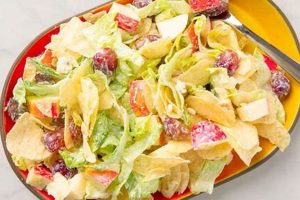
A vibrant and refreshing Levantine salad, this dish typically features a mix of chopped vegetables such as tomatoes, cucumbers, lettuce, and parsley, combined with toasted or fried pieces of pita bread. Sumac, a tangy spice, often plays a key role in the dressing, along with lemon juice and olive oil. Variations may incorporate other ingredients like mint, radish, or pomegranate seeds, offering a diverse range of flavors and textures.
This culinary creation offers a healthy and flavorful way to enjoy seasonal produce. The combination of fresh vegetables, herbs, and crispy bread provides a satisfying balance of nutrients and textures. Its historical roots in using leftover pita bread highlight a resourceful and delicious approach to minimizing food waste. Furthermore, the adaptability of this Middle Eastern classic allows for creative interpretations, making it a versatile option for various dietary preferences and occasions.
The following sections will delve into specific elements of this popular salad, exploring variations, detailed ingredient lists, step-by-step preparation instructions, and tips for achieving the perfect balance of flavors.
Tips for a Perfect Fattoush
Achieving optimal flavor and texture requires attention to several key aspects of preparation.
Tip 1: Bread Selection and Preparation: While pita bread is traditional, variations can utilize other flatbreads. Stale bread works best for achieving optimal crispness when toasted or fried. Cutting the bread into bite-sized pieces ensures even cooking and a pleasant textural contrast with the fresh vegetables.
Tip 2: Vegetable Choices and Handling: Ripe, seasonal vegetables offer the best flavor. Washing and thoroughly drying all produce prevents excess moisture from diluting the dressing. Consistent chopping ensures a harmonious blend of textures and allows the dressing to coat the ingredients evenly.
Tip 3: Dressing Mastery: The balance of sumac, lemon juice, and olive oil forms the foundation of the dressing. Adjusting the proportions allows for customization to individual preferences. Emulsifying the dressing thoroughly creates a smooth and cohesive coating for the salad components.
Tip 4: Herb Integration: Fresh herbs like parsley and mint contribute significantly to the overall flavor profile. Adding herbs just before serving preserves their vibrant aroma and prevents wilting. Chopping the herbs finely ensures even distribution throughout the salad.
Tip 5: Timing is Key: Tossing the salad immediately before serving prevents the bread from becoming soggy and maintains the crispness of the vegetables. This ensures a delightful contrast in textures.
Tip 6: Garnishing for Visual Appeal: A sprinkle of sumac or a scattering of pomegranate seeds adds a vibrant touch and enhances visual presentation. Consider garnishes that complement the existing flavor profile without overpowering the salad.
By focusing on these key details, one can elevate this simple salad to a culinary masterpiece. Attention to freshness, texture, and balanced flavors ensures a delightful dining experience.
With these tips in mind, the next section will provide a complete recipe to guide preparation from start to finish.
1. Fresh Ingredients

The emphasis on fresh ingredients is paramount to a successful fattoush salad recipe. These components contribute not only to the vibrant flavors and appealing textures but also to the nutritional value and overall culinary experience. Selecting and handling these ingredients properly is key to achieving the desired outcome.
- Ripe Vegetables:
The foundation of this salad lies in the quality of the vegetables. Tomatoes, cucumbers, and other seasonal produce should be chosen at peak ripeness for optimal flavor and texture. Examples include firm, deeply colored tomatoes and crisp cucumbers. Using less-than-perfect produce can significantly detract from the overall quality of the salad.
- Fragrant Herbs:
Fresh herbs like parsley, mint, and sometimes dill, play a crucial role in the salad’s aromatic profile. These herbs should be vibrant green and free from wilting. Incorporating dried herbs as a substitute compromises the fresh, bright flavors characteristic of fattoush. Adding the herbs just before serving preserves their delicate nature.
- High-Quality Olive Oil:
The dressing typically features extra virgin olive oil, which contributes significantly to the salad’s flavor and nutritional value. Opting for a high-quality olive oil enhances the overall taste and provides health benefits. Using a lower-grade oil can negatively impact the flavor profile of the dressing.
- Proper Storage:
Maintaining the freshness of ingredients requires proper storage techniques. Storing vegetables and herbs correctly helps preserve their quality until preparation. For instance, storing tomatoes at room temperature and herbs in the refrigerator helps retain their optimal texture and flavor. Neglecting proper storage can lead to premature spoilage and diminished quality.
The careful selection and handling of fresh ingredients elevates this simple salad to a vibrant and flavorful culinary experience. By prioritizing freshness, one ensures a delightful and nutritious dish that showcases the best of seasonal produce.
2. Crisp Pita Bread

Crisp pita bread forms an integral part of fattoush, contributing significantly to its textural complexity and overall appeal. This seemingly simple component plays a multifaceted role, moving beyond mere filler to become a defining characteristic of the dish. The interplay between the crisp bread and the fresh vegetables creates a dynamic contrast that elevates the sensory experience. Without the textural element provided by the pita, the salad would lack its signature character.
The preparation of the pita chips directly influences the final outcome. Toasting or frying stale pita bread results in a satisfying crunch, providing a counterpoint to the softer textures of the vegetables. Undercooked pita can lead to a soggy, unpleasant texture, while overcooked pita becomes brittle and loses its appeal. The ideal pita chip offers a robust crunch without being overly dry or hard. For example, lightly brushing the pita pieces with olive oil before baking enhances their crispness and adds a subtle richness.
Furthermore, the size and shape of the pita pieces affect both the texture and the ease of consumption. Smaller pieces offer a more delicate crunch and integrate seamlessly with the other ingredients, while larger pieces provide a more substantial bite. Consideration of these details ensures a harmonious balance of textures and an enjoyable dining experience. Understanding the crucial role of crisp pita bread, from preparation techniques to its impact on the overall composition, allows for a deeper appreciation of fattoush as a culinary creation.
3. Tangy Sumac Dressing

The tangy sumac dressing forms the heart of fattoush, infusing the salad with its distinctive character. This crucial element elevates the dish beyond a simple combination of vegetables and bread, transforming it into a vibrant culinary experience. Understanding the nuances of this dressing, from its core components to its impact on the overall flavor profile, is essential to appreciating the essence of fattoush.
- Sumac’s Significance:
Sumac, a spice derived from the berries of a wild shrub, contributes a unique tartness that balances the other flavors in the salad. This distinctive sourness, reminiscent of lemon but with greater depth, is a defining characteristic of fattoush. Without sumac, the dressing would lack its signature tang, resulting in a less vibrant and complex flavor profile. The intensity of sumac’s flavor can vary, so adjusting the amount allows for customization based on individual preferences.
- Balancing Acidity:
The interplay between sumac and other acidic components, such as lemon juice, is crucial for achieving a harmonious balance. While sumac provides the foundational tartness, lemon juice adds brightness and further enhances the citrus notes. The ratio of these two ingredients determines the overall acidity of the dressing, impacting the final flavor profile. Achieving the correct balance prevents the dressing from becoming overly tart or bland.
- The Role of Olive Oil:
Extra virgin olive oil contributes more than just richness to the dressing; it acts as a binding agent, emulsifying the other ingredients and creating a cohesive texture. The quality of the olive oil impacts the overall flavor and nutritional value of the salad. Furthermore, olive oil helps distribute the flavors of the sumac and lemon juice evenly throughout the salad, ensuring a consistent taste experience in every bite.
- Complementary Ingredients:
While sumac, lemon juice, and olive oil form the core of the dressing, other ingredients can enhance its complexity. A touch of garlic adds pungency, while a pinch of salt enhances the other flavors. In some variations, a small amount of pomegranate molasses contributes a subtle sweetness that balances the tartness. These additions, while not essential, offer opportunities for customization and further elevate the taste experience.
The tangy sumac dressing, therefore, represents more than just a condiment; it is the defining element that brings all the components of fattoush together. Its careful balance of tartness, acidity, and richness transforms a simple combination of ingredients into a harmonious and flavorful salad. By understanding the role and nuances of this dressing, one gains a deeper appreciation for the artistry of fattoush.
4. Vibrant Herbs

The inclusion of vibrant, fresh herbs distinguishes fattoush from other salads, contributing significantly to its aromatic complexity and refreshing character. These herbs are not mere garnishes; they function as integral components, elevating the sensory experience. The interplay between the herbs and the other ingredients creates a dynamic flavor profile that is both invigorating and satisfying. Fresh parsley, with its slightly peppery, clean taste, provides a foundational herbaceous note. Mint, frequently incorporated, adds a cooling element that complements the tangy sumac dressing. Occasionally, dill or other regional herbs contribute further complexity, reflecting variations in individual recipes and cultural influences. The absence of these fresh herbs would result in a noticeably less vibrant and nuanced flavor profile.
The quality and freshness of the herbs directly impact the overall quality of the salad. Wilted or dried herbs lack the vibrant flavors and aromas characteristic of fresh herbs, diminishing the sensory experience. Using generous amounts of fresh herbs ensures their flavors permeate the salad, enhancing each bite. For instance, coarsely chopped parsley adds a noticeable herbaceous presence, while finely chopped mint provides a more subtle cooling sensation. The choice of herbs and their preparation influences not only the taste but also the textural complexity of the salad.
Incorporating these herbs at the appropriate stage of preparation is crucial for maximizing their impact. Adding them too early can lead to wilting and loss of flavor, while adding them too late prevents their flavors from melding with the other ingredients. Ideally, fresh herbs are incorporated just before serving, preserving their vibrant flavors and aromas. This practice ensures that the full impact of their freshness is experienced with each bite, contributing significantly to the overall enjoyment of the fattoush salad.
5. Balanced Flavors

The success of a fattoush salad recipe hinges on the harmonious interplay of its diverse flavor components. Achieving a balanced flavor profile is essential for creating a truly satisfying and refreshing culinary experience. This balance is not merely the absence of any dominant taste, but rather a deliberate orchestration of contrasting yet complementary flavors that work in synergy.
- Tangy and Bright:
The tartness of sumac and lemon juice provides a refreshing counterpoint to the richness of the olive oil and the earthiness of the vegetables. This acidity brightens the overall flavor profile, preventing the salad from feeling heavy or overly rich. The balance of these elements ensures a vibrant and invigorating taste experience.
- Earthy and Fresh:
The combination of fresh vegetables, such as tomatoes, cucumbers, and lettuce, introduces an earthy, refreshing element. These vegetables contribute not only flavor but also textural variety, complementing the crispy pita bread. Their inherent freshness balances the richness of the dressing and the toasted notes of the pita.
- Herbaceous and Aromatic:
Fresh herbs, like parsley and mint, contribute a layer of complexity to the flavor profile. These herbaceous notes add depth and freshness, further enhancing the overall balance. The aromatic qualities of these herbs elevate the sensory experience, adding another dimension to the salad.
- Crunchy and Crisp:
The toasted or fried pita bread provides a crucial textural contrast and a subtly toasted flavor that complements the fresh ingredients. This contrasting texture adds another layer of complexity and prevents the salad from becoming monotonous. The pita’s crispness offers a satisfying counterpoint to the softer textures of the vegetables.
The careful calibration of these contrasting flavors and textures distinguishes fattoush from other salads. This balance is not accidental; it is a testament to the thoughtful combination of ingredients and their inherent properties. The result is a vibrant, refreshing, and flavorful salad that offers a harmonious and satisfying culinary experience.
6. Textural Contrast

Textural contrast is a defining characteristic of fattoush, distinguishing it from other salads and contributing significantly to its appeal. This interplay of textures elevates the sensory experience, transforming a simple combination of ingredients into a dynamic and satisfying dish. The contrast arises from the juxtaposition of crisp, crunchy elements against softer, more yielding components, creating a multi-faceted mouthfeel that enhances enjoyment.
- Crispy Pita Bread:
The toasted or fried pita bread provides the primary source of crispness. Its brittle texture contrasts sharply with the softer elements of the salad, creating a delightful interplay. The shattering crunch of the pita chips adds a dimension of auditory satisfaction as well. The size and shape of the pita pieces further influence the textural experience, ranging from delicate shards to more substantial chunks.
- Succulent Vegetables:
Fresh vegetables, such as ripe tomatoes and crisp cucumbers, provide a juicy counterpoint to the dry, crunchy pita bread. Their textures vary from the yielding flesh of tomatoes to the firm snap of cucumbers, creating a diverse range of sensations within each bite. The interplay of these contrasting textures is fundamental to the fattoush experience.
- Tender Herbs:
Fresh herbs, like parsley and mint, offer a delicate textural contrast to both the crisp pita and the more substantial vegetables. Their tender leaves contribute a soft, almost velvety element, further diversifying the mouthfeel. The herbs’ delicate nature requires careful handling to prevent bruising or wilting, preserving their textural contribution.
- Optional Textural Elements:
Some variations incorporate additional ingredients that further enhance the textural complexity. Toasted nuts, such as pine nuts or slivered almonds, offer another layer of crunch, while pomegranate seeds contribute a burst of juicy texture within a delicate shell. These additions, while not traditional in all versions, demonstrate the potential for further textural exploration within the framework of fattoush.
The careful balance of these contrasting textures is essential to a successful fattoush. The interplay of crisp, crunchy, soft, and juicy elements creates a dynamic and satisfying culinary experience that distinguishes fattoush from other salads. This textural complexity, combined with the vibrant flavors and aromatic herbs, makes fattoush a truly unique and enjoyable dish.
Frequently Asked Questions
This section addresses common inquiries regarding the preparation and enjoyment of fattoush salad.
Question 1: What is the best type of pita bread to use for fattoush?
While any pita bread can be used, slightly stale pita is ideal. Its drier texture results in crispier chips when toasted or fried. Thickness is a matter of preference; thinner pita yields delicate chips, while thicker pita provides a heartier crunch.
Question 2: Can fattoush be made ahead of time?
It’s best to assemble fattoush just before serving to prevent the pita chips from becoming soggy. The dressing and chopped vegetables can be prepared separately in advance and combined with the pita chips at the last minute.
Question 3: What can be substituted for sumac?
While sumac contributes a unique flavor, lemon zest combined with a small amount of citric acid can provide a reasonable substitute if unavailable. Keep in mind that the flavor profile will differ slightly.
Question 4: How can the fattoush salad be made vegan?
Traditional fattoush is typically vegan. However, it’s important to verify that any store-bought pita bread or dressing used does not contain animal products.
Question 5: What are some variations on the traditional fattoush recipe?
Numerous variations exist. Some incorporate different vegetables, such as radishes or bell peppers, while others add fruits like pomegranate seeds. Experimentation with different herbs and spices allows for a wide range of flavor profiles.
Question 6: How should leftover fattoush be stored?
Storing leftover fattoush is not recommended due to the pita chips losing their crispness. If necessary, store the salad without the pita chips and add fresh chips just before serving.
Understanding these common points of inquiry can assist in the successful preparation and enjoyment of fattoush. The provided information aims to clarify potential uncertainties and promote a deeper understanding of this flavorful and refreshing salad.
For those interested in exploring further, the following section offers a collection of related recipes and resources.
Conclusion
Exploration of this vibrant salad has revealed its multifaceted nature. From the careful selection of fresh, seasonal vegetables to the crucial role of the tangy sumac dressing, each component contributes to a harmonious balance of flavors and textures. The interplay between crisp pita bread and succulent vegetables creates a dynamic textural contrast, further enhancing the sensory experience. An understanding of these elements allows for a deeper appreciation of this dish as more than a simple saladit represents a culinary tradition rich in history and flavor.
The adaptability of this Middle Eastern classic allows for creative exploration and personalized variations. Continued appreciation of its fresh ingredients and balanced flavors ensures the enduring appeal of this culinary creation. Further exploration of regional variations and adaptations promises a continued journey of culinary discovery.