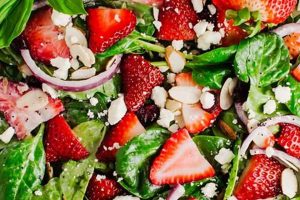
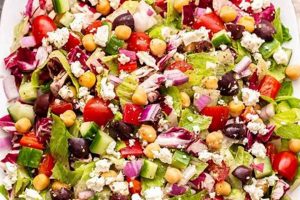
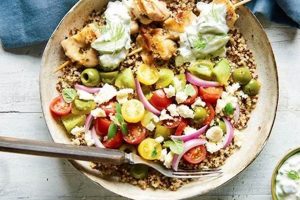
A superior salad typically combines fresh, high-quality ingredients with a well-balanced, flavorful dressing. This might include a base of crisp lettuces, such as romaine, butter, or red leaf, along with complementary vegetables like tomatoes, cucumbers, onions, and carrots. A variety of additions can enhance the salad further, such as cheeses, nuts, seeds, dried fruits, or croutons. The dressing should complement the other components without overpowering them.
An exceptional salad offers numerous nutritional benefits, providing essential vitamins, minerals, and fiber. It can serve as a light yet satisfying meal or a refreshing side dish. Historically, salads have evolved from simple combinations of raw greens to elaborate culinary creations, reflecting cultural and regional influences. The pursuit of the ideal salad emphasizes the importance of fresh, seasonal ingredients and balanced flavors.
This discussion will delve into the key elements that contribute to an outstanding salad, exploring various ingredient combinations, dressing options, and preparation techniques. It will also address considerations such as dietary restrictions and seasonal availability.
Tips for Creating a Superior Salad
Creating a truly exceptional salad involves careful consideration of ingredients, preparation techniques, and flavor combinations. The following tips offer guidance for achieving optimal results.
Tip 1: Prioritize Fresh, High-Quality Ingredients: Seasonal produce at peak ripeness offers the best flavor and nutritional value. Look for vibrant colors and crisp textures.
Tip 2: Embrace Variety: Incorporate a mix of lettuces, vegetables, and textures for a more interesting and nutritious salad. Consider adding elements like roasted vegetables, fruits, nuts, or seeds.
Tip 3: Proper Washing and Drying are Essential: Thoroughly wash all produce to remove dirt and debris. Ensure greens are completely dry to prevent a soggy salad and help the dressing adhere evenly.
Tip 4: Dress Strategically: Add dressing just before serving to prevent the salad from wilting. Toss gently to coat all ingredients evenly.
Tip 5: Balance Flavors and Textures: Consider the interplay of sweet, sour, salty, and bitter flavors. Combine crunchy elements with softer textures for a more satisfying experience.
Tip 6: Proper Storage Extends Freshness: Store prepared salad components separately and combine just before serving. Keep greens in airtight containers lined with paper towels to absorb excess moisture.
Tip 7: Experiment with Homemade Dressings: Creating dressings allows for complete control over ingredients and flavor profiles. Explore different combinations of oils, vinegars, and seasonings.
By following these guidelines, one can elevate a simple salad to a culinary highlight. Attention to detail and a focus on quality ingredients contribute significantly to the overall dining experience.
This exploration of salad preparation techniques and ingredient selection provides a foundation for crafting truly memorable salads. The following section will offer concluding thoughts.
1. Fresh, Seasonal Ingredients

The foundation of a truly exceptional house salad lies in the utilization of fresh, seasonal ingredients. Peak-season produce offers optimal flavor, texture, and nutritional value, significantly impacting the overall quality of the salad. This section explores the multifaceted connection between ingredient seasonality and salad excellence.
- Enhanced Flavor Profiles
Fruits and vegetables harvested at their peak ripeness possess a depth of flavor often absent in out-of-season counterparts. A summer tomato bursting with sweetness or a crisp autumn apple adds vibrancy and complexity to a salad, elevating its taste beyond the ordinary. In-season ingredients require minimal enhancement, allowing their natural flavors to shine.
- Superior Texture and Crispness
Seasonal produce typically exhibits optimal texture and crispness. Leafy greens harvested in cooler months offer a satisfying crunch, while summer vegetables provide a juicy succulence. These textural nuances contribute significantly to the overall enjoyment of the salad. The contrast between crisp lettuce and juicy tomatoes, for example, creates a more dynamic and pleasurable eating experience.
- Nutritional Advantages
Produce picked at its peak ripeness generally retains higher nutrient levels. Consuming seasonal fruits and vegetables maximizes the intake of essential vitamins and minerals. This nutritional boost aligns with the goal of creating a salad that is not only delicious but also contributes to overall well-being.
- Support for Local Agriculture and Sustainability
Choosing seasonal ingredients often means supporting local farmers and reducing the environmental impact associated with long-distance transportation. This focus on locally sourced produce fosters sustainable agricultural practices and connects consumers more directly with the origins of their food. Incorporating these principles into salad preparation enhances not only the meal itself but also its broader ethical and environmental implications.
By prioritizing fresh, seasonal ingredients, one elevates the house salad from a simple side dish to a culinary experience. This emphasis on quality ingredients forms the cornerstone of a truly exceptional salad, contributing to superior flavor, texture, nutritional value, and a more sustainable approach to food consumption.
2. Variety of Textures
Textural diversity significantly contributes to a superior salad experience. A combination of crisp, crunchy, smooth, and tender elements elevates a salad from merely palatable to truly enjoyable. This interplay of textures stimulates the palate and provides a more satisfying sensory experience. The perceived freshness and overall enjoyment are directly influenced by the variety of textures present.
Consider the contrast between crisp romaine lettuce, crunchy croutons, juicy cherry tomatoes, and creamy avocado. Each element contributes a distinct textural note, creating a dynamic and engaging culinary experience. Further textural complexity can be introduced through toasted nuts, seeds, or dried fruits. The absence of textural variation can result in a monotonous, less satisfying salad. A salad composed solely of soft ingredients might lack the stimulating contrast that elevates a well-composed salad. The strategic inclusion of textural variety prevents this and enhances the overall enjoyment.
Understanding the role of textural variety in salad composition enables the creation of more compelling and enjoyable dishes. Careful consideration of ingredient pairings and the interplay of textures allows for a more nuanced and satisfying culinary creation. This principle extends beyond basic salads to encompass more complex composed salads and even the construction of other dishes where textural contrast plays a vital role.
3. Balanced Flavor Profiles

A hallmark of a superior house salad lies in the careful orchestration of flavor profiles. Balance, achieved through the interplay of sweet, sour, salty, bitter, and umami tastes, is crucial. A harmonious blend of these elements elevates the salad from simple to exceptional. An overemphasis on any single flavor can detract from the overall experience. For instance, a dressing that is excessively acidic can overwhelm the delicate flavors of fresh greens, while insufficient saltiness can leave the salad tasting bland. The goal is to create a symphony of flavors that complement and enhance one another, resulting in a balanced and satisfying culinary experience. A classic example is the combination of peppery arugula, sweet roasted beets, tangy goat cheese, and crunchy candied pecans. This salad balances bitterness, sweetness, tanginess, and a touch of saltiness from the nuts.
The practical significance of this understanding lies in the ability to create salads that offer more than just nutritional value; they provide a complex and enjoyable sensory experience. Consider a salad featuring grilled chicken, crumbled blue cheese, dried cranberries, and a citrus vinaigrette. The smoky char of the chicken complements the pungent blue cheese, while the sweetness of the cranberries offsets the tartness of the vinaigrette. This balanced flavor profile offers a more nuanced and satisfying experience than a salad with simpler, less integrated flavors. Achieving this balance requires thoughtful ingredient selection and an understanding of how different flavors interact. Experimentation with various combinations and dressings is crucial in developing a finely tuned palate and the ability to create balanced flavor profiles.
Mastering the art of flavor balancing in salad creation allows for the development of truly exceptional dishes. The interplay of contrasting yet complementary flavors is paramount in creating a salad that is both refreshing and satisfying. This principle extends beyond basic salads, informing the creation of more complex composed salads and influencing broader culinary practices where flavor balance is key. The challenge lies not just in including a variety of flavors, but in ensuring that each element contributes harmoniously to the overall composition, creating a balanced and memorable culinary experience.
4. High-Quality Dressing

A high-quality dressing is integral to a truly exceptional house salad. It serves not merely as a condiment, but as a unifying element that harmonizes the various ingredients and elevates the overall flavor profile. The quality of the dressing can significantly impact the perceived freshness, flavor balance, and overall enjoyment of the salad. This section explores the multifaceted role of high-quality dressings in creating outstanding salads.
- Flavor Enhancement and Balance
A well-crafted dressing enhances the natural flavors of the salad ingredients without overpowering them. It provides a backdrop of complementary flavors that unify the diverse components, creating a cohesive and balanced taste experience. For example, a light vinaigrette with a touch of sweetness can accentuate the flavors of fresh berries and greens, while a creamy dressing with herbs can complement roasted vegetables and grilled chicken. The dressing should contribute to the overall flavor profile without dominating it.
- Texture and Mouthfeel
The texture of the dressing contributes significantly to the overall sensory experience. A creamy dressing adds richness and coats the ingredients, while a vinaigrette provides a lighter, more refreshing touch. The choice of dressing should consider the other textures present in the salad. A creamy dressing might complement a salad with crunchy vegetables and grilled protein, while a vinaigrette might be better suited to a salad with delicate greens and fresh herbs. The interplay of textures between the dressing and the salad components creates a more dynamic and enjoyable eating experience.
- Freshness and Quality of Ingredients
High-quality dressings are typically made with fresh, premium ingredients. This not only enhances the flavor but also contributes to the nutritional value of the salad. Using fresh herbs, high-quality oils, and flavorful vinegars elevates the dressing beyond a simple condiment to a culinary asset. Conversely, dressings made with low-quality ingredients or excessive preservatives can detract from the overall freshness and flavor of the salad.
- Versatility and Adaptability
A versatile dressing can complement a variety of salad combinations. Having a selection of high-quality dressings on hand allows for easy customization and adaptation to different flavor preferences and dietary needs. A simple vinaigrette can be easily adapted with the addition of herbs, spices, or different types of vinegar. This adaptability makes it a valuable component in creating diverse and appealing salads.
The use of a high-quality dressing is paramount in achieving a truly exceptional house salad. It acts as a unifying element, enhancing flavors, contributing textural complexity, and elevating the overall dining experience. By understanding the role and characteristics of high-quality dressings, one can create salads that are not only nutritious and visually appealing but also offer a complex and satisfying interplay of flavors and textures. The choice of dressing should be a deliberate one, taking into consideration the specific ingredients of the salad and the desired overall flavor profile.
5. Proper Ingredient Preparation

Proper ingredient preparation is paramount in crafting a truly exceptional house salad. It directly impacts the final product’s flavor, texture, and overall presentation. The manner in which ingredients are handled, from washing and chopping to storing and combining, significantly influences the salad’s quality. This exploration delves into the crucial aspects of ingredient preparation and their connection to a superior salad experience.
- Washing and Drying
Thorough washing removes soil, debris, and potential contaminants from produce, ensuring food safety and enhancing flavor. Proper drying, especially for leafy greens, prevents sogginess and helps the dressing adhere evenly. Wet greens dilute the dressing, impacting flavor and texture. Crisp, dry greens provide a better canvas for the dressing and other ingredients, contributing to a more satisfying eating experience.
- Chopping and Slicing Techniques
Uniformly sized pieces ensure even dressing distribution and contribute to a visually appealing presentation. Different ingredients benefit from specific cutting techniques. For instance, tomatoes might be sliced, cucumbers diced, and onions thinly shaved. These choices affect not only the presentation but also the texture and how the ingredients combine with the dressing and other components. Consistent sizing allows for balanced flavor distribution and promotes even cooking if certain elements, like vegetables, are roasted or grilled before being added to the salad.
- Storage and Timing
Proper storage maintains ingredient freshness until salad assembly. Delicate greens should be stored separately from other ingredients to prevent premature wilting. Combining components just before serving preserves crispness and prevents the salad from becoming soggy. Understanding the optimal storage conditions for each ingredient is crucial for maintaining quality and preventing spoilage. Some ingredients, such as avocados or apples, are susceptible to browning and require specific handling to preserve their appearance and flavor.
- Ingredient Combinations and Order of Addition
The order in which ingredients are combined can influence the final outcome. Heavier ingredients should be added last to avoid crushing more delicate components. Consideration should also be given to flavor pairings and how different ingredients interact. For example, strongly flavored ingredients might be balanced with milder ones. Understanding these nuances ensures a harmonious blend of flavors and textures in the finished salad.
These aspects of proper ingredient preparation contribute significantly to a salads overall quality. Careful attention to these details elevates the salad from a basic dish to a culinary creation, highlighting the importance of technique and precision in achieving optimal flavor, texture, and presentation. Mastering these techniques enables the creation of truly exceptional house salads that are both visually appealing and offer a complex, satisfying sensory experience. This attention to detail differentiates a standard salad from a thoughtfully prepared, truly exceptional one.
6. Visually Appealing Presentation

Visual appeal plays a crucial role in the perception and enjoyment of a house salad. Presentation elevates the dining experience, influencing perceived freshness, flavor, and overall satisfaction. A thoughtfully arranged salad entices the appetite and enhances the sensory experience, contributing significantly to its designation as “best.” Strategic placement of ingredients, color combinations, and attention to detail transform a simple salad into a culinary masterpiece. For example, a salad featuring vibrant greens, colorful bell peppers, and artfully arranged grilled chicken or fish immediately appears more appetizing than a haphazardly tossed mixture. This visual appeal creates anticipation and enhances the perceived value of the dish. Furthermore, a visually appealing presentation suggests care and attention to detail in the preparation process, further reinforcing the perception of quality.
The practical significance of this understanding lies in its ability to transform a basic salad into a more desirable and enjoyable culinary experience. Consider a salad composed of the same ingredients, presented in two different ways: one simply tossed together, the other carefully arranged with contrasting colors and textures strategically placed. The latter undoubtedly creates a more positive impression, enhancing the perceived freshness and flavor. Restaurant chefs routinely employ these techniques, understanding that presentation significantly influences customer satisfaction. Applying these principles at home elevates everyday meals, creating a more refined and enjoyable dining experience. This understanding extends beyond salads to encompass a wider range of culinary presentations, where visual appeal enhances perceived value and enjoyment.
A visually appealing presentation is integral to a “best house salad recipe,” significantly impacting perceived quality and enjoyment. While flavor and ingredient quality remain paramount, presentation enhances the overall dining experience. The challenge lies in achieving a balance between visual appeal and practicality, ensuring the presentation enhances, rather than overshadows, the inherent qualities of the salad itself. This principle of visual appeal applies across culinary disciplines, highlighting the importance of presentation in elevating dishes from simple to exceptional.
7. Adaptability to Preferences

A “best house salad recipe” distinguishes itself through adaptability, catering to a range of dietary needs and preferences. This flexibility ensures broad appeal and maximizes utility, allowing the recipe to serve diverse individuals and occasions. Adaptability contributes significantly to a recipe’s value and longevity, solidifying its status as a preferred choice.
- Dietary Restrictions
Accommodating dietary restrictions, such as vegan, vegetarian, gluten-free, or dairy-free, expands the recipe’s reach and usability. Substitutions, like using tofu instead of feta cheese for vegans or ensuring gluten-free croutons, maintain the salad’s essence while catering to specific needs. This inclusivity increases the recipe’s value and makes it suitable for a wider audience. Offering clear substitution guidelines ensures dietary accommodations are straightforward and do not compromise the salad’s quality or flavor.
- Flavor Profile Preferences
Adaptability extends to flavor profiles, allowing for adjustments based on individual tastes. Offering options for dressings, such as a vinaigrette for those who prefer tangy flavors or a creamy dressing for those who prefer richer tastes, allows for customization. Suggesting alternative ingredients, like swapping roasted vegetables for fresh ones based on seasonal availability or personal preference, further enhances adaptability. This flexibility ensures the recipe remains appealing to a broader range of palates.
- Ingredient Availability
A truly adaptable recipe accounts for ingredient availability, offering substitutions based on seasonality and accessibility. Suggesting alternatives for out-of-season produce or harder-to-find ingredients ensures the recipe remains practical and accessible year-round. This flexibility makes the recipe more user-friendly and promotes utilization regardless of location or time of year.
- Occasion and Presentation
Adaptability to different occasions enhances a recipe’s versatility. A simple house salad can be elevated for a special occasion with the addition of premium ingredients, such as grilled seafood or artisanal cheese. Alternatively, the same base recipe can be simplified for a casual weeknight meal. This adaptability extends to presentation, with options for individual servings, family-style platters, or composed salad arrangements. This flexibility allows the recipe to serve various purposes, maximizing its utility.
Adaptability distinguishes a “best house salad recipe,” transforming it from a static set of instructions into a dynamic framework for creating personalized salads. This flexibility ensures the recipe remains relevant and appealing to a wider audience, solidifying its status as a preferred choice for various occasions and dietary needs. By embracing adaptability, a house salad recipe transcends individual preferences and becomes a truly versatile culinary tool.
Frequently Asked Questions
This section addresses common inquiries regarding the creation of exceptional house salads, offering practical guidance and clarifying potential points of confusion.
Question 1: How can wilting lettuce be revived?
Submerging lettuce leaves in ice water for approximately 30 minutes can often restore crispness. Excess water should be removed thoroughly afterward to prevent sogginess.
Question 2: What are effective strategies for preventing a soggy salad?
Ensuring all ingredients are dry before combining is crucial. Adding dressing immediately before serving also helps maintain crispness. Storing components separately and combining just prior to consumption further mitigates this issue.
Question 3: How can one make a salad more filling without significantly increasing calories?
Incorporating protein-rich ingredients, such as grilled chicken, fish, beans, lentils, or hard-boiled eggs, increases satiety without excessive caloric addition. Adding fiber-rich elements like avocado or chickpeas also enhances fullness.
Question 4: What are suitable alternatives to traditional croutons for those with gluten sensitivities?
Gluten-free croutons are readily available. Alternatively, toasted nuts, seeds, or roasted chickpeas offer crunchy alternatives that provide flavor and texture.
Question 5: How long can a prepared salad be stored safely?
Prepared salads, especially those with dressings, are best consumed immediately. Undressed salads, with components stored separately, can typically be refrigerated for up to three days. However, quality and freshness degrade over time.
Question 6: How can one elevate a simple house salad for a special occasion?
Incorporating premium ingredients, such as artisanal cheeses, gourmet meats, or unique fruits, enhances the salad. Attention to presentation, using elegant serving dishes and garnishes, elevates the dining experience.
Understanding these key aspects of salad preparation helps ensure optimal results and addresses common challenges. Careful consideration of these points enables the creation of truly exceptional salads.
The subsequent section will offer concluding thoughts and summarize key takeaways for crafting the best house salad.
Conclusion
Crafting a truly exceptional salad involves a multifaceted approach. Emphasis on fresh, seasonal ingredients, coupled with a thoughtful balance of textures and flavors, forms the foundation. A high-quality dressing, complementing rather than overwhelming the other components, is essential. Proper ingredient preparation, from washing and chopping to strategic combining, ensures optimal texture and flavor. Visually appealing presentation enhances the dining experience, while adaptability to dietary needs and preferences expands the recipe’s utility. Consideration of these elements distinguishes a standard salad from a truly exceptional culinary creation.
The pursuit of the “best house salad recipe” represents a continuous exploration of culinary principles. It encourages experimentation with ingredients, dressings, and presentation, fostering creativity and a deeper appreciation for the potential of this seemingly simple dish. Ultimately, the “best” designation remains subjective, influenced by individual preferences and cultural contexts. However, adherence to these core principles consistently yields salads that are not only nutritious but also offer a complex and satisfying sensory experience.