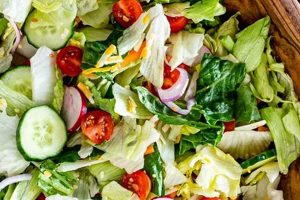
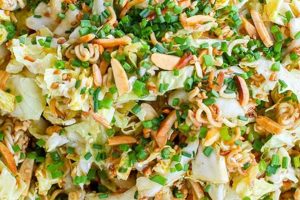
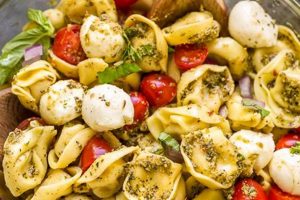
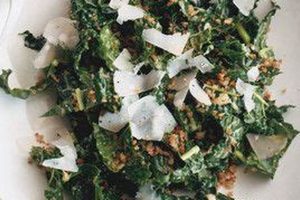
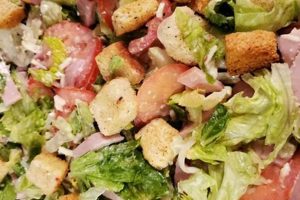
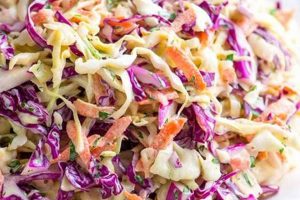
Preparing salads in advance, often referred to as meal prepping, involves assembling components and dressings separately to be combined just before serving. This approach might involve storing pre-chopped vegetables in airtight containers, cooking grains and proteins ahead of time, and preparing dressings in individual jars. An example would be preparing a layered mason jar salad with dressing at the bottom, followed by sturdy vegetables, grains, protein, and leafy greens at the top.
This method offers significant advantages, including time savings during busy weeknights, reduced food waste by utilizing ingredients efficiently, and the promotion of healthier eating habits by ensuring readily available nutritious meals. Historically, similar preservation and preparation techniques existed out of necessity, evolving from methods like pickling and preserving to today’s convenient and customizable approach. Advance preparation allows for greater control over portion sizes and nutritional content, contributing to balanced dietary choices.
The following sections will explore specific strategies for creating various salad types suitable for advance preparation, covering ingredient selection, storage techniques, and dressing recommendations. This comprehensive guide aims to equip readers with the knowledge to incorporate this beneficial practice into their routines.
Tips for Advance Salad Preparation
Successful advance salad preparation relies on understanding how different ingredients behave over time and employing strategies to maintain freshness and texture. The following tips provide guidance for optimal results.
Tip 1: Choose Sturdy Greens: Robust greens like kale, romaine, and spinach hold up better than delicate lettuces like butter lettuce or iceberg. These hardier varieties are less prone to wilting and maintain their texture when stored properly.
Tip 2: Layer Strategically: Layering ingredients in a jar or container, starting with the dressing at the bottom, followed by dense vegetables, grains, proteins, and finally, leafy greens on top, prevents the greens from becoming soggy.
Tip 3: Keep Dressings Separate: Always store dressings separately and add them just before serving. This prevents the salad from becoming drenched and soggy.
Tip 4: Prepare Ingredients Properly: Wash and thoroughly dry all ingredients before storing. Excess moisture can lead to spoilage and undesirable textures.
Tip 5: Utilize Airtight Containers: High-quality airtight containers are essential for maintaining freshness and preventing oxidation. Glass containers are ideal for avoiding potential chemical leaching from plastic.
Tip 6: Blanch Certain Vegetables: Blanching vegetables like broccoli, green beans, and carrots helps maintain their color and texture during storage. Cool blanched vegetables completely before adding them to the salad.
Tip 7: Consider Grains and Proteins: Cooked grains like quinoa, farro, or rice, along with grilled chicken, fish, or tofu, add substance and protein, making salads a complete meal. Ensure these components are cooled before storage.
By following these guidelines, individuals can enjoy fresh, flavorful, and convenient salads throughout the week. Advance preparation not only saves time but also encourages healthier eating habits.
Implementing these strategies ensures optimal results, simplifying healthy meal choices and facilitating a more organized approach to nutrition.
1. Durable Greens

Durable greens play a crucial role in the success of make-ahead salad recipes. Their robust structure allows them to withstand storage without significant wilting or textural degradation, a critical factor for salads prepared in advance. Delicate greens, conversely, tend to become soggy and unappetizing when stored with other ingredients, particularly dressings. The selection of durable greens contributes directly to the longevity and palatability of these salads.
Examples of durable greens well-suited for advance preparation include kale, romaine, spinach, and radicchio. These varieties maintain their texture and flavor even after several days in the refrigerator, especially when stored properly. For instance, a kale salad with roasted vegetables and a lemon vinaigrette can be prepared several days in advance without compromising quality. This characteristic differentiates them from more fragile greens like butter lettuce or iceberg, which are less suitable for this purpose due to their tendency to wilt quickly.
Understanding the importance of durable greens enables informed ingredient selection for make-ahead salads. This knowledge contributes to successful meal preparation and supports healthier eating habits by maximizing the convenience and enjoyment of pre-made salads. Choosing robust greens allows individuals to efficiently utilize time and resources, contributing to a more sustainable and enjoyable meal-prepping experience. It also expands recipe possibilities by allowing for inclusion of heartier ingredients without compromising the overall texture of the final salad.
2. Layered Construction

Layered construction is a fundamental principle in creating successful make-ahead salads. This technique involves strategically arranging ingredients within a container to maintain optimal texture and prevent premature mixing of flavors, especially crucial when dressings are involved. Proper layering ensures that salads remain fresh and appealing even after several days of storage, maximizing convenience and minimizing food waste.
- Dressing Foundation:
The bottom layer typically consists of the salad dressing. This placement prevents delicate greens from direct contact with the dressing, thus avoiding sogginess. Dense vegetables like chopped carrots, cucumbers, or bell peppers form the next layer, acting as a barrier between the dressing and more sensitive ingredients. This strategic arrangement preserves the crispness of other components and allows the dressing to distribute evenly when the salad is ready to be consumed.
- Hardier Vegetables and Grains:
Following the dressing and dense vegetables, hardier ingredients like grains (quinoa, farro), legumes (chickpeas, lentils), or roasted vegetables are added. These items can withstand the weight of the layers above and also benefit from absorbing some of the dressing’s flavors over time. This layering contributes to a more complex and developed flavor profile.
- Protein Incorporation:
Proteins such as grilled chicken, fish, tofu, or hard-boiled eggs are typically placed above the grains or legumes. Keeping protein separate from the dressing initially helps maintain its texture and prevents it from becoming overly saturated. This also allows for greater flexibility if different individuals prefer different protein options within the same household.
- Delicate Greens as the Top Layer:
Leafy greens, being the most delicate component, always form the topmost layer. This placement protects them from the weight of other ingredients and minimizes contact with the dressing, ensuring they remain crisp and fresh until serving time. Examples include spinach, romaine lettuce, or kale, chosen for their relative durability compared to more fragile greens like butter lettuce.
This methodical layering approach is essential for maximizing the shelf life and quality of make-ahead salads. By separating ingredients based on their texture and sensitivity to moisture, layered construction ensures each component retains its optimal condition, ultimately delivering a satisfying and flavorful salad even after days of refrigeration. This technique transforms simple salads into convenient, portable, and flavorful meals ideal for busy schedules.
3. Separate dressings

Storing dressings separately represents a crucial practice in the preparation of make-ahead salads. This technique directly impacts the overall quality and longevity of the salad by preventing premature wilting, sogginess, and flavor degradation. Direct contact between delicate greens and acidic dressings leads to rapid deterioration, rendering the salad unappetizing. By keeping the dressing isolated, often in a separate small container within the larger salad container or in individual serving-sized containers, the ingredients remain crisp and vibrant until consumption. This approach is particularly important for salads containing ingredients prone to absorbing dressing quickly, such as croutons, nuts, or certain vegetables. For instance, a classic Caesar salad prepared in advance would benefit significantly from separate dressing storage to prevent the romaine lettuce from becoming limp and the croutons from losing their crunch.
Practical application of this principle enhances the convenience and enjoyment of make-ahead salads. Imagine a Mediterranean salad with feta cheese, olives, cucumbers, and tomatoes. If the vinaigrette were mixed with the salad days in advance, the feta would become excessively salty, the cucumbers would release excess water, and the overall texture would be compromised. However, storing the vinaigrette separately preserves the integrity of each ingredient, allowing for a fresh and flavorful experience even after several days. This practice also offers greater flexibility for individual preferences; some may prefer a lighter dressing, while others might opt for a more generous amount. Separate storage accommodates these variations, ensuring each serving can be customized to individual tastes.
In conclusion, the separation of dressings constitutes a fundamental element in successful make-ahead salad preparation. This simple yet effective strategy preserves the texture, flavor, and overall quality of the salad by preventing premature saturation and ingredient degradation. It contributes significantly to the convenience and enjoyment of consuming salads prepared in advance, aligning with the broader goal of efficient and healthy meal planning. This understanding allows for greater flexibility in recipe creation and customization, catering to individual preferences and dietary needs while minimizing food waste and maximizing freshness.
4. Airtight Containers

Airtight containers are essential for preserving the freshness and quality of make-ahead salad recipes. Their role extends beyond simple storage; they actively contribute to maintaining optimal texture, preventing flavor degradation, and inhibiting bacterial growth. Proper utilization of airtight containers is crucial for maximizing the shelf life and enjoyment of pre-prepared salads.
- Moisture Retention:
Airtight seals prevent moisture loss, keeping salad ingredients, particularly leafy greens, from drying out and becoming wilted. This is essential for maintaining texture and preventing the salad from becoming unappetizing. Consider a spinach salad prepared several days in advance; without an airtight container, the spinach would likely become dry and lose its vibrant color. An airtight seal preserves the spinach’s moisture content, ensuring a fresh and enjoyable salad even after storage.
- Oxidation Prevention:
Exposure to air accelerates the oxidation process, leading to discoloration and off-flavors, especially in ingredients like avocados or apples. Airtight containers limit oxygen exposure, preserving the color and flavor integrity of these susceptible ingredients. For example, sliced apples included in a make-ahead salad would brown quickly if stored in a regular container. An airtight environment minimizes oxidation, maintaining the apples’ appealing appearance and taste.
- Flavor Preservation:
Airtight containers help maintain the distinct flavors of individual ingredients and prevent them from mingling prematurely. This is particularly important for salads with strong-smelling components, such as onions or certain cheeses. Storing such a salad in a non-airtight container could result in the entire salad taking on the dominant aroma. Airtight storage preserves the individual flavors, ensuring a balanced and enjoyable sensory experience upon consumption. Imagine a Greek salad with feta cheese; an airtight container prevents the feta’s pungent aroma from permeating the entire salad, allowing other flavors to shine.
- Bacterial Inhibition:
Properly sealed airtight containers create a barrier against airborne bacteria and contaminants, extending the safe storage period of the salad. This is crucial for maintaining food safety and preventing spoilage. Storing a salad in a non-airtight container increases the risk of bacterial contamination, potentially leading to foodborne illness. An airtight environment minimizes this risk, ensuring the salad remains safe to consume for an extended period.
The use of airtight containers directly contributes to the success of make-ahead salad preparation. By maintaining optimal moisture levels, preventing oxidation, preserving individual flavors, and inhibiting bacterial growth, airtight containers ensure that salads remain fresh, flavorful, and safe to consume for an extended period. This, in turn, supports healthier eating habits by making it easier to incorporate fresh, pre-prepared salads into busy schedules. Investing in high-quality airtight containers is a small but significant step towards optimizing make-ahead salad preparation and promoting convenient, healthy eating.
5. Prepped Ingredients

Prepped ingredients form the cornerstone of efficient and successful make-ahead salad preparation. Advance preparation of individual components streamlines the assembly process, reduces weeknight time constraints, and contributes significantly to the overall convenience and enjoyment of these salads. Understanding the role of prepped ingredients is essential for maximizing the benefits of this time-saving approach to healthy eating.
- Ingredient Selection and Processing:
Strategic ingredient selection considers factors such as durability, texture, and flavor compatibility. Washing, chopping, and potentially pre-cooking certain vegetables like roasting sweet potatoes or blanching green beans minimizes assembly time later. This advance preparation ensures that all components are readily available when needed, transforming salad creation into a quick and effortless process. Pre-portioning ingredients further enhances efficiency.
- Protein Preparation:
Advance preparation often includes cooking proteins like grilling chicken, baking tofu, or hard-boiling eggs. This eliminates a significant time commitment during the week and ensures protein availability for immediate salad assembly. Proper storage of prepped proteins, typically in airtight containers in the refrigerator, is crucial for maintaining food safety and quality. For example, grilled chicken can be portioned and stored for easy addition to various salad combinations throughout the week.
- Grain and Legume Preparation:
Cooking grains like quinoa or farro and preparing legumes like chickpeas or lentils in advance adds valuable nutrients and textural complexity to make-ahead salads. These components can be stored separately and added to salads as needed, contributing to both nutritional value and overall meal satisfaction. Pre-cooked grains and legumes offer versatility and can be incorporated into various salad combinations.
- Dressing Preparation:
Making dressings ahead of time, storing them separately in airtight containers, streamlines the final salad assembly process. This also allows the flavors of the dressing to meld and deepen over time, enhancing the overall taste experience. Pre-made dressings eliminate the need for last-minute whisking and measuring, simplifying the salad-making process. Having a variety of dressings on hand allows for flexibility and customization based on individual preferences.
The practice of prepping ingredients in advance transforms make-ahead salad creation from a potentially time-consuming chore into a convenient and enjoyable experience. By investing time upfront, individuals gain significant time savings during the week, facilitating healthier eating habits and reducing reliance on less nutritious convenience foods. This methodical approach empowers individuals to prioritize healthy eating within busy schedules and promotes a more proactive and mindful approach to meal planning. The prepped components become building blocks for diverse and flavorful salad combinations, offering flexibility and customization to suit individual dietary needs and preferences.
6. Complementary Proteins

Complementary proteins play a vital role in enhancing the nutritional value and satiety of make-ahead salad recipes. Incorporating these proteins transforms a simple salad into a complete and satisfying meal, ideal for those seeking convenient yet nourishing meal options. Plant-based proteins, while offering numerous health benefits, often lack one or more essential amino acids. Combining complementary proteins ensures the intake of all essential amino acids, maximizing the nutritional benefits of the salad. For instance, a salad featuring quinoa and black beans provides a complete protein source, offering all nine essential amino acids crucial for muscle building, tissue repair, and overall health. This combination enhances the nutritional density of the salad, contributing to a more balanced and fulfilling meal. Similarly, a salad combining lentils and walnuts offers a complementary protein profile, ensuring a comprehensive amino acid intake, further amplifying the health benefits and satiety of the salad.
The inclusion of complementary proteins addresses the challenge of creating make-ahead salads that provide sustained energy and satiety. Unlike salads primarily composed of vegetables and leafy greens, the addition of protein significantly increases the feeling of fullness, reducing the likelihood of snacking between meals. This is particularly important for individuals managing weight or seeking to maintain stable blood sugar levels. Consider a make-ahead salad featuring roasted chickpeas and brown rice. The combination provides a complete protein source, promoting satiety and contributing to sustained energy release, unlike a salad lacking a substantial protein component. This practical application highlights the importance of complementary proteins in make-ahead salads, not just for nutritional completeness but also for promoting satiety and supporting healthy eating habits. Furthermore, the inclusion of protein adds textural diversity and flavor complexity to the salad, enhancing the overall culinary experience.
Incorporating complementary proteins represents a fundamental strategy for optimizing the nutritional profile and satiety of make-ahead salads. This understanding empowers individuals to create convenient and healthful meals that contribute to overall well-being. By thoughtfully combining plant-based protein sources, individuals ensure a complete amino acid intake, maximize satiety, and enhance the overall dining experience. Addressing this nutritional aspect elevates the make-ahead salad from a simple side dish to a complete and satisfying meal, contributing to a more sustainable and health-conscious approach to meal planning.
7. Flavorful Combinations
Flavorful combinations are essential for elevating make-ahead salads from simple meals to enjoyable culinary experiences. Strategic pairing of ingredients ensures that these salads, despite being prepared in advance, remain appealing and satisfying. Careful consideration of flavor profiles prevents monotony and encourages consistent healthy eating habits. This exploration delves into the critical components of creating successful flavor combinations within the context of make-ahead salads.
- Balancing Flavor Profiles:
Successful flavor combinations rely on a balance of sweet, sour, salty, bitter, and umami elements. Incorporating a variety of ingredients representing these different taste profiles ensures a complex and satisfying flavor experience. For example, a salad combining roasted sweet potatoes (sweet), goat cheese (tangy), toasted pecans (nutty), and a balsamic vinaigrette (tangy and sweet) offers a balanced and nuanced flavor profile. This approach prevents any single flavor from dominating and keeps the palate engaged.
- Textural Variety:
Texture plays a crucial role in enhancing flavor perception. Combining crunchy elements like nuts, seeds, or croutons with softer ingredients like roasted vegetables, cooked grains, or cheeses creates a dynamic and enjoyable textural contrast. A salad featuring kale chips, roasted chickpeas, and avocado exemplifies this principle. The contrasting textures create a more engaging and satisfying sensory experience.
- Seasonal Ingredients:
Utilizing seasonal ingredients not only maximizes flavor but also ensures access to the freshest and most nutritious produce. A spring salad might feature fresh strawberries, asparagus, and feta cheese, while a fall salad could incorporate roasted butternut squash, cranberries, and pecans. Adapting salads to seasonal availability ensures optimal flavor and nutritional value while also offering variety throughout the year.
- Herbs and Spices:
Incorporating fresh herbs and spices elevates the flavor complexity of make-ahead salads. Fresh herbs like mint, cilantro, or basil add brightness and freshness, while spices like cumin, coriander, or paprika introduce warmth and depth. A salad featuring grilled chicken, chopped cucumbers, tomatoes, and a lemon-herb dressing exemplifies the enhancing effect of herbs. The herbs complement the other flavors and contribute to a more vibrant and aromatic salad.
By thoughtfully combining ingredients with complementary flavors and textures, focusing on seasonal produce, and incorporating herbs and spices, make-ahead salads transcend mere convenience and become enjoyable culinary experiences. This emphasis on flavor encourages consistent consumption, supporting long-term healthy eating habits. Understanding these principles empowers individuals to create diverse and flavorful salads that remain appealing and satisfying throughout the week, promoting a sustainable and enjoyable approach to meal preparation.
Frequently Asked Questions
This section addresses common inquiries regarding the preparation and storage of make-ahead salads, providing practical guidance for optimal results.
Question 1: How long can make-ahead salads be stored safely?
Properly stored make-ahead salads typically remain safe to consume for three to five days in the refrigerator. However, factors such as ingredient selection and storage practices can influence shelf life. Salads containing more perishable ingredients, like cooked chicken or seafood, should be consumed within two to three days.
Question 2: What are the best containers for storing make-ahead salads?
High-quality, airtight containers, preferably made of glass, are ideal. Glass containers prevent potential chemical leaching from plastic and maintain optimal freshness. Mason jars are a popular choice for layered salads, while other airtight containers work well for mixed salads.
Question 3: How can sogginess be prevented in make-ahead salads?
Sogginess can be avoided by layering ingredients strategically, placing the dressing at the bottom and the leafy greens at the top. Storing dressings separately and adding them just before serving is also crucial. Thoroughly drying all ingredients before storage further minimizes moisture buildup.
Question 4: What are some suitable protein options for make-ahead salads?
Grilled chicken, fish, tofu, hard-boiled eggs, beans, lentils, and nuts are excellent protein choices. Ensure proteins are cooked thoroughly and cooled completely before adding them to the salad to prevent bacterial growth and maintain food safety.
Question 5: Can make-ahead salads be frozen?
Freezing is generally not recommended for make-ahead salads as it can negatively impact the texture and flavor of many ingredients, especially leafy greens. Upon thawing, the greens often become wilted and watery, compromising the overall quality of the salad.
Question 6: How can one ensure nutritional balance in make-ahead salads?
Incorporating a variety of ingredients from different food groups, including leafy greens, vegetables, lean protein, healthy fats, and whole grains, ensures nutritional balance. Complementary protein combinations, such as beans and rice or lentils and nuts, further enhance the nutritional profile.
By understanding these key considerations and implementing recommended practices, individuals can create and enjoy fresh, flavorful, and convenient make-ahead salads as part of a healthy and balanced diet. Proper storage techniques, ingredient selection, and attention to flavor combinations contribute to the success of this meal preparation strategy.
This concludes the frequently asked questions section. The following section will explore specific make-ahead salad recipes suitable for various dietary preferences and occasions.
Make-Ahead Salad Recipes
Make-ahead salad preparation offers a practical and effective approach to incorporating fresh, nutritious meals into busy schedules. Strategic ingredient selection, focusing on durable greens and complementary proteins, forms the foundation for successful outcomes. Proper layering techniques, emphasizing separate dressing storage, and utilizing airtight containers are essential for preserving flavor and texture. Advance preparation of individual components, including chopping vegetables, cooking proteins, and preparing dressings, streamlines the assembly process and maximizes convenience. Thoughtful consideration of flavor combinations, incorporating seasonal ingredients, and balancing taste profiles elevate these salads from simple meals to enjoyable culinary experiences. Addressing frequently asked questions regarding storage duration, container choices, and ingredient suitability provides practical guidance for optimizing results.
Adoption of make-ahead salad preparation techniques empowers individuals to prioritize healthy eating amidst demanding schedules. This approach fosters a proactive and mindful relationship with food, promoting long-term well-being and culinary satisfaction. By embracing these strategies, individuals can transform meal preparation into an efficient and enjoyable process, ultimately contributing to a healthier and more fulfilling lifestyle. The potential for customization and variety within make-ahead salad recipes ensures ongoing engagement and aligns with diverse dietary needs and preferences.