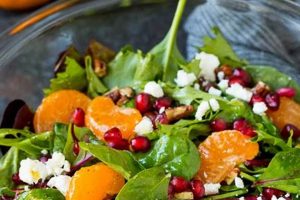
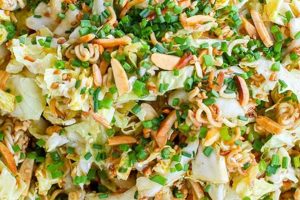
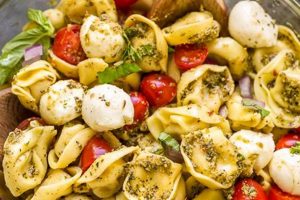
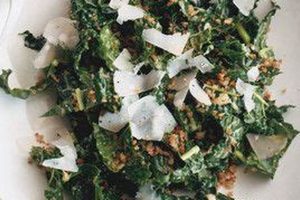
Dishes categorized as “Asian crunch salads” typically feature a vibrant mix of fresh, crisp vegetables, often including shredded cabbage, carrots, bell peppers, and edamame. A variety of protein options, such as grilled chicken, shrimp, or tofu, can be added. The defining characteristic is a flavorful, often tangy and slightly sweet dressing, sometimes with a hint of spice, combined with crunchy elements like toasted nuts, seeds, or fried noodles. A classic example might include shredded napa cabbage, mandarin orange segments, sliced almonds, crispy wonton strips, and a sesame ginger dressing.
These salads offer a compelling combination of textures and flavors, making them a satisfying and refreshing meal option. The emphasis on fresh produce contributes significant nutritional value, offering vitamins, minerals, and fiber. The inclusion of lean protein and healthy fats further enhances their nutritional profile. While variations exist across numerous Asian cuisines, the core principles of fresh ingredients, a flavorful dressing, and textural contrast remain consistent. This balance makes them a versatile dish suitable for a light lunch, a side dish, or a component of a larger meal.
The following sections will delve deeper into variations on this theme, exploring specific regional influences, dressing recipes, and tips for achieving optimal texture and flavor. Guidance on ingredient selection and preparation will also be provided, empowering readers to create their own delicious and nutritious “crunch salads.”
Tips for Crafting Exceptional Asian-Inspired Crunch Salads
Achieving optimal flavor and texture requires attention to detail throughout the preparation process. The following tips provide guidance for creating salads that are both delicious and visually appealing.
Tip 1: Ingredient Selection is Key: Opt for the freshest produce available. Crisp, vibrant vegetables are essential for achieving the desired texture and flavor. Consider seasonal vegetables for optimal quality and taste.
Tip 2: Balance Flavors: Strive for a harmonious blend of sweet, sour, salty, and spicy elements in the dressing. Taste and adjust seasonings as needed to achieve the perfect balance.
Tip 3: Don’t Overdress: Add dressing just before serving to prevent the salad from becoming soggy. Lightly coat the ingredients to maintain their crispness.
Tip 4: Embrace Texture: Incorporate a variety of textures for a more satisfying sensory experience. This can include toasted nuts, seeds, crispy noodles, or even thinly sliced raw vegetables.
Tip 5: Proper Knife Skills Matter: Consistent slicing and shredding ensures even cooking and a pleasing presentation. Uniformly sized pieces also contribute to a better overall texture.
Tip 6: Marinate Protein Strategically: If using marinated protein, allow sufficient time for the flavors to penetrate. This enhances the overall taste and tenderness of the protein.
Tip 7: Consider Garnishes: A well-chosen garnish elevates the visual appeal and can add a final burst of flavor. Fresh herbs, toasted sesame seeds, or a sprinkle of chili flakes are excellent options.
By following these guidelines, one can consistently create flavorful, visually appealing salads that offer a delightful combination of textures and tastes. Attention to these details ensures a truly satisfying culinary experience.
The concluding section provides a collection of inspiring recipe variations to further enhance exploration of Asian-inspired crunch salads.
1. Fresh, Crisp Vegetables

Fresh, crisp vegetables form the foundation of an Asian crunch salad, providing both textural complexity and nutritional value. Their selection and preparation significantly influence the overall quality and appeal of the dish. Understanding the role of these vegetables is essential for crafting a successful and satisfying salad.
- Variety and Seasonality
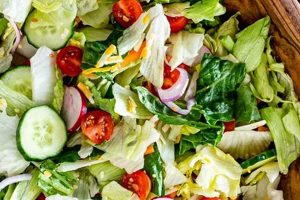
A diverse range of vegetables contributes not only to visual appeal but also to a broader spectrum of flavors and nutrients. Selecting seasonal vegetables ensures optimal freshness and flavor. Common choices include shredded Napa cabbage, romaine lettuce, carrots, bell peppers, cucumbers, and bean sprouts. Utilizing a mix of colors and textures creates a more dynamic and engaging salad.
- Preparation Techniques
Proper preparation techniques are crucial for maintaining the crispness and integrity of the vegetables. Thinly slicing, shredding, or julienning creates optimal surface area for absorbing dressings and contributes to a pleasant mouthfeel. Washing and drying vegetables thoroughly prevents sogginess. Techniques like quick blanching or ice baths can further enhance crispness.
- Nutritional Contributions
The emphasis on fresh vegetables contributes significant nutritional value. These ingredients are often rich in vitamins, minerals, antioxidants, and dietary fiber. Incorporating a variety of colorful vegetables ensures a wide range of nutrients. This nutritional density makes Asian crunch salads a healthy and satisfying meal option.
- Flavor and Texture Enhancement
The inherent flavors of the vegetables play a crucial role in the overall taste profile of the salad. Their crispness provides a refreshing contrast to other components, such as the dressing and crunchy toppings. This interplay of textures is a defining characteristic of a successful Asian crunch salad.
The careful selection and preparation of fresh, crisp vegetables are fundamental to creating a successful Asian crunch salad. These elements contribute not only to nutritional value but also to the overall textural and flavor complexity of the dish. By understanding their importance, one can elevate a simple salad into a truly satisfying and nutritious meal.
2. Protein (Optional)
While not strictly mandatory, the inclusion of protein elevates an Asian crunch salad from a side dish to a complete and satisfying meal. Protein adds substantial nutritional value and contributes to a more sustained feeling of fullness. The choice of protein and its preparation significantly impact the overall flavor profile and textural complexity of the salad.
- Types of Protein
Various protein options complement Asian-inspired flavors. Popular choices include grilled or shredded chicken, shrimp, seared tofu, edamame, and salmon. The selection should consider both personal preference and the desired flavor profile. For example, grilled chicken offers a savory and slightly smoky flavor, while seared tofu provides a neutral base that absorbs the flavors of the dressing.
- Preparation Methods
The protein’s preparation method impacts both its flavor and texture. Grilling imparts a smoky char, while pan-searing creates a crispy exterior. Marinades can infuse additional flavor and tenderness. For instance, a teriyaki marinade complements chicken or tofu, while a lime-cilantro marinade pairs well with shrimp.
- Nutritional Considerations
Adding protein increases the nutritional value, providing essential amino acids crucial for muscle building and repair. Lean protein sources, such as chicken breast or fish, are often preferred for their lower fat content. Plant-based options like tofu and edamame offer a good source of protein and fiber.
- Flavor and Texture Integration
The protein should complement the overall flavor profile of the salad. Its texture should also harmonize with the other components. For example, crispy tofu contrasts nicely with the fresh vegetables, while flaked salmon adds a rich, savory element. The protein’s flavor and texture play a crucial role in the overall balance and enjoyment of the salad.
Thoughtful protein selection and preparation enhance the nutritional value, flavor, and textural complexity of the Asian crunch salad. While optional, the inclusion of protein transforms the salad into a more substantial and satisfying meal, offering a balanced and flavorful culinary experience.
3. Crunchy Element
The defining characteristic of an Asian crunch salad lies within its textural complexity, specifically the incorporation of a crunchy element. This component contributes significantly to the overall sensory experience, elevating the dish beyond a simple salad. The interplay of textures between the fresh vegetables, the protein (if included), the dressing, and the crunchy element is crucial for a well-balanced and satisfying meal. This element provides a contrasting textural counterpoint to the softer ingredients, enhancing the enjoyment of each bite. The absence of this element fundamentally alters the nature of the dish, diminishing its distinctive character.
Numerous ingredients can fulfill this crucial role. Common examples include toasted nuts such as almonds, cashews, or peanuts; seeds like sesame or sunflower; crispy noodles or wonton strips; and even croutons or roasted chickpeas. The choice of crunchy element influences not only the texture but also the flavor profile of the salad. Toasted sesame seeds offer a nutty and slightly bitter flavor, while crispy wonton strips provide a savory and umami-rich taste. Consider the overall flavor profile of the salad when selecting the crunchy element. For example, a spicy peanut dressing might pair well with chopped peanuts, while a sesame-ginger dressing complements toasted sesame seeds.
Achieving the desired level of crunch often requires specific preparation techniques. Nuts and seeds benefit from toasting, which enhances their flavor and crispness. Noodles and wonton strips require frying or baking until golden and crisp. Maintaining the crunch is essential; therefore, these elements should be added to the salad just before serving to prevent them from becoming soggy from the dressing or the moisture of the vegetables. The strategic use of a crunchy element elevates the Asian crunch salad from a simple combination of ingredients to a multi-dimensional culinary experience, demonstrating a sophisticated understanding of texture and flavor interplay.
4. Flavorful Dressing
Flavorful dressings are integral to Asian crunch salads, acting as a unifying element that binds the diverse ingredients and elevates the overall taste profile. The dressing not only provides moisture but also contributes significantly to the complexity and balance of flavors, often encompassing sweet, sour, salty, spicy, and umami notes. A well-crafted dressing transforms a collection of individual components into a cohesive and harmonious dish. For instance, a sesame-ginger dressing with its nutty, savory, and subtly sweet notes complements the fresh vegetables and crunchy elements, while a vibrant lime dressing adds a zesty, acidic counterpoint to the other flavors.
The interplay of flavors within the dressing itself is crucial. A delicate balance between sweetness, acidity, and savory notes ensures that no single flavor dominates. This balance allows the individual flavors of the vegetables and other components to shine through while simultaneously creating a unified taste experience. The viscosity of the dressing also plays a significant role. A thicker dressing clings better to the ingredients, ensuring that every bite is infused with flavor, while a lighter dressing offers a more refreshing counterpoint to the crunchier elements. A classic peanut dressing, for example, offers a creamy texture and rich flavor that complements the crisp vegetables and adds a satisfying depth to the salad. Conversely, a lighter vinaigrette allows the fresh flavors of the vegetables and herbs to take center stage.
Understanding the role and impact of flavorful dressings in Asian crunch salads is essential for creating a successful and satisfying dish. The dressing is not merely an afterthought but rather a key component that contributes significantly to the overall balance, complexity, and enjoyment of the salad. Careful consideration of flavor profiles, ingredient pairings, and textural interplay ensures a harmonious and delicious culinary experience. A thoughtfully crafted dressing elevates the salad from a simple combination of ingredients to a sophisticated and well-balanced meal.
5. Balanced Textures

Balanced textures are fundamental to the appeal of an Asian crunch salad, distinguishing it from other salad variations. The harmonious interplay of contrasting textures creates a dynamic sensory experience that elevates the dish beyond mere sustenance. Achieving this balance requires a thoughtful combination of ingredients and careful attention to preparation techniques. A successful Asian crunch salad offers a delightful interplay of crisp, crunchy, soft, and sometimes even creamy elements, resulting in a more satisfying and enjoyable meal.
- Crispness from Fresh Vegetables
Fresh, raw vegetables such as shredded cabbage, lettuce, carrots, and cucumbers provide the foundation of crispness. Proper handling and preparation, including thorough washing and drying, are crucial for maintaining this essential texture. Cutting vegetables into uniform shapes and sizes ensures an even distribution of crispness throughout the salad.
- Crunch from Dedicated Elements
Dedicated crunchy elements provide textural contrast and contribute significantly to the “crunch” factor. These can include toasted nuts, seeds, crispy noodles, wonton strips, or croutons. The choice of crunchy element influences not only the texture but also the flavor profile of the salad. Maintaining the crunch requires adding these elements just prior to serving, preventing them from becoming soggy.
- Softness and Succulence (Optional)
Ingredients like cooked chicken, shrimp, tofu, or avocado introduce elements of softness and succulence, counterbalancing the crisp and crunchy components. The preparation method influences the texture of these additions; for instance, grilled chicken offers a firmer texture compared to poached chicken. This interplay of textures creates a more nuanced and satisfying mouthfeel.
- Creaminess from Dressings or Avocado (Optional)
Creamy elements, often introduced through the dressing or the addition of avocado, further enhance the textural complexity. A creamy dressing, such as a peanut-based dressing, adds a richness and coats the other ingredients, binding them together while providing a textural contrast. The creaminess complements the crispness of the vegetables and the crunch of the dedicated elements, creating a harmonious balance.
The careful orchestration of these various textural elements distinguishes a well-made Asian crunch salad. This balance elevates the dish from a simple combination of ingredients to a dynamic and engaging culinary experience, demonstrating a sophisticated understanding of texture and its crucial role in enhancing flavor and enjoyment. The interplay of crisp, crunchy, soft, and creamy textures contributes significantly to the overall appeal and satisfaction derived from this versatile and refreshing salad.
6. Vibrant Presentation

Vibrant presentation plays a crucial role in the overall appeal of Asian crunch salads. Visual appeal enhances the dining experience, stimulating appetite and creating a sense of anticipation. Color, arrangement, and the interplay of various textures contribute significantly to this vibrancy. A thoughtfully presented salad not only tastes delicious but also provides a feast for the eyes. This visual element elevates the dish from a simple meal to a more engaging and satisfying culinary experience. For example, a salad featuring a mix of deep green spinach, vibrant orange carrots, bright red bell peppers, and purple cabbage offers a visually striking contrast that immediately captures attention. The intentional placement of these ingredients further enhances the visual appeal.
The vibrant presentation stems directly from the diverse array of ingredients typically used in these salads. Colorful vegetables, varied protein choices, and contrasting crunchy elements offer a natural palette for creating visually appealing compositions. Strategic use of garnishes, such as fresh herbs, toasted sesame seeds, or a sprinkle of chili flakes, further enhances the visual appeal. Consider the arrangement of ingredients. Rather than simply tossing everything together, a deliberate placement of different components creates a more dynamic and visually interesting presentation. For instance, arranging the protein and crunchy elements on top of the bed of greens allows them to stand out and adds visual depth to the salad.
The connection between vibrant presentation and an Asian crunch salad recipe extends beyond mere aesthetics. It contributes to a more holistic and satisfying dining experience. The visual appeal stimulates the senses, enhancing enjoyment and appreciation of the flavors and textures. While taste and texture remain paramount, the visual presentation acts as a gateway to these sensory experiences, increasing anticipation and overall satisfaction. Understanding this connection allows for a more mindful approach to salad preparation, emphasizing the importance of both flavor and visual appeal in creating a truly exceptional culinary experience. This attention to detail elevates the dish from a simple salad to a thoughtfully composed and visually stunning culinary creation.
Frequently Asked Questions
This section addresses common inquiries regarding the preparation and enjoyment of Asian crunch salads, offering practical guidance and clarifying potential misconceptions.
Question 1: Can these salads be prepared in advance?
While the core ingredients can be prepared ahead of time, it’s generally recommended to combine the salad just before serving. This prevents the crunchy elements from becoming soggy and maintains the crispness of the vegetables. Dressings can be prepared separately and added at the last minute.
Question 2: What are suitable substitutes for common ingredients?
Ingredient substitutions depend on the specific recipe and desired outcome. Napa cabbage can often be replaced with other leafy greens like romaine or butter lettuce. Different proteins and crunchy elements can be used based on dietary restrictions or preferences. Adaptability is key.
Question 3: How can sogginess be prevented?
Sogginess can be avoided by ensuring all ingredients are thoroughly dried before combining. Adding the dressing immediately before serving is crucial. Storing components separately until assembly also helps maintain crispness.
Question 4: Are these salads suitable for specific dietary needs?
Asian crunch salads can generally be adapted to accommodate various dietary needs. Gluten-free options are achievable by selecting appropriate crunchy elements and dressings. Vegetarian and vegan versions are readily created by substituting or omitting animal-based proteins.
Question 5: How can flavor intensity be adjusted?
Flavor intensity can be adjusted through the dressing. Increasing or decreasing the amount of chili, garlic, ginger, or other spices allows for customization. The addition of fresh herbs or a squeeze of citrus juice can also enhance flavor.
Question 6: What are suitable pairings for these salads?
Asian crunch salads pair well with a variety of dishes. They can serve as a refreshing counterpoint to richer, heavier meals, or stand alone as a light and satisfying lunch or dinner. They also complement grilled meats, fish, or other Asian-inspired dishes.
Understanding these key aspects empowers individuals to confidently create and adapt Asian crunch salads to suit their preferences and needs. The versatility of these salads allows for endless variations while maintaining the fundamental principles of freshness, flavor, and textural complexity.
This concludes the frequently asked questions section. The following segment delves into specific regional variations, exploring the diverse culinary landscape of Asian crunch salads.
Asian Crunch Salad Recipe
Exploration of the “Asian crunch salad recipe” reveals a dish defined by a harmonious balance of fresh ingredients, vibrant flavors, and contrasting textures. Careful consideration of vegetable selection, protein choices, crunchy elements, and flavorful dressings contributes to a truly satisfying culinary experience. Emphasis on freshness and textural complexity distinguishes these salads from other salad variations. Proper preparation techniques, including ingredient handling and dressing timing, are crucial for achieving optimal results. Adaptability to various dietary needs and preferences further enhances the versatility of this culinary creation. The interplay of crisp vegetables, savory proteins, crunchy toppings, and flavorful dressings creates a dynamic and refreshing dish suitable for diverse occasions.
The “Asian crunch salad recipe” offers a canvas for culinary creativity, allowing for endless variations while adhering to core principles. Continued exploration of regional adaptations and flavor profiles promises further evolution and refinement of this versatile dish. Its inherent adaptability ensures its enduring appeal as a healthy, refreshing, and satisfying meal option. Mastering the fundamental principles empowers individuals to confidently create personalized variations that cater to individual tastes and dietary preferences, ensuring a consistently delightful and nutritious culinary experience.