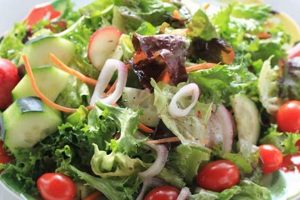
A vibrant and flavorful dish, this culinary creation combines the earthy sweetness of beets with the tangy, creamy richness of goat cheese. Often, complementary ingredients such as toasted nuts, citrus segments, and leafy greens are incorporated to enhance the flavor profile and textural complexity. Variations may include roasted, pickled, or raw beets, and the goat cheese can be crumbled, whipped, or presented as a chevre medallion. A simple vinaigrette typically dresses the salad, often featuring balsamic vinegar, olive oil, and Dijon mustard.
The combination of beets and goat cheese offers a nutritional powerhouse, providing essential vitamins, minerals, and antioxidants. Beets are a good source of nitrates, which can contribute to improved blood flow and lower blood pressure. Goat cheese offers calcium, protein, and healthy fats. This salad is a versatile dish, suitable as a light lunch, a refreshing starter, or a vibrant side to complement a main course. Its appealing presentation and balanced flavors make it a popular choice for both casual and more formal dining occasions.
This exploration will delve further into specific variations of this popular salad, offering detailed recipes and practical tips for preparation. Topics covered will include selecting the best beets and goat cheese, techniques for roasting and pickling beets, creating complementary dressings, and suggested plating ideas for visually appealing presentations.
Tips for a Perfect Beet and Goat Cheese Salad
Creating a truly exceptional beet and goat cheese salad involves attention to detail and an understanding of the interplay of flavors and textures. The following tips offer guidance for achieving optimal results.
Tip 1: Beet Selection and Preparation: Opt for firm, smooth-skinned beets with vibrant color. Roasting beets intensifies their sweetness and concentrates their flavor. Alternatively, pickled beets offer a tangy counterpoint to the creamy goat cheese.
Tip 2: Goat Cheese Considerations: Explore different varieties of goat cheese, from soft and creamy chevre to aged and crumbly options. Consider the flavor profile of the chosen cheese when selecting complementary ingredients.
Tip 3: Balancing Flavors: The earthiness of beets pairs well with acidic elements. Incorporate citrus segments, such as orange or grapefruit, or a vinaigrette with balsamic or red wine vinegar to brighten the overall flavor.
Tip 4: Textural Variety: Introduce textural contrast with toasted nuts, such as walnuts or pecans, or crunchy seeds like pumpkin or sunflower. Crispy croutons or toasted bread can also add a satisfying crunch.
Tip 5: Leafy Green Selection: Baby spinach, arugula, or mixed greens provide a bed of freshness. Choose greens that complement the overall flavor profile and hold up well to the dressing.
Tip 6: Dressing Choices: A simple vinaigrette is often the best choice. Consider a balsamic vinaigrette, a citrus vinaigrette, or a honey-mustard dressing to enhance the flavors of the salad.
Tip 7: Plating and Presentation: Arrange the salad components thoughtfully for an appealing visual presentation. Consider layering the ingredients or creating a composed salad with distinct sections.
By considering these tips, one can elevate a simple beet and goat cheese salad to a truly memorable culinary experience. The combination of fresh, high-quality ingredients, balanced flavors, and thoughtful presentation ensures a satisfying and delightful dish.
In conclusion, crafting a successful beet and goat cheese salad involves understanding the interplay of flavors and textures, careful selection of ingredients, and attention to presentation. These guidelines provide a foundation for creating a delicious and visually appealing dish.
1. Fresh, High-Quality Beets
The foundation of a successful beet salad with goat cheese lies in the selection of fresh, high-quality beets. These roots provide the dominant flavor profile, influencing the overall taste and texture of the dish. Beets lacking freshness can exhibit an unpleasant earthy taste or a woody texture, detracting significantly from the intended balance of flavors. Selecting beets with firm, smooth skins, vibrant color, and an absence of blemishes ensures optimal sweetness and earthiness, crucial for complementing the tangy goat cheese.
The impact of beet quality extends beyond flavor. Fresh beets retain their vibrant hue, contributing to the visual appeal of the salad. Dull or blemished beets can indicate age or improper storage, often resulting in a less visually appealing final product. Furthermore, fresh beets hold their shape better during preparation, whether roasted, pickled, or sliced raw. This characteristic is crucial for achieving an aesthetically pleasing presentation and consistent texture throughout the salad.
Consider the difference between a salad made with freshly harvested beets and one using older, stored beets. The former boasts a vibrant sweetness and tender texture, enhancing the creamy goat cheese and other components. The latter may present a muted, less appealing flavor and a potentially tougher texture, compromising the overall sensory experience. This distinction underscores the practical significance of prioritizing fresh, high-quality beets. Choosing superior ingredients ensures the creation of a beet and goat cheese salad that delivers both on flavor and visual appeal.
2. Varied Goat Cheese
Goat cheese exhibits significant diversity in flavor and texture, impacting the final character of a beet salad. The choice of goat cheese, therefore, becomes a crucial element within the overall recipe. Softer, fresher varieties like chvre offer a creamy, tangy counterpoint to the earthy sweetness of beets. Aged goat cheese, however, introduces a sharper, more pronounced flavor, potentially overpowering more delicate beet varieties. Consider a salad featuring golden beets, candied pecans, and a soft chvre. The mild sweetness of the beets allows the tangy goat cheese to shine, while the pecans add textural complexity. Conversely, a salad with roasted red beets and crumbled aged goat cheese benefits from the robust flavors of both ingredients, creating a bolder flavor profile. The specific goat cheese chosen directly influences the balance and complexity achievable within the salad.
Understanding the nuances of different goat cheeses allows for strategic pairings that elevate the beet salad. For example, a honey-drizzled goat cheese adds a subtle sweetness and complements the earthy beets. Herb-infused goat cheese, on the other hand, can introduce layers of complexity, especially when paired with citrus vinaigrette and toasted walnuts. A salad featuring roasted beets, orange segments, and herb-crusted goat cheese showcases this principle. The orange brightens the earthy beets, while the herbs within the cheese echo the citrus notes, creating a cohesive and flavorful dish. These examples highlight the importance of considering goat cheese variations as a key factor in recipe development and flavor manipulation.
Effective utilization of varied goat cheese elevates the beet salad beyond a simple combination of ingredients. It transforms the dish into a nuanced culinary experience where flavor profiles and textures interact harmoniously. Successful recipes acknowledge the interplay between beet variety, complementary ingredients, and the chosen goat cheese, leading to a well-balanced and flavorful outcome. Attention to these details allows for the creation of beet salads tailored to specific palate preferences, demonstrating a deeper understanding of culinary principles and ingredient interactions.
3. Balanced Vinaigrette

A balanced vinaigrette plays a crucial role in a successful beet salad with goat cheese recipe. It provides the acidic element necessary to cut through the sweetness of the beets and the richness of the goat cheese, creating a harmonious flavor profile. The vinaigrette also contributes to the overall texture and moisture of the salad, ensuring a pleasant and palatable experience. A poorly constructed vinaigrette, however, can easily overpower the delicate balance of flavors, rendering the salad either too tart or too bland. Therefore, careful consideration of the vinaigrette’s components and their proportions is essential.
- Acidity:
The acidity in a vinaigrette primarily derives from vinegar or citrus juice. Common choices include balsamic vinegar, red wine vinegar, apple cider vinegar, lemon juice, and lime juice. Each option offers a unique flavor profile that can complement or contrast with the other ingredients. Balsamic vinegar, for instance, contributes a subtle sweetness and depth, while lemon juice provides a bright, citrusy tang. The level of acidity should be carefully calibrated to balance the sweetness of the beets without overpowering the other flavors.
- Oil:
The oil component of a vinaigrette contributes richness, texture, and mouthfeel. Extra virgin olive oil is a popular choice, offering a robust flavor that complements many ingredients. Other options include avocado oil, grapeseed oil, and walnut oil, each possessing distinct flavor profiles. The ratio of oil to vinegar plays a critical role in the vinaigrette’s texture and emulsification. A higher proportion of oil yields a richer, creamier dressing, while a higher vinegar content results in a thinner, more tart vinaigrette.
- Sweetness:
A touch of sweetness in a vinaigrette can enhance the overall balance and complexity of the salad. Honey, maple syrup, or a pinch of sugar can be incorporated to temper the acidity and complement the sweetness of the beets. However, excessive sweetness can mask the other flavors, so moderation is key. The sweetness level should be carefully balanced against the acidity and the inherent sweetness of the beets to achieve a harmonious flavor profile. For example, a balsamic vinaigrette with a touch of honey can beautifully complement roasted beets and goat cheese.
- Seasoning:
Seasoning is essential for enhancing the flavors of the vinaigrette and the salad as a whole. Salt and freshly ground black pepper are fundamental seasonings, enhancing the other flavors and providing depth. Other seasonings, such as Dijon mustard, minced garlic, or herbs like chives or oregano, can further elevate the vinaigrette’s complexity. However, over-seasoning can easily mask the delicate flavors of the beets and goat cheese. A restrained approach to seasoning allows the natural flavors of the ingredients to shine through while enhancing the overall taste experience.
A well-balanced vinaigrette elevates the beet salad with goat cheese from a simple combination of ingredients to a harmonious and flavorful dish. The careful consideration of acidity, oil, sweetness, and seasoning ensures that the vinaigrette complements the other components without overpowering their delicate flavors. The interplay of these elements creates a cohesive culinary experience, highlighting the importance of a properly constructed vinaigrette in achieving a truly exceptional beet and goat cheese salad.
4. Complementary Textures

Textural interplay significantly impacts the enjoyment of a beet salad with goat cheese. The inherent smoothness of both beets and goat cheese necessitates the introduction of contrasting textures to prevent a monotonous sensory experience. Consider the difference between a salad composed solely of smooth, roasted beets and creamy goat cheese versus one that incorporates toasted walnuts or crunchy croutons. The former, while flavorful, lacks textural depth. The latter, however, offers a more engaging experience, as the contrasting textures create a dynamic interplay in the mouth. This textural variation elevates the salad beyond a simple combination of flavors, transforming it into a more complex and satisfying culinary creation.
Several ingredients effectively introduce contrasting textures to a beet salad with goat cheese. Toasted nuts, such as walnuts, pecans, or pistachios, provide a satisfying crunch and nutty flavor that complements the earthy beets and tangy cheese. Seeds, like pumpkin or sunflower seeds, offer a similar textural contrast and contribute additional nutritional value. Croutons, whether homemade or store-bought, introduce a crisp, airy element that contrasts with the denser components of the salad. Even the choice of greens can contribute to textural variety. Baby spinach offers a delicate texture, while arugula provides a peppery bite and slightly more robust texture. These examples illustrate the diverse options available for enhancing the textural complexity of a beet salad with goat cheese.
Achieving textural balance requires careful consideration of the chosen ingredients and their proportions. Overloading the salad with crunchy elements can overwhelm the delicate flavors of the beets and goat cheese, while insufficient textural contrast can result in a monotonous eating experience. A successful beet and goat cheese salad strategically incorporates contrasting textures to create a harmonious and engaging sensory experience. This understanding of textural interplay allows for the creation of a dish that is not only flavorful but also offers a delightful textural journey, demonstrating culinary expertise and attention to detail.
5. Vibrant Presentation

Visual appeal significantly enhances the perceived value and enjoyment of a beet salad with goat cheese. The inherent colors of these ingredientsthe deep reds and purples of beets, the creamy white of goat cheeseoffer a striking foundation for a visually appealing dish. Strategic presentation amplifies these natural colors, transforming a simple salad into a culinary masterpiece. Consider the impact of alternating slices of red and golden beets with crumbled goat cheese against a bed of vibrant green spinach. This deliberate arrangement not only showcases the individual colors but also creates a visually stimulating contrast that elevates the dining experience. Such attention to visual detail distinguishes a thoughtfully prepared salad from a merely functional one.
Beyond color, presentation encompasses other visual elements that contribute to the overall aesthetic. The arrangement of ingredients, the choice of serving dish, and the addition of garnishes all play a role in creating a visually appealing presentation. A composed salad, where elements are intentionally placed rather than tossed together, offers an opportunity for artistic expression. Imagine a circular plate with a ring of roasted beet slices surrounding a mound of creamy goat cheese, topped with a sprinkle of chopped pistachios and a drizzle of balsamic glaze. This deliberate arrangement creates visual interest and elevates the perceived quality of the dish. Similarly, the choice of serving dish can complement the salad’s colors and textures. A rustic wooden bowl might enhance the earthiness of the beets, while a sleek white plate provides a clean backdrop that allows the vibrant colors to pop. Garnishes, such as fresh herbs or edible flowers, add a final touch of visual flair and enhance the sensory experience.
Effective presentation enhances the dining experience by engaging multiple senses. A visually appealing salad not only stimulates the appetite but also creates a sense of anticipation and enjoyment. This visual engagement enhances the perception of flavor and overall satisfaction with the dish. In a culinary landscape increasingly driven by visual appeal, the presentation of a beet salad with goat cheese becomes an essential element in its success. Careful attention to color, arrangement, and garnishes transforms the salad from a simple dish into a feast for the eyes, elevating the dining experience and showcasing culinary creativity.
6. Nutritional Value
Nutritional value represents a significant aspect of a beet salad with goat cheese recipe, extending beyond mere flavor and presentation. This dish offers a combination of vitamins, minerals, and antioxidants, contributing to overall health and well-being. Understanding the nutritional composition of this salad provides insight into its potential benefits and its role in a balanced diet.
- Beets: Nitrate and Antioxidant Source
Beets provide dietary nitrates, compounds converted into nitric oxide within the body. Nitric oxide promotes vasodilation, potentially improving blood flow and lowering blood pressure. Additionally, beets contain betalains, potent antioxidants that protect cells from oxidative damage, contributing to overall cellular health. These combined benefits make beets a valuable component of the salad, offering more than just vibrant color.
- Goat Cheese: Calcium and Protein Contribution
Goat cheese contributes calcium, essential for bone health and various bodily functions. It also provides protein, crucial for muscle growth, tissue repair, and overall physiological function. Furthermore, goat cheese offers healthy fats, which play a role in hormone production and nutrient absorption. These nutrients complement those found in beets, creating a nutritionally balanced dish.
- Leafy Greens: Vitamin and Mineral Density
Leafy greens, frequently incorporated into beet and goat cheese salads, provide a wealth of vitamins and minerals. Spinach, for instance, offers vitamin K, crucial for blood clotting, and vitamin A, supporting vision and immune function. Arugula contributes vitamin C, an antioxidant that supports immune health and collagen production. These greens further enhance the salad’s nutritional profile, adding density to its micronutrient content.
- Nuts and Seeds: Healthy Fats and Fiber
Nuts and seeds, often included for textural contrast, also contribute nutritional value. Walnuts, for example, offer omega-3 fatty acids, beneficial for heart health and brain function. Sunflower seeds provide vitamin E, another antioxidant. These additions further diversify the salad’s nutrient profile, while also contributing healthy fats and fiber, promoting satiety and digestive health.
The combined nutritional contributions of beets, goat cheese, leafy greens, and nuts and seeds create a salad rich in vitamins, minerals, antioxidants, healthy fats, and protein. This nutritional density positions the beet salad with goat cheese as more than just a flavorful dish; it becomes a valuable component of a health-conscious diet, offering a delicious and nutritious way to support overall well-being.
7. Recipe Variations
Recipe variations demonstrate the versatility of the beet salad with goat cheese, allowing for adaptations to individual preferences and dietary needs. Exploring these variations highlights the adaptability of the core ingredients and the potential for culinary creativity within a seemingly simple dish. Understanding the various modifications available provides a broader perspective on the beet and goat cheese combination, showcasing its potential beyond a basic recipe.
- Roasted Beet Variations
Roasting beets intensifies their natural sweetness and imparts a subtle smoky flavor. Variations within this method involve adjusting the roasting time and temperature, influencing the final texture and sweetness. Adding herbs and spices, such as thyme or rosemary, during roasting infuses the beets with additional layers of flavor, complementing the goat cheese. For example, roasting beets with orange zest and a drizzle of olive oil creates a citrusy, sweet profile that pairs well with tangy goat cheese and toasted walnuts. These variations allow for customization of the beet component, creating a foundation for diverse flavor profiles.
- Pickled Beet Variations
Pickling introduces a tangy, acidic element that contrasts with the sweetness of the beets and the richness of the goat cheese. Variations involve adjusting the pickling brine, incorporating spices like cloves, allspice, or star anise. Pickling also offers textural variation; thinly sliced pickled beets offer a crisp, refreshing counterpoint to the other ingredients. A salad featuring pickled beets, crumbled goat cheese, and thinly sliced red onion offers a vibrant combination of flavors and textures. The pickling process itself allows for flavor experimentation, adding depth to the final dish.
- Goat Cheese Preparation Variations
Goat cheese offers versatility beyond simple crumbling. Whipping goat cheese with herbs and spices creates a lighter, airy texture and adds depth of flavor. For example, whipped goat cheese with dill and lemon zest complements roasted beets and candied pecans. Alternatively, using goat cheese medallions, either plain or marinated, introduces a visual and textural element distinct from crumbled cheese. These variations allow for customization of the goat cheese component, enhancing its contribution to the overall dish.
- Complementary Ingredient Variations
Beyond the core ingredients, variations extend to complementary components. Different leafy greens, such as spinach, arugula, or watercress, offer unique flavors and textures. The choice of nuts or seeds influences both flavor and texture, from the subtle sweetness of candied pecans to the earthy crunch of sunflower seeds. Citrus segments, such as orange or grapefruit, add a bright, acidic counterpoint, balancing the richness of the cheese and the earthiness of the beets. These additions provide opportunities for customization and allow for the creation of unique flavor profiles within the broader context of the beet and goat cheese salad.
These variations highlight the adaptability of the beet and goat cheese combination, transforming a simple concept into a platform for culinary exploration. From the roasting method for beets to the preparation of goat cheese and the inclusion of complementary ingredients, each variation offers an opportunity to personalize the salad and create a dish that reflects individual preferences and culinary creativity. This versatility ensures the enduring appeal of the beet salad with goat cheese, solidifying its place as a culinary staple.
Frequently Asked Questions
This section addresses common inquiries regarding beet and goat cheese salad preparation, offering practical guidance for achieving optimal results.
Question 1: How can the earthiness of beets be balanced in a salad?
The perceived earthiness of beets can be balanced by incorporating acidic elements, such as citrus segments (orange, grapefruit) or a vinaigrette featuring balsamic or red wine vinegar. These acidic components brighten the overall flavor profile and complement the sweetness of beets.
Question 2: What methods exist for preparing beets for a salad?
Beets can be prepared in various ways for salads, including roasting, pickling, and raw preparation. Roasting intensifies sweetness, pickling adds tang, and raw preparation maintains a crisp texture. The chosen method influences the final flavor and texture of the salad.
Question 3: Can different types of goat cheese be used?
A variety of goat cheeses can be incorporated, each offering a unique flavor profile. Soft chvre provides a creamy texture and mild tang, while aged goat cheese offers a more intense, crumbly texture and sharper flavor. The chosen goat cheese should complement the other salad components.
Question 4: What ingredients can add textural contrast to the salad?
Textural contrast can be achieved by incorporating ingredients such as toasted nuts (walnuts, pecans), seeds (pumpkin, sunflower), croutons, or crispy chickpeas. These additions provide a contrasting crunch against the smoothness of the beets and goat cheese.
Question 5: How can one prevent the salad from becoming watery?
Excess moisture can be avoided by thoroughly drying the prepared beets and ensuring the leafy greens are dry before assembling the salad. Adding the vinaigrette immediately before serving also helps prevent the salad from becoming watery.
Question 6: How should leftover beet and goat cheese salad be stored?
Leftover salad should be stored separately from the dressing. Store the beets, goat cheese, and other components in an airtight container in the refrigerator. Add the vinaigrette just before serving to maintain optimal flavor and texture.
Careful consideration of these frequently asked questions facilitates successful preparation of a beet and goat cheese salad, enhancing both the flavor and overall dining experience.
The following section offers a selection of recommended recipes for beet and goat cheese salads, incorporating the principles discussed throughout this article.
Beet Salad with Goat Cheese Recipe
Exploration of beet salad with goat cheese recipes reveals a dish offering both simple elegance and complex flavor profiles. Careful selection of fresh beets, consideration of goat cheese variations, and a balanced vinaigrette prove essential for a successful outcome. Textural contrast, achieved through additions such as toasted nuts or crunchy croutons, elevates the sensory experience. Thoughtful presentation enhances visual appeal, transforming the salad into a culinary delight. Nutritional analysis demonstrates the dish’s inherent health benefits, derived from the combined contributions of beets, goat cheese, and complementary ingredients. Recipe variations, encompassing roasted, pickled, or raw beets, alongside diverse goat cheese preparations and additions, showcase the dish’s adaptability and potential for culinary creativity.
This exploration underscores the potential within seemingly simple culinary combinations. Strategic ingredient selection, thoughtful preparation, and attention to detail elevate the beet salad with goat cheese beyond basic sustenance. This dish exemplifies the transformative power of culinary art, demonstrating how readily available ingredients can be combined to create a dish that is both nutritious and aesthetically pleasing. Further culinary exploration promises continued discovery of flavor profiles and innovative presentations, ensuring the enduring appeal of this versatile and healthful salad.