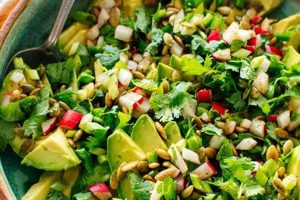
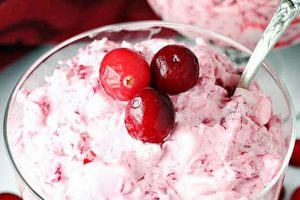
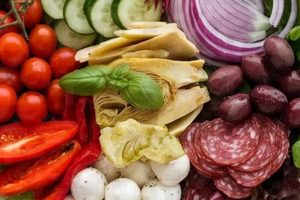
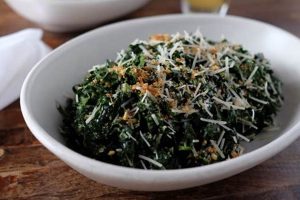
Festive salads offer a refreshing counterpoint to rich holiday meals, incorporating seasonal ingredients like winter greens, pomegranate seeds, citrus fruits, and nuts. They can range from light and simple vinaigrettes to more substantial compositions featuring roasted vegetables, cheeses, or even dried cranberries. A citrus and fennel salad with toasted walnuts, for instance, provides a bright and palate-cleansing element alongside heavier dishes.
These culinary creations contribute variety and balance to celebratory feasts, providing essential nutrients and a lighter option for guests. Historically, winter salads, while simpler than today’s elaborate versions, offered vital vitamins and freshness during colder months when access to fresh produce was limited. The evolution of holiday salads reflects culinary innovation and the increasing availability of diverse ingredients. Their presence on the Christmas table signifies a commitment to both tradition and a balanced, healthful meal.
This exploration will delve into specific components and categories, offering guidance on crafting the perfect festive salad. Discussions will include ingredient selection, preparation techniques, and presentation strategies to elevate these dishes from simple sides to culinary centerpieces.
Tips for Festive Holiday Salads
Crafting memorable holiday salads requires consideration of flavor profiles, textures, and visual appeal. These tips offer guidance for creating dishes that complement the celebratory meal.
Tip 1: Embrace Seasonal Ingredients: Winter produce offers unique flavors. Consider incorporating persimmons, pears, kale, or Brussels sprouts for a truly seasonal touch.
Tip 2: Balance Flavors: Combine sweet, savory, and acidic elements. Pairing roasted butternut squash with tangy goat cheese and candied pecans exemplifies this principle.
Tip 3: Consider Texture: A variety of textures elevates the dining experience. Toasted nuts, crispy croutons, or pomegranate seeds add satisfying crunch to softer greens.
Tip 4: Elevate with Dressings: A well-crafted dressing enhances the salad’s overall flavor. Experiment with citrus vinaigrettes, creamy herb dressings, or balsamic glazes.
Tip 5: Strategic Presentation: Thoughtful plating elevates a simple salad to a visually appealing dish. Arrange elements strategically, considering color and height.
Tip 6: Plan Ahead: Certain components, like roasted vegetables or homemade croutons, can be prepared in advance, streamlining the process on the day of the celebration.
Tip 7: Offer Variety: Provide multiple salad options to cater to diverse preferences. A lighter vinaigrette-based salad alongside a heartier composed salad offers guests a choice.
By incorporating these suggestions, one can create holiday salads that are both visually appealing and contribute a balanced, flavorful element to the festive meal.
These tips provide a foundation for crafting exceptional holiday salads. The following section will explore specific recipe ideas and variations to inspire culinary creativity.
1. Fresh, Seasonal Ingredients

The emphasis on fresh, seasonal ingredients is integral to crafting exceptional Christmas holiday salads. Utilizing produce at its peak ripeness guarantees optimal flavor and nutritional value. Winter offers a unique bounty, including citrus fruits like oranges and grapefruits, hearty greens such as kale and spinach, and root vegetables like beets and carrots. These ingredients contribute vibrant colors, textures, and tastes that capture the essence of the season. For instance, a salad featuring roasted butternut squash, pecans, and cranberries embodies the flavors of winter, while a citrus salad with fennel and pomegranate seeds offers a refreshing brightness. The availability of specific ingredients influences recipe choices and allows for culinary creativity within the context of seasonal offerings.
Prioritizing seasonal produce also supports local farmers and sustainable agricultural practices. Sourcing ingredients from nearby farms reduces transportation costs and environmental impact, promoting fresher, higher-quality produce. Incorporating locally grown winter greens, apples, or pears adds a regional touch to holiday salads, connecting the meal to the surrounding environment. This approach fosters a deeper appreciation for the seasonality of food and strengthens community ties.
The selection of fresh, seasonal ingredients directly impacts the overall quality and enjoyment of Christmas holiday salads. These ingredients offer not only superior flavor and nutritional benefits but also contribute to a more sustainable and community-focused approach to holiday meals. By embracing the seasonal bounty, culinary creations become a celebration of both flavor and responsible consumption, enhancing the festive experience.
2. Balanced Flavor Profiles
Balanced flavor profiles are crucial for successful Christmas holiday salad recipes. The richness of traditional holiday meals often necessitates a counterpoint of lighter, brighter flavors. A well-balanced salad achieves this by incorporating a harmonious blend of sweet, savory, acidic, and sometimes bitter elements. This prevents any single flavor from dominating and ensures a refreshing contrast to heavier dishes. For example, a salad combining the sweetness of dried cranberries or roasted butternut squash with the savory notes of toasted pecans and the tang of goat cheese, dressed in a slightly acidic vinaigrette, offers a complex yet balanced flavor profile.
The interplay of contrasting flavors enhances the overall dining experience. Sweetness can be derived from fruits, roasted vegetables, or candied nuts. Savory notes often come from cheeses, nuts, or cured meats. Acidity, typically introduced through citrus fruits or vinegar-based dressings, brightens the palate and cuts through richness. A touch of bitterness, perhaps from kale or radicchio, adds depth and complexity. The careful calibration of these elements ensures a salad that is both satisfying and refreshing, preventing palate fatigue during a multi-course meal. Consider a winter citrus salad with segments of orange and grapefruit combined with peppery arugula, crumbled feta cheese, and a light vinaigrette. The citrus provides sweetness and acidity, the arugula offers a peppery bite, and the feta contributes a salty, creamy element, resulting in a harmonious and balanced flavor profile.
Achieving balanced flavor profiles in holiday salads requires thoughtful ingredient selection and an understanding of how different flavors interact. Overly sweet or overly acidic salads can detract from the overall meal. The goal is to create a dish that complements, rather than competes with, the other components of the festive feast. A successful holiday salad offers a refreshing and palate-cleansing element, enhancing the enjoyment of the entire meal.
3. Variety of Textures

Textural diversity significantly enhances the enjoyment of Christmas holiday salads. A combination of crisp, creamy, crunchy, and soft elements elevates these dishes beyond simple accompaniments to more engaging culinary experiences. This interplay of textures stimulates the palate and adds a dimension of interest often lacking in salads composed solely of leafy greens. Consider a salad featuring roasted root vegetables, providing a soft, caramelized texture, paired with toasted walnuts for crunch, and crumbled goat cheese for a creamy counterpoint. This variety not only adds visual appeal but also offers a more satisfying and complete sensory experience. The contrast between a crisp romaine lettuce base and elements like candied pecans or pomegranate seeds further exemplifies the importance of textural variation.
Beyond the immediate sensory pleasure, the incorporation of varied textures contributes to the overall balance and structure of a holiday salad. Just as flavor profiles require careful consideration, so too do textural elements. A salad that is uniformly soft, for instance, may lack the dynamic interplay that makes a dish truly memorable. Crispy elements, such as croutons, nuts, or seeds, add a satisfying counterpoint to softer components like roasted vegetables or cheese. The addition of dried fruit offers a chewy texture, further contributing to the complexity of the dish. Imagine a salad with roasted sweet potatoes, providing a soft sweetness, contrasted by crispy kale chips and toasted pumpkin seeds. This textural variation transforms a simple salad into a more complex and satisfying dish.
Understanding the importance of textural variety empowers the creation of more compelling holiday salads. It encourages experimentation with different ingredients and preparation methods to achieve a balanced and engaging result. The practical application of this knowledge elevates holiday meals from simple sustenance to more sophisticated and enjoyable culinary experiences. This principle extends beyond specific recipes, serving as a fundamental guideline for crafting any successful salad. The interplay of textures is integral to creating a dish that is not only visually appealing but also offers a more complete and satisfying sensory experience.
4. Complementary Dressings

Complementary dressings are essential for elevating Christmas holiday salad recipes from simple assemblages of ingredients to harmonious, flavorful dishes. The dressing acts as a unifying element, tying together diverse flavors and textures while enhancing the overall sensory experience. A thoughtfully chosen dressing complements, rather than masks, the flavors of the salad components. For example, a light citrus vinaigrette enhances the brightness of a winter citrus salad with fennel and pomegranate seeds, while a creamy roasted garlic dressing complements the earthy flavors of a roasted root vegetable salad.
The selection of a complementary dressing depends on the specific ingredients in the salad. A robust, creamy dressing might overwhelm a delicate salad featuring fresh greens and berries, while a light vinaigrette might be insufficient to coat a heartier salad with roasted vegetables and cheese. Understanding the balance of flavors and textures within the salad is crucial for selecting an appropriate dressing. A cranberry-pecan salad with blue cheese, for example, benefits from a slightly tangy vinaigrette that balances the sweetness of the cranberries and the richness of the blue cheese, while a kale salad with roasted butternut squash and dried cranberries might pair well with a maple-Dijon vinaigrette that complements the sweetness of the squash and cranberries. The viscosity of the dressing should also be considered; a thicker dressing clings better to heartier ingredients, while a lighter dressing is suitable for delicate greens.
Successful pairing of dressings and salad ingredients demonstrates culinary expertise and elevates the dining experience. The dressing should enhance the overall flavor profile of the salad, creating a cohesive and balanced dish. Careful consideration of the interplay between dressing and ingredients allows for a more nuanced and satisfying culinary creation, contributing significantly to the enjoyment of the holiday meal. Failure to select a complementary dressing can result in a disjointed and unbalanced salad, where individual flavors compete rather than harmonize. Therefore, the choice of dressing is a critical element in crafting successful and memorable Christmas holiday salad recipes.
5. Visually Appealing Presentation
Visually appealing presentation elevates Christmas holiday salad recipes from simple side dishes to captivating centerpieces. Strategic arrangement and thoughtful consideration of color, texture, and height transform a basic salad into a feast for the eyes, enhancing the overall dining experience and reflecting the festive spirit of the occasion. Presentation is a crucial element that contributes significantly to the perceived value and enjoyment of the dish.
- Color Harmony and Contrast
Employing a variety of colors creates visual interest and stimulates appetite. Incorporating seasonal colors, such as deep reds and greens, evokes the holiday spirit. Consider the contrast between vibrant red cranberries, deep green spinach, and bright orange segments of citrus fruit. The strategic placement of these colors creates a visually dynamic and appealing salad. A monochromatic color scheme can also be effective, using varying shades of green with herbs and lettuces to create a sophisticated and elegant presentation.
- Textural Variation and Height
Visual appeal extends beyond color to encompass texture. A salad featuring a variety of texturescrispy, creamy, crunchyis more visually engaging than a uniform bed of lettuce. Height adds another dimension, preventing a flat, uninteresting presentation. Toasted nuts, crumbled cheese, or pomegranate seeds provide textural contrast and can be strategically placed to create height. Consider a salad with a base of mixed greens, topped with crumbled feta, candied pecans, and dried cranberries. The varying heights and textures create a visually appealing and appetizing dish.
- Strategic Plating Techniques
The choice of serving vessel and the arrangement of ingredients contribute significantly to the overall presentation. A simple, elegant white platter allows the colors of the salad to shine, while a rustic wooden bowl evokes a sense of warmth and tradition. Avoid overcrowding the plate, allowing each element to stand out. Consider layering ingredients rather than simply tossing them together. A composed salad, with elements arranged thoughtfully, is more visually appealing than a haphazardly tossed salad. Using individual plates or small bowls for composed salads allows for greater control over presentation and portion size.
- Garnishes and Finishing Touches
A final flourish elevates the presentation. A sprinkle of fresh herbs, a drizzle of balsamic glaze, or a scattering of edible flowers adds a touch of elegance and completes the visual composition. Garnishes should be chosen carefully to complement the flavors of the salad and enhance, not overwhelm, the overall presentation. A simple sprig of rosemary on a winter citrus salad or a sprinkle of chopped parsley on a roasted vegetable salad adds a finishing touch that enhances visual appeal without detracting from the main components of the dish. Edible flowers, when appropriate, add a touch of elegance and color.
These elements of visually appealing presentation, when combined with fresh, seasonal ingredients and balanced flavor profiles, transform Christmas holiday salad recipes into culinary masterpieces that delight both the eye and the palate. Careful attention to presentation enhances the festive atmosphere and contributes significantly to the overall enjoyment of the holiday meal. A visually appealing salad serves as a centerpiece, reflecting the care and attention to detail that characterize a truly special holiday celebration.
6. Efficient Preparation Strategies

Efficient preparation strategies are essential for creating stress-free holiday meals, particularly when it comes to Christmas holiday salad recipes. Time management and streamlined processes allow more time for enjoying festivities rather than being confined to the kitchen. Strategic planning maximizes both efficiency and flavor, ensuring that salads contribute positively to the holiday experience without becoming a culinary burden.
- Component Pre-Preparation
Many salad components can be prepared in advance. Roasting vegetables, toasting nuts, and making dressings ahead of time significantly reduces day-of preparation. Storing these elements separately preserves their individual qualities until final assembly. This approach allows for a more relaxed and enjoyable holiday experience, as a significant portion of the work is completed prior to the main event. Pre-chopped vegetables also streamline the process. Consider making a large batch of roasted butternut squash or preparing a vinaigrette several days in advance, storing them separately until needed.
- Strategic Ingredient Selection
Choosing ingredients that require minimal processing simplifies preparation. Pre-washed and pre-cut greens, for example, reduce time spent on washing and chopping. Opting for ingredients like mandarin oranges instead of oranges that require peeling and segmenting streamlines the process. Selecting ingredients with longer shelf lives, such as root vegetables or hearty winter greens, allows for earlier purchasing and reduces the risk of last-minute grocery store runs. Pre-shredded carrots, bagged spinach, or pre-cooked beets are examples of ingredients that minimize preparation time.
- Mise en Place
The culinary principle of mise en placehaving all ingredients prepped and ready before beginning to cookis particularly valuable when preparing holiday salads. Having all ingredients washed, chopped, and measured beforehand ensures a smooth and efficient assembly process. This organized approach minimizes stress and reduces the likelihood of errors or omissions during the busy holiday period. Consider pre-measuring spices for a homemade dressing, chopping all vegetables, and having all other ingredients ready in designated bowls before starting to assemble the salad.
- Simplified Recipes
Opting for simpler recipes with fewer components can significantly reduce preparation time. A salad featuring a few high-quality, seasonal ingredients and a simple vinaigrette can be just as impressive as a more complex, multi-layered salad, especially when time is limited. This streamlined approach prioritizes flavor and freshness while minimizing effort. A salad with fresh winter greens, sliced pears, toasted walnuts, and a simple balsamic vinaigrette is an example of a flavorful yet easy-to-prepare dish. Focusing on a limited number of high-quality ingredients allows for a quick and impressive salad without sacrificing taste or presentation.
By implementing these efficient preparation strategies, the creation of Christmas holiday salad recipes becomes a less demanding and more enjoyable endeavor. These methods allow for a more relaxed and festive holiday experience, ensuring that culinary creations enhance rather than detract from the celebration. The time saved through efficient preparation can be redirected towards other aspects of holiday enjoyment, such as spending time with loved ones or engaging in festive activities, ultimately enriching the overall experience.
7. Dietary Accommodations

Dietary accommodations are an important consideration when planning Christmas holiday salad recipes. The inclusive nature of holiday gatherings necessitates offering options that cater to diverse dietary needs and preferences. These may include vegetarian, vegan, gluten-free, dairy-free, or nut-free diets, among others. Failing to provide suitable options can exclude guests and diminish their holiday experience. Offering a variety of salads, with clear ingredient labeling, demonstrates consideration and ensures everyone feels welcome and included. For example, a traditional salad containing bacon and croutons would not be suitable for vegetarians or those avoiding gluten. Providing an alternative, such as a roasted vegetable and quinoa salad, ensures inclusivity. Similarly, offering a dairy-free dressing alongside a standard vinaigrette caters to guests with lactose intolerance.
Accommodating dietary restrictions requires careful planning and ingredient awareness. Cross-contamination is a significant concern, particularly for those with severe allergies. Using separate cutting boards and utensils prevents accidental exposure to allergens. Clearly labeling dishes with ingredient lists allows guests to make informed choices and avoid potential risks. When using pre-made ingredients, carefully checking labels for allergens is crucial. Offering simple salads with easily identifiable ingredients simplifies the process of accommodating dietary needs. For instance, a salad featuring roasted sweet potatoes, black beans, corn, and a lime vinaigrette is naturally vegan and gluten-free, simplifying dietary accommodations. Furthermore, providing allergen information cards alongside dishes offers additional clarity and reassurance for guests.
Successfully navigating dietary accommodations contributes significantly to a positive and inclusive holiday experience for all guests. Thoughtful planning and clear communication minimize potential risks and ensure everyone can enjoy the festive meal. This demonstrates respect for individual needs and contributes to a more welcoming and enjoyable holiday celebration. Ultimately, providing inclusive dietary options strengthens the sense of community and shared enjoyment that characterizes the holiday season.
Frequently Asked Questions about Christmas Holiday Salads
This section addresses common inquiries regarding the preparation and inclusion of salads in Christmas holiday meals.
Question 1: How far in advance can holiday salad dressings be prepared?
Vinaigrettes can often be made up to a week ahead of time, while creamy dressings are best made 2-3 days in advance. Storage in airtight containers in refrigeration is essential.
Question 2: What are suitable alternatives to traditional lettuce bases for holiday salads?
Heartier greens like kale, spinach, or radicchio offer robust flavor and texture. Roasted vegetables, such as Brussels sprouts or sweet potatoes, can also serve as a base.
Question 3: How can nut allergies be accommodated in holiday salad recipes?
Seeds like pumpkin or sunflower seeds provide similar texture and nutritional benefits. Careful ingredient labeling and avoidance of cross-contamination are crucial.
Question 4: What strategies can prevent holiday salads from becoming soggy?
Adding dressings immediately before serving is key. Storing components separately and assembling the salad just prior to consumption also helps maintain crispness.
Question 5: How can one balance richness in holiday meals with lighter salad options?
Incorporating acidic elements like citrus fruits or vinegar-based dressings helps cut through richness. Lighter vinaigrettes and fresh herbs offer a refreshing counterpoint to heavier dishes.
Question 6: What are some creative ways to present holiday salads?
Utilizing festive servingware, arranging ingredients in a visually appealing manner, and incorporating garnishes like pomegranate seeds or edible flowers enhance presentation.
Successful inclusion of salads in Christmas holiday meals depends on careful planning and execution. Understanding ingredient selection, preparation techniques, and presentation strategies contributes to enjoyable and memorable holiday dining experiences.
This concludes the frequently asked questions section. The following sections will offer specific recipe suggestions and further explore the art of crafting festive holiday salads.
Conclusion
Christmas holiday salad recipes offer a versatile and essential component of festive meals. Careful consideration of ingredient selection, balancing flavor profiles, incorporating diverse textures, and employing complementary dressings elevates these dishes beyond simple accompaniments. Efficient preparation strategies and attention to dietary accommodations ensure a smooth and inclusive dining experience. Visually appealing presentation enhances the festive atmosphere and contributes to a more memorable celebration.
Strategic integration of these elements transforms holiday salads into culinary centerpieces that complement traditional dishes, offering a refreshing counterpoint and contributing to a balanced, enjoyable meal. The exploration of diverse flavors, textures, and presentations within the context of seasonal ingredients allows for culinary creativity and personalization, enriching the holiday tradition and fostering a deeper appreciation for the art of culinary creation.