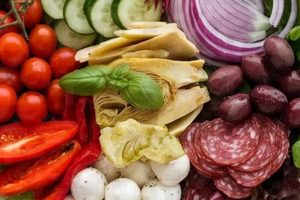
A chilled pasta salad featuring cheese or meat-filled tortellini as its central ingredient often incorporates fresh vegetables, herbs, and a flavorful vinaigrette. A classic example might include cooked tortellini, cherry tomatoes, chopped cucumber, black olives, and a simple Italian dressing.
This type of dish offers a convenient and refreshing meal option, particularly suited for warm weather or casual gatherings. Its adaptability allows for variations in ingredients to suit individual preferences or dietary needs, contributing to its popularity. The relative ease of preparation, combined with the availability of pre-made ingredients, makes it a practical choice for busy individuals. Historically, pasta salads have evolved from simple combinations of pasta and vegetables to more elaborate creations incorporating diverse ingredients and dressings.
The following sections will explore various aspects of preparing such a dish, including ingredient selection, dressing options, and suggested serving variations.
Tips for a Delicious Tortellini Salad
Creating a satisfying and flavorful chilled pasta salad requires attention to several key elements. The following tips offer guidance for optimal results.
Tip 1: Cook Tortellini Properly: Tortellini should be cooked al dente, according to package directions. Overcooked pasta will become mushy in the salad. Rinsing the cooked tortellini under cold water after draining helps stop the cooking process and cools it down quickly.
Tip 2: Select High-Quality Ingredients: Fresh, ripe vegetables and flavorful cheeses or cured meats significantly enhance the overall taste. Consider using seasonal produce for optimal flavor and texture.
Tip 3: Balance Flavors and Textures: A successful salad offers a balance of flavors and textures. Combine soft ingredients like mozzarella with crunchy elements such as bell peppers or cucumbers. Add a salty element like olives or salami for depth of flavor.
Tip 4: Dress the Salad Strategically: Add the dressing shortly before serving to prevent the salad from becoming soggy. Start with a smaller amount of dressing and add more as needed. Toss gently to coat the ingredients evenly.
Tip 5: Marinate for Enhanced Flavor (Optional): Allowing the salad to marinate in the refrigerator for a short period, typically 30 minutes to an hour, allows the flavors to meld and intensify.
Tip 6: Consider Adding Protein: Grilled chicken, shrimp, or chickpeas can be added to make the salad a more substantial meal. Ensure these additions are properly chilled before adding them to the salad.
Tip 7: Garnish Thoughtfully: A final garnish of fresh herbs, grated cheese, or a sprinkle of red pepper flakes can elevate both the visual appeal and flavor profile.
By following these tips, one can create a tortellini salad that is both delicious and visually appealing. Attention to detail in each step ensures a satisfying culinary experience.
In conclusion, a well-made tortellini salad offers a versatile and enjoyable culinary experience. Experimentation with ingredients and dressings allows for customization to individual tastes.
1. Fresh Tortellini

Fresh tortellini plays a crucial role in a simple tortellini salad recipe, significantly impacting the final dish’s overall quality and taste. Dried tortellini, while convenient, often results in a denser, less flavorful outcome. The delicate texture and richer taste of fresh pasta elevate the salad from ordinary to exceptional. This difference stems from the higher moisture content and absence of preservatives in fresh pasta, allowing it to absorb the dressing’s flavors more effectively and offer a more pleasing mouthfeel. Consider a salad made with fresh tortellini versus one with dried: the fresh pasta version will likely exhibit brighter flavors and a more tender bite, while the dried version might taste blander and feel heavier. Choosing fresh tortellini creates a noticeable improvement, showcasing the importance of ingredient quality in seemingly simple recipes.
This distinction becomes particularly relevant in a cold salad setting where the individual ingredients’ inherent flavors are more pronounced. Because the pasta is not masked by a heavy sauce or prolonged cooking, the tortellini’s freshness directly influences the salad’s overall taste profile. Using fresh tortellini also contributes to a more vibrant presentation. The pasta’s smooth, plump appearance adds to the salad’s aesthetic appeal, making it more inviting. One could imagine a salad with fresh, brightly colored tortellini alongside vibrant vegetables, creating a visually appealing dish, contrasting with a salad using dull, dried pasta.
Therefore, prioritizing fresh tortellini represents a simple yet impactful step towards achieving a superior simple tortellini salad. While dried pasta offers convenience, the benefits of using fresh tortellini, from enhanced flavor and texture to improved visual presentation, contribute significantly to the overall culinary experience. Choosing fresh tortellini ultimately aligns with the “simple” aspect of the recipe by maximizing flavor with minimal effort, reinforcing the notion that ingredient quality often trumps complexity in achieving culinary excellence.
2. Vibrant Vegetables
Vibrant vegetables contribute significantly to a simple tortellini salad recipe, extending beyond mere aesthetic appeal. Their inclusion introduces crucial textural and flavor dimensions, elevating the dish from basic to complex. The crispness of vegetables like bell peppers, cucumbers, and celery provides a refreshing counterpoint to the soft tortellini. This textural interplay creates a more engaging and satisfying culinary experience. Furthermore, the diverse flavors inherent in various vegetables, from the sweetness of cherry tomatoes to the peppery bite of radishes, add depth and complexity to the overall flavor profile. A salad composed solely of tortellini and dressing, while palatable, would lack the dynamic flavor contrasts offered by the incorporation of vibrant vegetables. Consider, for instance, the interplay of roasted red peppers, artichoke hearts, and spinach: the sweetness of the peppers, the tang of the artichokes, and the earthiness of the spinach create a multi-layered flavor experience that complements the richness of the tortellini.
Beyond flavor and texture, vibrant vegetables offer significant nutritional value, enhancing the health benefits of the salad. Incorporating a variety of colorful vegetables ensures a broader spectrum of vitamins, minerals, and antioxidants. For example, adding broccoli florets introduces vitamin C and fiber, while including carrots provides vitamin A and beta-carotene. This nutritional diversity transforms a simple pasta salad into a more complete and healthful meal option. The strategic selection of vegetables also allows for seasonal variations, maximizing freshness and flavor. A summer salad might feature ripe tomatoes and cucumbers, while an autumn version could incorporate butternut squash and Brussels sprouts. This adaptability ensures that the salad remains interesting and flavorful year-round.
In conclusion, the inclusion of vibrant vegetables in a simple tortellini salad is essential for achieving both culinary excellence and nutritional balance. Their contribution extends beyond mere decoration, playing a crucial role in establishing textural contrast, enriching the flavor profile, and maximizing nutritional value. Challenges such as seasonal availability and potential flavor imbalances can be addressed through careful planning and thoughtful ingredient combinations. The deliberate incorporation of vibrant vegetables ultimately elevates the simple tortellini salad from a basic dish to a complex and satisfying culinary creation.
3. Flavorful Dressing

Flavorful dressing forms an integral component of a simple tortellini salad recipe, acting as a unifying element that binds the individual ingredients and elevates the overall taste profile. The dressing’s role extends beyond merely moistening the salad; it contributes significantly to the final dish’s complexity and balance. A bland or poorly chosen dressing can render even the highest quality tortellini and freshest vegetables unappealing. Conversely, a well-crafted dressing can transform simple ingredients into a harmonious and flavorful culinary experience. Consider the impact of a vibrant pesto dressing on a tortellini salad with cherry tomatoes and mozzarella: the pesto’s basil, garlic, and parmesan notes complement the sweetness of the tomatoes and the creaminess of the mozzarella, creating a cohesive and satisfying flavor profile.
The choice of dressing should consider the other salad components. A light vinaigrette, for instance, might complement a salad featuring delicate vegetables like spinach and asparagus. A creamy dressing based on mayonnaise or yogurt, on the other hand, might pair well with heartier ingredients such as roasted vegetables or cured meats. The balance of acidity, sweetness, and savory notes within the dressing also plays a crucial role. A dressing that is overly acidic can overwhelm the other flavors, while a dressing lacking acidity can result in a flat, uninteresting taste. Consider a lemon vinaigrette: the right balance of lemon juice, olive oil, and seasonings creates a bright, refreshing dressing that enhances the flavors of the tortellini and vegetables without overpowering them. The quantity of dressing used also requires careful consideration. Too much dressing can make the salad soggy, while too little can leave it dry and unappetizing.
Achieving the optimal balance of flavors in a tortellini salad dressing requires careful consideration of the interplay between the various ingredients. Challenges such as selecting a dressing that complements the other components and achieving the right balance of acidity and richness can be addressed through experimentation and attention to detail. A well-chosen and properly balanced dressing elevates the simple tortellini salad, transforming it from a collection of individual ingredients into a cohesive and flavorful dish. The dressing’s ability to unify and enhance the flavors of the other components underscores its essential role in achieving culinary excellence in this seemingly simple preparation.
4. Complementary Proteins (Optional)

While not strictly necessary for a simple tortellini salad recipe, the addition of complementary proteins offers several advantages, transforming the dish from a side or light lunch into a more substantial and satisfying meal. This optional element provides flexibility, allowing for customization based on dietary preferences and desired nutritional content. The careful selection and incorporation of proteins can further enhance the salad’s flavor profile and textural complexity.
- Enhanced Nutritional Value
Proteins contribute essential amino acids crucial for various bodily functions. Including protein elevates the salad’s nutritional value, offering a more balanced and complete meal. For example, grilled chicken provides lean protein, while chickpeas offer plant-based protein and fiber. This addition caters to diverse dietary needs, from those seeking increased protein intake to vegetarians and vegans. The enhanced nutritional profile makes the salad a more suitable option for a main course, contributing to satiety and overall well-being.
- Increased Satiety
Adding protein to a tortellini salad promotes satiety, reducing hunger pangs and contributing to a feeling of fullness. This effect arises from protein’s slower digestion rate compared to carbohydrates. A salad with added protein is more likely to satisfy hunger for a longer period than a salad consisting solely of pasta and vegetables. Consider a salad with grilled shrimp versus one without: the shrimp-enhanced version will likely leave one feeling fuller for longer, making it a more substantial meal choice.
- Expanded Flavor and Texture
Complementary proteins can introduce new flavors and textures, enhancing the salad’s overall sensory experience. The savory notes of grilled chicken or the briny taste of flaked tuna contrast and complement the other ingredients. Texturally, the inclusion of protein adds another dimension, contrasting with the softness of the pasta and the crispness of the vegetables. For example, the addition of crispy bacon bits adds a salty crunch, creating a more dynamic textural interplay.
- Versatility and Adaptability
The range of suitable protein additions allows for significant versatility. Grilled chicken, fish, beans, lentils, tofu, and nuts all offer unique flavor profiles and nutritional benefits. This adaptability allows for customization based on personal preferences, dietary restrictions, and seasonal availability. A summer salad might feature grilled salmon, while a winter salad could incorporate cannellini beans. This versatility ensures that the salad remains interesting and adaptable throughout the year.
In conclusion, the inclusion of complementary proteins, while optional, significantly enhances the simple tortellini salad recipe. The added protein elevates the dish’s nutritional value, contributes to satiety, expands the flavor and texture profile, and offers versatility in ingredient selection. These benefits transform the salad from a simple side dish into a more substantial and satisfying meal option, customizable to individual preferences and dietary needs.
5. Proper Chilling

Proper chilling plays a crucial role in a simple tortellini salad recipe, impacting both food safety and the final dish’s overall quality. Chilling is not merely a final step but an integral part of the preparation process, influencing flavor development and ingredient integrity. Insufficient chilling can lead to bacterial growth, posing health risks, while excessive chilling can negatively affect the texture and taste of certain ingredients. Understanding the nuances of proper chilling is therefore essential for achieving optimal results.
- Food Safety
Maintaining a safe temperature for the salad is paramount. Harmful bacteria can proliferate rapidly in food left at room temperature for extended periods. Chilling the cooked tortellini and other ingredients promptly inhibits bacterial growth, ensuring food safety. Guidelines recommend chilling perishable foods within two hours of cooking or purchasing. This practice minimizes the risk of foodborne illnesses. In the context of a tortellini salad, proper chilling safeguards against potential health hazards associated with consuming contaminated ingredients.
- Flavor Development
Chilling allows the flavors of the various ingredients to meld and intensify. The cool temperature slows down enzymatic activity, preserving the fresh flavors of the vegetables and herbs. Moreover, chilling allows the dressing to permeate the tortellini and other components, enhancing the overall flavor profile. For instance, a salad chilled for an hour before serving will likely exhibit a more cohesive and balanced flavor compared to a salad consumed immediately after preparation. The chilling process thus contributes to a more nuanced and enjoyable culinary experience.
- Texture Preservation
Proper chilling helps maintain the desired texture of the salad ingredients. Excessive chilling, however, can have detrimental effects, particularly on vegetables. Some vegetables, such as tomatoes and cucumbers, can become mushy or watery if chilled for too long. Optimal chilling involves finding the right balance between cooling the salad sufficiently for food safety and flavor development while avoiding excessive chilling that could compromise texture. This balance ensures that the salad retains its desirable crispness and freshness.
- Presentation Enhancement
A chilled tortellini salad presents more appealingly than a lukewarm one. The cool temperature enhances the visual vibrancy of the ingredients, making the salad more appetizing. Furthermore, proper chilling prevents the dressing from separating or becoming oily, preserving the salad’s aesthetic appeal. A well-chilled salad appears fresher and more inviting, enhancing the overall dining experience.
In conclusion, proper chilling is an essential aspect of a simple tortellini salad recipe. Its importance extends beyond mere temperature control, impacting food safety, flavor development, texture preservation, and presentation. Understanding the nuances of chilling and implementing appropriate practices ensures a safe, flavorful, and visually appealing salad. The interplay of these factors highlights the critical role of proper chilling in achieving culinary excellence in this seemingly straightforward dish.
6. Thoughtful Presentation

Thoughtful presentation elevates a simple tortellini salad recipe from a basic meal to a visually appealing and enjoyable dining experience. While the recipe’s simplicity emphasizes ease of preparation, attention to presentation demonstrates care and enhances the perceived value of the dish. Visual appeal stimulates appetite and contributes to a more satisfying culinary experience, demonstrating that even simple dishes benefit from considered presentation.
- Serving Platter Selection
The choice of serving vessel significantly impacts the salad’s presentation. A shallow platter or bowl allows for an attractive arrangement of ingredients, showcasing the colors and textures. A deep bowl, while practical for mixing, can obscure the salad’s components. Consider serving the salad on a white platter to emphasize the vibrant colors of the vegetables. Conversely, a rustic wooden bowl could complement a salad with a Mediterranean theme. The platter’s size should also be appropriate for the quantity of salad, avoiding overcrowding or a sparse appearance.
- Ingredient Arrangement
Strategic placement of ingredients enhances visual appeal. Distributing ingredients evenly, rather than simply tossing them together, creates a more visually engaging presentation. Consider arranging the tortellini around the perimeter of the platter with the vegetables grouped in the center. Alternatively, alternating sections of tortellini and different vegetables can create a visually dynamic pattern. Garnishing with fresh herbs or a sprinkle of cheese adds a final touch of elegance. These deliberate arrangements elevate the perception of the dish.
- Color and Contrast
A visually appealing salad incorporates a variety of colors and textures. The contrast between the tortellini, vegetables, and other components creates visual interest. For example, a salad with tri-colored tortellini, red tomatoes, green cucumbers, and black olives offers a vibrant color palette. Similarly, combining soft mozzarella balls with crunchy vegetables adds textural contrast. These visual elements enhance the dining experience, stimulating appetite and creating a sense of anticipation.
- Portioning and Serving
Individual portions allow for greater control over presentation and portion size. Serving the salad in individual bowls or on small plates enhances the perceived elegance of the dish. This approach also facilitates portion control, which can be beneficial for managing calorie intake. Consider using small, clear glass bowls to showcase the layers of ingredients in the salad. Alternatively, serving the salad on individual plates alongside a protein element, such as grilled chicken, creates a more complete and visually appealing meal.
In conclusion, thoughtful presentation enhances the enjoyment of a simple tortellini salad recipe. While the focus remains on simplicity in terms of ingredients and preparation, attention to visual details elevates the dining experience. The selection of the serving vessel, the arrangement of ingredients, the use of color and contrast, and the method of portioning all contribute to a more visually appealing and satisfying meal. By considering these elements, even a simple tortellini salad can be transformed into a culinary creation that is both delicious and aesthetically pleasing.
Frequently Asked Questions
This section addresses common inquiries regarding the preparation and enjoyment of tortellini salad.
Question 1: Can dried tortellini be substituted for fresh?
While dried tortellini can be used, fresh tortellini is generally preferred for its superior texture and flavor. Dried tortellini tends to be denser and may not absorb the dressing as effectively.
Question 2: How long can tortellini salad be stored in the refrigerator?
Properly stored in an airtight container, tortellini salad can typically be refrigerated for up to three days. However, the quality and texture may begin to deteriorate after the first day. Always check for spoilage before consuming.
Question 3: What dressings work well with tortellini salad besides vinaigrette?
Creamy dressings based on mayonnaise, yogurt, or sour cream can provide a richer alternative to vinaigrette. Pesto-based dressings also complement tortellini well. The choice of dressing should consider the other ingredients in the salad.
Question 4: Can tortellini salad be frozen?
Freezing is generally not recommended for tortellini salad. Freezing can negatively impact the texture of the tortellini and vegetables, resulting in a mushy consistency upon thawing. The dressing may also separate upon freezing and thawing.
Question 5: How can one adapt the recipe for dietary restrictions, such as gluten-free or vegan diets?
Gluten-free tortellini can be used for those following a gluten-free diet. For vegan adaptations, ensure the tortellini filling and dressing do not contain animal products. Vegan pesto or a simple olive oil and lemon juice dressing can be used. Substitute plant-based protein sources, such as chickpeas or tofu, for animal-based proteins.
Question 6: What are some suitable accompaniments for tortellini salad?
Tortellini salad pairs well with crusty bread, grilled meats, or fish. It can also be served as a light meal on its own. The choice of accompaniment depends on the overall meal composition and individual preferences.
Understanding these common queries helps ensure successful preparation and enjoyment of tortellini salad. Careful attention to ingredient selection, preparation methods, and storage practices contributes to a satisfying culinary experience.
Further exploration of recipe variations and serving suggestions follows in the next section.
Simple Tortellini Salad Recipe
Exploration of the simple tortellini salad recipe reveals a dish offering nuanced complexity despite its straightforward nature. Emphasis on fresh, high-quality ingredients, particularly the tortellini, contributes significantly to the final product. Careful consideration of textural and flavor interplay between pasta, vibrant vegetables, and a balanced dressing yields a harmonious culinary experience. Optional protein additions and proper chilling techniques further enhance the dish’s nutritional value and overall appeal. Thoughtful presentation elevates the salad from simple fare to a visually engaging culinary creation.
The adaptability of this recipe allows for endless variations, encouraging culinary exploration and personalization. Continued experimentation with ingredient combinations, dressings, and presentation styles offers a path to further culinary discovery. The simple tortellini salad recipe serves as a testament to the potential for culinary excellence within the realm of simplicity, reminding one that thoughtful preparation and quality ingredients remain paramount in achieving a truly satisfying gastronomic experience.