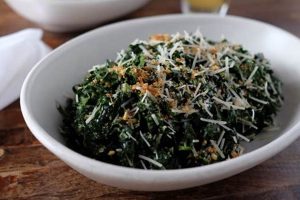
A vibrant and tangy dressing typically made with fresh lemon juice, oil, and seasonings forms the foundation of numerous salads. Variations can include Dijon mustard, honey, garlic, herbs, or shallots, offering a wide range of flavor profiles. A simple example includes whisking together three parts oil to one part lemon juice, seasoned with salt and pepper.
This type of dressing offers a light and refreshing counterpoint to leafy greens, vegetables, or even grilled proteins. Its acidic nature helps to brighten flavors and tenderize certain ingredients. Historically, citrus-based dressings have been appreciated for their flavor and preservative qualities. The inherent acidity contributes to food safety by inhibiting bacterial growth, a valuable characteristic prior to modern refrigeration.
The following sections will explore different formulations of this versatile dressing, suitable for various ingredients and occasions, along with tips for preparation and storage.
Tips for Crafting the Perfect Citrus Vinaigrette
Achieving a balanced and flavorful dressing requires attention to detail and an understanding of the interplay between ingredients. These tips offer guidance for creating a dressing that complements a variety of dishes.
Tip 1: Emulsification is Key: Vigorous whisking or blending creates a stable emulsion that prevents the oil and acid from separating, resulting in a creamy texture. A drop of Dijon mustard can aid in emulsification.
Tip 2: Freshly Squeezed Citrus: Bottled lemon juice often lacks the bright, vibrant flavor of fresh lemons. Always use freshly squeezed juice for optimal results.
Tip 3: Balance is Paramount: Taste and adjust the balance of acidity, sweetness, and salt. A touch of honey or maple syrup can temper excessive tartness.
Tip 4: High-Quality Oil: Extra virgin olive oil offers a robust flavor, but lighter oils like grapeseed or avocado oil can be used for a more delicate profile.
Tip 5: Seasoning Enhancements: Freshly ground black pepper, minced garlic, shallots, or herbs like chives, parsley, or thyme can elevate the complexity of the dressing.
Tip 6: Proper Storage: Store leftover dressing in an airtight container in the refrigerator for up to one week. Shake well before using as some separation may occur.
Tip 7: Versatile Applications: This dressing isn’t limited to salads. It serves as an excellent marinade for fish, chicken, or vegetables, and can be drizzled over roasted vegetables or grains.
By following these guidelines, one can consistently produce a delicious and versatile dressing suitable for a range of culinary applications.
The following section will explore specific recipe variations to further inspire culinary creativity.
1. Fresh Lemons

Fresh lemons are fundamental to a high-quality lemon vinaigrette. Their use contributes significantly to the overall flavor profile, differentiating the vinaigrette from versions using bottled lemon juice. This section explores the multifaceted role of fresh lemons in creating a superior vinaigrette.
- Flavor Complexity
Freshly squeezed lemon juice offers a brightness and nuanced acidity that bottled counterparts often lack. The volatile aromatic compounds present in fresh lemons contribute to a more complex and vibrant flavor profile. This complexity enhances the sensory experience of the vinaigrette, elevating its overall impact on the palate.
- Acidity and Balance
The acidity of fresh lemons plays a crucial role in balancing the richness of the oil and other ingredients within the vinaigrette. This balance is essential for creating a harmonious and palatable dressing. The naturally occurring citric acid in fresh lemons also aids in preserving the freshness of accompanying salad ingredients.
- Aromatic Contributions
The zest of fresh lemons, containing essential oils, can be incorporated into the vinaigrette to further amplify the citrus notes. This addition introduces another layer of aromatic complexity, enhancing the overall sensory experience. The zest also contributes a subtle bitterness that balances the sweetness and acidity of the other ingredients.
- Visual Appeal
Incorporating segments or slices of fresh lemon into the salad itself, beyond just the vinaigrette, adds visual appeal. The bright yellow color contrasts with the green of leafy vegetables and other salad components, making the dish more visually enticing.
The use of fresh lemons, from juice to zest and even visual presentation, contributes significantly to the quality and overall appeal of a lemon vinaigrette salad. The distinct characteristics of fresh lemons elevate the vinaigrette, highlighting the importance of this core ingredient.
2. High-Quality Oil

Oil forms the foundation of a lemon vinaigrette, influencing both flavor and texture. High-quality oil is crucial for achieving a balanced and enjoyable dressing. The type of oil selected contributes specific flavor notes and influences the overall sensory experience. For example, extra virgin olive oil imparts a robust, peppery flavor, while avocado oil offers a smoother, more neutral taste. Grapeseed oil, with its high smoke point, is a suitable choice when the vinaigrette will be used in a cooked application.
The quality of the oil directly impacts the final result. Extra virgin olive oil, for example, should possess a vibrant green hue and a distinct fruity aroma. Indicators of poor quality include a rancid odor or a dull, muted color. Such characteristics can negatively affect the taste of the vinaigrette, overpowering the delicate balance of flavors. Opting for high-quality oil ensures the vinaigrette remains a complement to the salad, rather than a detractor.
Beyond flavor, the oil also contributes to the texture of the dressing. High-quality oils create a smoother, more luxurious mouthfeel. They emulsify more readily with the acidic lemon juice, resulting in a stable and consistent texture. The choice of oil, therefore, impacts not only the taste but also the physical properties of the vinaigrette, influencing how it coats and interacts with the other salad ingredients. This understanding allows for a more informed and deliberate approach to crafting a successful lemon vinaigrette.
3. Balanced Seasoning

Balanced seasoning is paramount in a successful lemon vinaigrette salad recipe. The inherent acidity of lemon juice requires careful consideration of other flavor components. Salt, in particular, plays a crucial role, not only enhancing the flavors of the other ingredients but also tempering the tartness of the lemon. Insufficient salt results in a sharp, one-dimensional dressing, while excessive salt overwhelms the delicate balance. The goal is to achieve a harmonious blend where the lemon’s brightness is complemented, not dominated, by the salt.
Beyond salt, other seasonings contribute depth and complexity. Black pepper provides a subtle spice, while a touch of sweetness, from honey or maple syrup, can balance the acidity and round out the flavor profile. Minced garlic or shallots introduce savory notes, while fresh herbs, such as chives, parsley, or dill, add freshness and aromatic complexity. Consider the overall flavor profile desired when selecting additional seasonings. A Mediterranean-inspired vinaigrette might benefit from oregano and thyme, while a more classic approach might focus on simple black pepper and a pinch of sugar.
Achieving balanced seasoning requires iterative tasting and adjustment. Begin with a small amount of salt and other seasonings, whisking thoroughly to incorporate. Taste the vinaigrette and adjust accordingly, adding more salt, sweetness, or other seasonings incrementally until the desired balance is achieved. This meticulous approach ensures the final vinaigrette complements the salad ingredients, enhancing their flavors without overpowering the delicate balance. Proper seasoning elevates the lemon vinaigrette from a simple dressing to a complex and flavorful component of the overall dish.
4. Proper Emulsification
Proper emulsification is crucial for a successful lemon vinaigrette. Emulsification refers to the process of combining two immiscible liquids, in this case, oil and lemon juice, into a stable mixture. Without proper emulsification, the vinaigrette will separate, resulting in an oily layer on top and a watery layer below. This separation not only affects the texture and appearance but also the flavor distribution. A properly emulsified vinaigrette coats salad ingredients evenly, delivering a consistent flavor experience in each bite. A separated dressing, conversely, leads to uneven coating and inconsistent flavor.
Several factors influence emulsification. Vigorous whisking or blending provides the mechanical energy needed to disperse the oil droplets within the lemon juice. The addition of an emulsifying agent, such as Dijon mustard or honey, further stabilizes the mixture. These agents contain molecules with both hydrophilic (water-loving) and lipophilic (fat-loving) ends, allowing them to bridge the gap between the oil and lemon juice, preventing separation. The ratio of oil to acid also plays a role; a typical vinaigrette uses a ratio of 3:1, ensuring sufficient oil to suspend the dispersed lemon juice droplets.
Practical application of this knowledge yields a superior vinaigrette. Slow, steady whisking while gradually drizzling the oil into the lemon juice promotes a stable emulsion. If separation does occur, re-whisking or blending typically resolves the issue. Understanding the science behind emulsification empowers one to create a vinaigrette with a desirable creamy texture, consistent flavor, and visually appealing appearance, contributing significantly to the overall enjoyment of the salad. A properly emulsified lemon vinaigrette enhances the dining experience, showcasing the importance of this often-overlooked culinary technique.
5. Versatile Applications

The versatility of lemon vinaigrette extends far beyond its traditional role as a salad dressing. This adaptability stems from its balanced flavor profile, bright acidity, and ability to complement a wide range of ingredients. The inherent acidity of the lemon juice not only provides a refreshing counterpoint to richer flavors but also acts as a tenderizer, particularly effective with seafood and poultry. This characteristic allows the vinaigrette to function as a marinade, infusing ingredients with flavor while also improving their texture.
Consider, for example, grilled fish or chicken marinated in lemon vinaigrette. The acidity of the marinade helps to break down tough muscle fibers, resulting in a more tender and flavorful final product. The marinade also imparts a bright, citrusy flavor that enhances the natural taste of the protein. Beyond marinades, lemon vinaigrette can be used as a finishing drizzle for roasted vegetables, adding a touch of acidity and brightness to balance the earthy flavors. It can also be incorporated into grain salads, providing a vibrant counterpoint to the often-neutral flavors of grains like quinoa or farro. Drizzling a lemon vinaigrette over steamed asparagus, roasted broccoli, or grilled halloumi cheese demonstrates the breadth of its application.
Understanding the versatile applications of lemon vinaigrette expands its culinary potential. It transforms from a simple salad dressing into a multi-purpose ingredient, capable of enhancing a wide range of dishes. This adaptability contributes to its value in both professional and home kitchens, providing a simple yet effective way to elevate flavor and texture across diverse culinary creations. Recognizing this versatility encourages creative exploration and maximizes the utility of this fundamental culinary component.
6. Storage Techniques
Proper storage techniques are essential for maintaining the quality and extending the shelf life of lemon vinaigrette. The emulsion’s stability and the freshness of its components, particularly the volatile aromatic compounds of the lemon juice, are susceptible to degradation over time and under improper storage conditions. Exposure to air, light, and fluctuating temperatures can accelerate oxidation, leading to off-flavors and a decline in quality. Consequently, understanding and implementing appropriate storage practices are crucial for preserving the desired flavor profile and textural characteristics of the vinaigrette. For instance, a vinaigrette stored in a clear container on a windowsill will degrade much faster than one stored in an opaque, airtight container in the refrigerator.
Effective storage of lemon vinaigrette begins with selecting the correct container. An airtight container, preferably made of opaque material like glass or stainless steel, minimizes exposure to air and light, both of which contribute to oxidation and flavor degradation. The container should be appropriately sized to minimize the amount of headspace, further reducing air exposure. Storing the vinaigrette in the refrigerator maintains a consistent, cool temperature, inhibiting bacterial growth and slowing down enzymatic reactions that can lead to spoilage. For example, transferring leftover vinaigrette from a large mixing bowl to a smaller, airtight jar maximizes its shelf life.
While proper storage can extend the shelf life of lemon vinaigrette for up to a week, periodic assessment remains necessary. Visual inspection for signs of separation or discoloration, coupled with olfactory evaluation for any off-flavors, can prevent the use of spoiled dressing. Shaking the vinaigrette before each use helps to re-emulsify any separated components and redistribute the flavors. Understanding and implementing these storage techniques ensures the longevity and quality of the lemon vinaigrette, maximizing its usability and minimizing waste. This knowledge contributes to a more efficient and enjoyable culinary experience.
Frequently Asked Questions
This section addresses common inquiries regarding the preparation, storage, and utilization of lemon vinaigrette.
Question 1: How long can lemon vinaigrette be stored?
When stored correctly in an airtight container in the refrigerator, lemon vinaigrette typically remains viable for up to one week. However, regular assessment for signs of spoilage, such as discoloration or off-odors, is recommended.
Question 2: What type of oil is best suited for lemon vinaigrette?
Extra virgin olive oil provides a robust flavor, while lighter oils like grapeseed or avocado oil offer a more neutral profile. Oil selection depends on the desired flavor outcome and intended application.
Question 3: Can lemon vinaigrette be used for purposes other than salad dressing?
Its versatility extends to marinades for fish, chicken, or vegetables, and it can also be drizzled over roasted vegetables or grains.
Question 4: How can one prevent the vinaigrette from separating?
Vigorous whisking or blending during preparation creates a stable emulsion. A small amount of Dijon mustard can further aid in emulsification and prevent separation.
Question 5: What can be done if the vinaigrette becomes too tart?
A touch of honey or maple syrup can balance excessive acidity. Taste and adjust incrementally until the desired balance is achieved.
Question 6: Does bottled lemon juice offer a suitable alternative to fresh lemons?
While bottled lemon juice can be used, freshly squeezed lemon juice offers a superior flavor profile due to the presence of volatile aromatic compounds often lost during processing.
Careful consideration of these frequently asked questions contributes to a more informed and successful culinary experience with lemon vinaigrette.
The next section will explore various recipe variations to further enhance culinary creativity.
Lemon Vinaigrette Salad Recipe
This exploration of lemon vinaigrette salad recipes has highlighted the multifaceted nature of this seemingly simple culinary creation. From the importance of fresh, high-quality ingredients to the critical role of proper emulsification and balanced seasoning, each element contributes to the final product’s success. The versatility of this dressing, extending beyond salads to marinades and finishing drizzles, further underscores its value in a diverse range of culinary applications. Proper storage techniques ensure the longevity and quality of the vinaigrette, maximizing its potential and minimizing waste.
Culinary success hinges on a thorough understanding of fundamental techniques and ingredients. Mastery of the lemon vinaigrette, a seemingly basic element, unlocks a world of culinary possibilities, demonstrating the profound impact of simplicity and precision in achieving flavorful and memorable dishes. This exploration serves as a foundation for continued experimentation and refinement, encouraging culinary enthusiasts to explore the nuances of flavor and texture within their own kitchens.