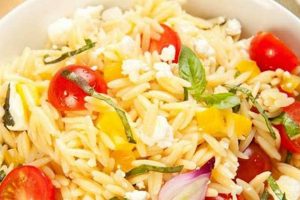
A vibrant and refreshing dish typically features a base of fresh greens and other vegetables, complemented by a dressing built upon the tangy and aromatic notes of citrus fruit. This dressing often incorporates oil, an acidic element like vinegar or lemon juice, and seasonings such as herbs, spices, or shallots. Variations may include additions like nuts, seeds, cheeses, or fruits beyond the primary citrus component. An example might include a salad of baby spinach, sliced oranges, toasted pecans, and crumbled goat cheese, dressed with a mixture of orange juice, olive oil, Dijon mustard, and honey.
Light yet flavorful salads of this type offer a healthy and appealing option for meals or side dishes. The acidity in the citrus cuts through richer flavors, while the oil provides a smooth, luxurious mouthfeel. Citrus fruits are also packed with vitamins and antioxidants, making these salads a nutritious choice. Historically, the combination of oil and acid in dressings can be traced back to ancient civilizations, while the modern emphasis on fresh, seasonal ingredients aligns with contemporary culinary trends.
This exploration will delve into the nuances of creating such dishes, covering topics such as selecting the appropriate citrus varietals, balancing flavors within the dressing, and achieving optimal texture and presentation in the finished salad.
Tips for Crafting Exceptional Citrus Vinaigrette Salads
Creating a truly exceptional salad with a citrus vinaigrette involves careful consideration of each element, from the type of citrus used to the balance of flavors in the dressing. The following tips offer guidance for achieving optimal results.
Tip 1: Citrus Selection: Flavor profiles vary significantly among citrus fruits. Opt for bright, acidic varieties such as lemon or lime for a sharper vinaigrette, or milder options like orange or grapefruit for a sweeter, more nuanced taste. Consider the other salad ingredients when choosing the citrus to ensure complementary flavors.
Tip 2: Balance is Key: The vinaigrette should achieve a harmonious balance between acidity, sweetness, and oil. Taste and adjust as needed, adding more citrus juice for tartness, a touch of honey or maple syrup for sweetness, or additional oil for richness.
Tip 3: Emulsification Technique: A properly emulsified vinaigrette clings to the salad ingredients rather than pooling at the bottom. Whisk the oil slowly into the citrus juice and other ingredients to create a smooth, cohesive dressing.
Tip 4: Freshly Squeezed Citrus: Bottled citrus juice often lacks the vibrancy and complexity of freshly squeezed juice. The effort of juicing fresh fruit significantly elevates the final flavor of the vinaigrette.
Tip 5: Seasonal Ingredients: Seasonal produce offers peak flavor and texture. Selecting greens and other vegetables at their peak ripeness will enhance the overall quality of the salad.
Tip 6: Complementary Ingredients: Consider the interplay of textures and flavors. Pair the citrus vinaigrette with ingredients that complement its profile, such as toasted nuts, creamy cheeses, or subtly sweet fruits.
Tip 7: Proper Storage: Store the vinaigrette separately from the salad components to prevent the greens from wilting. Toss the salad with the dressing just before serving to maintain optimal freshness and texture.
By following these guidelines, one can elevate a simple salad into a culinary experience. Attention to detail in each step, from ingredient selection to dressing preparation, ensures a flavorful and satisfying result.
These tips provide a solid foundation for creating a delicious and visually appealing citrus vinaigrette salad. The next section will offer specific recipe examples to further illustrate these principles.
1. Fresh, Seasonal Produce

The foundation of any successful citrus vinaigrette salad rests upon the quality of its ingredients, most notably the freshness and seasonality of the produce. Utilizing peak-season fruits and vegetables elevates the flavor profile and nutritional value of the salad, allowing the bright, acidic notes of the citrus vinaigrette to shine.
- Optimal Ripeness and Flavor:
Produce harvested at its peak ripeness exhibits the fullest expression of its natural sugars and aromatic compounds. This translates to a more vibrant and complex flavor profile in the salad. In-season ingredients require less manipulation, allowing their inherent qualities to take center stage. A winter citrus salad, for example, might feature perfectly ripe grapefruit and blood oranges, offering a balance of sweetness and tartness.
- Enhanced Nutritional Value:
Fruits and vegetables generally retain higher nutrient levels when harvested in season. This is due to optimal growing conditions and reduced time between harvest and consumption. Incorporating these nutrient-rich ingredients into a citrus vinaigrette salad contributes to a healthier and more beneficial meal. For instance, a spring salad might include fresh asparagus, rich in vitamins K and A, alongside leafy greens and a lemon vinaigrette.
- Textural Integrity:
Fresh, seasonal produce boasts superior texture, contributing to the overall sensory experience of the salad. Crisp lettuce, juicy tomatoes, and firm cucumbers provide a pleasant contrast to the smoothness of the vinaigrette. Out-of-season produce can often exhibit undesirable textures, such as limp greens or mealy tomatoes. A summer salad with ripe peaches, crunchy romaine lettuce, and a tangy lime vinaigrette exemplifies this textural interplay.
- Support for Local Agriculture:
Choosing seasonal produce often means supporting local farmers and reducing the environmental impact associated with long-distance transportation. This commitment to local sourcing aligns with broader sustainability efforts and fosters community connections. A salad featuring locally grown berries and herbs tossed with a citrus vinaigrette demonstrates this principle.
By prioritizing fresh, seasonal produce, the citrus vinaigrette salad transcends mere sustenance and becomes a celebration of flavor, texture, and mindful consumption. The synergy between ripe ingredients and a vibrant vinaigrette creates a dish that is both nourishing and aesthetically pleasing, showcasing the bounty of each season.
2. High-Quality Citrus Fruits
The success of a citrus vinaigrette salad hinges significantly on the quality of the citrus fruits employed. High-quality citrus offers superior flavor, aroma, and juiciness, directly impacting the vinaigrette’s character and the overall salad experience. The relationship between citrus quality and the final dish operates on several levels.
Flavor complexity differentiates exceptional citrus. Ripe, well-sourced fruit exhibits a nuanced balance of sweetness, tartness, and bitterness, contributing depth to the vinaigrette. A bland, underripe fruit yields a flat, one-dimensional dressing, lacking the vibrancy characteristic of a well-executed citrus vinaigrette. Consider the difference between a vinaigrette made with a freshly picked, fragrant Meyer lemon versus one using a generic, store-bought lemon. The former offers a delicate sweetness and floral aroma, while the latter might taste acidic and lack complexity. This distinction underscores the importance of sourcing high-quality ingredients.
Juice content also plays a critical role. Plump, juicy citrus fruits provide ample liquid for the vinaigrette, ensuring sufficient volume and contributing to the desired emulsion. A dry, pithy fruit yields less juice, potentially resulting in a thin, unbalanced dressing. Moreover, the juice’s natural sugars and acids contribute significantly to the vinaigrette’s balance, further highlighting the necessity of high-quality fruit. Practical applications include selecting heavy citrus fruits with smooth, unblemished skin, indicating optimal ripeness and juice content. Storing citrus properly, at cool temperatures but not refrigerated for extended periods, preserves their quality and maximizes juice yield.
In summary, the quality of citrus fruits directly correlates with the overall success of a citrus vinaigrette salad. Superior citrus contributes complexity, balance, and vibrancy to the vinaigrette, elevating the entire dish. Selecting ripe, juicy fruits and storing them properly ensures optimal flavor and maximizes the culinary potential of this versatile ingredient. Prioritizing high-quality citrus represents a crucial step in crafting a truly exceptional citrus vinaigrette salad, demonstrating an understanding of the interconnectedness between ingredient quality and culinary outcome.
3. Balanced Vinaigrette

A balanced vinaigrette constitutes a cornerstone of a successful citrus vinaigrette salad recipe. Balance refers to the harmonious interplay of acidity, sweetness, and oil, creating a dressing that complements rather than overwhelms the other salad components. This equilibrium is crucial for achieving a palatable and enjoyable culinary experience. An overly acidic vinaigrette can be sharp and unpleasant, while excessive sweetness can cloy. Too much oil creates a greasy mouthfeel, detracting from the salad’s freshness. A properly balanced vinaigrette, however, enhances the flavors of the other ingredients, creating a cohesive and satisfying dish.
Consider a salad composed of delicate spring greens, toasted pecans, and crumbled goat cheese. A vinaigrette dominated by lemon juice would overpower the subtle flavors of the greens and cheese. Conversely, a dressing excessively reliant on honey would mask the nuttiness of the pecans. A balanced vinaigrette, incorporating the right proportions of lemon juice, honey, and olive oil, would unify these disparate elements, allowing each ingredient to contribute to the overall flavor profile. This exemplifies the practical significance of a well-balanced vinaigrette in a citrus vinaigrette salad recipe. Achieving this balance often involves incremental adjustments and taste testing throughout the preparation process. Starting with a basic ratio, such as three parts oil to one part acid, provides a foundation for customization. Sweetness can be incorporated gradually, using small increments of honey, maple syrup, or agave nectar. Careful attention to these adjustments allows for a tailored vinaigrette, perfectly suited to the specific salad ingredients.
In conclusion, a balanced vinaigrette is not merely a component but a defining characteristic of a successful citrus vinaigrette salad recipe. It serves as a unifying element, bringing together diverse flavors and textures into a harmonious whole. Understanding the principles of balancethe interplay of acidity, sweetness, and oilempowers culinary practitioners to create vinaigrettes that elevate the salad experience from simple sustenance to a nuanced and enjoyable culinary creation. The ability to adjust and fine-tune a vinaigrette based on the specific ingredients demonstrates a mastery of this fundamental culinary technique, ensuring a consistently delightful and well-balanced salad.
4. Proper Emulsification
Proper emulsification represents a critical stage in crafting a superior citrus vinaigrette. Emulsification refers to the process of combining two immiscible liquidsin this case, oil and an acidic citrus juiceinto a stable mixture. A successfully emulsified vinaigrette exhibits a smooth, creamy texture that clings evenly to salad ingredients, enhancing flavor delivery and preventing a watery, separated dressing.
- Stability and Texture:
A stable emulsion prevents the oil and citrus juice from separating, ensuring a consistent texture throughout the vinaigrette. This stability is crucial for both aesthetic appeal and flavor distribution. An unstable emulsion results in a visually unappealing and unevenly flavored salad. A properly emulsified vinaigrette, however, coats the ingredients uniformly, delivering a balanced flavor in every bite.
- Enhanced Flavor Delivery:
Emulsification creates a larger surface area for flavor compounds to interact with the taste buds. The even distribution of oil and citrus juice within the emulsion ensures that each bite delivers the full spectrum of flavors. This heightened flavor delivery elevates the overall sensory experience of the salad.
- Improved Mouthfeel:
A properly emulsified vinaigrette offers a smooth, creamy mouthfeel that contrasts pleasantly with the textures of the salad ingredients. This textural interplay adds complexity and enjoyment to the dish. A separated dressing, on the other hand, can create a greasy or watery mouthfeel, detracting from the overall culinary experience.
- Visual Appeal:
A smooth, creamy vinaigrette enhances the visual appeal of the salad. The glossy sheen of the emulsion adds a touch of elegance and suggests a carefully prepared dish. Conversely, a separated dressing with oil droplets floating on the surface appears less appetizing.
The importance of proper emulsification in a citrus vinaigrette salad recipe cannot be overstated. It impacts not only the texture and flavor delivery but also the overall aesthetic presentation of the dish. Mastering this technique elevates the vinaigrette from a simple mixture of oil and acid to a cohesive and flavorful element that enhances the entire salad experience. A well-emulsified citrus vinaigrette contributes significantly to the balance and harmony of flavors, ensuring a consistently satisfying and visually appealing culinary creation.
5. Complementary Ingredients

Complementary ingredients represent a crucial aspect of a well-composed citrus vinaigrette salad recipe. These ingredients work in concert with the citrus vinaigrette to create a balanced and nuanced flavor profile, enhancing the overall sensory experience. Strategic selection of complementary ingredients elevates the salad from a simple combination of components to a carefully orchestrated culinary creation. The interplay of textures and flavors contributes significantly to the dish’s complexity and appeal.
- Textural Contrast:
Ingredients providing textural contrast offer a dynamic counterpoint to the smoothness of the vinaigrette and the tenderness of leafy greens. Nuts, seeds, and croutons introduce a satisfying crunch, while creamy cheeses or avocado offer a smooth, rich element. Consider the interplay of textures in a salad featuring toasted pecans, crumbled goat cheese, and a citrus vinaigrette over baby spinach. The pecans contribute a satisfying crunch, the goat cheese a creamy richness, and the vinaigrette a smooth, tangy element, creating a multifaceted textural experience.
- Flavor Affinity:
Complementary ingredients should share flavor affinities with the citrus vinaigrette, creating a harmonious and integrated flavor profile. Ingredients with subtle sweetness, such as dried cranberries or roasted sweet potatoes, pair well with a tangy citrus dressing. Similarly, savory elements like feta cheese or grilled chicken complement the bright, acidic notes of the vinaigrette. A salad combining grilled salmon, avocado, and a grapefruit vinaigrette exemplifies this principle. The richness of the salmon complements the slight bitterness of the grapefruit, while the creamy avocado provides a smooth counterpoint.
- Aromatic Enhancement:
Certain ingredients enhance the aromatic dimension of the salad, adding another layer of complexity. Fresh herbs, such as mint, basil, or cilantro, provide vibrant aromatic notes that complement the citrusy fragrance of the vinaigrette. Spices like cumin or coriander can also contribute subtle yet impactful aromatic nuances. A salad featuring a lime vinaigrette, grilled shrimp, and fresh cilantro demonstrates this aromatic interplay. The bright, citrusy notes of the lime harmonize with the herbaceous cilantro, creating a refreshing and aromatic experience.
- Visual Interest:
Complementary ingredients contribute to the visual appeal of the salad, making it more enticing and appetizing. Colorful vegetables, such as bell peppers, red onion, or roasted carrots, add vibrancy to the dish. Edible flowers or microgreens offer delicate visual accents. Attention to visual presentation elevates the dining experience, making the salad a feast for both the eyes and the palate. A salad featuring segmented oranges, sliced avocado, and pomegranate seeds exemplifies this visual interplay. The vibrant colors of the oranges, the deep green of the avocado, and the ruby red of the pomegranate seeds create a visually stunning and appetizing presentation.
The strategic inclusion of complementary ingredients in a citrus vinaigrette salad recipe demonstrates a thorough understanding of flavor composition and culinary artistry. These ingredients are not merely additions but integral components that contribute to the overall balance, complexity, and appeal of the dish. By carefully considering textural contrast, flavor affinity, aromatic enhancement, and visual interest, culinary practitioners can elevate the citrus vinaigrette salad from a simple dish to a sophisticated and satisfying culinary creation.
6. Artful Presentation

Artful presentation elevates a citrus vinaigrette salad from mere sustenance to a visually engaging culinary experience. Consideration of color, texture, and height transforms the salad into an aesthetically pleasing composition. This visual appeal stimulates appetite and enhances perceived flavor, contributing significantly to overall enjoyment. The arrangement of ingredients influences not only the initial impression but also the dining experience itself. For instance, a salad featuring segmented oranges, crumbled goat cheese, and toasted pecans benefits from deliberate placement. Arranging the orange segments in a radial pattern, scattering the goat cheese artfully, and sprinkling the pecans evenly creates visual interest and ensures balanced flavor distribution in each bite. This intentional approach contrasts sharply with simply tossing all ingredients together haphazardly.
Practical applications extend beyond ingredient arrangement. The choice of serving vessel contributes significantly to the presentation. A shallow, wide bowl allows for a visually expansive display, showcasing the vibrant colors and textures of the salad components. Conversely, a deep bowl might obscure the carefully arranged ingredients. Garnishes further enhance the presentation. A sprig of fresh mint, a sprinkle of microgreens, or a drizzle of balsamic glaze adds a finishing touch, elevating the salad’s visual appeal. These seemingly minor details demonstrate attention to detail and contribute to a more refined dining experience. Consider the difference between a salad served directly from a mixing bowl versus one plated on individual dishes with carefully chosen garnishes. The latter conveys a sense of care and artistry, transforming the salad into a more memorable culinary occasion.
In conclusion, artful presentation plays a pivotal role in the overall success of a citrus vinaigrette salad. Thoughtful arrangement of ingredients, selection of appropriate serving vessels, and judicious use of garnishes transform a simple salad into a visually captivating and more enjoyable dining experience. This attention to visual detail elevates the perceived value of the dish, demonstrating a commitment to culinary excellence that extends beyond mere flavor composition. The understanding and application of these principles differentiate a thoughtfully prepared salad from a hastily assembled one, highlighting the significant impact of presentation on the overall culinary experience.
7. Appropriate Storage
Appropriate storage practices play a crucial role in preserving the quality and extending the lifespan of a citrus vinaigrette salad. Improper storage can lead to detrimental effects, compromising the texture, flavor, and overall appeal of the dish. These effects include wilting of leafy greens, oxidation of cut fruits, and separation of the vinaigrette. Understanding the principles of appropriate storage is essential for maintaining the integrity of the salad and maximizing its culinary potential.
Storage of the vinaigrette and salad components should be addressed separately. The vinaigrette, being an emulsion of oil and citrus juice, can be stored in an airtight container in the refrigerator for up to one week. However, the acidic nature of citrus juice can react with certain metals, so glass or plastic containers are recommended. Salad components, particularly leafy greens, are best stored separately from the vinaigrette to prevent premature wilting. Leafy greens should be washed and thoroughly dried before storage in a perforated container lined with paper towels to absorb excess moisture. These greens should be refrigerated and ideally consumed within a few days of purchase for optimal freshness. Other salad components, such as cut vegetables or fruits, should also be stored separately in airtight containers to minimize oxidation and preserve their texture and flavor. For example, storing sliced avocados with a squeeze of lemon juice helps prevent browning. Combining all ingredients only immediately before serving preserves the crispness of the greens and prevents them from becoming soggy from the vinaigrette.
In summary, appropriate storage techniques are fundamental to maintaining the quality and extending the shelf life of a citrus vinaigrette salad. Separating the vinaigrette and salad components, utilizing proper containers, and adhering to recommended refrigeration guidelines prevent spoilage and preserve the desired textures and flavors. Adherence to these practices ensures that the salad remains a vibrant and enjoyable culinary experience, even after a period of storage. Failing to observe these guidelines can compromise the dish, leading to a less satisfying and potentially wasteful outcome. Understanding these storage principles underscores a commitment to culinary excellence and resourcefulness, optimizing both the quality and longevity of the citrus vinaigrette salad.
Frequently Asked Questions
The following addresses common inquiries regarding citrus vinaigrette salad recipes, offering practical guidance for optimal preparation and enjoyment.
Question 1: How can one prevent a citrus vinaigrette from becoming too tart?
Balance the acidity of citrus juice with a touch of sweetness. Incorporate a small amount of honey, maple syrup, or agave nectar to temper the tartness and achieve a more harmonious flavor profile. Taste and adjust incrementally until the desired balance is reached.
Question 2: What techniques ensure a stable vinaigrette emulsion?
Whisking the oil into the citrus juice slowly and steadily promotes a stable emulsion. An immersion blender can also be employed for optimal results. Using a high-quality extra virgin olive oil, which possesses natural emulsifying properties, further enhances stability.
Question 3: Which citrus fruits are best suited for vinaigrette preparation?
A variety of citrus fruits lend themselves well to vinaigrettes. Lemons and limes offer a classic tartness, while oranges and grapefruits provide a milder sweetness. Consider the other salad ingredients when selecting the citrus to ensure complementary flavors. Experimentation with different citrus varieties expands culinary possibilities.
Question 4: How long can a citrus vinaigrette be stored?
A properly prepared and stored citrus vinaigrette typically remains viable for up to one week in the refrigerator. Store the vinaigrette in an airtight container, preferably glass or high-quality plastic, to prevent oxidation and maintain optimal flavor.
Question 5: What strategies prevent leafy greens from wilting in a citrus vinaigrette salad?
To prevent premature wilting, store the vinaigrette separately from the salad components. Dress the salad immediately before serving to maintain the crispness of the greens. Ensure greens are thoroughly dried after washing before storage to minimize moisture and prolong freshness.
Question 6: Beyond leafy greens, what other ingredients complement a citrus vinaigrette?
A wide range of ingredients complement a citrus vinaigrette. Consider incorporating toasted nuts, seeds, crumbled cheeses, grilled chicken or fish, avocado, or various fruits and vegetables. Selecting ingredients that offer textural and flavor contrasts enhances complexity and overall enjoyment.
Understanding these fundamental aspects of citrus vinaigrette salad preparation ensures a consistently satisfying and enjoyable culinary experience. Attention to detail in each step, from ingredient selection to proper storage, contributes to the overall success of the dish.
The following section will explore specific recipe variations showcasing the versatility of citrus vinaigrette salads.
Citrus Vinaigrette Salad Recipe
Exploration of the citrus vinaigrette salad recipe reveals a dish characterized by nuanced flavor profiles and adaptable composition. Emphasis on fresh, high-quality ingredients, balanced vinaigrette preparation, proper emulsification techniques, and complementary ingredient selection contributes significantly to the overall culinary success. Artful presentation and appropriate storage practices further enhance the sensory experience and maintain the integrity of the prepared dish. Understanding these interconnected elements allows for consistent creation of flavorful, visually appealing, and nutritionally valuable salads.
Culinary exploration extends beyond mere sustenance; it represents a continual process of refinement and discovery. The citrus vinaigrette salad recipe, while seemingly simple, offers a canvas for creative expression and adaptation. Continued experimentation with diverse citrus varieties, seasonal produce, and complementary ingredients unlocks further culinary potential, enriching the gastronomic landscape.