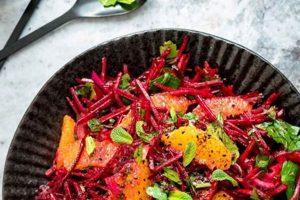
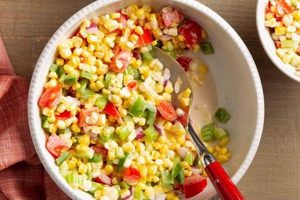
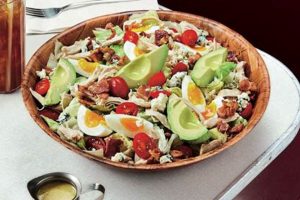
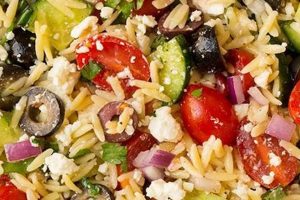
Salads built without lettuce offer a wider range of textures and flavors than traditional lettuce-based salads. These non-lettuce options provide opportunities to explore alternative bases such as shredded cabbage, spinach, kale, or grain-like quinoa and farro. For example, a refreshing summer salad might feature chopped cucumbers, bell peppers, and red onion on a bed of quinoa, dressed with a lemon vinaigrette.
Nutrient-rich and versatile, salads without lettuce can cater to various dietary needs and preferences. These salads can be substantially more filling and offer diverse nutritional profiles compared to lettuce-based counterparts. Historically, the concept of a salad predates the widespread use of lettuce as a primary ingredient. Ancient civilizations often combined available vegetables, grains, and proteins in what would now be considered a salad format, demonstrating the enduring appeal of blended ingredients beyond leafy greens.
This exploration will further examine the advantages of foregoing lettuce, outline various base alternatives, and showcase inspiring recipes that highlight the versatility and deliciousness of salads beyond the traditional leafy green.
Tips for Crafting Delicious Lettuce-Free Salads
Creating vibrant and flavorful salads without lettuce requires a thoughtful approach to ingredient selection and preparation. These tips offer guidance for constructing satisfying and nutritious alternatives.
Tip 1: Embrace Variety in Bases: Explore alternatives such as shredded cabbage, spinach, kale, or grain-like quinoa and farro. Each base contributes unique textures and flavors, expanding culinary horizons.
Tip 2: Prioritize Seasonal Produce: Selecting in-season vegetables ensures optimal flavor and nutritional value. Farmers’ markets offer a bounty of fresh, locally sourced options.
Tip 3: Consider Textural Contrast: Combine crunchy elements like nuts, seeds, or roasted vegetables with softer components such as cooked grains or beans for a balanced and enjoyable eating experience.
Tip 4: Experiment with Flavor Profiles: Explore different cuisines for inspiration. A Thai-inspired salad might include shredded carrots, edamame, and a peanut dressing, while a Mediterranean version could feature chickpeas, olives, and feta cheese.
Tip 5: Don’t Neglect the Dressing: Dressings significantly impact a salad’s overall flavor. Homemade vinaigrettes offer control over ingredients and allow for customization.
Tip 6: Prepping Ingredients Properly: Thoroughly wash and dry all ingredients. Chop vegetables into uniform sizes for even cooking and aesthetic appeal. Grains should be cooked according to package directions.
Tip 7: Balance Flavors: Strive for a balance of sweet, savory, acidic, and bitter flavors. A squeeze of lemon juice can brighten a salad, while a sprinkle of toasted nuts adds a touch of richness.
By following these tips, one can create a wide variety of delicious and nutritious salads that move beyond the limitations of lettuce, opening up a world of culinary possibilities.
These principles form the foundation for successful lettuce-free salad creation, leading to enjoyable and healthful meals.
1. Nutrient-Rich Ingredients

Nutrient-rich ingredients form the foundation of healthy, lettuce-free salads. Focusing on nutrient density elevates these salads from simple side dishes to complete, satisfying meals. Ingredients like kale, spinach, and other leafy greens offer vitamins A and K, crucial for vision and blood clotting. Cruciferous vegetables such as shredded Brussels sprouts or broccoli contribute fiber and glucosinolates, linked to reduced cancer risk. Adding colorful bell peppers introduces vitamin C and antioxidants, while incorporating protein sources like lentils, chickpeas, or grilled chicken ensures satiety and supports muscle health. The careful selection of nutrient-rich ingredients yields salads that promote overall well-being.
The synergy between various nutrient-rich components amplifies the health benefits. For example, pairing iron-rich spinach with vitamin C-rich bell peppers enhances iron absorption. Combining fiber-rich quinoa with healthy fats from avocado or nuts promotes stable blood sugar levels and sustained energy. These synergistic effects highlight the importance of considering the interplay of nutrients within a salad. A salad composed of chopped kale, roasted sweet potatoes, dried cranberries, and toasted pecans, for instance, provides a complex array of vitamins, minerals, antioxidants, and healthy fats.
Prioritizing nutrient-rich ingredients in lettuce-free salads offers significant practical advantages. Such salads contribute to meeting recommended daily intakes of essential nutrients, supporting optimal health and reducing the risk of chronic diseases. Furthermore, these salads offer versatility and culinary creativity. The absence of lettuce allows for broader exploration of textures and flavors, encouraging the incorporation of a wider variety of vegetables, fruits, grains, and proteins. Ultimately, embracing nutrient-rich ingredients allows individuals to create salads that are both delicious and contribute to long-term well-being.
2. Diverse Textures

Texture plays a crucial role in the enjoyment and satisfaction derived from a salad. In the absence of lettuce, exploring diverse textures becomes even more critical to creating a compelling and palatable dish. A variety of textures contributes to a more dynamic and engaging sensory experience, enhancing the overall appeal of a healthy, no-lettuce salad.
- Crunchy Elements:
Crunchy components provide a satisfying contrast to softer ingredients. Examples include toasted nuts (almonds, walnuts, pecans), seeds (pumpkin, sunflower, sesame), raw vegetables (carrots, celery, bell peppers), or roasted chickpeas. These elements contribute not only textural complexity but also added nutrients and flavor.
- Soft Components:
Soft textures offer a counterpoint to crunchier elements. Cooked grains (quinoa, farro, barley), roasted root vegetables (sweet potatoes, beets), or beans (black beans, kidney beans) introduce a creamy or tender dimension to the salad. These ingredients also contribute fiber and sustained energy.
- Chewy Textures:
Chewy textures add another layer of interest. Dried fruits (cranberries, raisins, apricots), sun-dried tomatoes, or marinated artichoke hearts offer a pleasant chewiness that complements both crunchy and soft elements. These additions also provide concentrated bursts of flavor and often contribute valuable nutrients.
- Creamy Components:
Creamy textures contribute richness and bind the salad together. Avocado, crumbled cheese (feta, goat cheese), or a dollop of hummus or tahini dressing introduces a smooth, satisfying element. These ingredients contribute healthy fats, protein, and flavor complexity.
The interplay of these diverse textures elevates a no-lettuce salad from a simple combination of ingredients to a more complex and satisfying culinary experience. The strategic incorporation of crunchy, soft, chewy, and creamy elements ensures a balanced and enjoyable meal that satisfies both nutritional and sensory needs. By focusing on textural diversity, individuals can create salads that are as visually appealing as they are delicious and nutritious.
3. Flavorful Combinations

Flavorful combinations are essential for creating satisfying and healthy no-lettuce salad recipes. The absence of lettuce, often used primarily for texture, necessitates a greater emphasis on the interplay of flavors from other ingredients. A well-balanced flavor profile encourages consumption, contributing to increased intake of essential nutrients found in vegetables, fruits, grains, and proteins. Flavorful combinations also reduce the reliance on high-calorie dressings or toppings, aligning with health-conscious eating patterns. For example, a salad featuring roasted butternut squash, toasted pecans, crumbled goat cheese, and a maple-balsamic vinaigrette offers a balanced interplay of sweet, savory, tangy, and nutty flavors.
Strategic flavor pairings enhance the sensory experience of these salads. Contrasting flavors, such as pairing sweet roasted carrots with tangy citrus vinaigrette, create a dynamic and appealing taste profile. Complementary flavors, such as combining earthy mushrooms with robust herbs like thyme or rosemary, deepen and enrich the overall flavor. Building layers of flavor through the use of fresh herbs, spices, citrus zest, or infused oils elevates the salad beyond a simple combination of ingredients. The practical application of these principles involves considering the flavor profiles of individual components and how they interact within the salad as a whole. A salad composed of grilled halloumi cheese, watermelon, mint, and a lime dressing exemplifies a successful interplay of salty, sweet, refreshing, and tangy flavors.
The ability to create flavorful combinations within no-lettuce salads provides significant advantages. It allows for greater dietary variety and encourages exploration of different cuisines and flavor profiles. Furthermore, it contributes to long-term dietary adherence by making healthy eating enjoyable and sustainable. One potential challenge lies in balancing flavor complexity with dietary restrictions or personal preferences. However, understanding the principles of flavor combination empowers individuals to adapt recipes and create salads that cater to specific needs while remaining delicious and nutritious. Ultimately, mastering the art of flavor combination is key to unlocking the full potential of healthy, no-lettuce salads.
4. Creative Base Alternatives

Creative base alternatives are fundamental to expanding the possibilities of healthy, no-lettuce salad recipes. Moving beyond traditional lettuce allows for greater nutritional diversity, textural variety, and flavor exploration. These alternatives offer opportunities to create salads that are not only visually appealing but also nutrient-dense and satisfying.
- Grains:
Grains like quinoa, farro, and barley offer a hearty and nutritious base. Quinoa, a complete protein source, provides all nine essential amino acids. Farro, with its nutty flavor and chewy texture, adds depth and complexity. Barley, rich in fiber, contributes to digestive health. These grains transform salads into substantial meals, ideal for lunch or a light dinner. A quinoa salad with roasted vegetables and feta cheese exemplifies this concept.
- Leafy Greens Beyond Lettuce:
Leafy greens such as spinach, kale, and arugula offer nutritional benefits and diverse flavors. Spinach, rich in iron and vitamins, provides a mild base. Kale, packed with antioxidants, offers a slightly bitter and robust flavor. Arugula, with its peppery taste, adds a zesty dimension. These greens can be massaged or finely chopped to enhance their texture and palatability. A kale salad with roasted sweet potatoes and a tahini dressing illustrates this alternative.
- Shredded Vegetables:
Shredded vegetables like cabbage, carrots, Brussels sprouts, and broccoli stems introduce textural variety and nutritional value. Cabbage, with its crunchy texture, provides a refreshing base. Carrots, rich in beta-carotene, add sweetness and color. Shredded Brussels sprouts offer a slightly bitter and nutty flavor. These options add volume and complexity to salads. A shredded Brussels sprouts salad with dried cranberries and toasted almonds exemplifies this approach.
- Legumes:
Legumes such as lentils and chickpeas offer a protein-rich and fiber-packed base. Lentils, available in various colors and sizes, provide earthy flavors and a satisfying chew. Chickpeas, versatile and readily available, contribute a creamy texture and nutty taste. These legumes transform salads into complete protein sources, particularly beneficial for vegetarian and vegan diets. A lentil salad with chopped cucumbers, tomatoes, and a lemon-herb vinaigrette demonstrates this concept.
By incorporating these creative base alternatives, individuals can elevate their salad creations beyond the limitations of lettuce. These alternatives contribute to a more diverse and nutritious diet, offering a wider range of flavors, textures, and health benefits. The versatility of these bases allows for endless culinary exploration and customization, ensuring that healthy eating remains enjoyable and sustainable.
5. Wholesome Dressings
Wholesome dressings are integral to healthy, no-lettuce salad recipes. Dressings contribute significantly to flavor, texture, and overall enjoyment, influencing palatability and, consequently, consumption of nutrient-rich ingredients. While store-bought dressings often contain excessive amounts of added sugars, unhealthy fats, and artificial ingredients, wholesome dressings prioritize natural components and offer nutritional benefits. Understanding the components and impact of wholesome dressings is essential for maximizing the health potential of these salads.
- Homemade Vinaigrettes:
Homemade vinaigrettes offer control over ingredients and nutritional content. A simple vinaigrette consists of oil, vinegar, and seasonings. Olive oil provides monounsaturated fats, while vinegars like apple cider or balsamic contribute antioxidants. Flavor variations can be achieved through herbs, spices, citrus zest, or Dijon mustard. A lemon-herb vinaigrette, for example, complements Mediterranean-inspired salads, while a maple-balsamic vinaigrette enhances roasted vegetable salads. Controlling ingredients allows for customization based on dietary needs and flavor preferences.
- Tahini-Based Dressings:
Tahini, a paste made from sesame seeds, offers a creamy and nutrient-rich base for dressings. Tahini provides healthy fats, protein, and minerals like calcium and iron. Combined with lemon juice, garlic, and water, it creates a versatile dressing suitable for salads featuring roasted vegetables, chickpeas, or falafel. Flavor variations can include roasted red peppers, cilantro, or cumin. Tahini-based dressings contribute to a more substantial and satisfying salad experience.
- Avocado Dressings:
Avocado offers a creamy and healthy alternative to mayonnaise-based dressings. Rich in monounsaturated fats, fiber, and vitamins, avocado creates a smooth and flavorful dressing when blended with lime juice, cilantro, and water. This dressing complements salads with Southwestern or Mexican-inspired flavors. Variations can include jalapeo, cumin, or red onion. Avocado dressings contribute healthy fats and enhance the richness of a salad.
- Yogurt-Based Dressings:
Plain yogurt, particularly Greek yogurt, provides a protein-rich and tangy base for dressings. Greek yogurt offers probiotics, which support gut health. Combined with herbs, lemon juice, and garlic, it creates a light and refreshing dressing suitable for salads featuring cucumbers, tomatoes, and herbs. Variations can include dill, mint, or chives. Yogurt-based dressings offer a lighter alternative to creamy dressings while contributing protein and probiotics.
The selection of a wholesome dressing elevates the nutritional profile and flavor complexity of healthy, no-lettuce salads. By prioritizing natural ingredients and avoiding excessive added sugars and unhealthy fats, these dressings enhance the overall health benefits of the salad. The versatility of homemade dressings allows for customization and creativity, ensuring that healthy eating remains enjoyable and sustainable. The careful consideration of dressing choices contributes significantly to the overall success and health impact of no-lettuce salad recipes.
6. Seasonal Produce

Seasonal produce plays a vital role in optimizing the nutritional value, flavor profile, and overall quality of healthy, no-lettuce salad recipes. Prioritizing seasonal ingredients ensures access to fruits and vegetables at their peak ripeness, maximizing nutrient content and offering the most vibrant flavors. This approach also supports local agriculture and reduces the environmental impact associated with long-distance transportation and storage.
- Enhanced Nutritional Value:
Fruits and vegetables harvested in season generally possess higher nutrient content compared to those grown out of season. This is because produce allowed to ripen naturally on the vine or plant receives optimal sunlight and nutrient uptake from the soil. Consuming seasonal produce contributes to increased intake of essential vitamins, minerals, and antioxidants, crucial for maintaining optimal health. For example, tomatoes harvested during summer months contain higher levels of lycopene, a powerful antioxidant.
- Superior Flavor and Texture:
Seasonal produce offers superior flavor and texture compared to out-of-season alternatives. Fruits and vegetables allowed to ripen naturally develop more complex flavor profiles and desirable textures. This enhances the overall palatability and enjoyment of salads, making them more appealing and satisfying. In-season berries, for instance, offer a burst of sweetness and juiciness rarely found in out-of-season counterparts. This heightened flavor experience contributes to greater satisfaction and encourages consumption of nutrient-rich foods.
- Economic and Environmental Benefits:
Choosing seasonal produce often translates to lower costs, as in-season fruits and vegetables are typically more abundant and readily available. Supporting local farmers’ markets and seasonal agriculture reduces reliance on long-distance transportation, minimizing the carbon footprint associated with food production and distribution. This contributes to a more sustainable food system and benefits the local economy. Purchasing seasonal produce directly from farmers also ensures freshness and quality.
- Culinary Inspiration and Variety:
Seasonal produce provides a constant source of culinary inspiration and encourages variety in salad creations. The changing availability of different fruits and vegetables throughout the year prompts experimentation with new flavor combinations and textures. This prevents culinary monotony and encourages exploration of diverse ingredients, contributing to a more balanced and exciting dietary experience. Embracing seasonal ingredients fosters creativity and allows for continuous adaptation of salad recipes based on available produce.
Integrating seasonal produce into healthy, no-lettuce salad recipes maximizes nutritional value, flavor, and sustainability. This approach elevates salads from basic meals to vibrant, nutrient-packed culinary experiences that benefit both individual well-being and the environment. By aligning salad choices with the natural rhythm of the seasons, individuals can cultivate a deeper appreciation for the interconnectedness of food, health, and the environment.
7. Dietary Adaptability

Dietary adaptability is a crucial aspect of healthy, no-lettuce salad recipes. These salads offer inherent flexibility, accommodating various dietary needs and preferences without compromising nutritional value or flavor. This adaptability stems from the wide range of ingredients that can be incorporated beyond lettuce, allowing for customization based on individual requirements. Exploring this adaptability demonstrates the versatility and inclusivity of these salads.
- Vegetarian and Vegan Diets:
No-lettuce salads easily adapt to vegetarian and vegan diets. Legumes such as lentils, chickpeas, and black beans provide plant-based protein, while tofu and tempeh offer additional options. Nuts, seeds, and avocado contribute healthy fats and essential nutrients. Avoiding animal products like cheese and meat allows for complete adherence to these dietary patterns. A quinoa salad with roasted vegetables, chickpeas, and a tahini dressing exemplifies a vegan-friendly option.
- Gluten-Free Diets:
Gluten-free diets require careful selection of ingredients. No-lettuce salads inherently avoid gluten-containing grains like wheat and barley. Using naturally gluten-free grains like quinoa, rice, or buckwheat as a base ensures compliance. Attention must also be paid to dressings and other additions, ensuring they are certified gluten-free or made with gluten-free ingredients. A rice-based salad with grilled chicken, avocado, and a lime vinaigrette demonstrates a gluten-free adaptation.
- Low-Carbohydrate Diets:
Low-carbohydrate diets prioritize non-starchy vegetables and limit grains. No-lettuce salads easily accommodate this approach by emphasizing leafy greens like spinach or kale, cruciferous vegetables like broccoli or cauliflower, and other low-carbohydrate options like cucumbers, bell peppers, and mushrooms. Limiting or omitting higher-carbohydrate ingredients like grains and dried fruits aligns with these dietary restrictions. A salad featuring mixed greens, grilled salmon, avocado, and a lemon vinaigrette exemplifies a low-carbohydrate option.
- Food Allergies and Intolerances:
Food allergies and intolerances require careful ingredient selection and preparation. The customizable nature of no-lettuce salads allows for omission of specific allergens or intolerances. For example, individuals with nut allergies can exclude nuts and seeds, while those with dairy intolerances can opt for dairy-free cheese alternatives or omit cheese altogether. Careful attention must be paid to cross-contamination during preparation. A salad composed of spinach, roasted sweet potatoes, chickpeas, and a lemon-herb vinaigrette can be adapted to exclude specific allergens based on individual needs.
The adaptability of healthy, no-lettuce salad recipes to various dietary needs and preferences makes them a valuable component of inclusive and health-conscious meal planning. This versatility allows individuals to adhere to specific dietary restrictions without sacrificing flavor, nutritional value, or enjoyment. The inherent flexibility of these salads reinforces their role as customizable and accessible meals for a diverse range of individuals.
Frequently Asked Questions
This section addresses common inquiries regarding the creation and consumption of healthy, no-lettuce salads.
Question 1: Are no-lettuce salads as nutritious as traditional lettuce-based salads?
Nutrient content depends on ingredient selection. No-lettuce salads offer opportunities to incorporate more nutrient-dense vegetables, grains, and proteins, potentially exceeding the nutritional value of lettuce-based salads. Focus on diverse, nutrient-rich ingredients.
Question 2: How can substantial salads be created without lettuce?
Incorporating ingredients such as cooked grains (quinoa, farro), legumes (lentils, chickpeas), roasted vegetables, or lean protein sources creates satisfying and filling salads without relying on lettuce as a base. These ingredients contribute protein, fiber, and complex carbohydrates for sustained satiety.
Question 3: What are suitable alternatives to lettuce for salad bases?
Numerous alternatives exist, including spinach, kale, arugula, shredded cabbage, or grain-like quinoa and farro. These alternatives provide diverse textures, flavors, and nutritional benefits. Selection depends on individual preferences and desired salad profile.
Question 4: Can flavorful salads be created without relying on high-calorie dressings?
Absolutely. Flavorful combinations can be achieved through strategic use of herbs, spices, citrus zest, and infused oils. Homemade vinaigrettes using quality oils and vinegars offer healthy and flavorful options. Balancing sweet, savory, acidic, and bitter flavors enhances the overall taste experience.
Question 5: How can no-lettuce salads be adapted for various dietary restrictions?
The adaptable nature of these salads allows for easy modification. Vegetarian and vegan options can incorporate plant-based proteins like legumes, tofu, or tempeh. Gluten-free versions utilize gluten-free grains. Ingredient selection allows for customization based on individual dietary needs.
Question 6: How can one ensure food safety when preparing no-lettuce salads?
Thoroughly washing all produce, especially if consumed raw, is paramount. Proper storage of ingredients and maintaining appropriate temperatures during preparation and serving prevent bacterial growth. Adhering to safe food handling practices minimizes risks.
Prioritizing ingredient diversity, balanced flavor profiles, and proper food handling techniques maximizes the nutritional benefits and enjoyment of healthy, no-lettuce salads.
The following section will explore specific no-lettuce salad recipes showcasing the practical application of these principles.
Conclusion
Exploration of non-lettuce salad variations reveals significant potential for enhancing nutritional intake and culinary experiences. Emphasizing diverse ingredients like grains, legumes, and a wide array of vegetables expands textural and flavor profiles beyond traditional lettuce-based limitations. Strategic incorporation of wholesome dressings and seasonal produce further elevates nutritional value and taste. Adaptability to various dietary restrictions underscores the inclusive nature of these salads, catering to diverse needs and preferences. Careful consideration of ingredient combinations, textures, and flavors unlocks the full potential of nutrient-rich, satisfying meals.
The culinary landscape offers boundless opportunities for creative expression through non-lettuce salads. Continued exploration and experimentation with diverse ingredients, flavors, and textures promise further innovation within this evolving culinary space. Embracing these alternatives fosters a deeper appreciation for the versatility and health benefits achievable through creative salad composition, contributing to a more vibrant and nutritious dietary experience.