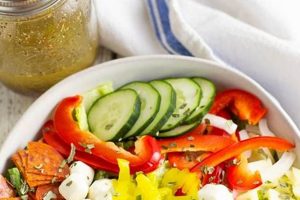
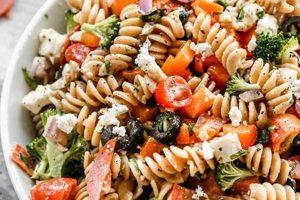
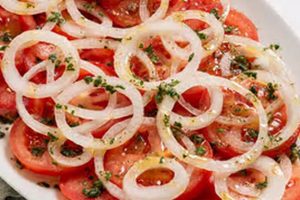
Exceptional salads featuring fresh, seasonal produce harvested directly from a garden offer a delightful culinary experience. Imagine a vibrant mix of crisp lettuce, juicy tomatoes still warm from the sun, and fragrant herbs, all combined to create a symphony of flavors. This exemplifies the essence of superior, garden-sourced salads.
Prioritizing fresh, homegrown ingredients not only elevates flavor profiles but also offers significant nutritional benefits. Garden-fresh produce boasts higher vitamin and mineral content compared to store-bought counterparts, often picked before peak ripeness. Historically, kitchen gardens have played a vital role in providing sustenance and promoting healthy diets across cultures. This tradition continues to resonate today as individuals seek to reconnect with their food sources and prioritize wholesome eating.
This exploration will delve into various factors contributing to exceptional garden salads, including optimal ingredient selection, creative flavor combinations, and effective salad composition techniques. Further discussion will encompass the benefits of organic gardening practices and offer practical tips for cultivating a thriving salad garden.
Tips for Creating Exceptional Garden Salads
Optimizing flavor and nutritional value in garden salads requires careful consideration of ingredient selection, preparation techniques, and balanced flavor combinations. The following tips offer guidance for crafting truly remarkable salads.
Tip 1: Harvest produce at peak ripeness. Flavor and nutrient content are maximized when vegetables and herbs are harvested at their optimal maturity. This often means picking them just before consumption.
Tip 2: Prioritize diversity. Incorporating a variety of textures, colors, and flavors enhances both the nutritional value and sensory experience. Consider mixing leafy greens with crunchy vegetables, soft herbs, and edible flowers.
Tip 3: Employ proper washing and drying techniques. Thoroughly washing produce removes soil and potential contaminants, while proper drying prevents sogginess and helps dressings adhere evenly.
Tip 4: Explore creative flavor pairings. Experiment with different herb and vegetable combinations to discover unique and complementary flavor profiles. Consider incorporating less common ingredients like nasturtiums or radish pods.
Tip 5: Balance flavors effectively. A well-balanced salad incorporates sweet, sour, salty, bitter, and umami elements. Consider adding a touch of sweetness with fruits, acidity with vinegar, and saltiness with cheese or olives.
Tip 6: Dress strategically. Dressings should complement, not overpower, the salad’s flavors. Lightly coat the ingredients just before serving to prevent wilting.
Tip 7: Consider seasonal variations. Adapt salad recipes to utilize the freshest produce available throughout the year. Embrace the unique flavors offered by each season.
By adhering to these guidelines, one can consistently create flavorful, nutritious, and visually appealing salads that showcase the bounty of a thriving garden.
These tips provide a foundation for crafting exceptional garden salads. Further exploration will delve into specific recipe examples and techniques for maximizing the potential of garden-fresh ingredients.
1. Fresh, Seasonal Ingredients
The foundation of exceptional garden salads lies in the utilization of fresh, seasonal ingredients. Peak-season produce offers superior flavor and nutritional value compared to out-of-season alternatives often subjected to long-distance transport and storage. A salad composed of freshly picked tomatoes, still warm from the sun, and fragrant basil harvested moments before consumption exemplifies this principle. The inherent sweetness and vibrant aroma of these ingredients, amplified by their peak ripeness, contribute significantly to the salad’s overall quality. This connection between freshness and flavor underscores the importance of seasonality in crafting truly remarkable salads.
Consider the difference between a winter tomato shipped from afar and a locally grown, sun-ripened summer tomato. The latter bursts with flavor and juiciness, offering a sensory experience unmatched by its winter counterpart. This disparity highlights the practical significance of prioritizing seasonal ingredients. Accessing locally sourced, peak-season produce empowers individuals to elevate their salads from ordinary to extraordinary. Farmers’ markets, community-supported agriculture programs, and personal gardens provide avenues for obtaining these superior ingredients. Utilizing seasonal produce also aligns with sustainable practices by reducing transportation distances and supporting local agriculture.
Seasonality offers not only enhanced flavor but also an opportunity for culinary exploration. Each season presents a unique array of fruits, vegetables, and herbs, encouraging creativity and variety in salad preparation. Embracing this seasonality expands one’s culinary repertoire and fosters an appreciation for the natural rhythms of food production. The ability to adapt salad recipes to utilize the freshest available ingredients represents a key characteristic of successful garden salad creation. This adaptability ensures consistently delicious and nutritious salads throughout the year, reflecting the dynamic nature of seasonal availability.
2. Balanced Flavor Profiles

Balanced flavor profiles are crucial to achieving truly exceptional garden salads. A harmonious blend of sweet, sour, salty, bitter, and umami elements elevates a salad from simply palatable to genuinely delightful. This balance prevents any single flavor from dominating, creating a complex and satisfying taste experience. Consider a salad combining the sweetness of ripe strawberries, the tanginess of balsamic vinegar, the saltiness of feta cheese, the bitterness of arugula, and the umami of toasted walnuts. This interplay of flavors creates a symphony on the palate, showcasing the power of balanced flavor composition.
The absence of balanced flavors can result in a less satisfying culinary experience. A salad overly reliant on sweetness, for instance, might lack complexity and depth. Similarly, an excess of bitterness could render the salad unappetizing. The careful orchestration of flavors, however, transforms individual ingredients into a cohesive and delightful whole. This principle applies not only to the selection of ingredients but also to the proportions in which they are combined. A small quantity of a strong-flavored ingredient, such as a sharp cheese or pungent herb, can significantly impact the overall flavor profile. Conversely, milder ingredients may require larger quantities to contribute effectively to the balance.
Mastering balanced flavor profiles represents a significant step towards crafting outstanding garden salads. This understanding empowers individuals to experiment with diverse ingredients and create unique flavor combinations. The practical application of this knowledge involves not only ingredient selection but also the careful adjustment of seasonings and dressings. A well-balanced salad exemplifies culinary artistry, transforming simple garden produce into a truly memorable dining experience.
3. Varied Textures and Colors
Visual appeal plays a significant role in the overall enjoyment of food. In the context of garden salads, varied textures and colors contribute substantially to an enhanced sensory experience. This aspect elevates a salad from merely nutritious to genuinely appealing, encouraging consumption and appreciation. The strategic incorporation of diverse textures and colors represents a key element distinguishing exceptional garden salads.
- Textural Contrast
A combination of crisp, crunchy, soft, and chewy elements adds complexity and interest to a salad. Imagine a salad juxtaposing the crispness of romaine lettuce with the crunch of cucumber, the softness of avocado, and the chewiness of sun-dried tomatoes. This interplay of textures creates a dynamic mouthfeel, enhancing the overall dining experience. A monotonous texture, conversely, can lead to a less satisfying sensory perception.
- Color Palette
A vibrant array of colors not only enhances visual appeal but also signifies a broader range of nutrients. Deep green spinach, bright red tomatoes, vibrant orange carrots, and rich purple cabbage contribute not only to an aesthetically pleasing salad but also suggest a diversity of vitamins and antioxidants. A monochromatic salad, while potentially nutritious, might appear less enticing.
- Visual Interest
The strategic arrangement of ingredients contributes significantly to a salad’s visual appeal. Consider a salad where ingredients are thoughtfully placed, creating a visually engaging composition. This attention to detail transforms a simple salad into a work of culinary art, enhancing its perceived value and enjoyment. Conversely, a haphazard arrangement might diminish the salad’s aesthetic impact.
- Ingredient Size and Shape
Varying the size and shape of ingredients further enhances visual and textural diversity. A mix of large, leafy greens, smaller chopped vegetables, and thin slivers of herbs or vegetables creates a more dynamic presentation. This variation prevents visual monotony and offers a more engaging dining experience.
The interplay of textures and colors significantly influences the overall perception and enjoyment of a garden salad. These elements, combined with fresh, seasonal ingredients and balanced flavor profiles, elevate a salad from a simple side dish to a culinary centerpiece. Attention to these details distinguishes exceptional garden salads, transforming them into visually appealing and texturally satisfying culinary creations.
4. Complementary Dressings
Complementary dressings play a pivotal role in achieving truly exceptional garden salads. A well-chosen dressing enhances the inherent flavors of fresh, seasonal produce without overpowering the delicate balance achieved through careful ingredient selection. The relationship between dressing and salad ingredients is symbiotic; the dressing should complement, not mask, the flavors of the salad components. For example, a light vinaigrette with a touch of lemon and herbs perfectly complements a salad featuring delicate greens, fresh berries, and crumbled goat cheese. Conversely, a heavy, creamy dressing might overwhelm the subtle flavors of such a salad. The practical significance of this understanding lies in the ability to select or create dressings that harmonize with the specific ingredients of a given salad, thereby elevating the overall dining experience.
The wrong dressing can detract significantly from a salad’s potential. A heavy, overly sweet dressing, for instance, might obscure the fresh, vibrant flavors of a spring salad featuring tender greens and delicate herbs. Similarly, a vinaigrette with strong vinegar notes could clash with the sweetness of a summer salad highlighting ripe fruits and berries. Achieving a harmonious balance requires careful consideration of the flavor profiles of both the salad ingredients and the dressing components. This attention to detail distinguishes exceptional garden salads, demonstrating an understanding of the interplay between flavors and the ability to create a unified and delightful culinary experience.
Successful garden salad preparation hinges on a thorough understanding of the role and impact of complementary dressings. This knowledge empowers individuals to select or create dressings that not only enhance flavor but also contribute to the overall balance and harmony of the salad. Challenges might include balancing the acidity, sweetness, and saltiness of a dressing to match the specific salad ingredients. Overcoming such challenges, however, yields substantial rewards in the form of truly exceptional garden salads that exemplify culinary artistry and a deep appreciation for fresh, seasonal produce.
5. Proper Ingredient Preparation

Proper ingredient preparation constitutes a critical foundation for exceptional garden salads. The manner in which ingredients are handled directly impacts the final dish’s flavor, texture, and overall quality. Careful attention to preparation details elevates a salad from ordinary to extraordinary, showcasing the inherent qualities of fresh, garden-sourced produce.
- Washing and Drying
Thorough washing removes soil, debris, and potential contaminants, ensuring food safety and optimal flavor. Gentle handling during washing prevents bruising delicate greens. Proper drying, ideally using a salad spinner, removes excess moisture, preventing sogginess and ensuring dressings adhere evenly. A salad incorporating improperly washed or dried ingredients might exhibit unpleasant grit or a diluted, watery flavor.
- Cutting and Chopping
Uniformity in cutting and chopping ensures even cooking (when applicable) and enhances visual appeal. Consistent bite-sized pieces contribute to a pleasant eating experience. For example, unevenly chopped vegetables can lead to some pieces being overdressed while others remain underdressed. Appropriate knife skills and attention to detail are essential for optimal ingredient preparation.
- Herb Handling
Delicate herbs require specific handling to preserve their flavor and texture. Gentle tearing or chopping prevents bruising and releases aromatic oils. Adding herbs at the last minute preserves their freshness and vibrancy. Wilted or bruised herbs can impart a less desirable flavor and detract from the salad’s overall quality.
- Timing Considerations
Certain ingredients, such as avocados or apples, are susceptible to browning after being cut. Preparing these ingredients immediately before serving or utilizing techniques like lemon juice application prevents oxidation and maintains visual appeal. Prematurely prepared ingredients can detract from both the aesthetic and flavor profiles of the final dish.
These aspects of proper ingredient preparation contribute significantly to the creation of exceptional garden salads. Attention to detail in these seemingly small steps yields noticeable improvements in the final product. The careful handling of ingredients maximizes flavor, optimizes texture, and ensures a visually appealing and enjoyable dining experience. This meticulous approach distinguishes truly exceptional garden salads, highlighting the importance of proper ingredient preparation as a foundational element of culinary excellence.
6. Creative Flavor Combinations

The pursuit of exceptional garden salads necessitates exploration beyond conventional flavor pairings. Creative flavor combinations elevate salads from predictable to extraordinary, transforming simple ingredients into memorable culinary experiences. This exploration delves into the multifaceted nature of flavor combinations within the context of garden salad creation, highlighting the transformative potential of innovative pairings.
- Unexpected Pairings
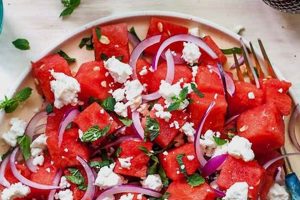
Juxtaposing seemingly disparate flavors can yield surprisingly delightful results. Consider the combination of watermelon and feta cheese, where the sweetness of the melon is balanced by the salty tang of the cheese. Similarly, the pairing of roasted beets with oranges offers a compelling interplay of earthy and citrus notes. Such unexpected combinations add complexity and intrigue to garden salads, expanding the boundaries of traditional flavor profiles.
- Herbs and Spices
The strategic use of herbs and spices significantly influences a salad’s flavor profile. Fresh herbs, such as mint, basil, or cilantro, add brightness and complexity. Spices, like cumin, coriander, or smoked paprika, introduce depth and warmth. The careful selection and combination of herbs and spices allow for nuanced flavor development, transforming a simple salad into a multi-sensory experience. For example, a salad featuring grilled peaches, burrata cheese, and fresh mint offers a refreshing and aromatic combination. Alternatively, a salad combining roasted vegetables, toasted nuts, and a sprinkle of smoked paprika provides a warm and savory experience.
- Textural Elements
Flavor combinations extend beyond taste to encompass textural elements. The interplay of crunchy, creamy, and chewy components adds another dimension to the sensory experience. Toasted nuts or seeds provide crunch, while creamy cheeses or avocados contribute richness. Sun-dried tomatoes or dried cranberries offer a chewy counterpoint. This textural diversity enhances the overall enjoyment of a garden salad, transforming it into a more dynamic and engaging culinary creation.
- Global Influences
Drawing inspiration from diverse culinary traditions expands the possibilities for creative flavor combinations. Asian-inspired salads might incorporate ingredients like ginger, soy sauce, and sesame oil. Mediterranean salads often feature olives, feta cheese, and oregano. Exploring global cuisines provides a rich source of inspiration for innovative flavor pairings, allowing for the creation of unique and exciting garden salads. A Thai-inspired salad, for instance, might combine shredded cabbage, carrots, peanuts, and a lime-ginger dressing, offering a vibrant and flavorful experience.
Creative flavor combinations constitute a defining characteristic of exceptional garden salads. The thoughtful integration of unexpected pairings, herbs and spices, textural elements, and global influences transforms simple garden produce into truly memorable culinary creations. This exploration of flavor combinations underscores the potential for innovation and creativity within the realm of garden salad preparation, demonstrating that even the simplest of ingredients can be elevated to extraordinary heights through thoughtful and imaginative pairings.
Frequently Asked Questions
This section addresses common inquiries regarding the creation of superior garden salads, offering practical guidance and clarifying potential misconceptions.
Question 1: How does one prevent a garden salad from becoming soggy?
Thorough drying of ingredients after washing is crucial. Utilizing a salad spinner effectively removes excess moisture. Additionally, dressing the salad immediately before serving prevents premature wilting.
Question 2: What are optimal storage methods for maintaining garden salad freshness?
Storing freshly washed greens in an airtight container lined with paper towels helps maintain crispness. Storing dressings separately and adding them just before serving further preserves freshness.
Question 3: Can garden salads be prepared in advance?
While some components can be prepared ahead of time, it is generally recommended to assemble the salad as close to serving time as possible to maintain optimal texture and flavor. Heartier vegetables can be chopped in advance, but delicate greens and herbs are best added just before serving.
Question 4: What are effective strategies for balancing flavor profiles in a garden salad?
A balanced salad incorporates a variety of flavors: sweetness, sourness, saltiness, bitterness, and umami. Consider incorporating ingredients representing each flavor category to achieve a harmonious balance. Start with a base of mild greens, add sweet elements like fruits or roasted vegetables, incorporate tangy components like vinegar or citrus, include salty elements like cheese or olives, introduce bitterness with ingredients like arugula or radicchio, and enhance umami with ingredients like nuts, seeds, or mushrooms.
Question 5: How can one maximize the nutritional value of a garden salad?
Prioritizing a variety of colorful vegetables and incorporating nutrient-rich additions like nuts, seeds, and lean proteins maximizes nutritional value. Utilizing dark leafy greens, such as spinach or kale, and incorporating a variety of colors, such as red peppers, orange carrots, and purple cabbage, ensures a broader spectrum of vitamins and antioxidants.
Question 6: What are some effective techniques for incorporating herbs into garden salads?
Fresh herbs significantly enhance the flavor and aroma of garden salads. Adding delicate herbs, such as basil or mint, just before serving preserves their freshness. Heartier herbs, like rosemary or thyme, can be added during earlier stages of preparation. Experimenting with different herb combinations allows for the discovery of unique flavor profiles.
Understanding these key aspects of garden salad preparation contributes to consistently creating flavorful, nutritious, and visually appealing salads. The information provided offers practical guidance for maximizing the potential of garden-fresh produce.
This FAQ section provides a foundation for understanding key considerations in garden salad preparation. Further exploration will delve into specific recipe examples and advanced techniques for maximizing the potential of garden-fresh ingredients.
Conclusion
Exceptional garden salads represent a culmination of several key factors. Fresh, seasonal ingredients provide the foundation, offering optimal flavor and nutritional value. Balanced flavor profiles, achieved through the careful integration of sweet, sour, salty, bitter, and umami elements, elevate salads beyond basic sustenance. Varied textures and colors enhance sensory appeal, while complementary dressings unify and amplify the inherent flavors of the ingredients. Proper ingredient preparation, including meticulous washing, drying, and chopping techniques, ensures optimal texture and maximizes flavor. Finally, creative flavor combinations, achieved through the exploration of herbs, spices, and unexpected pairings, distinguish truly exceptional salads. These elements, when thoughtfully combined, transform simple garden produce into culinary masterpieces.
The pursuit of superior garden salads extends beyond mere sustenance; it represents a celebration of fresh, seasonal ingredients and a commitment to culinary excellence. This pursuit encourages a deeper appreciation for the natural world and the bounty it provides. Continued exploration of ingredient combinations, flavor profiles, and preparation techniques allows for constant evolution and refinement within the realm of garden salad creation, offering endless possibilities for culinary innovation and enjoyment.