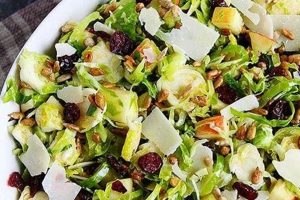
A dish featuring the citrus fruit pomelo as its central ingredient, often combined with other fresh produce, herbs, and a flavorful dressing, exemplifies a vibrant and refreshing culinary creation. Variations abound, incorporating diverse ingredients such as shrimp, chicken, or other fruits to complement the pomelo’s unique flavor profile. For example, a common preparation involves segments of pomelo tossed with shredded carrots, mint, cilantro, and a dressing made with lime juice, fish sauce, and chili.
Dishes centered around this citrus fruit offer several advantages. The pomelo’s high vitamin C content contributes to immune health, while its fiber promotes digestion. Its subtly sweet and tangy taste adds a refreshing element to meals, making it a popular choice in various cuisines, particularly in Southeast Asia. Historically, pomelos have held cultural significance, symbolizing prosperity and good fortune in some regions. This rich history intertwines with culinary traditions, resulting in a wide array of preparations, from simple salads to more elaborate dishes.
This exploration will further delve into the art of crafting these culinary gems, covering topics such as selecting ripe pomelos, preparing them for consumption, and developing complementary flavor combinations. It will also address variations suited to different dietary needs and preferences, offering a comprehensive guide to enjoying this versatile fruit.
Tips for Crafting Exquisite Pomelo Salads
Achieving optimal flavor and texture requires attention to detail throughout the preparation process. The following guidance offers valuable insights for creating exceptional dishes featuring this distinctive citrus.
Tip 1: Selecting Optimal Fruit: Ripe pomelos should feel heavy for their size and have a slight give when gently squeezed. Avoid fruit with soft spots or blemishes.
Tip 2: Mastering Pomelo Preparation: Segmenting the fruit properly is crucial. Remove the thick rind and pith, ensuring only the juicy vesicles remain. This prevents bitterness and enhances the overall taste.
Tip 3: Balancing Flavor Profiles: The pomelo’s inherent sweetness and tartness provide a foundation for diverse flavor combinations. Consider incorporating ingredients that complement these notes, such as herbs like mint and cilantro, or spices like chili and ginger.
Tip 4: Enhancing Texture: Adding textural contrast elevates the sensory experience. Toasted nuts, shredded coconut, or crispy shallots provide satisfying crunch.
Tip 5: Dressing Selection and Application: The dressing should enhance, not overpower, the pomelo’s flavor. Light, vibrant dressings made with lime juice, fish sauce, and a touch of sweetness work exceptionally well. Dress the salad just before serving to prevent the segments from becoming soggy.
Tip 6: Proper Storage: Prepared pomelo segments can be stored in an airtight container in the refrigerator for up to two days, though consuming them fresh is recommended for optimal flavor and texture.
Tip 7: Creative Ingredient Incorporation: Explore beyond traditional ingredients. Consider adding proteins like grilled shrimp or shredded chicken, or other fruits such as mango or papaya for a more complex flavor profile.
By adhering to these guidelines, one can consistently create dishes that showcase the pomelo’s unique qualities, resulting in a delightful culinary experience.
These tips lay the groundwork for further exploration of specific variations and techniques. The following sections will delve into detailed recipes and advanced preparation methods.
1. Fresh, Ripe Pomelo

The foundation of any successful pomelo salad recipe lies in the selection of a fresh, ripe pomelo. This crucial ingredient dictates the overall flavor and textural experience of the dish. Understanding the characteristics of optimal ripeness and the impact on the final product is essential for culinary success.
- Indicators of Ripeness
Several factors indicate a pomelo’s ripeness. A heavy weight relative to size suggests ample juice content. The rind should have a slight give when gently pressed, but not feel soft or spongy. A fragrant aroma emanating from the skin further signifies ripeness. Avoiding fruit with blemishes, soft spots, or discoloration is crucial, as these indicate spoilage or damage.
- Impact on Flavor
A ripe pomelo offers a delicate balance of sweetness and tartness. Underripe fruit tends to be excessively sour, while overripe fruit loses its characteristic tang and develops an unpleasant sweetness. This balance is crucial for achieving the desired flavor profile in a salad, where the pomelo often serves as the primary flavor component. An unripe pomelo can negatively impact the entire dish, while an overripe one lacks the refreshing zest essential for a balanced salad.
- Textural Implications
Ripeness significantly influences texture. A ripe pomelo exhibits juicy, firm segments that hold their shape well when combined with other ingredients. Conversely, underripe fruit has tough, dry segments, while overripe fruit becomes mushy and loses its structural integrity. This textural difference affects the salad’s overall appeal. Firm segments provide a pleasant contrast against other ingredients, whereas excessively soft or tough segments detract from the eating experience.
- Shelf Life and Storage
Proper storage maintains peak freshness. Ripe pomelos should be stored at room temperature for a few days or refrigerated for up to a week. Cut pomelo segments should be refrigerated in an airtight container and consumed within two days. Proper storage ensures the fruit remains at its optimal quality for recipe preparation. Using properly stored fruit maintains the desired flavor and texture, preventing spoilage and ensuring a successful salad.
The selection and handling of a fresh, ripe pomelo directly influence the final quality of a pomelo salad. Attention to these details ensures the desired flavor, texture, and overall enjoyment of the dish, highlighting the importance of this foundational ingredient.
2. Balancing Flavors

Balancing flavors forms a cornerstone of successful pomelo salad recipes. The pomelo’s inherent sweet-tart profile necessitates careful consideration of complementary ingredients and their respective flavor contributions. This balance prevents any single flavor from dominating, resulting in a harmonious and nuanced culinary experience. A dish lacking this balance may taste overly sweet, excessively tart, or bland. The interplay of flavors elevates the dish beyond the sum of its parts, creating a more complex and satisfying sensory experience.
Consider a pomelo salad with added ingredients. Shrimp introduces a savory element, while mint and cilantro contribute herbaceous freshness. A dressing of lime juice, fish sauce, and a touch of sugar provides acidity, umami, and subtle sweetness. This combination exemplifies flavor balancing. The savory notes of the shrimp offset the pomelo’s sweetness, while the herbs offer a refreshing counterpoint. The dressing ties these elements together, harmonizing the diverse flavors into a cohesive whole. Without careful balancing, the salad could become overly sweet from the pomelo and dressing or overly savory from the shrimp.
Practical application of flavor balancing involves understanding the flavor profiles of individual ingredients and their interaction. The pomelo’s inherent sweetness and tartness act as a foundation. Savory elements, like seafood or poultry, provide contrast, while herbs and spices introduce complexity. The dressing, crucial for unifying the dish, requires careful adjustment of sweet, sour, salty, and umami components. Successfully navigating these complexities results in a dish that is both refreshing and nuanced. Overlooking this aspect can lead to a one-dimensional and less satisfying outcome, underscoring the critical role of flavor balancing in crafting exceptional pomelo salads.
3. Textural Contrast
Textural contrast significantly elevates a pomelo salad recipe from simple refreshment to a multi-sensory culinary experience. The inherent juiciness and slight chewiness of pomelo segments benefit from the incorporation of contrasting textures. This interplay adds complexity and intrigue, preventing the dish from feeling monotonous. A salad solely comprising soft, juicy elements can feel one-dimensional, lacking the dynamic interplay that elevates enjoyment.
Consider the addition of toasted nuts, such as peanuts or cashews. Their crispness provides a stark contrast to the pomelo’s soft texture. Alternatively, crispy fried shallots offer a delicate crunch and subtle onion flavor. Shredded coconut adds a pleasant chewiness distinct from the pomelo. Even the inclusion of thinly sliced vegetables, such as carrots or red onion, contributes textural variation. These additions prevent a homogenized texture, creating a more engaging and satisfying experience. A salad lacking textural contrast, while potentially refreshing, often falls short in providing a truly captivating experience.
The practical significance of understanding textural contrast lies in the ability to create more dynamic and appealing pomelo salads. Thoughtful ingredient selection allows chefs and home cooks to elevate their creations beyond the basic. The interplay of textures enhances not only the enjoyment of the dish but also its perceived complexity. Challenges may arise in balancing contrasting textures without overwhelming the delicate flavor of the pomelo. However, careful consideration of ingredient size, shape, and preparation methods allows for successful integration. This attention to textural detail transforms the pomelo salad from a simple dish into a carefully constructed culinary creation.
4. Complementary Dressing

A complementary dressing forms an integral component of a successful pomelo salad recipe, serving to enhance and unify the diverse flavors and textures. The dressing’s role extends beyond mere flavor addition; it acts as a bridge, harmonizing the inherent sweetness and tartness of the pomelo with other ingredients. A well-chosen dressing elevates the dish, while an ill-suited one can mask the delicate flavors or create an unbalanced profile. The cause-and-effect relationship between dressing and overall salad quality is direct; the dressing choice significantly impacts the final product’s palatability and balance.
Consider a classic Southeast Asian-inspired pomelo salad. A dressing composed of lime juice, fish sauce, and a touch of sugar exemplifies complementarity. The lime juice amplifies the pomelo’s citrus notes, while the fish sauce contributes umami, balancing the sweetness. A small amount of sugar rounds out the sharpness, creating a harmonious blend. This dressing highlights the pomelo’s flavor profile without overpowering it. In contrast, a heavy, creamy dressing would mask the pomelo’s delicate flavors and create a textural clash. Alternatively, a dressing overly reliant on vinegar could create excessive acidity, overshadowing the other ingredients.
The practical significance of understanding dressing complementarity lies in the ability to create balanced and flavorful pomelo salads. Recognizing the interplay between dressing components and the other salad ingredients allows for informed decision-making. One can tailor the dressing to suit specific ingredient combinations and desired flavor profiles, maximizing the overall culinary experience. The challenge lies in achieving a balance that enhances without overpowering. A nuanced approach, considering the specific characteristics of each element, allows for successful integration and optimization of the pomelo salad recipe.
5. Proper Preparation

Proper preparation stands as a critical determinant of a successful pomelo salad recipe. The techniques employed in handling the pomelo itself, as well as other ingredients, directly influence the final dish’s flavor, texture, and overall appeal. Cause and effect relationships exist throughout the preparation process; each action taken has a direct consequence on the final outcome. Ignoring proper preparation methods can lead to a subpar salad, diminishing the enjoyment of this otherwise refreshing dish. For example, improper handling of the pomelo can result in bitterness from the pith or dryness from excessive exposure to air. Similarly, neglecting other ingredients, such as failing to properly toast nuts or crisp shallots, can lead to a less satisfying textural experience. The importance of proper preparation as a component of a pomelo salad recipe cannot be overstated; it forms the foundation upon which a successful dish is built.
Consider the process of segmenting a pomelo. Skillful removal of the rind and pith is essential to avoid bitterness. The segments should be carefully separated, ensuring they remain intact and juicy. Further preparation might involve slicing the segments into smaller pieces or leaving them whole, depending on the specific recipe. Another example lies in the treatment of accompanying ingredients. Toasted nuts should be cooled completely before adding to the salad to maintain their crispness. Herbs, such as mint and cilantro, benefit from gentle tearing or chopping to release their aroma and flavor. These seemingly minor details have significant practical implications. They influence the final product’s texture, flavor, and overall presentation, demonstrating the direct link between proper preparation and the quality of the finished dish.
In summary, proper preparation techniques underpin successful pomelo salad recipes. Attention to detail throughout the process, from handling the pomelo to preparing accompanying ingredients, ensures optimal flavor and texture. Challenges may arise in mastering specific techniques, such as segmenting the pomelo without damaging the delicate flesh. However, the effort invested in proper preparation ultimately yields a more rewarding culinary experience, highlighting its crucial role in creating exceptional pomelo salads. This understanding empowers one to consistently create delicious and visually appealing dishes, maximizing the enjoyment of this versatile fruit.
Frequently Asked Questions
This section addresses common inquiries regarding the preparation and enjoyment of pomelo salads, offering practical guidance and clarifying potential uncertainties.
Question 1: How can bitterness be avoided when preparing a pomelo salad?
Bitterness primarily originates from the white pith of the pomelo. Thorough removal of both the outer rind and the underlying white pith is crucial. Careful segmenting, ensuring only the juicy vesicles remain, prevents bitterness from permeating the salad.
Question 2: What dressings complement the flavor of pomelo?
Light, vibrant dressings enhance the pomelo’s natural sweetness and tartness. Vinaigrettes based on lime juice, fish sauce, and a touch of sweetener are common choices. Other complementary options include dressings incorporating ginger, chili, or garlic.
Question 3: How can one select a ripe pomelo for a salad?
Ripe pomelos feel heavy for their size and yield slightly to gentle pressure. The rind should emit a fragrant aroma. Avoid fruit with soft spots, blemishes, or discoloration.
Question 4: How long can prepared pomelo segments be stored?
Prepared pomelo segments should be stored in an airtight container in the refrigerator and are best consumed within two days to maintain optimal flavor and texture.
Question 5: What ingredients pair well with pomelo in a salad?
A variety of ingredients complement pomelo. Shrimp, chicken, and other seafood create savory salads. Fruits like mango or papaya add tropical sweetness. Herbs such as mint and cilantro contribute fresh, aromatic notes. Toasted nuts or crispy shallots introduce textural contrast.
Question 6: Can other citrus fruits substitute for pomelo in a salad?
While other citrus fruits offer similar flavor profiles, the pomelo’s unique texture and subtle sweetness are difficult to replicate. Grapefruit or oranges may be used as substitutes, but the final dish will have a distinct character.
Careful preparation and thoughtful ingredient selection contribute significantly to the enjoyment of pomelo salads. Addressing these common inquiries aims to facilitate successful culinary outcomes.
The following section delves into variations of pomelo salad recipes, exploring diverse flavor combinations and preparation techniques.
Pomelo Salad Recipe
This exploration of pomelo salad recipes has highlighted the key elements contributing to a successful dish. From selecting ripe fruit and balancing flavors to incorporating textural contrast and crafting a complementary dressing, each step plays a crucial role in the final outcome. Proper preparation techniques ensure the pomelo’s delicate flavor and texture are showcased, while the interplay of other ingredients adds depth and complexity. The versatility of pomelo allows for a wide range of culinary interpretations, accommodating diverse flavor preferences and dietary needs.
The potential of pomelo in culinary creations remains vast. Continued exploration of flavor combinations and innovative preparation methods promises to further elevate this refreshing and nutritious fruit’s role in gastronomy. An understanding of the principles outlined herein provides a foundation for crafting exceptional pomelo salad recipes, encouraging culinary creativity and ensuring a delightful dining experience.