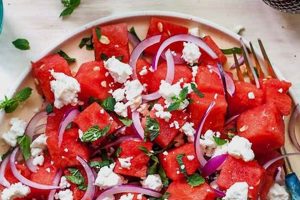
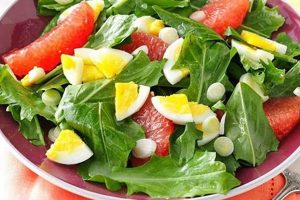
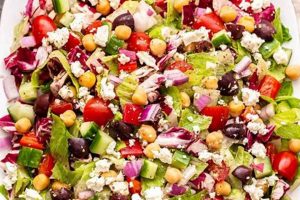
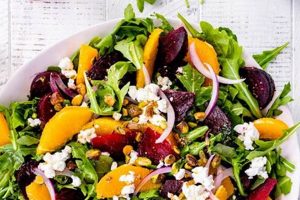
Meals based on the Paleolithic diet emphasize whole, unprocessed foods like lean meats, fish, fruits, vegetables, nuts, and seeds, while excluding grains, legumes, dairy, and processed foods. A salad fitting this dietary framework typically features a base of leafy greens and incorporates these permitted ingredients. For example, a combination of mixed greens, grilled chicken or fish, assorted raw vegetables, and a dressing made with olive oil and lemon juice exemplifies this approach.
This dietary approach aims to mimic the presumed eating habits of our Paleolithic ancestors. Proponents suggest that by eliminating modern processed foods and focusing on nutrient-dense whole foods, individuals can experience benefits such as weight management, improved blood sugar control, and reduced inflammation. While the scientific community continues to debate the long-term health implications of this dietary model, its focus on unprocessed ingredients aligns with general recommendations for a healthy eating pattern.
The following sections will explore specific components of constructing such meals, offering suggestions for protein sources, vegetable combinations, and flavorful, compliant dressings. Guidance on ingredient selection, preparation methods, and potential variations will also be provided to assist in creating diverse and satisfying meals within this dietary framework.
Tips for Crafting Delicious and Compliant Paleo Salads
Constructing a satisfying and nutrient-rich salad within the Paleo framework requires careful attention to ingredient selection and preparation. The following tips offer guidance for maximizing flavor and nutritional value while adhering to the dietary guidelines.
Tip 1: Prioritize Fresh, High-Quality Ingredients: Opting for locally sourced, seasonal produce whenever possible enhances both the flavor and nutritional profile of the salad. Selecting vibrant, crisp vegetables ensures optimal freshness and taste.
Tip 2: Diversify Textures and Flavors: Incorporating a variety of textures, from crunchy nuts and seeds to tender leafy greens, creates a more engaging and satisfying culinary experience. Experimenting with different flavor profiles, such as combining sweet and savory elements, adds depth and complexity.
Tip 3: Choose Lean Protein Sources: Grilled chicken, fish, or lean cuts of beef provide substantial protein and contribute to satiety. Avoid processed meats or those containing added sugars or nitrates.
Tip 4: Embrace Healthy Fats: Incorporating healthy fats through additions like avocados, olives, and nuts enhances both flavor and nutrient absorption. These fats also contribute to a feeling of fullness.
Tip 5: Craft Compliant Dressings: Commercially prepared dressings often contain non-compliant ingredients. Creating homemade dressings using olive oil, lemon juice, or apple cider vinegar allows for complete control over ingredients and flavor profiles.
Tip 6: Pre-Wash and Prepare Ingredients: Washing and chopping vegetables in advance streamlines the salad-making process, making it easier to assemble a quick and healthy meal.
Tip 7: Explore Variety Beyond Lettuce: While lettuce provides a classic base, consider alternatives such as shredded cabbage, spinach, or kale for added nutritional value and textural variation.
By following these guidelines, individuals can consistently create flavorful and satisfying meals that align with the Paleo dietary framework while enjoying the numerous benefits of consuming nutrient-rich, whole foods.
In conclusion, adhering to these principles allows for the creation of not just compliant but truly enjoyable culinary experiences, showcasing the versatility and potential of this dietary approach.
1. Ingredient Selection
Ingredient selection forms the cornerstone of a successful paleo salad recipe. Careful consideration of permitted and excluded ingredients ensures adherence to the dietary framework while maximizing nutritional value and flavor. Understanding the underlying principles of this approach guides informed choices and contributes to a satisfying culinary experience.
- Approved Vegetables:
Leafy greens like spinach, kale, and romaine lettuce form a foundational base. Cruciferous vegetables such as broccoli, cauliflower, and Brussels sprouts offer valuable nutrients. Other options include carrots, bell peppers, cucumbers, and onions. These vegetables provide essential vitamins, minerals, and fiber.
- Suitable Fats:
Avocados, olives, nuts (excluding peanuts), and seeds provide healthy fats crucial for nutrient absorption and satiety. These ingredients also contribute flavor and texture, enhancing the overall sensory experience. Oils like olive oil, avocado oil, and coconut oil are acceptable for dressings.
- Permitted Fruits:
Fruits like berries, apples, and pears add natural sweetness and antioxidants. While fruit is acceptable in moderation, portion control is advised to manage sugar intake. Dried fruits should be avoided due to their concentrated sugar content.
- Protein Choices:
Lean protein sources are vital for a balanced paleo salad. Grilled chicken, fish (salmon, tuna, cod), and lean cuts of beef are excellent options. Avoid processed meats, which often contain non-compliant additives.
By adhering to these ingredient guidelines, individuals can create paleo salads that are not only compliant but also nutritionally balanced and flavorful. Strategic selection of components ensures that each salad provides a satisfying and healthful meal while adhering to the principles of the Paleolithic diet.
2. Dressing Choices

Dressing choices significantly impact the overall flavor profile and dietary compliance of a paleo salad. While a simple vinaigrette made with olive oil and lemon juice adheres to the guidelines, the potential for flavor complexity extends far beyond this basic combination. Strategic use of herbs, spices, and compliant acidic components allows for the creation of dressings that complement the other salad ingredients without compromising the dietary framework. For example, a dressing featuring olive oil, apple cider vinegar, minced garlic, and chopped fresh herbs offers a vibrant, flavorful counterpoint to a salad composed of leafy greens, grilled chicken, and assorted vegetables. Conversely, the use of commercially prepared dressings often introduces non-compliant ingredients such as added sugars, processed oils, and dairy products, negating the health benefits sought through adherence to this dietary approach.
The exclusion of processed seed oils, like canola or soybean oil, common in many commercial dressings, necessitates alternative fat sources in paleo-compliant options. Olive oil, avocado oil, and macadamia nut oil provide healthy fats while contributing distinct flavor profiles. Furthering the flavor possibilities, the careful incorporation of spices and herbs, such as cumin, coriander, or oregano, can elevate a basic vinaigrette to a complex and satisfying component of the salad. A dressing based on lime juice, fish sauce, ginger, and chili, for example, can provide a Southeast Asian inspired twist to a salad featuring shredded carrots, bell peppers, and grilled shrimp.
Successful paleo salad construction hinges on the proper balance of flavors and textures. Dressings play a crucial role in achieving this balance, providing acidity, richness, and complexity. Understanding the limitations imposed by the dietary restrictions and creatively utilizing permitted ingredients allows for the development of dressings that not only enhance the flavor of the salad but also maintain its adherence to paleo principles. Ultimately, informed dressing choices contribute significantly to the overall enjoyment and nutritional value of the meal.
3. Protein Sources

Adequate protein intake is essential for satiety and maintaining muscle mass, aligning with the principles of a paleo dietary approach. Within the context of paleo salad recipes, protein sources play a crucial role not only in nutritional value but also in contributing to the overall flavor and textural complexity of the meal.
- Lean Meats:
Chicken breast, grilled or shredded, offers a versatile and readily available lean protein option. Similarly, lean cuts of beef, such as sirloin or flank steak, provide rich flavor and contribute to a more substantial salad. Proper cooking methods, such as grilling or baking, help retain moisture and maximize flavor while minimizing the addition of unhealthy fats.
- Fish and Seafood:
Salmon, tuna, and cod provide essential omega-3 fatty acids in addition to high-quality protein. These options can be grilled, baked, or flaked and added to salads for a lighter yet nutrient-dense protein source. Shellfish, like shrimp and scallops, offer delicate flavor and textural variety, further enhancing the salad’s complexity.
- Eggs:
Hard-boiled eggs offer a convenient and portable protein source. Sliced or quartered, they add a creamy texture and contribute essential nutrients. While not traditionally considered a salad ingredient, eggs align seamlessly with paleo principles and provide a valuable protein boost.
- Plant-Based Options (Limited):
While true vegetarian or vegan diets diverge significantly from the traditional paleo framework due to the exclusion of legumes, certain plant-based options can contribute to protein intake. Nuts and seeds, though primarily fat sources, offer some protein. However, reliance solely on these sources may not provide adequate protein for individuals with higher protein requirements.
The strategic inclusion of these protein sources ensures that a paleo salad provides a balanced and satisfying meal, contributing to both satiety and nutritional completeness within the confines of the dietary guidelines. The choice of protein source also influences the overall flavor profile and texture of the salad, further emphasizing the importance of careful selection based on individual preferences and dietary needs. By thoughtfully combining suitable protein sources with the other permitted ingredients, individuals can create paleo salads that are both flavorful and nutritionally sound.
4. Preparation Methods

Preparation methods significantly influence the nutritional value, flavor profile, and overall palatability of paleo salads. Emphasis on minimal processing and gentle cooking techniques preserves the integrity of the ingredients, maximizing nutrient retention while enhancing natural flavors. For example, lightly steaming or sauting vegetables, as opposed to boiling, retains vital nutrients and enhances their natural sweetness. Similarly, grilling or baking proteins allows for the development of rich flavors without the need for non-compliant marinades or sauces.
Raw preparations, central to the paleo philosophy, maximize enzyme activity and nutrient availability. Incorporating a variety of raw vegetables, such as chopped bell peppers, shredded carrots, and sliced cucumbers, adds textural diversity and contributes a range of vitamins and minerals. However, certain vegetables, like broccoli and cauliflower, benefit from light steaming or roasting, which enhances their digestibility and unlocks deeper flavors. Thoughtful application of appropriate preparation techniques for each ingredient optimizes both nutritional value and culinary appeal.
Understanding the impact of preparation methods on both nutrient retention and flavor development allows for the creation of paleo salads that are not only compliant with dietary guidelines but also genuinely enjoyable to consume. Choosing appropriate techniques for each componentfrom protein sources to vegetablesensures that the final dish maximizes both nutritional benefits and culinary satisfaction, embodying the core principles of the paleo approach. This awareness empowers individuals to make informed choices that contribute to their overall well-being while enjoying flavorful and satisfying meals.
5. Flavor Combinations

Flavor combinations play a crucial role in the success of a paleo salad recipe, elevating it from a simple assemblage of ingredients to a complex and satisfying culinary experience. Strategic pairing of flavors, textures, and temperatures ensures palatability and encourages continued adherence to the dietary guidelines. Understanding the interplay of sweet, savory, bitter, sour, and umami elements allows for the creation of balanced and nuanced flavor profiles within the constraints of permitted ingredients. For instance, the bitterness of kale can be balanced by the sweetness of dried cranberries and the richness of toasted pecans, creating a harmonious blend of contrasting yet complementary flavors. Similarly, the acidity of a lemon vinaigrette enhances the savory notes of grilled chicken or fish, adding brightness and depth to the overall composition.
Effective flavor combinations in paleo salads often leverage the inherent properties of fresh, whole foods. The natural sweetness of roasted root vegetables, such as sweet potatoes or beets, can be juxtaposed with the peppery bite of arugula and the earthiness of walnuts. Combining different textures, such as the crunch of raw vegetables with the creaminess of avocado and the chewiness of dried fruit, further enhances the sensory experience. Attention to temperature also contributes to the overall enjoyment; serving a salad with chilled ingredients alongside a warm protein element adds a dynamic dimension to the meal. For example, a salad featuring grilled salmon, chilled mixed greens, and a warm bacon vinaigrette offers a compelling interplay of temperatures and textures, creating a multi-sensory culinary experience.
Mastering the art of flavor combination within the paleo framework requires an understanding of ingredient compatibility and a willingness to experiment with diverse flavor profiles. While adhering to the dietary restrictions might initially appear limiting, it ultimately encourages creativity and a deeper appreciation for the nuanced flavors of whole, unprocessed foods. By thoughtfully combining ingredients based on their inherent flavor profiles and textural qualities, individuals can create paleo salads that are not only nutritionally sound but also genuinely satisfying and enjoyable, promoting long-term adherence to the dietary approach.
Frequently Asked Questions about Paleo Salad Recipes
This section addresses common inquiries regarding the creation and consumption of paleo salads, offering clarity on ingredient selection, preparation methods, and dietary adherence.
Question 1: How can adequate protein be ensured in a paleo salad?
Adequate protein can be achieved by incorporating lean meats like grilled chicken or fish, or by adding hard-boiled eggs. While nuts and seeds offer some protein, they are primarily fat sources and might not suffice as sole protein sources.
Question 2: Are all oils permitted in paleo salad dressings?
Not all oils align with paleo guidelines. Olive oil, avocado oil, and coconut oil are generally accepted, while processed seed oils like canola or soybean oil are typically excluded.
Question 3: Can store-bought dressings be used on paleo salads?
Store-bought dressings often contain non-compliant ingredients like added sugars and processed oils. Homemade dressings using approved oils and vinegars are recommended for optimal adherence to paleo principles.
Question 4: What vegetables are suitable for paleo salads?
A wide variety of vegetables are suitable, including leafy greens, cruciferous vegetables, carrots, bell peppers, cucumbers, and onions. Emphasis is placed on fresh, whole vegetables rather than processed or canned varieties.
Question 5: How can flavor be maximized in a paleo salad while adhering to the restrictions?
Flavor can be maximized through strategic combinations of fresh herbs, spices, and compliant acidic components like lemon juice or apple cider vinegar. Experimentation with different flavor profiles, such as pairing sweet and savory elements, is encouraged.
Question 6: Are there any suitable substitutes for lettuce as a base?
Alternatives to lettuce include shredded cabbage, spinach, or kale, offering nutritional and textural variations while remaining within dietary guidelines.
Careful attention to ingredient selection and preparation methods ensures that paleo salads offer both nutritional value and culinary satisfaction within the framework of the diet. Understanding the underlying principles of this approach empowers informed choices that contribute to a healthy and enjoyable eating experience.
The following section offers specific paleo salad recipes incorporating these principles.
Conclusion
Exploration of constructing meals aligned with the Paleolithic diet reveals the importance of ingredient selection, dressing choices, protein sources, preparation methods, and flavor combinations. Adherence to these elements ensures both nutritional value and culinary satisfaction within the dietary framework. Careful consideration of permitted ingredients, such as fresh vegetables, lean proteins, and healthy fats, forms the foundation of a successful approach. Understanding the role of each component contributes to creating balanced, flavorful, and compliant meals.
Successful implementation of this dietary approach extends beyond simple adherence to a list of permitted and restricted foods. It necessitates a deeper understanding of the underlying principles and a commitment to mindful food preparation. By embracing the versatility of permitted ingredients and exploring creative flavor combinations, individuals can discover a wide range of culinary possibilities within the framework of this dietary model, fostering a sustainable and enjoyable approach to healthy eating.