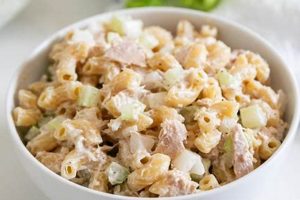
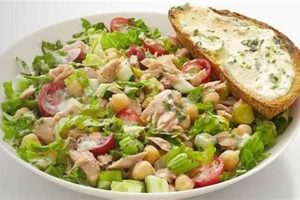
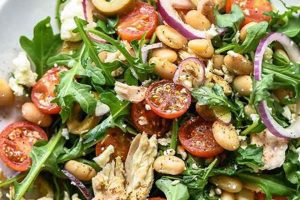
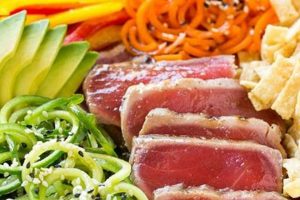
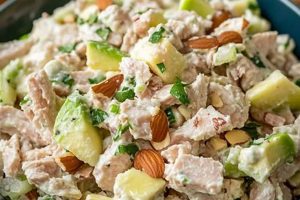
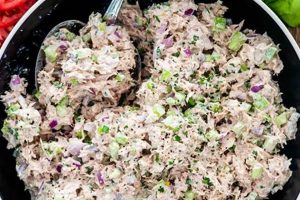
A dish featuring tuna combined with yogurt as a healthier alternative to mayonnaise-based versions offers a lighter, tangier flavor profile. Variations can include the addition of celery, onion, herbs, and spices, creating a customizable and versatile meal option. This preparation can be enjoyed as a sandwich filling, a salad topping, or a dip with crackers or vegetables.
Using yogurt instead of mayonnaise significantly reduces the fat and calorie content while increasing the protein and probiotic benefits. This substitution contributes to a more nutritious meal, aligning with contemporary health-conscious trends. This lighter approach to a classic dish also provides an opportunity to explore diverse flavor profiles through the incorporation of fresh herbs and spices, catering to a wider range of palates. Historically, mayonnaise-based tuna salad has been a staple, but with growing awareness of dietary needs, yogurt-based alternatives have gained popularity.
Further exploration of this culinary concept will encompass detailed ingredient lists, step-by-step preparation instructions, nutritional information, and creative serving suggestions. This will provide a comprehensive guide to preparing and enjoying a healthy and delicious tuna-yogurt dish.
Tips for Creating a Delicious Tuna-Yogurt Salad
Optimizing the flavor and texture requires attention to ingredient selection and preparation techniques. The following tips offer guidance for creating a successful and satisfying dish.
Tip 1: Choose High-Quality Tuna: Opting for tuna packed in water rather than oil contributes to a healthier and less greasy final product. Solid white albacore tuna typically offers a firmer texture and milder flavor compared to chunk light tuna.
Tip 2: Select the Right Yogurt: Plain, non-fat Greek yogurt provides a creamy texture and tangy flavor that complements tuna well. Avoid flavored yogurts, as they can clash with the other ingredients.
Tip 3: Enhance with Fresh Ingredients: Finely diced celery and red onion add a satisfying crunch and depth of flavor. Incorporating fresh herbs like dill, parsley, or chives elevates the overall taste profile.
Tip 4: Season Thoughtfully: A balanced blend of spices is crucial. Consider using black pepper, lemon juice, or a dash of Dijon mustard to enhance the flavors without overpowering the delicate taste of the tuna and yogurt.
Tip 5: Control Moisture Content: Excess moisture can lead to a watery salad. Ensure the tuna is well-drained and consider adding a small amount of finely chopped water chestnuts or celery for added crunch and to absorb excess liquid.
Tip 6: Chill Before Serving: Allowing the salad to chill in the refrigerator for at least 30 minutes allows the flavors to meld and enhances the overall experience. This also firms the texture, making it ideal for sandwiches or wraps.
Tip 7: Explore Variations: Consider adding chopped apples, grapes, or walnuts for added texture and sweetness. A sprinkle of paprika or a dash of hot sauce can introduce a subtle heat.
By following these tips, one can create a healthy, flavorful, and versatile dish suitable for a variety of occasions. Proper ingredient selection and preparation techniques contribute significantly to the overall enjoyment of this lighter take on a classic.
This comprehensive guide concludes with suggestions for serving and storing the prepared dish, ensuring optimal enjoyment and freshness.
1. High-quality Tuna

High-quality tuna plays a pivotal role in the overall success of a tuna salad yogurt recipe. The quality of tuna directly impacts the flavor, texture, and nutritional value of the final dish. Tuna packed in water, as opposed to oil, offers a cleaner taste and aligns with the health-conscious nature of using yogurt as a base. Solid white albacore, known for its firm texture and delicate flavor, enhances the culinary experience compared to chunk light tuna, which can be softer and possess a stronger, fishier taste. Choosing premium tuna ensures the dish remains light and refreshing, allowing the nuanced flavors of the yogurt and other ingredients to shine through. For instance, using high-quality tuna prevents the salad from becoming overly fishy or oily, a common pitfall with lower-grade options.
Furthermore, the quality of tuna influences the overall nutritional profile. Premium tuna tends to be higher in protein and lower in mercury, contributing to a healthier meal. This aligns with the health benefits associated with using yogurt in place of mayonnaise. The combination of high-quality tuna and yogurt creates a synergistic effect, maximizing both flavor and nutritional value. One can observe this practically when comparing two identical recipes made with different grades of tuna. The version using higher-quality tuna exhibits a noticeably superior taste and texture, validating the importance of ingredient selection.
In conclusion, prioritizing high-quality tuna significantly elevates the tuna salad yogurt recipe from a simple meal to a culinary delight. This careful selection contributes to a superior taste, improved texture, and enhanced nutritional value. The understanding of this connection empowers individuals to make informed choices, ultimately leading to a more satisfying and healthful dining experience.
2. Plain, non-fat Greek yogurt
Plain, non-fat Greek yogurt forms the foundation of a successful tuna salad yogurt recipe, offering distinct advantages over traditional mayonnaise-based versions. Its high protein content contributes to satiety, aligning with health-conscious dietary preferences. The thick, creamy texture emulates the richness of mayonnaise without the added fat and calories, creating a lighter yet satisfying culinary experience. The tangy flavor profile of Greek yogurt complements the savory notes of tuna, adding depth and complexity. For example, the slight acidity of the yogurt balances the richness of the tuna, preventing the salad from becoming overly heavy or bland. This characteristic allows for a reduction in added salt, further benefiting health-conscious consumers.
Furthermore, the versatility of plain, non-fat Greek yogurt allows for seamless integration with various flavor profiles. It serves as a neutral canvas, readily absorbing and enhancing the flavors of added ingredients such as herbs, spices, and vegetables. This neutrality is crucial in allowing the delicate nuances of fresh dill or the crisp bite of celery to shine through. Conversely, flavored yogurts often introduce competing flavors that can mask the desired taste profile of a classic tuna salad. In practical application, this translates to a more balanced and customizable dish, adaptable to individual preferences.
In conclusion, the selection of plain, non-fat Greek yogurt as the base ingredient significantly impacts the overall quality and nutritional value of tuna salad. Its textural properties, flavor profile, and adaptability contribute to a healthier, more flavorful, and versatile dish. This understanding allows for informed ingredient choices and promotes a more satisfying culinary outcome, effectively modernizing a classic dish. The increasing popularity of this yogurt-based approach underscores a shift towards healthier and more flavorful alternatives in contemporary cuisine.
3. Fresh Ingredients (Celery, Onion)
The incorporation of fresh ingredients, particularly celery and onion, significantly elevates the sensory experience of a tuna salad yogurt recipe. These elements contribute crucial textural and flavor dimensions that complement the creamy yogurt and savory tuna. Crisp celery provides a refreshing counterpoint to the softer textures, while onion introduces a pungent bite that enhances the overall flavor profile. The inherent water content in these vegetables also aids in maintaining a desirable moisture balance, preventing the salad from becoming dry or dense. For example, the subtle sweetness of celery balances the savory notes of tuna, while the sharp bite of red onion adds a layer of complexity, creating a more dynamic and flavorful experience.
Beyond their individual contributions, the synergy between celery and onion enhances their combined impact. Celery’s mild, herbaceous notes harmonize with onion’s assertive pungency, creating a balanced flavor profile that complements the tuna and yogurt base. This synergy allows for a more nuanced flavor experience, enhancing the overall palatability of the dish. Furthermore, the distinct textures of these vegetables contribute to a more engaging mouthfeel. The crisp snap of celery contrasts with the softer texture of the onion, creating a textural interplay that enhances the dining experience. This careful consideration of texture elevates the dish beyond simple sustenance, transforming it into a more considered and enjoyable culinary creation. One can observe this practically by comparing a tuna salad made solely with yogurt and tuna to one that includes fresh celery and onion. The latter version exhibits a noticeably more complex flavor profile and a more satisfying textural experience.
In conclusion, the inclusion of fresh celery and onion in a tuna salad yogurt recipe demonstrates a thoughtful approach to ingredient selection, optimizing both flavor and texture. These ingredients contribute not only individually but also synergistically to create a more dynamic and satisfying culinary experience. This understanding allows for the creation of a healthier, more flavorful, and texturally appealing dish, highlighting the significant impact of fresh ingredients on the overall quality of a simple yet versatile recipe. Their inclusion exemplifies a move toward lighter, brighter flavor profiles in contemporary cuisine, emphasizing freshness and nutritional value.
4. Balanced Seasoning
Balanced seasoning is crucial for a successful tuna salad yogurt recipe, significantly impacting the final flavor profile. It elevates the dish beyond simple ingredients, creating a harmonious blend of flavors that complement the inherent tastes of tuna and yogurt. Improper seasoning can result in a bland or overpowering taste, masking the delicate nuances of the core ingredients. This section explores key facets of balanced seasoning within this specific culinary context.
- Salt and Pepper Foundation
Salt and freshly ground black pepper serve as the foundational seasoning elements. Salt enhances the natural flavors of the tuna and other ingredients, while pepper adds a subtle heat and complexity. The quantity of each must be carefully considered, avoiding over-salting, which can mask other flavors, or under-seasoning, which results in a bland dish. For example, using coarse sea salt provides a subtle crunch and a cleaner taste compared to iodized table salt. Freshly ground black pepper offers a more robust aroma and flavor compared to pre-ground pepper.
- Acidity as a Balancing Agent
Acidity plays a vital role in balancing the richness of the tuna and the tanginess of the yogurt. A squeeze of lemon juice or a dash of white wine vinegar brightens the flavors, cutting through the fattiness of the tuna and adding a refreshing element. The acidity also acts as a natural preservative, extending the shelf life of the salad. A practical example is using lemon zest to add a citrusy aroma and enhance the brightness of the dish.
- Herbaceous Enhancement
Fresh herbs contribute significantly to the flavor complexity of the salad. Dill, parsley, chives, or tarragon introduce aromatic notes that complement the tuna and yogurt. These herbs also add a visual appeal, enhancing the overall presentation. Using freshly chopped herbs provides a brighter flavor compared to dried herbs. For example, dill offers a slightly tangy and anise-like flavor, while parsley provides a fresh, grassy note.
- Spice Integration (Optional)
A touch of spice can add depth and intrigue. A pinch of cayenne pepper, a dash of hot sauce, or a sprinkle of paprika introduce subtle heat and complexity. The level of spice should be carefully moderated to avoid overpowering the other flavors. For instance, a small amount of smoked paprika adds a smoky depth without excessive heat. This element allows for customization based on individual preferences.
These facets of balanced seasoning work synergistically to create a harmonious flavor profile in a tuna salad yogurt recipe. The proper balance of salt, pepper, acidity, herbs, and optional spices elevates the dish, transforming simple ingredients into a flavorful and satisfying meal. Understanding these elements empowers individuals to create a customized tuna salad that caters to individual preferences, highlighting the crucial role of seasoning in culinary arts.
5. Moisture Control
Moisture control is a critical factor in achieving a desirable texture and flavor in a tuna salad yogurt recipe. Excess moisture can lead to a watery, unappetizing salad that lacks structural integrity. This undesirable outcome not only compromises the sensory experience but can also limit the recipe’s versatility, particularly as a sandwich filling or wrap component. Several factors contribute to excess moisture, including the inherent water content of ingredients like tuna, yogurt, and vegetables, as well as condensation that can occur during chilling. For example, tuna packed in water, while a healthier choice, contributes more moisture than tuna packed in oil. Similarly, adding watery vegetables like cucumbers or tomatoes without proper preparation can exacerbate the issue.
Effective moisture control strategies are essential to mitigate these challenges. Thoroughly draining the tuna is a fundamental step. Pressing the tuna between paper towels further removes residual moisture. Choosing thicker Greek yogurt contributes to a firmer texture, absorbing some of the liquid from other ingredients. Controlling the water content of added vegetables is also crucial. Salting and draining diced cucumbers or tomatoes before incorporating them into the salad draws out excess moisture. Additionally, incorporating small amounts of finely chopped water chestnuts or celery can absorb excess liquid and add a pleasant crunch. In practice, these techniques prevent the salad from becoming diluted and maintain a desirable consistency, critical for achieving a satisfying culinary experience.
In conclusion, careful attention to moisture control significantly impacts the overall quality and enjoyment of a tuna salad yogurt recipe. Implementing appropriate strategies ensures a desirable texture, prevents flavor dilution, and maximizes the recipe’s versatility. This understanding enables the creation of a consistently delicious and appealing dish, highlighting the practical significance of moisture control in achieving culinary success. Failure to address this aspect can lead to a compromised product, underscoring the importance of this seemingly minor yet crucial detail in recipe execution.
6. Chilling Time
Chilling time plays a crucial role in optimizing the flavor and texture of a tuna salad yogurt recipe. This seemingly simple step allows the diverse flavors of the individual ingredients to meld and harmonize, creating a more cohesive and complex flavor profile. Furthermore, chilling firms the texture of the salad, making it more manageable for spreading on sandwiches or using as a filling for wraps. This section explores the multifaceted impact of chilling time on the final product.
- Flavor Development
Chilling allows the ingredients’ flavors to meld and deepen. The tanginess of the yogurt, the savory notes of the tuna, and the aromatic contributions of herbs and spices integrate more fully during refrigeration. This process results in a more nuanced and balanced flavor profile compared to a freshly made salad. For example, the sharpness of freshly chopped onion mellows during chilling, creating a more harmonious blend with the other ingredients. This flavor development is particularly noticeable when comparing a freshly prepared salad to one that has been chilled for at least 30 minutes. The chilled version exhibits a greater depth and complexity of flavor.
- Texture Enhancement
Chilling firms the texture of the salad, making it more manageable and aesthetically pleasing. The yogurt base sets more firmly, preventing the salad from becoming watery or runny. This is particularly important when using the salad as a sandwich filling or in wraps. A chilled salad holds its shape better, preventing spillage and creating a more satisfying eating experience. For instance, a chilled salad will spread more evenly on bread and will not soak through the bread as quickly as a freshly made, warmer salad.
- Food Safety Considerations
Chilling is essential for maintaining food safety, particularly with perishable ingredients like tuna and yogurt. Refrigeration inhibits bacterial growth, reducing the risk of foodborne illnesses. Promptly chilling the prepared salad after mixing is crucial for ensuring its safety for consumption. Adhering to recommended food safety guidelines, such as keeping the salad refrigerated at or below 40F (4C), is paramount.
- Serving Temperature and Palatability
Serving the tuna salad chilled enhances its palatability. The cooler temperature provides a refreshing contrast, especially during warmer months. A chilled salad is more appealing to the palate, offering a lighter and more invigorating experience compared to a room-temperature or warm salad. This can significantly impact the overall enjoyment of the dish, particularly in contexts where a refreshing element is desired.
In conclusion, chilling time is not merely a procedural afterthought but a critical step that significantly influences the flavor, texture, safety, and overall enjoyment of a tuna salad yogurt recipe. Understanding the multifaceted impact of this process allows for a more informed approach to preparation, resulting in a superior culinary outcome. From flavor development and texture enhancement to food safety considerations and palatability, the benefits of chilling underscore its importance in achieving a truly successful and satisfying dish.
7. Creative Variations
Creative variations within a tuna salad yogurt recipe demonstrate the dish’s adaptability and potential to cater to diverse palates and dietary preferences. Moving beyond the basic formula unlocks a range of flavor profiles and textural experiences, transforming a simple dish into a versatile culinary canvas. Exploration of these variations highlights the recipe’s adaptability and potential for personalized culinary expression.
- Fruit and Nut Inclusions
Incorporating fruits and nuts adds sweetness, texture, and nutritional complexity. Diced apples or grapes introduce a refreshing sweetness and a juicy burst, contrasting with the savory tuna and tangy yogurt. Chopped walnuts or pecans contribute a satisfying crunch and healthy fats. For example, the sweetness of grapes complements the savory tuna, while the crunch of walnuts provides textural contrast. These additions transform the salad from a simple protein source into a more complex and balanced meal.
- Spice and Heat Integration
Integrating spices expands the flavor profile beyond traditional boundaries. A dash of sriracha adds a fiery kick, while curry powder introduces warm, aromatic notes. Smoked paprika imparts a smoky depth, and a pinch of cayenne pepper provides a subtle heat. A practical example is incorporating a blend of curry powder and chopped mango for a tropical twist. These variations cater to those seeking bolder flavor experiences and demonstrate the recipe’s adaptability to diverse culinary traditions.
- Vegetable Enhancements
Expanding beyond the traditional celery and onion, incorporating other vegetables adds nutritional value and textural variety. Diced bell peppers introduce sweetness and crunch, while shredded carrots provide a subtle sweetness and vibrant color. Chopped water chestnuts offer a unique, crisp texture. For instance, adding roasted red peppers introduces a smoky sweetness and a softer texture. These variations demonstrate the recipe’s potential as a vehicle for increased vegetable consumption.
- Herb and Spice Combinations
Exploring different herb and spice combinations unlocks a world of flavor possibilities. Fresh dill and lemon zest create a bright, Mediterranean profile. Cilantro and lime juice evoke a vibrant, Latin American influence. A blend of parsley, chives, and tarragon offers a classic, herbaceous note. For example, combining fresh mint and chopped cucumber creates a refreshing and cooling flavor profile. These variations showcase the recipe’s adaptability to individual preferences and culinary creativity.
These creative variations demonstrate the inherent versatility of the tuna salad yogurt recipe, transforming it from a basic staple into a platform for culinary exploration. By incorporating diverse ingredients and flavor profiles, individuals can personalize the dish to suit their individual tastes and dietary needs, showcasing the recipe’s adaptability and enduring appeal. This exploration of creative variations highlights the potential of simple ingredients to create complex and satisfying culinary experiences.
Frequently Asked Questions
This section addresses common inquiries regarding the preparation and consumption of tuna salad made with yogurt.
Question 1: What type of yogurt is best suited for tuna salad?
Plain, non-fat Greek yogurt is generally recommended due to its thick, creamy texture and tangy flavor. It provides a healthy alternative to mayonnaise while maintaining a desirable consistency.
Question 2: How can excess moisture in the salad be prevented?
Thoroughly draining the tuna is essential. Additional measures include using Greek yogurt, salting and draining watery vegetables like cucumbers or tomatoes before adding them, and incorporating ingredients like chopped water chestnuts to absorb excess liquid.
Question 3: What are the nutritional benefits of using yogurt instead of mayonnaise?
Yogurt offers a significant reduction in fat and calories while increasing protein and probiotic intake. This contributes to a healthier nutritional profile compared to traditional mayonnaise-based tuna salad.
Question 4: How long can tuna salad made with yogurt be stored in the refrigerator?
Properly stored in an airtight container, it typically remains safe for consumption for up to three to five days in the refrigerator. However, consuming it sooner is recommended for optimal flavor and freshness.
Question 5: Can canned tuna be substituted with fresh tuna in this recipe?
While canned tuna is the standard for convenience, fresh tuna can be used. Ensure it is cooked thoroughly and flaked before incorporating it into the salad. Adjust seasoning accordingly, as fresh tuna may have a different flavor profile.
Question 6: How can the flavor profile be customized?
Numerous options exist for customization. Incorporating different herbs, spices, fruits, nuts, and vegetables allows for a tailored flavor experience. Experimentation is encouraged to discover preferred combinations. Examples include adding curry powder for an Indian-inspired flavor or incorporating grapes and walnuts for sweetness and crunch.
Understanding these frequently asked questions empowers individuals to prepare and enjoy tuna salad made with yogurt successfully. These insights offer practical guidance for maximizing both the flavor and nutritional value of the dish.
The following section offers concluding remarks and summarizes key takeaways regarding the discussed topic.
Conclusion
Exploration of the tuna salad yogurt recipe reveals a versatile and healthful approach to a classic dish. Analysis highlighted the importance of ingredient selection, specifically the use of high-quality tuna and plain, non-fat Greek yogurt. Proper moisture control, balanced seasoning, and adequate chilling time emerged as critical factors influencing the final product’s quality. Furthermore, the adaptability of this recipe to various creative additions, including fruits, nuts, vegetables, and spices, underscores its potential to satisfy diverse palates and dietary preferences. Effective preparation techniques ensure optimal flavor, texture, and nutritional value.
This examination encourages a shift toward health-conscious culinary practices without compromising flavor or satisfaction. The tuna salad yogurt recipe presents an opportunity to embrace culinary creativity while prioritizing nutritional well-being. Further exploration of individual ingredient properties and flavor combinations promises continued culinary innovation within this adaptable framework. The potential for customization positions this recipe as a valuable addition to a balanced and health-conscious diet.