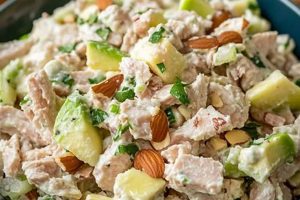
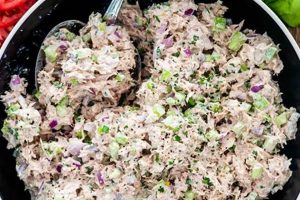
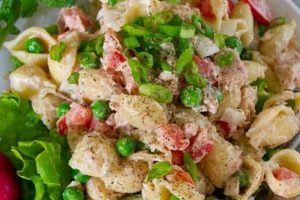
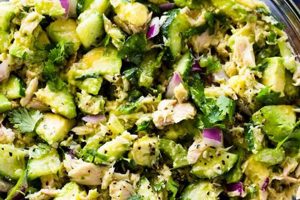
A superior tuna salad balances flavor, texture, and freshness. This involves careful selection of ingredients, including high-quality canned tuna, crisp vegetables, and a flavorful binder such as mayonnaise or a lighter alternative like Greek yogurt. A classic example might include celery, red onion, and dill, seasoned with salt, pepper, and perhaps a touch of lemon juice. Variations can introduce ingredients like capers, hard-boiled eggs, or grapes for added complexity.
Achieving a well-balanced and delicious tuna salad offers several advantages. It provides a quick and easy meal or snack option, rich in protein and healthy fats. Tuna salad’s versatility lends itself to various serving styles, from sandwiches and wraps to salads and crackers. Its historical roots as an economical and accessible dish have solidified its place as a lunchtime staple, constantly evolving with creative additions and regional variations.
The following sections will delve into the key components of exceptional tuna salad, explore various ingredient combinations and techniques, and provide guidance on achieving optimal results in your own kitchen.
Tips for Exceptional Tuna Salad
Creating exceptional tuna salad involves attention to detail and thoughtful ingredient selection. These tips offer guidance for achieving optimal results.
Tip 1: Tuna Selection Matters: Opt for high-quality canned tuna packed in water or oil, depending on preference. Solid or chunk light tuna typically offers the best texture for salad. Avoid overly processed or flavored varieties to maintain control over the final flavor profile.
Tip 2: Freshness is Key: Utilize crisp, fresh vegetables. Properly chilling ingredients helps maintain their texture and prevents the salad from becoming watery. Adding the vegetables just before serving preserves their crunch.
Tip 3: Balancing the Binder: Mayonnaise is traditional, but Greek yogurt or a combination of both offer a lighter alternative. Start with a small amount and adjust to achieve the desired consistency, avoiding an overly wet or dry salad.
Tip 4: Seasoning with Purpose: Salt and freshly ground black pepper are essential. A touch of acidity from lemon juice or vinegar brightens the flavors. Experiment with herbs and spices like dill, parsley, or paprika to enhance the taste profile.
Tip 5: Texture Considerations: Finely diced celery and red onion provide a pleasant crunch. Consider incorporating chopped hard-boiled eggs or nuts for additional textural complexity.
Tip 6: Avoid Overmixing: Gently combine the ingredients to avoid breaking down the tuna and creating a mushy texture. A light hand preserves the integrity of the individual components.
Tip 7: Chill Before Serving: Allow the flavors to meld by chilling the tuna salad for at least 30 minutes before serving. This enhances the overall taste and allows the ingredients to combine harmoniously.
By following these guidelines, one can elevate tuna salad from a simple dish to a culinary delight. Attention to detail, from ingredient selection to mindful preparation, results in a more satisfying and flavorful experience.
These insights provide a foundation for crafting exceptional tuna salad. The following section offers concluding thoughts and encourages culinary experimentation.
1. High-quality Tuna
High-quality tuna is the cornerstone of exceptional tuna salad. The choice of tuna significantly impacts the final flavor, texture, and overall enjoyment of the dish. Understanding the characteristics of high-quality tuna allows for informed purchasing decisions, leading to a superior culinary outcome.
- Species and Grade:
Different tuna species offer varying flavor profiles and textures. Albacore, known for its lighter color and delicate flavor, often commands a premium price. Skipjack and yellowfin are other common options, each with its own distinct characteristics. “Solid” or “chunk” pack tuna typically provides the best texture for salad, offering larger, more substantial pieces compared to flaked or grated varieties. Selecting tuna packed in water or oil depends on individual preference, with water-packed offering a cleaner flavor and oil-packed contributing richness.
- Sourcing and Sustainability:
Sustainably sourced tuna ensures responsible fishing practices that minimize environmental impact. Look for certifications from reputable organizations like the Marine Stewardship Council (MSC). These certifications indicate that the tuna has been caught using methods that protect fish populations and marine ecosystems. Supporting sustainable fishing practices contributes to the long-term health of our oceans.
- Freshness and Preservation:
While canned tuna has a long shelf life, opting for cans with later expiration dates generally indicates a fresher product. Proper storage after opening is crucial. Refrigerate any unused tuna in an airtight container to maintain its quality and prevent spoilage. Using fresh, high-quality tuna ensures optimal flavor and minimizes the risk of off-flavors or unpleasant textures.
- Impact on Flavor and Texture:
The quality of tuna directly influences the final salad. High-quality tuna offers a clean, fresh flavor that complements other ingredients without overpowering them. It provides a firm yet flaky texture that contributes to the overall enjoyment of the salad. Subpar tuna, on the other hand, might have a fishy or metallic taste, a mushy texture, or an unpleasant odor, significantly detracting from the final product.
Selecting high-quality tuna elevates tuna salad from a simple dish to a culinary experience. The choice of tuna sets the stage for a flavorful, texturally satisfying salad that showcases the best of this versatile ingredient. By understanding the nuances of tuna selection, one can create a truly exceptional culinary creation.
2. Fresh Ingredients
Fresh ingredients are paramount to achieving a superior tuna salad. Ingredient quality directly correlates with the overall flavor, texture, and enjoyment of the final product. Freshness enhances the vibrancy of individual components, allowing their distinct characteristics to shine through. The interplay of fresh ingredients creates a symphony of flavors and textures, resulting in a more satisfying culinary experience. For instance, crisp celery and red onion provide a welcome contrast to the richness of the tuna, while fresh herbs like dill or parsley contribute a bright, herbaceous note. Wilted or stale ingredients, conversely, impart off-flavors and detract from the overall quality of the salad.
The use of fresh ingredients extends beyond mere flavor enhancement. Fresh produce contributes essential vitamins, minerals, and antioxidants, boosting the nutritional value of the salad. This nutritional boost aligns with contemporary culinary trends that prioritize health and well-being. Furthermore, the visual appeal of fresh ingredients enhances the overall presentation of the dish. Vibrant colors and crisp textures create an appetizing visual experience, adding to the overall enjoyment. Practical examples include using brightly colored bell peppers for visual appeal and added sweetness, or incorporating ripe avocados for creaminess and healthy fats. The choice to prioritize fresh ingredients demonstrates a commitment to quality and culinary excellence.
In conclusion, prioritizing fresh ingredients distinguishes an average tuna salad from an exceptional one. The impact of ingredient freshness extends from flavor and texture to nutritional value and visual appeal. Challenges such as seasonal availability and proper storage can be addressed through careful planning and sourcing. Ultimately, the consistent use of fresh, high-quality ingredients elevates tuna salad to a culinary creation that delights the senses and nourishes the body.
3. Balanced Flavor Profile

A balanced flavor profile is crucial to achieving a superlative tuna salad. It distinguishes a merely adequate salad from a truly exceptional one. This balance hinges on the harmonious interplay of various taste componentssaltiness, sweetness, acidity, umami, and sometimes a touch of bitternessnone overpowering the others. A well-balanced profile elevates the overall sensory experience, creating a more nuanced and satisfying culinary creation.
- Saltiness:
Salt provides the foundational seasoning for tuna salad, enhancing the inherent flavors of the other ingredients. While essential, excessive salt can mask delicate flavors, whereas insufficient salt results in a bland dish. Canned tuna often contains added salt, so additional salting should be done judiciously. Other salty elements, like capers or olives, can contribute to the overall saltiness and introduce complementary flavors. Proper salt balance ensures that the tuna’s natural flavors, along with the nuances of other ingredients, are allowed to shine.
- Acidity:
Acidity introduces brightness and complexity, cutting through the richness of the tuna and mayonnaise. Lemon juice or vinegar are commonly used, adding a refreshing tang that balances the other flavors. The acidity also helps to preserve the salad’s freshness. Too much acidity can make the salad overly tart, while too little can result in a flat, one-dimensional taste. Careful balancing of acidity is key to a well-rounded flavor profile.
- Sweetness:
Sweetness provides a counterpoint to the savory elements of tuna salad. Finely diced sweet onion, or a touch of honey or maple syrup, can add subtle sweetness, enhancing the complexity of the flavor profile. Dried cranberries or chopped grapes can also introduce sweetness while adding textural interest. However, excessive sweetness can unbalance the flavor profile, making the salad taste overly sweet or cloying. Judicious use of sweet elements is essential for a harmonious balance.
- Umami and Other Savory Notes:
Umami, a savory, brothy flavor, adds depth and complexity. Ingredients like Worcestershire sauce, soy sauce, or finely chopped mushrooms can enhance the umami notes in tuna salad. These savory additions provide a richer, more nuanced flavor profile. Balancing umami with the other taste components prevents it from becoming overpowering and ensures a harmonious overall flavor.
Mastering the balance of these flavor components is fundamental to crafting a truly exceptional tuna salad. Each element plays a crucial role in the final flavor profile, and careful attention to their interplay creates a symphony of tastes that elevates the dish beyond the ordinary. The right balance transforms simple ingredients into a harmonious and memorable culinary experience.
4. Appropriate Texture
Texture plays a pivotal role in the overall enjoyment of tuna salad. The ideal texture offers a balance between the creamy binder, the distinct flakes of tuna, and the crunch of added vegetables. A harmonious textural experience enhances the sensory appeal and elevates the dish from simple sustenance to a culinary delight. Achieving this balance requires careful consideration of ingredient preparation and the proportions in which they are combined.
- Tuna Consistency:
The consistency of the tuna itself sets the foundation for the salad’s texture. While some prefer larger, more substantial chunks of tuna, others favor a finer, more uniformly dispersed texture. The choice between solid or chunk light tuna, versus flaked tuna, significantly impacts the final product. Overmixing can result in a mushy, unappetizing texture, while undermixing can leave the salad dry and lacking cohesion. The desired consistency influences the choice of tuna and the level of mixing required during preparation.
- Vegetable Size and Crispness:
The size and crispness of the vegetables contribute significantly to the textural complexity of tuna salad. Finely diced celery and red onion provide a satisfying crunch that contrasts with the creaminess of the binder and the tenderness of the tuna. Larger pieces of vegetables offer a more pronounced textural contrast, while smaller pieces create a more homogenous blend. The desired textural experience dictates the appropriate size to which vegetables should be chopped. Maintaining crispness through proper storage and timely addition to the salad is essential.
- Binder Ratio and Type:
The ratio of binder to other ingredients influences the overall texture and moisture content of the salad. Too much binder can result in a salad that is overly wet and lacks textural definition, while too little can make it dry and crumbly. The choice of binder also plays a role. Traditional mayonnaise contributes a creamy texture, while Greek yogurt offers a lighter, tangier alternative. Finding the right balance ensures a pleasant mouthfeel and prevents the salad from becoming too heavy or too dry.
- Textural Contrasts and Complements:
The interplay of different textures elevates the sensory experience of tuna salad. Incorporating ingredients like chopped nuts, hard-boiled eggs, or water chestnuts introduces textural contrasts that complement the existing elements. Nuts provide a satisfying crunch, while hard-boiled eggs offer a firmer texture. The considered addition of such elements enhances the overall textural complexity and provides a more engaging culinary experience.
Careful attention to texture is essential for creating the best tuna salad. The proper balance of textures, achieved through appropriate ingredient selection and preparation techniques, transforms a simple dish into a delightful culinary experience. A thoughtfully constructed tuna salad offers a pleasant and satisfying mouthfeel, enhancing the overall enjoyment and appreciation of the dish.
5. Proper Seasoning
Proper seasoning is paramount in achieving a truly exceptional tuna salad. It elevates the dish beyond the mundane, transforming simple ingredients into a harmonious and flavorful experience. Seasoning is not merely an afterthought; it is an integral part of the culinary process, influencing the overall balance and complexity of the final product. A properly seasoned tuna salad allows the inherent flavors of the tuna and other ingredients to shine, creating a symphony of tastes that delight the palate.
- Salt and Pepper as the Foundation:
Salt and freshly ground black pepper form the cornerstone of proper seasoning in tuna salad. Salt enhances the natural flavors of the tuna and other ingredients, while pepper adds a subtle bite and complexity. The key lies in finding the right balance. Too much salt can overpower the delicate flavors, while too little leaves the salad bland. Freshly ground black pepper offers a more robust flavor and aroma compared to pre-ground pepper. The correct balance of salt and pepper creates a foundational flavor profile upon which other seasonings can build.
- Acidity as a Brightening Agent:
Acidity plays a vital role in balancing the richness of the tuna and mayonnaise. A splash of lemon juice or vinegar introduces a refreshing tang that brightens the flavors and prevents the salad from tasting heavy. Acidity also acts as a preservative, helping to maintain the salad’s freshness. The choice of acidic ingredient can further enhance the flavor profile. Lemon juice offers a classic citrusy note, while different types of vinegar, such as apple cider or white wine vinegar, can introduce subtle nuances of flavor.
- Herbs and Spices for Depth and Complexity:
Fresh herbs and spices add depth and complexity to tuna salad, elevating it beyond the basic. Dill, parsley, chives, and tarragon are popular choices, imparting bright, herbaceous notes. A pinch of paprika or cayenne pepper can introduce a subtle warmth and complexity. The choice of herbs and spices should complement the other ingredients and the desired flavor profile. Fresh herbs are generally preferred over dried herbs for their more vibrant flavor and aroma.
- Balancing Flavors Through Experimentation:
Achieving the perfect seasoning balance in tuna salad often involves experimentation. Start with small amounts of each seasoning and taste as you go, adjusting according to your preference. Consider the overall flavor profile you are aiming for and how each seasoning contributes to the final result. This iterative process allows for customization and ensures that the final product reflects individual tastes and preferences. Don’t be afraid to try different combinations of seasonings to discover new and exciting flavor profiles.
Proper seasoning is the key to unlocking the full potential of tuna salad. It transforms a simple combination of ingredients into a flavorful and satisfying dish. The careful balance of salt, pepper, acidity, and herbs and spices creates a symphony of tastes that elevate tuna salad to a culinary masterpiece. By understanding the principles of proper seasoning and applying them thoughtfully, one can consistently create exceptional tuna salad that delights the senses.
6. Thoughtful Ingredient Combinations
Ingredient combinations significantly influence the overall quality and enjoyment of tuna salad. Thoughtful selection and combination of ingredients elevate this simple dish, transforming it from ordinary to exceptional. Strategic pairings create a balance of flavors, textures, and aromas, resulting in a more complex and satisfying culinary experience. The following facets explore the crucial role of ingredient combinations in crafting superior tuna salad.
- Classic Combinations and Their Rationale:
Classic tuna salad combinations, such as celery, red onion, and dill, offer a proven foundation for a reason. Celery provides a refreshing crunch and subtle vegetal flavor, while red onion adds a pungent bite and vibrant color. Dill contributes a bright, herbaceous aroma and taste that complements the tuna. These ingredients work in harmony, creating a balanced flavor profile and a pleasant textural contrast. This classic combination demonstrates the effectiveness of simple, well-chosen ingredients.
- Expanding the Flavor Palette with Fruits and Nuts:
Expanding beyond the classic combination opens up a world of flavor possibilities. Incorporating fruits like grapes or apples introduces sweetness and textural variation. The sweetness of the fruit complements the savory tuna, creating a balanced flavor profile. Chopped nuts, such as walnuts or pecans, add a satisfying crunch and richness. These additions demonstrate how contrasting flavors and textures can enhance the overall sensory experience. Careful consideration of flavor pairings prevents any single ingredient from overpowering the others.
- Enhancing Umami and Savory Depth:
Umami, the savory, brothy flavor, adds depth and complexity to tuna salad. Ingredients like capers, olives, or a dash of Worcestershire sauce enhance the umami notes, creating a richer, more nuanced flavor profile. These additions complement the inherent savory qualities of the tuna, resulting in a more satisfying and complete culinary experience. The strategic use of umami-rich ingredients elevates the salad beyond the ordinary.
- Regional Variations and Cultural Influences:
Tuna salad variations across different regions and cultures highlight the adaptability of this dish. Mediterranean-inspired versions might include Kalamata olives, feta cheese, and oregano, reflecting the region’s emphasis on fresh, vibrant flavors. Asian-inspired variations might incorporate soy sauce, ginger, and sesame oil, introducing a distinctly savory and aromatic profile. Exploring these regional variations provides inspiration for creating unique and flavorful tuna salad combinations.
Thoughtful ingredient combinations are essential for crafting exceptional tuna salad. By understanding the interplay of flavors, textures, and aromas, one can create a dish that transcends the ordinary. The possibilities are vast, limited only by culinary imagination and a willingness to experiment. A well-considered combination of ingredients transforms simple tuna salad into a culinary delight.
7. Efficient Preparation
Efficient preparation is integral to crafting a superior tuna salad. While quality ingredients are paramount, streamlined preparation ensures the final product retains freshness and vibrancy. Timely assembly prevents ingredients like celery and onion from becoming limp, maintaining desirable texture. Efficiency also minimizes the risk of overmixing, which can lead to a mushy, less appealing consistency. Consider a scenario where all components are preppedtuna drained, vegetables chopped, and other elements measuredbefore combining. This approach expedites assembly and reduces the likelihood of errors or delays that could compromise quality. Such preparation allows the focus to remain on achieving the optimal balance of flavors and textures, resulting in a superior culinary outcome.
Efficient preparation extends beyond simply saving time. It contributes directly to the quality of the final product. Pre-chilling ingredients, for instance, helps maintain their crispness and prevents the salad from becoming watery. Having all necessary tools readily availablemixing bowls, measuring spoons, cutting boardsfurther streamlines the process. This organized approach allows for a more focused and deliberate execution of the recipe, maximizing control over the final product. For example, having a chilled bowl ready for the salad helps maintain the desired temperature and prevents bacterial growth, a critical aspect of food safety, particularly relevant for dishes served cold.
In conclusion, efficient preparation is not merely a time-saving tactic; it is a crucial component of achieving culinary excellence in tuna salad. Organized and timely execution preserves the integrity of individual ingredients, contributing to a fresher, more flavorful, and texturally appealing final product. While quality ingredients form the foundation of any good recipe, efficient preparation ensures those ingredients reach their full potential, resulting in a truly superior culinary creation. This approach fosters consistency and reduces the margin for error, ultimately leading to a more satisfying culinary experience.
Frequently Asked Questions
This section addresses common inquiries regarding optimal tuna salad preparation.
Question 1: What type of tuna is best suited for tuna salad?
Albacore tuna, known for its firm texture and delicate flavor, is often preferred. However, skipjack and yellowfin offer viable alternatives, each possessing distinct characteristics suitable for varying preferences. Solid or chunk light tuna generally provides the best texture.
Question 2: How can one prevent tuna salad from becoming overly dry?
The ratio of binder (mayonnaise, Greek yogurt, or a combination) plays a crucial role. Start with a smaller amount and gradually increase until the desired consistency is achieved. Properly draining the tuna also helps prevent excess moisture.
Question 3: What are some effective methods for enhancing the flavor of tuna salad beyond basic seasonings?
Fresh herbs like dill, parsley, or chives add brightness. Incorporating ingredients such as capers, olives, or a dash of hot sauce introduces complexity. Experimentation with different spices, like paprika or smoked paprika, can also elevate the flavor profile.
Question 4: How long can tuna salad be safely stored in the refrigerator?
Properly stored in an airtight container, tuna salad typically remains safe for consumption for three to five days in the refrigerator. However, quality tends to diminish over time. Always assess the salad’s appearance and aroma before consuming if unsure of its freshness.
Question 5: What are some healthy alternatives to traditional mayonnaise in tuna salad?
Greek yogurt provides a lighter, higher-protein alternative to mayonnaise. Mashed avocado offers a creamy texture with healthy fats. A combination of mayonnaise and Greek yogurt can achieve a balance of flavor and texture while reducing overall fat content.
Question 6: How can one ensure optimal texture in tuna salad?
Avoid overmixing, as this can break down the tuna and create a mushy texture. Adding crunchy elements, like finely diced celery, red onion, or water chestnuts, provides textural contrast. Properly chilling ingredients before combining helps maintain crispness.
Understanding these key aspects allows for a more informed approach to crafting exceptional tuna salad. Attention to detail, from ingredient selection to preparation techniques, contributes significantly to the final quality and enjoyment of the dish.
The following section delves into specific recipe variations, offering practical guidance for creating a variety of delicious tuna salads.
The Best Tuna Salad Recipe
Achieving a truly exceptional tuna salad hinges on a confluence of factors. High-quality tuna, fresh ingredients, a balanced flavor profile, appropriate texture, proper seasoning, thoughtful ingredient combinations, and efficient preparation each contribute significantly to the final product. This exploration has delved into the nuances of each element, highlighting their individual importance and their synergistic effect. From the selection of premium tuna to the delicate balance of seasonings, every detail plays a crucial role in elevating this seemingly simple dish to a culinary masterpiece.
Culinary exploration extends beyond adherence to rigid formulas. While established guidelines provide a valuable framework, the pursuit of the “best” tuna salad remains a subjective and evolving endeavor. Encouraging experimentation with ingredients, seasonings, and techniques unlocks the potential for personalized variations and the discovery of novel flavor profiles. This ongoing quest for culinary excellence transforms tuna salad from a mere staple into a canvas for creative expression.