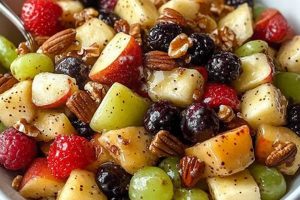
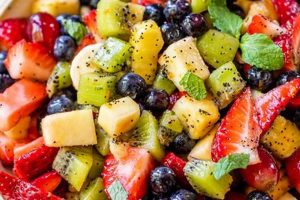
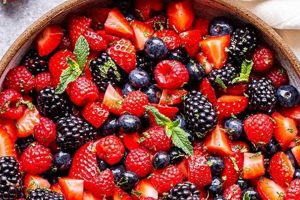
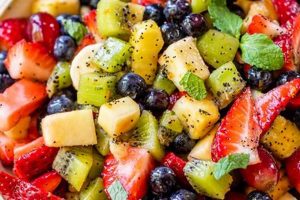
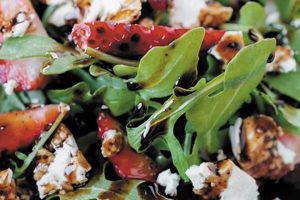
Fruit-infused salads offer a refreshing and straightforward approach to incorporating more produce into one’s diet. These dishes typically combine a base of leafy greens or other fresh vegetables with a variety of fruits, creating a balanced blend of sweet and savory flavors. A simple example might include spinach, strawberries, blueberries, and a light vinaigrette.
The incorporation of fruit into salads provides numerous nutritional benefits. Fruits contribute essential vitamins, minerals, and antioxidants, enhancing the overall health value of the meal. Furthermore, the natural sweetness of fruit often reduces the need for added sugars in dressings. Historically, fruit and vegetable combinations have been a staple in various cultures, demonstrating a long-standing appreciation for their combined flavors and nutritional value. The increasing emphasis on healthy eating has further propelled the popularity of these refreshing and versatile dishes.
This article will explore various simple and flavorful fruit salad combinations, offering guidance on ingredient selection, preparation techniques, and complementary dressings. Readers will discover how to create delicious and nutritious salads suitable for a variety of occasions.
Tips for Creating Delicious Fruit Salads
Successful fruit salads depend on a thoughtful approach to ingredient selection, preparation, and presentation. These tips offer guidance for crafting flavorful and visually appealing salads.
Tip 1: Select a Variety of Fruits: Combining fruits with different textures and sweetness levels creates a more complex and satisfying flavor profile. Consider incorporating berries, citrus fruits, melons, and stone fruits for a diverse mix.
Tip 2: Prioritize Fresh, Seasonal Produce: In-season fruits offer optimal flavor and nutritional value. Visiting local farmers’ markets can provide access to a wider range of seasonal options.
Tip 3: Balance Sweetness and Acidity: A balance of sweet and tart flavors is key to a well-rounded fruit salad. A squeeze of citrus juice or the addition of slightly tart berries can help achieve this balance.
Tip 4: Consider Textural Variety: Incorporate fruits with different textures to add interest. Combine soft fruits like berries and bananas with firmer options such as apples or pears.
Tip 5: Prepare Fruit Properly: Wash all fruits thoroughly. Peel and chop fruits into bite-sized pieces for easy consumption. Remove any pits or seeds.
Tip 6: Choose Complementary Dressings: Light vinaigrettes, honey-lime dressings, or even a simple drizzle of balsamic glaze can enhance the flavors of the fruit. Avoid heavy, creamy dressings that can overpower the delicate flavors.
Tip 7: Serve Immediately or Chill Briefly: Fruit salads are best served fresh. If prepared in advance, store chilled but avoid prolonged refrigeration, which can affect texture and flavor.
By following these guidelines, one can create fruit salads that are not only visually appealing but also deliver a burst of fresh, vibrant flavors and essential nutrients.
Incorporating these tips into salad preparation allows for a diverse range of flavorful and healthful meal options.
1. Fresh, Seasonal Fruits
The foundation of exceptional fruit salads rests upon the selection of fresh, seasonal produce. Utilizing in-season fruits not only maximizes flavor but also simplifies preparation, aligning perfectly with the concept of easy salad recipes. This emphasis on seasonality contributes significantly to both the taste and overall quality of the final dish.
- Enhanced Flavor Profiles
Fruits harvested at their peak ripeness possess a depth of flavor unmatched by out-of-season alternatives. A summer strawberry, for instance, offers a burst of sweetness and a vibrant aroma rarely found in berries shipped from afar during winter months. This inherent flavor intensity minimizes the need for excessive added sugars or complex dressings, further streamlining the recipe.
- Simplified Preparation
In-season fruits often require minimal preparation. Ripe peaches, for example, can be easily sliced and added directly to a salad, while berries require little more than a quick rinse. This ease of preparation contributes significantly to the overall simplicity of the recipe, making it ideal for quick meals or impromptu gatherings.
- Nutritional Value
Fruits at their peak ripeness generally offer optimal nutritional content. Consuming seasonal produce ensures maximum intake of vitamins, minerals, and antioxidants. This nutritional advantage elevates the health benefits of the salad, aligning with the growing emphasis on incorporating nutrient-rich foods into one’s diet.
- Cost-Effectiveness
Seasonal fruits are often more readily available and, therefore, more affordable. Leveraging seasonal produce reduces grocery costs without compromising quality or flavor, making healthy eating more accessible.
By prioritizing fresh, seasonal fruits, individuals can effortlessly create vibrant and flavorful salads that exemplify simplicity without sacrificing nutritional value or culinary appeal. This approach not only streamlines the cooking process but also celebrates the natural flavors offered by each season, contributing to a more enjoyable and healthful dining experience.
2. Simple Dressings
Simple dressings play a crucial role in enhancing the flavors of fruit salads without overshadowing the natural sweetness and delicate nuances of the fresh produce. The relationship between simple dressings and easy fruit salad recipes is symbiotic: the dressing complements the fruit, and the simplicity of the dressing contributes to the overall ease of preparation. A heavy or overly complex dressing can mask the delicate flavors of the fruit, whereas a light and straightforward dressing enhances the overall taste experience. A simple vinaigrette, for example, made with olive oil, lemon juice, and a touch of honey, provides a bright counterpoint to the sweetness of berries and the subtle tartness of apples, without overpowering the palate.
The practical significance of using simple dressings lies in the speed and ease of preparation. A simple vinaigrette can be whisked together in minutes, requiring minimal ingredients and effort. This aligns perfectly with the concept of “easy” recipes, where speed and convenience are paramount. Furthermore, simple dressings often rely on readily available pantry staples, reducing the need for specialized ingredients. A balsamic glaze, for instance, requires only balsamic vinegar, which can be reduced on the stovetop or purchased pre-made, offering a quick and flavorful dressing option. Lemon or lime juice, combined with a touch of honey or maple syrup, provides another example of a simple yet effective dressing that requires minimal preparation.
In conclusion, the choice of dressing significantly impacts the overall flavor profile and ease of preparation of fruit salads. Simple dressings, by virtue of their straightforward composition and quick preparation, are ideal complements to fresh fruit, allowing the natural flavors to shine through. This understanding emphasizes the importance of considering the dressing as an integral component of the recipe, contributing not only to the taste but also to the overall simplicity and accessibility of the dish. Selecting a dressing that complements rather than overwhelms the fruit ensures a balanced and enjoyable culinary experience.
3. Variety of Textures

Textural diversity contributes significantly to the sensory appeal of fruit salads, elevating them from simple mixtures to engaging culinary experiences. This variety stimulates multiple sensory receptors within the mouth, creating a more dynamic and satisfying interaction with the food. Crisp apples paired with soft berries, for example, offer a contrasting textural interplay that enhances enjoyment. The inclusion of crunchy elements, such as nuts or seeds, further amplifies this effect. A salad featuring grapes, melon, and chopped walnuts, for instance, provides a spectrum of textures, each contributing to a more complex and enjoyable experience. This principle operates on the understanding that a combination of textures is more stimulating and pleasurable than a uniform texture throughout a dish.
From a practical standpoint, incorporating varied textures often requires minimal additional preparation, aligning seamlessly with the “easy” aspect of these recipes. Sliced apples, halved grapes, and whole berries, for example, can be combined without complex processing. Even the addition of nuts or seeds typically requires no more than a rough chop or a sprinkle from a pre-packaged container. This inherent simplicity reinforces the convenience and accessibility of these salads. Furthermore, textural diversity can often be achieved using readily available ingredients, reducing the need for specialized purchases. Common pantry staples, such as almonds or sunflower seeds, can contribute significantly to textural complexity without requiring extra trips to the grocery store.
In summary, textural variation represents a crucial element in creating appealing and easy fruit salads. This diversity enhances sensory enjoyment and promotes satisfaction without adding complexity to the preparation process. Leveraging readily available ingredients and simple preparation techniques allows for the creation of dynamic and flavorful salads that exemplify both ease and culinary appeal. Understanding this connection allows for a more thoughtful and rewarding approach to fruit salad preparation, maximizing enjoyment and minimizing effort.
4. Quick Preparation
Quick preparation is a defining characteristic of easy fruit salad recipes, directly influencing their appeal and accessibility. The speed with which these salads can be assembled makes them ideal for busy individuals, impromptu gatherings, or light meals where time is a constraint. This emphasis on speed and simplicity aligns with contemporary culinary trends that prioritize convenience without sacrificing flavor or nutritional value.
- Minimal Processing
Many fruits require minimal processing before inclusion in a salad. Berries, grapes, and melon, for example, often need only a quick rinse and perhaps halving or slicing. This reduces preparation time significantly, contributing to the overall ease and speed of the recipe. Pre-cut fruit options available in many grocery stores further streamline this process.
- Simple Dressings
As previously discussed, simple dressings, often composed of just a few readily available ingredients, are key to quick preparation. A vinaigrette, for instance, can be whisked together in moments, adding flavor without demanding extensive time or effort. Pre-made dressings further simplify this step.
- Adaptability to Available Ingredients
Easy fruit salads readily accommodate substitutions based on available ingredients. If a specific type of berry is unavailable, another can easily replace it without altering the fundamental simplicity of the recipe. This adaptability contributes to the convenience of these salads, as they can be created using whatever fresh produce is on hand.
- No Specialized Equipment
Fruit salad preparation typically requires no specialized equipment beyond a knife and a cutting board. This lack of reliance on specialized tools further simplifies the process, making it accessible to anyone regardless of culinary expertise or kitchen resources.
The convergence of these factorsminimal processing, simple dressings, adaptability, and lack of specialized equipmentfirmly establishes quick preparation as a cornerstone of easy fruit salad recipes. This characteristic broadens their appeal, making them a practical and enjoyable option for a wide range of occasions and dietary preferences. The speed and ease with which these salads can be assembled encourages frequent consumption of fresh fruit, contributing to a healthier and more convenient dietary pattern.
5. Balanced Flavor Profiles

Balanced flavor profiles are essential to successful fruit salads, transforming simple ingredient combinations into complex and satisfying culinary experiences. Balancing sweetness, acidity, and other flavor components elevates the perceived complexity of the dish without necessitating complex preparation techniques. This balance prevents any single flavor from dominating, creating a harmonious blend that enhances palatability. For instance, the sweetness of strawberries can be balanced by the tartness of raspberries and the subtle tang of a citrus vinaigrette. Adding a creamy element, such as crumbled goat cheese, introduces another layer of flavor and texture, further contributing to the overall balance. The interplay of these contrasting yet complementary flavors is key to achieving a well-rounded and enjoyable salad.
The practical significance of this understanding lies in its direct application to recipe development and ingredient selection. Recognizing the importance of balanced flavors guides choices regarding fruit combinations and complementary dressings. A salad composed solely of sweet fruits, for example, might lack the complexity and depth of flavor offered by a salad that incorporates both sweet and tart elements. Similarly, a heavy, overly sweet dressing can mask the delicate flavors of the fruit, whereas a light vinaigrette with a hint of acidity enhances the natural sweetness. Understanding these principles allows for the creation of salads that are not only flavorful but also easy to prepare, as the focus remains on highlighting the natural flavors of the ingredients rather than relying on complex culinary techniques. Incorporating a salty element, like feta cheese or toasted nuts, can further enhance the flavor profile by contrasting the sweetness of the fruit.
In conclusion, balanced flavor profiles represent a crucial, yet often overlooked, aspect of easy fruit salad recipes. Achieving this balance elevates the sensory experience, transforming simple combinations into something more complex and satisfying. This principle underscores the importance of considering not only individual ingredient flavors but also their interaction within the dish. By understanding how different flavors complement and contrast one another, individuals can create easy-to-prepare fruit salads that are both nutritionally valuable and genuinely enjoyable, encouraging greater consumption of fresh produce. This awareness simplifies recipe development and empowers individuals to create delicious and healthy meals with minimal effort.
Frequently Asked Questions
This section addresses common inquiries regarding the creation and enjoyment of fruit-infused salads, offering practical guidance and clarifying potential misconceptions.
Question 1: How can browning of fruit be prevented in a salad?
Browning, an enzymatic reaction, can be minimized by coating cut fruit with a light layer of lemon or lime juice. This acidic treatment inhibits the enzyme responsible for discoloration. Alternatively, using a commercial anti-browning product specifically designed for fresh fruit can effectively prevent browning.
Question 2: What are optimal storage methods for fruit salads?
Fruit salads are best consumed fresh. If storage is necessary, place the salad in an airtight container in the refrigerator. Consume within 24 hours for optimal quality. Separating easily-bruised fruits, such as berries, can help maintain their integrity.
Question 3: Can frozen fruit be utilized in these salads?
While fresh fruit is generally preferred, frozen fruit can be incorporated. Thaw fruit completely before adding to the salad to prevent excess moisture. Frozen berries, for instance, can add a refreshing chill to summer salads.
Question 4: How can one balance sweetness levels effectively?
Balancing sweetness involves incorporating a variety of fruits with differing sugar content. Tart fruits, such as kiwi or grapefruit segments, can offset the sweetness of bananas or mangoes. A slightly acidic dressing can also contribute to balancing the overall flavor profile.
Question 5: Are there non-leafy green alternatives for salad bases?
Leafy greens are not mandatory. Alternative bases include chopped cucumbers, fennel, or even a bed of quinoa or couscous. These alternatives offer diverse textures and flavors, expanding recipe possibilities.
Question 6: How can nutritional value be maximized?
Nutritional value is maximized by incorporating a variety of colorful fruits. Different colors often indicate the presence of different vitamins and antioxidants. Adding a sprinkle of nuts or seeds further boosts nutritional content.
These responses provide a foundational understanding of key considerations for creating flavorful and enjoyable fruit salads.
This information serves as a basis for exploring more specific recipe variations and culinary techniques related to fruit salad preparation.
Conclusion
Exploration of straightforward fruit salad preparation reveals the accessibility of incorporating fresh produce into daily diets. Emphasis on fresh, seasonal ingredients, coupled with simple dressings and varied textures, yields flavorful and nutritionally valuable meals. Quick preparation techniques further enhance the practicality of these recipes, aligning with contemporary lifestyles. Balancing flavor profiles through strategic fruit selection and complementary dressings ensures a satisfying culinary experience without complex procedures. Addressing common inquiries regarding browning prevention, storage, and ingredient substitution empowers informed culinary choices.
The simplicity and adaptability of fruit-infused salads position them as versatile culinary tools promoting healthful eating habits. Continued exploration of flavor combinations and seasonal variations promises an evolving landscape of culinary possibilities, encouraging creativity and enjoyment within the realm of healthy cuisine.