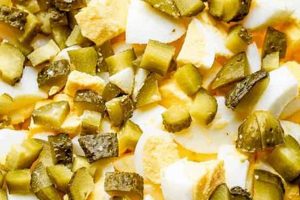
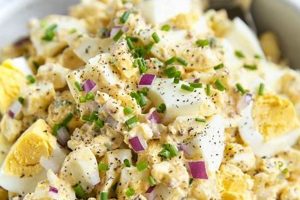
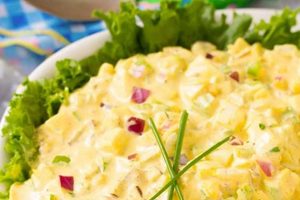
A blend of hard-boiled eggs, mayonnaise, and seasonings, often incorporating mustard, celery, onion, and relish, constitutes a versatile spread. This mixture can be enjoyed as a sandwich filling, a topping for crackers or crudits, or as a component in deviled eggs.
This culinary creation offers a convenient and protein-rich option for quick meals, snacks, or appetizers. Its adaptable nature allows for variations based on personal preferences and dietary needs. From simple preparations to more complex renditions with gourmet ingredients, this dish has remained a staple in many cultures for generations, highlighting the versatility and enduring appeal of the egg as a culinary cornerstone.
Further exploration will delve into variations on this classic preparation, offering guidance on ingredient selection, techniques for achieving optimal texture and flavor, and creative presentation suggestions.
Tips for an Exceptional Egg Salad Dip
Optimizing an egg salad dip involves careful consideration of ingredients, techniques, and presentation. The following tips offer guidance for achieving superior results.
Tip 1: Perfect Egg Cooking: Overcooked yolks result in a dry, crumbly texture. Simmer eggs for 8-10 minutes, then immediately transfer them to an ice bath to halt the cooking process and promote easy peeling. This method yields yolks with a creamy consistency ideal for a smooth dip.
Tip 2: Mayonnaise Matters: High-quality mayonnaise forms the foundation of flavor. Experiment with different brands or consider making mayonnaise from scratch for a richer, more nuanced taste.
Tip 3: Texture Enhancement: Finely chopped celery and red onion contribute a satisfying crunch. Alternatively, consider incorporating diced pickles, water chestnuts, or apples for textural variation.
Tip 4: Seasoning Savvy: Dijon mustard, fresh dill, paprika, and cayenne pepper add depth and complexity. Adjust seasoning incrementally to achieve the desired flavor profile.
Tip 5: Freshness First: Utilize the freshest ingredients possible. Fresh herbs, like chives or parsley, offer vibrant flavor and visual appeal.
Tip 6: Mindful Mashing: Over-mashing the yolks results in a paste-like consistency. For a more textured dip, coarsely mash the yolks, leaving some larger pieces for added interest.
Tip 7: Chill Out: Chilling the dip for at least 30 minutes allows the flavors to meld and enhances the overall experience. This step also firms the dip, making it easier to serve.
By employing these strategies, one can elevate a simple egg salad dip to a culinary delight, ensuring a balanced flavor profile and a pleasing texture.
These tips provide a framework for creating an exceptional egg salad dip, offering a foundation for further experimentation and personalization.
1. High-quality Ingredients

The quality of ingredients directly impacts the overall flavor, texture, and enjoyment of an egg salad dip. Superior ingredients elevate this simple dish from ordinary to exceptional. Careful selection of each component contributes to a more satisfying culinary experience.
- Eggs:
Fresh, high-quality eggs are paramount. Farm-fresh or organic eggs often possess richer yolks and a superior flavor profile. The quality of the eggs influences both the taste and texture of the final product. Using older eggs can result in a less vibrant flavor and a potentially unpleasant sulfurous odor.
- Mayonnaise:
Mayonnaise constitutes the base of the dip, making its quality crucial. Choosing a high-quality mayonnaise, preferably one made with real ingredients and minimal preservatives, significantly enhances the overall flavor. Exploring different types of mayonnaise, such as olive oil-based or flavored varieties, offers opportunities for customization.
- Produce:
Fresh, crisp produce like celery, onions, and herbs contribute textural complexity and bright flavors. Opting for organic produce minimizes exposure to pesticides and often results in a more vibrant taste. The freshness of these ingredients directly impacts the overall quality and appeal of the dip.
- Seasonings:
High-quality seasonings, including freshly ground black pepper, sea salt, and Dijon mustard, elevate the flavor profile. Using fresh herbs like dill or chives adds a vibrant touch. The careful selection of seasonings distinguishes an ordinary egg salad dip from a truly exceptional one.
By prioritizing high-quality ingredients in each of these categories, one ensures a richer, more nuanced flavor profile and a superior textural experience. The investment in quality translates directly to a more enjoyable and satisfying egg salad dip, demonstrating that even simple dishes benefit significantly from superior components.
2. Proper Egg Cooking

Proper egg cooking is fundamental to a successful egg salad dip recipe. The desired texture of the final product relies heavily on achieving perfectly cooked yolks. Overcooked yolks become dry, crumbly, and chalky, resulting in a less palatable dip. Conversely, undercooked yolks create a runny, unappetizing consistency. The ideal yolk exhibits a firm yet creamy texture, binding the other ingredients effectively and contributing to a smooth, flavorful dip.
The impact of cooking time on yolk texture is demonstrable. An egg simmered for 6-7 minutes will possess a soft, almost jammy yolk, suitable for deviled eggs but less ideal for egg salad. Extending the cooking time to 8-10 minutes yields a firm, creamy yolkperfect for binding the ingredients of the dip while maintaining a desirable texture. Overcooking, extending beyond 12 minutes, results in a dry, crumbly yolk that negatively affects the final product’s overall quality.
The connection between proper egg cooking and a quality egg salad dip lies in the yolk’s role as an emulsifier and flavor carrier. A properly cooked yolk blends seamlessly with mayonnaise and other ingredients, creating a cohesive and flavorful mixture. This understanding allows for consistent results, ensuring the egg salad dip maintains its desired texture and taste profile. Mastery of this basic culinary technique significantly contributes to the successful execution of the recipe, highlighting the importance of precision even in seemingly simple preparations.
3. Flavorful Additions
Flavorful additions elevate egg salad dip beyond a simple combination of eggs and mayonnaise. These additions introduce complexity, depth, and textural variation, transforming a basic recipe into a culinary experience. Strategic incorporation of complementary ingredients enhances the overall flavor profile, offering a spectrum of possibilities to cater to individual preferences.
- Aromatics:
Aromatics like finely diced red onion, shallots, or chives impart a pungent bite and enhance the overall savoriness. These ingredients contribute not only flavor but also a subtle textural contrast. The sharp notes of these aromatics cut through the richness of the mayonnaise and eggs, creating a more balanced and dynamic flavor profile.
- Herbs:
Fresh herbs introduce a bright, refreshing element. Dill, parsley, tarragon, and chives offer distinct flavor profiles that complement the richness of the egg yolks. The choice of herbs can significantly influence the final character of the dip, allowing for customization based on desired taste preferences. Fresh herbs provide a vibrant counterpoint to the creamy base.
- Spices:
Spices like paprika, cayenne pepper, or dry mustard contribute depth and warmth. A dash of smoked paprika adds a smoky dimension, while cayenne pepper introduces a subtle heat. The judicious use of spices allows for nuanced flavor adjustments, catering to varying palates and adding complexity to the dip.
- Textural Elements:
Incorporating ingredients that provide textural contrast enhances the eating experience. Finely diced celery, water chestnuts, or chopped pickles offer a satisfying crunch. These additions create a more dynamic mouthfeel, preventing the dip from becoming monotonous. The interplay of textures adds another layer of enjoyment to the dish.
The considered inclusion of flavorful additions transforms egg salad dip from a basic staple into a versatile and customizable dish. The interplay of aromatics, herbs, spices, and textural elements elevates the sensory experience, offering a multitude of flavor combinations to explore and enjoy. These additions contribute not only to taste but also to the overall appeal and complexity of the final product, showcasing the potential for culinary creativity even within simple recipes.
4. Balanced Seasoning
Balanced seasoning is crucial for a successful egg salad dip recipe. It elevates the dish beyond a simple combination of ingredients, creating a harmonious flavor profile. Seasoning influences not only taste but also perceived texture and overall enjoyment. An imbalance can lead to a bland or overly salty dip, masking the delicate flavors of the eggs and other components. Conversely, appropriate seasoning enhances the inherent flavors, creating a more nuanced and satisfying culinary experience. For instance, a pinch of salt amplifies the natural sweetness of the eggs, while a touch of acidity from lemon juice or vinegar brightens the overall flavor profile. The interplay of salt, acid, and other seasonings, such as black pepper, dry mustard, or paprika, creates depth and complexity, preventing the dip from tasting one-dimensional.
Consider the impact of salt. Insufficient salt renders the dip bland and lifeless, failing to engage the palate. Excessive salt overpowers the other ingredients, creating an unpleasant, harsh taste. The optimal amount of salt enhances the existing flavors without dominating them. This principle extends to other seasonings as well. A touch of black pepper adds a subtle warmth, while a hint of Dijon mustard contributes a nuanced tang. The careful balancing of these elements results in a symphony of flavors, transforming a simple egg salad dip into a delightful culinary creation. Understanding this interplay allows for precise adjustments to cater to individual preferences, achieving a flavor profile that is both balanced and satisfying.
Mastery of balanced seasoning significantly contributes to the success of an egg salad dip recipe. It demonstrates an understanding of how different flavors interact and enhance one another. This knowledge allows for consistent, predictable results, ensuring the final product is not only palatable but also enjoyable. It transforms the act of preparing egg salad dip from a mechanical process into a culinary endeavor, highlighting the importance of nuance and precision in achieving optimal flavor. The ability to balance seasonings effectively translates to other culinary applications, demonstrating a foundational skill applicable to a wide range of dishes.
5. Appropriate Texture

Texture plays a critical role in the overall enjoyment of egg salad dip. The desired texture often hinges on a balance between creamy and chunky elements. This balance affects mouthfeel and perceived flavor release. A dip that is overly smooth can feel heavy and pasty, while an excessively chunky dip lacks cohesion and may be perceived as dry. The ideal texture provides a pleasant contrast, engaging the palate with a combination of smooth and coarse elements. This textural complexity enhances the eating experience, contributing to a more satisfying and enjoyable dish.
Several factors influence the final texture. Mashing technique significantly impacts the consistency. Over-mashing results in a smooth, paste-like texture, while under-mashing leaves larger chunks of egg, contributing to a coarser feel. The size of additional ingredients, such as chopped celery or onion, also contributes to textural variation. Finely diced additions create a smoother dip, while coarser chops introduce more pronounced textural contrast. The ratio of mayonnaise to egg also plays a role. Too much mayonnaise results in a looser, more fluid dip, while too little mayonnaise yields a denser, drier mixture. Understanding these factors allows for control over the final texture, enabling customization based on individual preferences.
Achieving the appropriate texture elevates the sensory experience of consuming egg salad dip. It ensures a pleasant mouthfeel and facilitates optimal flavor release. A well-executed balance of textures contributes to a more satisfying and enjoyable culinary experience. This attention to detail transforms a simple dish into a more refined and pleasurable culinary creation, highlighting the impact of textural considerations on overall enjoyment.
6. Effective Chilling
Effective chilling is an essential step in preparing egg salad dip, contributing significantly to both food safety and flavor development. Lowering the temperature of the mixture inhibits bacterial growth, ensuring the dip remains safe for consumption. Furthermore, chilling allows the flavors of the various ingredients to meld and mature, resulting in a more cohesive and nuanced flavor profile.
- Food Safety:
Chilling the egg salad dip promptly after preparation is crucial for minimizing bacterial growth. Harmful bacteria can proliferate rapidly at room temperature, posing a risk of foodborne illness. Effective chilling, ideally below 40F (4C), significantly slows bacterial growth, ensuring the dip remains safe to consume for an extended period. This practice aligns with established food safety guidelines, demonstrating a commitment to safe food handling practices.
- Flavor Development:
Chilling allows the diverse flavors within the egg salad dip to harmonize and intensify. The time spent in the refrigerator allows the ingredients, such as mayonnaise, mustard, and seasonings, to fully integrate with the eggs, creating a more balanced and complex flavor profile. This maturation process enhances the overall taste experience, resulting in a more satisfying and enjoyable dip.
- Texture Enhancement:
Chilling firms the consistency of the egg salad dip, making it easier to spread and serve. The cooler temperature solidifies the mayonnaise and other ingredients, resulting in a more cohesive texture that holds its shape better. This improved texture contributes to a more aesthetically pleasing presentation and enhances the overall eating experience.
- Optimal Serving Temperature:
A chilled egg salad dip offers a refreshing and palatable experience. Serving the dip cold enhances its inherent flavors and provides a welcome contrast to other dishes, particularly during warmer months. This attention to serving temperature demonstrates an understanding of how temperature affects sensory perception and contributes to a more enjoyable dining experience.
Effective chilling demonstrates a commitment to both food safety and culinary excellence. It is a simple yet crucial step that safeguards against bacterial growth and enhances the overall flavor and texture of the egg salad dip. This practice highlights the importance of proper food handling techniques in creating a dish that is both safe and enjoyable to consume, transforming a basic preparation into a more refined culinary experience.
7. Creative Presentation
Creative presentation elevates egg salad dip from a simple dish to a visually appealing and engaging culinary experience. Thoughtful presentation enhances perceived value and stimulates appetite, transforming a basic preparation into a more refined and memorable offering. Consideration of serving vessels, accompanying elements, and garnishes contributes significantly to the overall impression, demonstrating attention to detail and culinary artistry.
- Serving Vessels:
Moving beyond traditional bowls, consider utilizing hollowed-out vegetables like tomatoes or bell peppers for a striking presentation. Alternatively, serving the dip in individual ramekins or small glass jars adds a touch of elegance and portion control. The choice of serving vessel can complement the dip’s colors and textures, creating a visually harmonious presentation.
- Accompaniments:
The selection of accompaniments provides opportunities for both flavor and visual enhancement. Offering a variety of crackers, crudits, or toasted baguette slices allows for personalized flavor combinations and adds textural contrast. Arranging these accompaniments artfully around the dip creates a visually appealing spread, inviting guests to sample and explore different pairings.
- Garnishes:
Strategic garnishing adds a final flourish, enhancing visual appeal and providing subtle flavor accents. Fresh herbs like chives, dill, or parsley offer a vibrant pop of color and a refreshing aroma. A sprinkle of paprika or a dusting of finely chopped hard-boiled egg adds visual interest and reinforces the dip’s key ingredients. Garnishes should be chosen thoughtfully, complementing the dip’s flavors and overall presentation.
- Plating Techniques:
Employing basic plating techniques further enhances the visual presentation. Using a piping bag to create swirls or rosettes of egg salad dip adds texture and visual appeal. Creating layers with contrasting colors, such as a bed of lettuce or a sprinkle of chopped vegetables, adds depth and dimension to the presentation. These techniques demonstrate attention to detail and elevate the dish beyond a simple preparation.
Creative presentation elevates the dining experience, transforming egg salad dip from a simple staple into a visually appealing and memorable dish. By considering serving vessels, accompaniments, garnishes, and plating techniques, one can create a presentation that is both aesthetically pleasing and enhances the overall enjoyment of the dish. These elements contribute to a more refined and engaging culinary experience, showcasing the potential for creativity and artistry in even the simplest of preparations.
Frequently Asked Questions
This section addresses common inquiries regarding egg salad dip preparation, storage, and variations. Clarification on these points aims to provide a comprehensive understanding of this versatile dish.
Question 1: How long can egg salad dip be stored safely?
Refrigerated egg salad dip typically remains safe for consumption for three to five days when stored in an airtight container. Beyond this timeframe, the risk of bacterial growth increases significantly.
Question 2: Can egg salad dip be frozen?
Freezing is not recommended. Freezing negatively impacts the texture of the mayonnaise, resulting in a watery and separated dip upon thawing. The delicate emulsion breaks down, compromising the overall quality and palatability.
Question 3: How can one prevent egg salad dip from becoming watery?
Thoroughly draining the cooked eggs before chopping prevents excess moisture. Additionally, using high-quality mayonnaise and avoiding over-mashing the yolks contributes to a firmer consistency.
Question 4: What are some suitable alternatives to mayonnaise?
Plain Greek yogurt or avocado can be substituted for mayonnaise, offering a lighter, healthier alternative. These substitutions alter the flavor profile but provide a creamy base with different nutritional benefits.
Question 5: How can one adjust the flavor profile of egg salad dip?
Incorporating various seasonings and additions allows for flavor customization. Consider adding ingredients like Dijon mustard, curry powder, hot sauce, or chopped fresh herbs to create unique flavor combinations.
Question 6: What are some creative ways to serve egg salad dip?
Beyond traditional crackers or bread, egg salad dip can be served with crudits, inside hollowed-out tomatoes, or as a filling for deviled eggs or lettuce wraps. These variations offer diverse presentation options and expand culinary possibilities.
Addressing these common inquiries provides a more complete understanding of egg salad dip preparation and storage. This knowledge empowers individuals to create and enjoy this versatile dish safely and confidently.
The subsequent sections will offer detailed recipes and variations, enabling exploration and enjoyment of this culinary staple.
Conclusion
Exploration of the elements contributing to a successful egg salad dip recipe reveals the importance of ingredient quality, precise cooking techniques, balanced seasoning, and thoughtful presentation. From the selection of fresh eggs and mayonnaise to the incorporation of flavorful additions and the consideration of textural nuances, each component plays a crucial role in the final product. Effective chilling techniques ensure both food safety and optimal flavor development, while creative presentation elevates the dish from simple fare to a visually appealing culinary experience.
Preparation of egg salad dip offers an opportunity to explore culinary creativity within a classic framework. Understanding the interplay of ingredients and techniques empowers individuals to adapt and refine recipes to suit individual preferences, ensuring continued enjoyment and appreciation of this versatile dish. Further experimentation with flavor combinations and presentation styles promises continued evolution and enjoyment of this culinary staple.