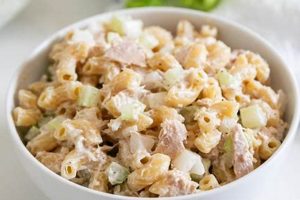
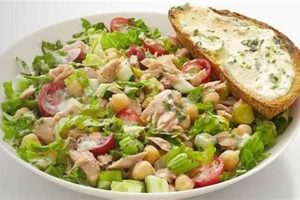
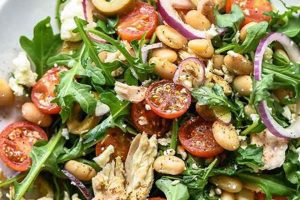
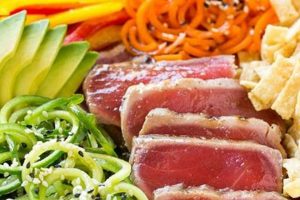
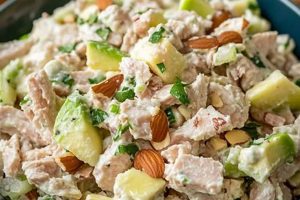
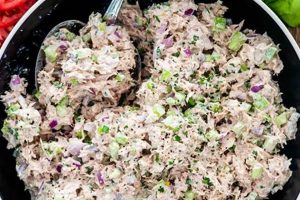
A plant-based alternative to traditional tuna salad replicates the flavor and texture of tuna using ingredients like chickpeas, hearts of palm, artichoke hearts, or jackfruit. These ingredients are often seasoned with ingredients that mimic traditional tuna salad flavors, such as celery, onion, vegan mayonnaise, and seaweed, offering a satisfying dish without the use of fish.
This dish provides a valuable source of plant-based protein and fiber, catering to dietary restrictions and ethical choices related to fish consumption and sustainability. It offers a versatile option for sandwiches, wraps, salads, or as a dip, appealing to a broad range of palates. The rising popularity of plant-based diets has driven innovation in this area, leading to diverse and flavorful recipes that cater to different taste preferences and culinary traditions.
The following sections will delve into specific ingredient selections, preparation techniques, nutritional information, and variations on this culinary concept.
Tips for Creating Delicious Vegetarian Tuna Salad
Elevating a vegetarian tuna salad from adequate to exceptional involves attention to detail and a nuanced understanding of flavor profiles. The following tips provide guidance for achieving optimal results.
Tip 1: Choose the Right Base: The foundation of a successful vegetarian tuna salad lies in the choice of its primary ingredient. Chickpeas offer a neutral flavor and firm texture, while hearts of palm provide a delicate, briny taste. Jackfruit, with its stringy texture, mimics the flakiness of tuna, and artichoke hearts lend a slightly tangy flavor.
Tip 2: Enhance Texture: Finely chopping celery and red onion provides a satisfying crunch and complements the chosen base. Pulsed nuts or seeds can also contribute textural complexity.
Tip 3: Master the Marinade: A well-balanced marinade elevates the flavors of the base ingredient. Consider using a combination of vegan mayonnaise, lemon juice, Dijon mustard, and nutritional yeast for a savory, umami-rich profile.
Tip 4: Incorporate Seaweed for Authenticity: Dulse or nori seaweed flakes impart a subtly oceanic flavor, reminiscent of traditional tuna salad.
Tip 5: Seasoning is Key: Salt and freshly ground black pepper are essential, but consider adding a pinch of smoked paprika, dill, or celery seed to further enhance the flavor profile.
Tip 6: Chill Before Serving: Allowing the salad to chill for at least 30 minutes in the refrigerator allows the flavors to meld and the textures to settle.
Tip 7: Explore Creative Serving Options: While classic sandwich or wrap fillings are popular choices, consider serving the salad on crackers, lettuce cups, or as a topping for baked potatoes.
By incorporating these tips, one can create a vegetarian tuna salad that is both flavorful and satisfying, offering a delightful alternative to traditional recipes.
These culinary strategies empower individuals to craft exceptional vegetarian tuna salads tailored to individual preferences. The subsequent section offers concluding thoughts on the versatility and benefits of this culinary creation.
1. Ingredient Selection

Ingredient selection is paramount in crafting a successful vegetarian tuna salad. The chosen components determine not only the flavor profile but also the nutritional value and textural experience. Strategic selection caters to specific dietary needs and taste preferences, transforming a simple dish into a culinary expression. The interplay of ingredients creates a cohesive and balanced final product. For example, opting for chickpeas as a base offers a neutral flavor profile, readily absorbing the accompanying seasonings and creating a hearty texture. Conversely, hearts of palm provide a subtly briny flavor and a more delicate texture, influencing the overall taste and mouthfeel.
Selecting ingredients that mimic the texture and taste of traditional tuna salad is crucial for achieving a satisfying plant-based alternative. Jackfruit, with its naturally stringy texture, offers a convincing substitute for flaked tuna. Incorporating ingredients rich in umami, such as nutritional yeast or seaweed flakes, helps replicate the savory depth of traditional tuna. Furthermore, the inclusion of fresh vegetables like celery and red onion adds a crisp, refreshing counterpoint to the richness of the base ingredient, while spices such as dill, celery seed, and black pepper enhance complexity. Each ingredient contributes to a cohesive final product, illustrating the importance of thoughtful selection.
Successful ingredient selection hinges on a thorough understanding of desired flavor profiles, textural elements, and nutritional goals. Careful consideration of these factors enables the creation of a vegetarian tuna salad that not only satisfies but also offers a nutritious and flavorful culinary experience. This process allows for adaptability and customization, reflecting individual preferences and dietary requirements while maintaining the essence of a classic dish. The judicious combination of ingredients elevates the vegetarian tuna salad beyond a simple substitute, transforming it into a stand-alone culinary creation.
2. Flavor Balancing
Flavor balancing is essential for a successful vegetarian tuna salad recipe. A harmonious blend of tastes elevates the dish beyond a simple imitation, creating a complex and satisfying culinary experience. Careful consideration of contrasting and complementary flavors ensures a well-rounded and palatable final product.
- Salt and Acidity
The interplay of salt and acidity provides a foundational balance in vegetarian tuna salad. Salt enhances the inherent flavors of the ingredients, while acidity brightens the overall profile and cuts through richness. Lemon juice or apple cider vinegar provide necessary acidity, balancing the savory notes of the base ingredient and seasonings. This dynamic duo creates a vibrant flavor profile that prevents the salad from tasting bland or overly rich.
- Umami and Sweetness
Umami, the savory fifth taste, plays a crucial role in replicating the depth of flavor found in traditional tuna salad. Ingredients like nutritional yeast, seaweed flakes, or soy sauce contribute umami notes, adding complexity and richness. A touch of sweetness, from a finely diced apple or a dash of maple syrup, can balance the savory and acidic components, creating a more nuanced flavor profile. This balance ensures a satisfyingly savory dish without being overpowering.
- Spice and Herbs
The strategic use of spices and herbs elevates the flavor profile of vegetarian tuna salad. Black pepper provides a subtle heat, while dill, celery seed, or smoked paprika introduce aromatic complexity. Fresh herbs, such as dill or parsley, add brightness and freshness. These elements contribute layers of flavor that move beyond basic seasoning, creating a more dynamic and interesting culinary experience.
- Texture and Flavor Interaction
Texture plays a significant role in flavor perception. The creamy texture of the base ingredient, whether chickpeas, hearts of palm, or avocado, interacts with the crunch of celery and red onion, creating a multi-dimensional sensory experience. This interplay of textures enhances the overall enjoyment of the salad, making each bite more satisfying. The combination of creamy, crunchy, and savory elements creates a cohesive and enjoyable experience.
By carefully considering the interplay of these flavor components, one can create a vegetarian tuna salad that is not only a satisfying substitute but a delicious dish in its own right. The balance of flavors transforms simple ingredients into a complex and enjoyable culinary creation, offering a delightful and healthful alternative to traditional tuna salad.
3. Textural Complexity
Textural complexity contributes significantly to the overall enjoyment of vegetarian tuna salad. A balance of textures creates a more engaging and satisfying culinary experience, elevating the dish beyond a simple imitation of traditional tuna salad. The interplay of contrasting textures enhances the sensory experience, making each bite more dynamic and enjoyable.
- Base Ingredient Texture
The base ingredient establishes the foundational texture of the salad. Chickpeas offer a firm, slightly grainy texture, while hearts of palm provide a softer, more delicate mouthfeel. Jackfruit, with its stringy texture, mimics the flakiness of tuna, while finely chopped or shredded artichoke hearts offer a tender, slightly fibrous texture. Selecting the appropriate base ingredient lays the groundwork for the desired textural profile.
- Vegetable Additions for Crispness
Incorporating crisp vegetables, such as finely diced celery, red onion, or water chestnuts, introduces a contrasting textural element. These additions provide a refreshing crunch that complements the softer texture of the base ingredient, preventing the salad from becoming monotonous. The interplay of soft and crisp textures enhances the overall enjoyment.
- Nuts and Seeds for Added Depth
Toasted and chopped nuts or seeds, like walnuts, sunflower seeds, or pumpkin seeds, introduce another layer of textural complexity. These additions provide a satisfying crunch and contribute a subtle nutty flavor, further enhancing the sensory experience. The inclusion of nuts or seeds offers a textural counterpoint to both the base ingredient and the crisp vegetables.
- Pulse Technique for Texture Control
The degree to which the base ingredient is processed impacts the final texture. A coarser chop maintains a more substantial bite, while a finer pulse creates a smoother, more spreadable consistency. This control allows for customization based on individual preferences and intended use. For example, a coarser texture might be preferred for sandwiches, while a smoother consistency is ideal for dips or spreads.
The strategic combination of these textural elements creates a vegetarian tuna salad that is both satisfying and engaging. A well-balanced texture profile elevates the culinary experience, offering a more nuanced and enjoyable alternative to traditional tuna salad. The careful consideration of textural complexity demonstrates a commitment to culinary excellence, transforming a simple dish into a sophisticated and satisfying meal.
4. Preparation Techniques
Preparation techniques significantly influence the final quality and flavor profile of vegetarian tuna salad. Proper execution of these techniques ensures optimal texture, enhances flavor development, and contributes to the overall success of the dish. From ingredient preparation to mixing and chilling, each step plays a crucial role in creating a delicious and satisfying culinary experience.
- Ingredient Preparation
Careful ingredient preparation is foundational to a successful outcome. Washing and properly draining ingredients like chickpeas or hearts of palm removes excess liquid, preventing a watery salad. Consistent chopping ensures even distribution of ingredients and promotes balanced flavor throughout the dish. Precise knife skills contribute to both the aesthetic appeal and the textural consistency of the final product. For instance, uniformly diced celery and red onion not only look appealing but also ensure a balanced crunch in every bite.
- Mixing Techniques
The method of combining ingredients impacts the final texture and flavor integration. Gentle folding prevents overmixing, which can lead to a mushy texture, particularly when using softer base ingredients like chickpeas or avocado. Thorough but delicate mixing ensures even distribution of seasonings and prevents pockets of unflavored ingredients. This technique promotes a cohesive flavor profile throughout the salad. Using a spatula instead of a spoon allows for more controlled mixing and reduces the risk of crushing delicate ingredients.
- Flavor Development through Marinating
Marinating the prepared ingredients allows for deeper flavor development. A brief chilling period, even 30 minutes, allows the flavors to meld and intensify. This step is crucial for achieving a well-balanced and flavorful salad. The marinade, whether a simple vinaigrette or a more complex blend of vegan mayonnaise and spices, permeates the ingredients, resulting in a more harmonious flavor profile. Chilling also firms the texture of the salad, making it easier to handle and serve.
- Chilling and Serving
Chilling the salad before serving is essential for both food safety and flavor enhancement. Cold temperatures inhibit bacterial growth and maintain the freshness of the ingredients. Chilling also allows the flavors to meld further, resulting in a more cohesive and balanced taste. Furthermore, a chilled salad holds its shape better, facilitating cleaner presentation whether served in sandwiches, wraps, or on crackers. Attention to proper chilling techniques demonstrates a commitment to both safety and culinary excellence.
Mastery of these preparation techniques ensures a consistently delicious and satisfying vegetarian tuna salad. Precise execution of each step, from ingredient preparation to chilling, contributes to the overall quality of the dish, elevating it from a simple substitute to a culinary creation worthy of appreciation. The careful attention to these techniques demonstrates a commitment to culinary excellence and ensures a consistently enjoyable dining experience.
5. Presentation and Serving
Presentation and serving significantly impact the perceived quality and enjoyment of vegetarian tuna salad. While flavor and texture are paramount, visual appeal and thoughtful presentation elevate the dining experience. Consideration of serving vessels, accompanying elements, and portion sizes contributes to a more satisfying and aesthetically pleasing meal. This attention to detail transforms a simple dish into a culinary statement, enhancing its perceived value and overall enjoyment.
Serving vegetarian tuna salad in a hollowed-out avocado, for example, not only provides visual interest but also complements the flavors of the salad. Using crisp lettuce cups offers a refreshing and lighter alternative to bread, enhancing the textural contrast. Garnishing with fresh herbs, such as dill or parsley, adds a touch of elegance and reinforces the fresh flavors of the salad. These seemingly small details demonstrate culinary finesse and contribute to a more sophisticated dining experience. Accompanying the salad with whole-grain crackers or crudits offers textural variety and adds nutritional value. Thoughtful portioning ensures appropriate serving sizes and prevents food waste, demonstrating consideration for both diners and resource management.
Effective presentation and serving enhance the overall perception and enjoyment of vegetarian tuna salad. Careful consideration of these elements elevates the dish beyond basic sustenance, transforming it into a more refined and satisfying culinary experience. This attention to detail communicates care and attention, contributing to a more positive and memorable dining experience. Ultimately, the combination of thoughtful presentation, appropriate portioning, and complementary accompaniments elevates vegetarian tuna salad from a simple dish to a culinary creation worthy of appreciation.
Frequently Asked Questions
This section addresses common inquiries regarding vegetarian tuna salad, providing concise and informative responses to clarify potential uncertainties and misconceptions.
Question 1: What is the primary purpose of a vegetarian tuna salad recipe?
Vegetarian tuna salad recipes offer a plant-based alternative to traditional tuna salad, catering to individuals seeking to reduce or eliminate fish consumption for ethical, environmental, or health reasons.
Question 2: What are the typical base ingredients used in these recipes?
Common base ingredients include chickpeas, hearts of palm, artichoke hearts, and jackfruit, chosen for their ability to mimic the texture and/or flavor of tuna.
Question 3: How can one achieve a “fishy” flavor in a vegetarian tuna salad?
Seaweed flakes, such as dulse or nori, impart a subtle oceanic flavor, while kelp granules offer a more pronounced briny taste. These ingredients contribute to replicating the flavor profile of traditional tuna salad.
Question 4: What are the key nutritional benefits of choosing a vegetarian tuna salad?
Vegetarian tuna salad typically offers higher fiber and lower saturated fat content compared to traditional tuna salad. It also provides plant-based protein and various vitamins and minerals, depending on the chosen ingredients.
Question 5: How can one enhance the textural complexity of vegetarian tuna salad?
Incorporating finely diced celery, red onion, or water chestnuts adds crispness, while toasted nuts or seeds contribute a satisfying crunch. Adjusting the processing of the base ingredient, from coarse chopping to a finer pulse, further influences the final texture.
Question 6: What are some creative serving suggestions beyond the traditional sandwich?
Vegetarian tuna salad can be served in lettuce cups, on crackers or crudits, as a filling for baked potatoes, or as a component in a larger salad. It also makes a flavorful topping for avocado toast or a dip for vegetables.
Understanding these key aspects of vegetarian tuna salad recipes facilitates informed choices regarding ingredient selection, preparation methods, and serving options. This knowledge empowers individuals to create delicious and satisfying plant-based meals aligned with their dietary preferences and health goals.
This concludes the frequently asked questions section. The following section provides a concise conclusion, summarizing key information and offering final recommendations.
Conclusion
Exploration of vegetarian tuna salad recipes reveals a versatile and innovative approach to plant-based cuisine. Careful selection of base ingredients, such as chickpeas, hearts of palm, or jackfruit, combined with strategic use of seasonings and textural elements, allows for successful replication of traditional tuna salad’s flavor profile and sensory experience. Emphasis on flavor balancing, incorporating acidity, umami, and spices, creates a complex and satisfying dish that stands on its own culinary merits. Furthermore, understanding preparation techniques, including proper mixing and chilling methods, contributes significantly to the final product’s quality and enjoyment. The adaptability of vegetarian tuna salad to various serving formats, from sandwiches and wraps to lettuce cups and avocado boats, highlights its versatility and potential for creative culinary expression.
Vegetarian tuna salad represents a significant step towards embracing sustainable and compassionate food choices. Its rising popularity reflects a growing awareness of the environmental and ethical implications of traditional seafood consumption. Continued culinary innovation in this area promises further development of delicious and accessible plant-based alternatives, contributing to a more sustainable and health-conscious future. The potential for customization and adaptation to individual dietary needs and preferences positions vegetarian tuna salad as a valuable addition to any culinary repertoire.