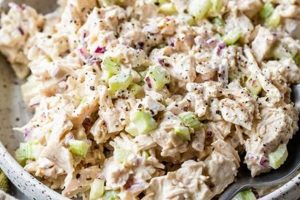
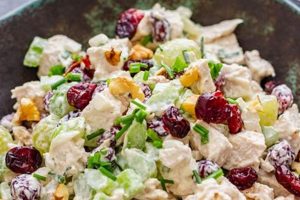
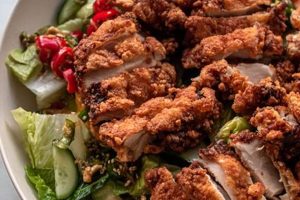
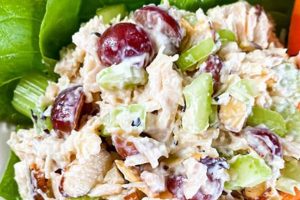
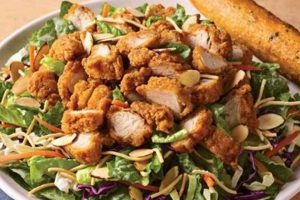
Dishes featuring peppery arugula, often combined with grilled or roasted chicken, offer a versatile canvas for culinary creativity. These salads can range from simple combinations with a light vinaigrette to more complex creations incorporating various cheeses, fruits, nuts, and other vegetables. For example, a common iteration includes grilled chicken breast, crumbled goat cheese, toasted pecans, and a lemon-balsamic dressing.
The popularity of these salads stems from their nutritional value and flavorful profile. Arugula contributes vitamins A, K, and C, while chicken provides a lean protein source. The inherent bitterness of the arugula complements the richness of the chicken, and the addition of other ingredients allows for a wide range of flavor combinations, catering to diverse palates. Furthermore, the relative ease and speed of preparation makes these salads a practical and healthy meal option.
The following sections will delve into specific recipe variations, exploring different ingredient combinations, dressing options, and preparation techniques. Guidance will be provided on selecting high-quality ingredients, achieving optimal flavor balances, and presenting the salad in an appealing manner.
Tips for Preparing Arugula Salads with Chicken
Optimizing flavor and presentation requires attention to detail. The following tips provide guidance for creating exceptional salads.
Tip 1: High-Quality Ingredients Matter: Selecting fresh, high-quality arugula is paramount. Look for vibrant green leaves without signs of wilting or discoloration. Similarly, using fresh, properly handled chicken ensures optimal flavor and texture.
Tip 2: Balance Bitterness: The peppery bite of arugula can be balanced with sweet or creamy elements. Consider incorporating dried cranberries, sliced pears, or crumbled goat cheese.
Tip 3: Chicken Preparation: Grilling or roasting chicken enhances its flavor. Marinating the chicken beforehand can add depth and complexity. Ensure the chicken is cooked thoroughly but remains moist.
Tip 4: Dressing Considerations: Avoid heavy, creamy dressings that can overwhelm the delicate arugula. Light vinaigrettes, such as lemon-balsamic or Dijon mustard, complement the salad’s flavors best.
Tip 5: Ingredient Combinations: Explore diverse flavor profiles by incorporating complementary ingredients. Toasted nuts, such as pecans or walnuts, add crunch and richness. Sun-dried tomatoes offer a burst of umami, while roasted red peppers provide sweetness.
Tip 6: Proper Storage: Store arugula separately from the other ingredients and dress the salad just before serving to prevent wilting.
Tip 7: Presentation: Arrange the salad components thoughtfully. Consider the visual appeal of color and texture combinations. Garnishing with a sprinkle of Parmesan cheese or a few extra pecan halves enhances the final presentation.
By following these guidelines, one can consistently create flavorful and visually appealing salads that offer a satisfying and nutritious meal.
The following section offers a collection of curated recipes showcasing these principles in practice.
1. Fresh, High-Quality Arugula

Fresh, high-quality arugula forms the foundation of any successful arugula salad featuring chicken. The characteristic peppery flavor and tender texture of fresh arugula provide a crucial counterpoint to the richness of the chicken. Wilted or discolored arugula, conversely, imparts an unpleasant bitterness and detracts from the overall sensory experience. The difference between vibrant, crisp leaves and those past their prime directly impacts the salad’s palatability. For example, a salad featuring fresh arugula offers a lively, peppery bite that complements grilled chicken, while a salad made with wilted arugula can taste overwhelmingly bitter and unpleasant.
This principle extends beyond mere taste. Fresh arugula contributes essential nutrients, such as vitamins A, K, and C. These nutritional benefits diminish as the arugula ages and degrades. Furthermore, the visual appeal of the salad depends heavily on the arugula’s freshness. Vibrant green leaves create an attractive presentation, enhancing the dining experience. Conversely, limp, yellowing leaves create an unappetizing appearance, regardless of the other ingredients’ quality. Consider the difference between a salad topped with bright, perky arugula and one with darkened, wilted leaves; the visual impact is significant. Selecting and storing arugula correctly is therefore essential for optimizing both nutritional value and visual appeal.
Understanding the importance of fresh, high-quality arugula is crucial for achieving the desired outcome in arugula and chicken salads. This ingredient serves not only as a flavor component but also as a nutritional and visual cornerstone. Prioritizing its freshness ensures a successful culinary endeavor, offering a delightful and healthy meal. Compromising on arugula quality can negatively impact the entire dish, highlighting the ingredient’s pivotal role.
2. Properly Cooked Chicken

Properly cooked chicken is essential for both the flavor and safety of arugula salad recipes. Undercooked chicken poses significant health risks due to potential bacterial contamination, such as Salmonella. Overcooked chicken, while safe to consume, becomes dry, tough, and less flavorful, detracting from the overall culinary experience. The optimal cooking method ensures the chicken reaches a safe internal temperature while retaining moisture and tenderness. Achieving this balance requires careful temperature control and attention to cooking time. For instance, grilling or roasting chicken allows for greater control over the cooking process compared to pan-frying, which can result in uneven cooking. A meat thermometer provides an accurate measure of doneness, ensuring food safety. Furthermore, resting the chicken after cooking allows the juices to redistribute, resulting in a more tender and flavorful final product. The impact of properly cooked chicken extends beyond mere texture and safety. The cooking method itself influences the flavor profile. Grilled chicken imparts a smoky char, while roasted chicken develops a deeper, more savory taste. These nuanced flavor variations can significantly enhance the overall complexity of the salad.
Several techniques contribute to properly cooked chicken. Brining or marinating the chicken before cooking helps retain moisture and infuse flavor. Bone-in chicken generally stays moister than boneless, skinless cuts due to the bone’s insulation. Controlling the cooking temperature and avoiding overcooking is paramount. A meat thermometer inserted into the thickest part of the chicken should register 165F (74C). Resting the chicken after cooking, typically for 5-10 minutes, allows the juices to redistribute, resulting in a more succulent and flavorful product. Consider the difference between a salad featuring dry, overcooked chicken versus one with juicy, flavorful chicken; the textural and flavor contrast significantly impacts the overall enjoyment of the dish.
Mastery of cooking chicken properly elevates arugula salad recipes from simple meals to culinary experiences. Food safety remains a primary concern, achievable through accurate temperature monitoring and proper handling techniques. However, achieving optimal flavor and texture requires a more nuanced approach. Understanding the interplay of cooking methods, timing, and resting periods unlocks the full potential of this versatile protein. Ultimately, properly cooked chicken provides a flavorful, safe, and texturally satisfying foundation for a successful arugula salad, significantly impacting its overall quality and appeal.
3. Complementary Ingredients

Complementary ingredients play a crucial role in elevating arugula salad recipes with chicken from basic to exceptional. The inherent peppery flavor of arugula and the savory richness of chicken provide a robust foundation, but strategic ingredient pairings enhance complexity and balance. This interaction extends beyond mere flavor enhancement; complementary ingredients contribute textural variety, visual appeal, and nutritional value. The selection of these supporting components should consider their individual characteristics and their synergistic effect within the overall composition. For example, the sharpness of crumbled goat cheese offsets the peppery arugula, while the sweetness of dried cranberries or roasted red peppers provides a contrasting flavor dimension. Toasted nuts, such as pecans or walnuts, introduce a satisfying crunch and a complementary richness.
The interplay of flavors and textures creates a more engaging sensory experience. Consider the interplay between creamy avocado, crunchy toasted almonds, and succulent grilled chicken atop a bed of peppery arugula. Each ingredient contributes a distinct element, resulting in a harmonious balance of flavors and textures. This principle of balance extends to nutritional considerations. Adding ingredients rich in vitamins and minerals, such as bell peppers or sun-dried tomatoes, enhances the salad’s nutritional density. Furthermore, the visual appeal of the salad benefits from the inclusion of colorful and diverse ingredients. The vibrant red of roasted red peppers, the deep green of avocado, and the bright orange of sun-dried tomatoes create a visually appealing composition, enhancing the dining experience.
Understanding the role of complementary ingredients is crucial for maximizing the potential of arugula salad recipes with chicken. These additions contribute not only to flavor but also to texture, nutritional value, and visual appeal. Careful selection and balanced incorporation of complementary ingredients transform a simple salad into a complex and satisfying culinary creation. This understanding empowers culinary exploration and allows for the creation of diverse and personalized flavor profiles, elevating the dish beyond its basic components.
4. Balanced Flavor Profiles

Balanced flavor profiles are essential for successful arugula salad recipes featuring chicken. Arugula possesses a distinct peppery, slightly bitter flavor. Chicken, while relatively mild, offers savory richness. The interplay of these primary flavors requires careful consideration to avoid imbalance. Overly bitter or excessively rich salads become unappetizing. Balancing these core components involves incorporating ingredients that complement and contrast their inherent characteristics. For instance, the addition of sweetness, through ingredients like dried cranberries or roasted red peppers, mitigates arugula’s bitterness. Creamy elements, such as goat cheese or avocado, temper the richness of the chicken, contributing to a more harmonious overall flavor profile. The goal is not to mask individual flavors but rather to integrate them into a cohesive and pleasurable whole. A salad dominated by a single flavor element, regardless of its individual appeal, lacks complexity and depth. A well-balanced salad, conversely, offers a dynamic and engaging sensory experience.
The principle of balance extends beyond the core ingredients. Acidity, introduced through dressings or citrus segments, provides brightness and cuts through richness. Salty elements, like Parmesan cheese or a sprinkle of sea salt, enhance other flavors and prevent blandness. Textural contrasts, such as crunchy nuts or creamy avocado, further contribute to a multi-faceted sensory experience. Consider a salad with grilled chicken, arugula, goat cheese, and candied pecans. The richness of the chicken and cheese is balanced by the peppery arugula and the sweetness of the pecans, creating a complex interplay of flavors. Adding a lemon vinaigrette introduces acidity, further enhancing the flavor profile. Omitting any of these elements would result in a less balanced, and therefore less satisfying, dish.
Achieving balanced flavor profiles in arugula salads with chicken requires a nuanced understanding of ingredient interactions and flavor principles. The inherent characteristics of each ingredient contribute to the overall composition. Careful selection and proportionate incorporation of complementary flavors and textures are essential. This approach elevates the salad beyond a simple combination of ingredients, transforming it into a carefully orchestrated culinary experience. Successful recipes leverage these principles to create dishes that are not only delicious but also offer a complex and satisfying interplay of contrasting yet harmonious elements.
5. Appropriate Dressings
Dressing selection significantly impacts the overall success of arugula salad recipes with chicken. Arugula’s peppery, sometimes bitter, flavor profile requires careful consideration when choosing a dressing. Heavy, creamy dressings often overwhelm the delicate nature of arugula, masking its unique characteristics and creating an unbalanced flavor profile. Conversely, light, acidic dressings tend to complement the peppery notes, enhancing the overall flavor experience. The interplay between dressing and other salad components is crucial. For example, a creamy ranch dressing, while suitable for a romaine lettuce salad with chicken, would likely overpower the nuanced flavors of arugula and its accompanying ingredients. A lighter vinaigrette, such as a lemon-herb or balsamic vinaigrette, allows the peppery arugula and savory chicken to shine. Furthermore, the dressing should complement other ingredients, such as dried fruits, nuts, or cheeses, creating a harmonious blend of flavors. Consider a salad with grilled chicken, arugula, goat cheese, and dried cranberries. A lemon vinaigrette enhances the peppery arugula and tangy goat cheese while complementing the sweetness of the cranberries. A heavy Caesar dressing would mask these nuanced flavors, resulting in a less satisfying culinary experience. The practical significance of this understanding lies in the ability to create balanced and flavorful salads. Appropriate dressing selection elevates the dish, allowing the individual components to shine while contributing to a cohesive whole.
The viscosity of the dressing also plays a critical role. Arugula’s delicate leaves are easily weighed down by heavy dressings, resulting in a wilted and unappetizing salad. Lighter vinaigrettes coat the leaves without saturating them, preserving their texture and appearance. This is particularly important when the salad is prepared in advance. Heavy dressings accelerate wilting, whereas lighter dressings allow the arugula to maintain its freshness for longer periods. Furthermore, the acidity of the dressing contributes to balancing the flavors of the salad. The acidity cuts through the richness of the chicken and any added cheese, creating a brighter, more refreshing flavor profile. Consider the difference between a salad dressed with a heavy, mayonnaise-based dressing versus a light vinaigrette. The vinaigrette-dressed salad maintains its crispness and vibrancy, while the mayonnaise-based dressing results in a wilted, less appealing salad. The practical application of this knowledge allows for the creation of salads that are not only flavorful but also visually appealing and maintain their textural integrity.
Appropriate dressing selection is therefore an essential element in successful arugula salad recipes with chicken. Careful consideration of flavor profiles, viscosity, and acidity ensures a harmonious balance, enhancing the overall dining experience. The dressing should complement and enhance the other ingredients, not mask their flavors or compromise the salad’s texture. Understanding these principles allows for greater culinary control and creativity, enabling the creation of truly exceptional salads. Ignoring these considerations can result in a dish that falls short of its potential, highlighting the critical role of appropriate dressing selection in achieving culinary excellence.
6. Thoughtful Presentation
Thoughtful presentation elevates arugula salad recipes with chicken from simple meals to visually appealing culinary experiences. While flavor and nutritional value remain paramount, visual appeal significantly enhances enjoyment and perceived value. Presentation encompasses various elements, including plating, color arrangement, ingredient placement, and garnishing. Consider the difference between simply tossing ingredients together versus arranging them thoughtfully on a plate. A strategically placed grilled chicken breast, surrounded by vibrant green arugula, colorful bell peppers, and artfully scattered toasted nuts, creates a more enticing presentation than a haphazard mixture. This visual enhancement influences perception and enjoyment, making the dish more appealing. For example, a salad served in a shallow, wide bowl allows for better visibility and appreciation of individual components compared to a deep bowl where ingredients are hidden. Similarly, garnishing with a sprinkle of Parmesan cheese or a few sprigs of fresh herbs adds a final touch of visual flair.
The practical implications of thoughtful presentation extend beyond aesthetics. Strategic placement of ingredients can highlight key components and enhance flavor perception. For instance, positioning the chicken prominently showcases its importance within the dish, while distributing smaller ingredients, like nuts or dried cranberries, evenly ensures balanced flavor distribution in each bite. Color contrast plays a crucial role in visual appeal. A monochromatic salad, even with high-quality ingredients, appears less appealing than one with vibrant color variations. The deep green of arugula provides a backdrop against which other colors, such as the red of tomatoes or the orange of bell peppers, can stand out. This visual stimulation enhances the overall dining experience, making the meal more enjoyable. Furthermore, the choice of servingware contributes to the overall presentation. A rustic wooden bowl complements a salad with grilled chicken and a balsamic vinaigrette, while a sleek white plate enhances a more modern presentation.
Thoughtful presentation, therefore, constitutes a crucial element of successful arugula salad recipes with chicken. It enhances visual appeal, influencing perception and enjoyment. Strategic ingredient placement and color arrangement contribute to both aesthetics and balanced flavor distribution. Careful consideration of these elements elevates the dining experience, transforming a simple meal into a visually appealing and more satisfying culinary creation. Ignoring presentation diminishes the overall impact, regardless of the quality of the ingredients or the skill involved in their preparation. Ultimately, thoughtful presentation reflects attention to detail and a commitment to providing a holistic culinary experience that engages all senses.
7. Nutritional Value
Nutritional value represents a significant component of arugula salad recipes with chicken, contributing to their appeal as a healthy meal option. These salads offer a combination of vitamins, minerals, lean protein, and fiber. Arugula, a cruciferous vegetable, provides vitamins A, C, and K, along with folate and calcium. Chicken breast serves as a lean protein source, essential for muscle building and repair. The combined nutritional profile contributes to satiety, supports overall health, and aligns with dietary guidelines emphasizing nutrient-rich foods. For example, a salad incorporating grilled chicken breast, arugula, bell peppers, and a light vinaigrette offers a balanced meal containing essential nutrients without excessive calories or unhealthy fats. This nutritional density makes such salads suitable for individuals seeking weight management or improved dietary balance. The practical significance of this nutritional value lies in its potential to contribute to long-term health outcomes and support individual dietary goals.
Further enhancing nutritional value involves strategic ingredient selection. Adding nutrient-dense components, such as avocado for healthy fats, or incorporating a variety of colorful vegetables like tomatoes and cucumbers, increases vitamin and mineral intake. Conversely, limiting less nutritious additions, like croutons or excessive cheese, mitigates potential drawbacks. For example, substituting a creamy dressing with a light vinaigrette reduces calorie and fat intake while preserving flavor. Understanding the nutritional contribution of each ingredient allows for informed choices that maximize health benefits. The practical application of this knowledge empowers individuals to tailor recipes to specific dietary needs, whether focusing on increased protein intake, reduced fat consumption, or enhanced vitamin and mineral density. Furthermore, this understanding promotes informed decision-making regarding portion sizes and overall meal composition.
In conclusion, nutritional value constitutes a key aspect of arugula salad recipes with chicken. The inherent nutritional benefits of the core ingredients, combined with the potential for customization through ingredient selection and portion control, contribute to their appeal as a healthy and versatile meal option. Understanding this nutritional profile allows individuals to make informed dietary choices that support individual health goals and promote overall well-being. This knowledge translates into practical applications, enabling individuals to adapt recipes to specific needs and optimize nutritional intake within a flavorful and enjoyable culinary context.
Frequently Asked Questions
This section addresses common inquiries regarding arugula salad recipes featuring chicken, providing concise and informative responses.
Question 1: How can the bitterness of arugula be mitigated in these salads?
Balancing arugula’s peppery bite can be achieved by incorporating sweet or creamy elements. Ingredients such as dried cranberries, roasted red peppers, crumbled goat cheese, or a light vinaigrette with a touch of honey effectively counterbalance the bitterness.
Question 2: What are the optimal methods for cooking chicken for these salads?
Grilling or roasting chicken enhances its flavor while maintaining moisture. These methods impart desirable charring or caramelization, contributing depth to the salad. Thorough cooking to an internal temperature of 165F (74C) ensures food safety.
Question 3: What dressings best complement the flavors of arugula and chicken?
Light vinaigrettes, such as lemon-herb, balsamic, or Dijon mustard, generally complement these salads best. Heavy, creamy dressings can overwhelm arugula’s delicate flavor. The dressing’s acidity should balance the richness of the chicken and any added cheese.
Question 4: How can wilting be prevented when preparing these salads in advance?
Storing arugula separately from other ingredients and adding the dressing just before serving prevents premature wilting. Keeping the dressed salad refrigerated also helps maintain its freshness.
Question 5: What complementary ingredients enhance these salads?
Toasted nuts, such as pecans or walnuts, add crunch and richness. Dried fruits, like cranberries or apricots, provide sweetness. Crumbled cheeses, such as goat cheese or feta, offer creamy textures and tangy flavors. Roasted vegetables, like bell peppers or sweet potatoes, contribute depth and nutritional value.
Question 6: What are the key nutritional benefits of these salads?
These salads offer a combination of vitamins, minerals, lean protein, and fiber. Arugula provides vitamins A, C, and K, while chicken contributes protein. Other ingredients, such as vegetables and fruits, further enhance the nutritional profile.
Addressing these common queries provides a comprehensive understanding of preparing and enjoying arugula salads with chicken.
The following section offers a curated selection of recipes showcasing these principles in practice.
Conclusion
Exploration of arugula salad recipes incorporating chicken reveals a versatile culinary canvas. Emphasis on fresh, high-quality arugula, properly cooked chicken, and balanced flavor profiles underscores the potential for both nutritional and gastronomic satisfaction. Appropriate dressing selection and thoughtful presentation further elevate these dishes. Understanding ingredient interactions, from the peppery bite of arugula to the savory richness of chicken, empowers informed recipe development and adaptation.
Culinary experimentation within this framework offers a pathway to personalized flavor experiences. The adaptability of arugula salad recipes containing chicken allows for continuous refinement and exploration, ensuring ongoing culinary enjoyment and nutritional benefit. Further exploration of ingredient combinations and culinary techniques promises continued evolution and discovery within this versatile culinary domain.