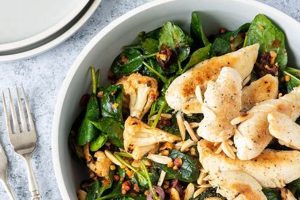
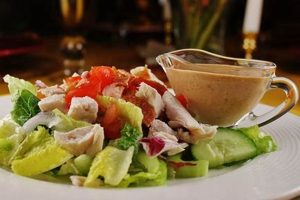
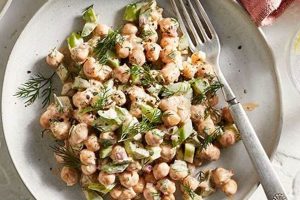
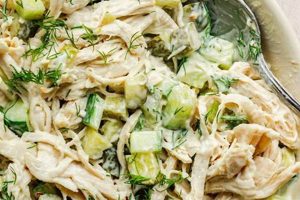
A dish featuring cooked chicken and fresh strawberries as primary ingredients, often combined with leafy greens, nuts, cheese, and a vinaigrette. Variations may include grilled, roasted, or shredded chicken, and incorporate other fruits, vegetables, or proteins. A typical preparation might involve a bed of spinach, topped with grilled chicken breast slices, halved strawberries, crumbled goat cheese, candied pecans, and a light balsamic vinaigrette.
This type of salad offers a balance of sweet and savory flavors, providing a refreshing and nutritious meal option. The combination of protein from the chicken, vitamins and antioxidants from the strawberries, and healthy fats from nuts and cheese contributes to a well-rounded dietary choice. Its popularity has grown as culinary trends embrace lighter, health-conscious options that also deliver complex flavor profiles. Such salads can be adapted for different dietary needs, substituting ingredients to accommodate vegetarian, vegan, or gluten-free preferences.
Further exploration will cover variations on this theme, including specific recipes, ingredient selection guidance, preparation techniques, and nutritional information.
Tips for a Successful Strawberry and Chicken Salad
Optimizing ingredient selection and preparation techniques elevates this salad from simple to exceptional. Attention to detail ensures a balanced flavor profile and pleasing textural contrast.
Tip 1: Chicken Selection and Preparation: Grilled or roasted chicken enhances the salad’s savory depth. Pre-cooked rotisserie chicken offers convenience. For optimal flavor, ensure chicken is seasoned appropriately and cooked to a safe internal temperature.
Tip 2: Strawberry Preparation: Ripe, but firm strawberries provide the best flavor and texture. Hulling and slicing just before serving prevents premature softening and maintains visual appeal.
Tip 3: Greens Selection: Baby spinach, spring mix, or romaine lettuce offer complementary flavor profiles. Avoid overly mature or wilted greens.
Tip 4: Cheese Pairing: Goat cheese, feta, or blue cheese provide a tangy counterpoint to the sweetness of the strawberries. Consider softer cheeses for a creamier texture.
Tip 5: Nut Selection: Candied pecans, almonds, or walnuts offer a satisfying crunch and enhance the flavor profile. Toasting nuts intensifies their flavor.
Tip 6: Vinaigrette Choice: A light balsamic vinaigrette, poppy seed dressing, or even a simple lemon vinaigrette complements the combined flavors of the chicken and strawberries. Avoid heavy or overly creamy dressings that can mask the delicate flavors.
Tip 7: Balancing Flavors: A successful salad balances sweet, savory, tangy, and crunchy elements. Taste and adjust seasonings as needed.
By following these tips, one can create a delightful culinary experience, achieving a harmonious blend of flavors and textures. This foundation allows for creativity and personal preference in ingredient selection and preparation.
With these considerations, one can confidently approach recipe variations and develop personalized versions of this versatile and nutritious salad.
1. Ingredients

Ingredients form the foundation of any chicken strawberry salad recipe. Ingredient selection directly impacts the final dish’s flavor profile, nutritional value, and overall appeal. The interplay between individual components creates a synergistic effect, transforming separate items into a cohesive culinary experience. For instance, the sweetness of fresh strawberries contrasts with the savory notes of grilled chicken, while the addition of pecans introduces textural complexity. Substituting goat cheese for feta alters the salad’s tanginess and creaminess. Therefore, careful consideration of each ingredient is essential.
Specific ingredients contribute distinct characteristics. Fresh strawberries provide sweetness, vitamins, and antioxidants. Chicken offers protein and can be prepared in various ways, impacting the salad’s overall flavor. Leafy greens, such as spinach or romaine, contribute vitamins and fiber. Nuts and seeds offer healthy fats and textural contrast. The chosen dressing ties the ingredients together, adding acidity, sweetness, or creaminess depending on the recipe. Understanding the role of each ingredient empowers informed choices, allowing for customization based on dietary preferences and desired outcomes. Using seasonal ingredients maximizes flavor and nutritional value.
Thoughtful ingredient selection is crucial for a successful chicken strawberry salad. The quality and freshness of ingredients directly correlate with the final product’s taste and nutritional content. Prioritizing seasonal produce and high-quality proteins enhances the overall experience. A deep understanding of ingredient interactions enables the creation of a well-balanced and flavorful salad, transforming a simple list of components into a cohesive and satisfying dish. This knowledge empowers individuals to adapt recipes to personal preferences and dietary needs, maximizing culinary potential and enjoyment.
2. Preparation
Preparation significantly impacts the quality and enjoyment of a chicken strawberry salad. It encompasses several crucial steps, from ingredient selection and handling to the final assembly. Each stage influences the overall flavor, texture, and presentation. For example, improper washing of leafy greens can leave residual grit, detracting from the dining experience. Similarly, neglecting to dry the greens thoroughly can lead to a watery salad and diluted dressing. Over-marinating the chicken can result in a tough texture, while undercooking poses food safety risks. Thus, meticulous preparation is essential for optimizing the dish’s potential.
Specific preparation techniques further demonstrate the connection between process and outcome. Grilling or pan-searing chicken breasts adds depth of flavor through caramelization, contrasting with the sweetness of the strawberries. Properly slicing the strawberries ensures even distribution and prevents large, unwieldy pieces. Tossing the salad components gently with the dressing just before serving prevents the greens from wilting and maintains the desired texture. These details illustrate how careful preparation elevates the sensory experience, transforming individual ingredients into a harmonious whole. Choosing the right tools, such as sharp knives and appropriate mixing bowls, also contributes to efficient and effective preparation.
In summary, preparation acts as a critical bridge between recipe and finished product. Each step, from ingredient selection to final assembly, contributes to the overall success of the chicken strawberry salad. Attention to detail, including proper handling, cooking techniques, and timing, ensures a delightful culinary experience. Understanding the importance of preparation empowers individuals to execute the recipe effectively, maximizing flavor, texture, and presentation, ultimately enhancing enjoyment and appreciation of the final dish. This understanding allows for adaptation and refinement of techniques, leading to consistently positive results.
3. Balance

Balance constitutes a critical element within a successful chicken strawberry salad recipe. This balance manifests primarily through a harmonious interplay of flavorssweet, savory, tangy, and sometimes bitteras well as a considered contrast in textures. A well-balanced salad avoids dominance by any single element. Overly sweet dressings, for example, can mask the subtle flavors of fresh strawberries and greens. Similarly, an excessive quantity of nuts can overshadow the other textural components. Achieving balance requires careful consideration of ingredient proportions and their respective contributions to the overall sensory experience.
Consider a scenario where a balsamic vinaigrette, known for its tangy sweetness, is paired with fresh strawberries and grilled chicken. The vinaigrette’s acidity complements the sweetness of the berries while also enhancing the savory notes of the chicken. Adding crumbled goat cheese introduces a creamy texture and tangy flavor, further enriching the balance. Toasted pecans provide a contrasting crunch. If, however, the vinaigrette is excessively sweet, it might overpower the delicate strawberry flavor, disrupting the intended balance. Alternatively, an abundance of pecans might shift the focus from the interplay of flavors to a predominantly nutty profile. These examples underscore the importance of balanced ingredient ratios and their impact on the final product.
A thorough understanding of balance within this specific recipe context enables informed ingredient selection and portion control. Recognizing the interplay between sweet, savory, tangy, and crunchy elements allows for purposeful adjustments, ensuring each component contributes positively without overwhelming others. This balanced approach translates to a more satisfying and enjoyable culinary experience, highlighting the synergistic potential of diverse flavors and textures. It promotes a holistic appreciation of the recipe as a carefully orchestrated composition rather than a mere collection of ingredients.
4. Presentation

Presentation plays a significant role in the overall enjoyment of a chicken strawberry salad recipe. While flavor and nutritional value remain paramount, visual appeal enhances the dining experience. A thoughtfully presented salad elevates the perceived value of the dish, stimulating appetite and creating a sense of occasion. This consideration extends beyond mere aesthetics, encompassing practical aspects such as portioning and accessibility.
- Plating:
The choice of serving vessel significantly impacts presentation. A shallow bowl allows for better visibility and easier access to all components. Distributing ingredients evenly ensures a balanced visual appeal and prevents one element from dominating. Thoughtful placement of the chicken, strawberries, and other components creates focal points and highlights color contrasts. For example, arranging the grilled chicken slices around the perimeter with the strawberries clustered in the center creates an organized and visually appealing presentation.
- Color Contrast:
Color plays a crucial role in food presentation. The vibrant red of strawberries contrasts beautifully with the green of leafy vegetables and the golden-brown of grilled chicken or toasted nuts. This visual contrast stimulates appetite and enhances the perceived freshness of the ingredients. Incorporating a variety of colors through the inclusion of other fruits or vegetables, like blueberries or mandarin oranges, further elevates the visual appeal and adds nutritional complexity.
- Texture and Height:
Creating visual interest through textural and height variations enhances the presentation. The smooth surface of strawberries juxtaposed against the crunch of nuts and the layered greens creates a dynamic interplay of textures. Building a slight mound in the center of the salad, rather than presenting a flat arrangement, adds dimension and visual appeal. This can be achieved by strategically placing the chicken and larger strawberry halves on top of the greens.
- Garnishing:
A simple garnish elevates the presentation without overwhelming the salad. A sprinkle of chopped fresh herbs, like chives or parsley, adds a touch of green and a subtle aroma. A light dusting of crumbled goat cheese or a few strategically placed pecan halves adds visual flair and reinforces the flavor profile. Over-garnishing, however, can detract from the salad’s natural beauty. A delicate touch ensures the garnish complements rather than dominates the presentation.
These elements of presentation, when thoughtfully combined, transform a simple chicken strawberry salad into a visually appealing and appetizing dish. By considering plating, color contrast, texture, height, and garnishing, one can enhance the dining experience and elevate the perceived value of this nutritious and flavorful salad. This attention to detail demonstrates care and consideration, enriching the overall enjoyment of the meal.
5. Freshness
Freshness plays a crucial role in a chicken strawberry salad recipe, directly impacting flavor, texture, and overall quality. Ingredient quality dictates the final dish’s success. A salad featuring fresh, vibrant ingredients offers a superior sensory experience compared to one made with wilted greens or less-than-ripe strawberries. Understanding the nuances of freshness within this specific recipe context allows for informed ingredient selection and optimal preparation techniques.
- Ingredient Sourcing
Sourcing fresh, high-quality ingredients forms the foundation of a flavorful salad. Locally sourced, seasonal produce often exhibits peak flavor and nutritional value. Farmers’ markets provide access to recently harvested fruits and vegetables. Selecting strawberries with vibrant color, a glossy sheen, and a pleasant aroma indicates optimal ripeness. For chicken, sourcing from reputable butchers or opting for high-quality pre-cooked options ensures optimal flavor and texture. Prioritizing ingredient sourcing establishes a base for a superior culinary outcome.
- Storage and Handling
Proper storage and handling maintain ingredient freshness until preparation. Storing strawberries unwashed in the refrigerator, ideally in a single layer to prevent bruising, preserves their texture and flavor. Chicken requires refrigeration at safe temperatures and should be used within recommended timeframes. Leafy greens benefit from gentle handling and storage in airtight containers lined with paper towels to absorb excess moisture. Proper storage practices minimize spoilage and maintain peak ingredient quality.
- Preparation Timing
Timing preparation steps strategically maximizes freshness. Washing and preparing ingredients just before assembly prevents premature wilting or softening. This applies particularly to leafy greens and strawberries. Dressing the salad immediately before serving prevents the greens from becoming soggy and maintains the desired texture. Strategic timing preserves the crispness of ingredients and enhances the overall sensory experience.
- Visual and Aromatic Indicators
Visual and aromatic cues provide reliable indicators of freshness. Vibrant colors, a pleasant aroma, and a firm texture signal fresh, high-quality ingredients. Strawberries should exhibit a deep red hue and a sweet fragrance. Leafy greens should appear crisp and vibrant, devoid of wilting or discoloration. Chicken should have a fresh, neutral aroma. Recognizing these indicators allows for informed ingredient selection and helps avoid using subpar components that could negatively impact the salad’s overall quality.
By prioritizing freshness through ingredient sourcing, storage, timely preparation, and recognizing key indicators, one elevates the quality and enjoyment of a chicken strawberry salad. Fresh ingredients enhance the flavor profile, contributing to a more vibrant and satisfying culinary experience. These practices underscore the significance of freshness in achieving the recipe’s full potential and maximizing its nutritional value.
6. Flavor Combinations

Flavor combinations constitute a defining characteristic of a chicken strawberry salad recipe. The interplay of diverse flavor profiles distinguishes this salad from other variations. A successful recipe hinges on a harmonious balance of sweet, savory, acidic, and potentially bitter or umami notes. This balance relies on careful ingredient selection and an understanding of how individual flavors interact synergistically. For instance, the inherent sweetness of ripe strawberries provides a counterpoint to the savory character of grilled or roasted chicken. This foundational contrast establishes a platform for further flavor exploration.
Building upon the sweet and savory foundation, the introduction of other ingredients adds depth and complexity. The inclusion of a tangy balsamic vinaigrette, for example, contributes acidity that complements both the strawberries and the chicken. The vinaigrette’s sharpness cuts through the richness of the chicken while simultaneously enhancing the sweetness of the berries. Further complexity can be achieved by incorporating ingredients like toasted nuts, which introduce both textural variation and subtle nutty or buttery flavors, and crumbled cheeses, which provide creamy textures and salty, tangy, or even pungent notes depending on the variety chosen. Blue cheese, with its characteristic sharpness, offers a distinct contrast to the other flavors, while goat cheese provides a milder tang and a creamy texture that complements the other ingredients. The strategic integration of these diverse flavor profiles creates a multi-dimensional culinary experience, demonstrating the power of flavor combinations to elevate a simple salad into a complex and satisfying dish.
Mastery of flavor combinations within a chicken strawberry salad context empowers culinary creativity and personalized adaptations. Understanding the underlying principles of flavor pairings enables informed ingredient selection, allowing individuals to tailor the recipe to their preferences while maintaining a harmonious balance. Awareness of these interactions transforms the recipe from a static set of instructions into a dynamic framework for exploration, ensuring a consistently delicious and engaging culinary outcome. This knowledge extends beyond the immediate recipe, providing a foundation for broader culinary experimentation and a deeper appreciation of flavor dynamics.
7. Nutritional Value

Nutritional value represents a significant aspect of a chicken strawberry salad recipe, extending beyond mere flavor and enjoyment. A well-composed salad provides essential nutrients, contributing to a balanced and healthful diet. Understanding the nutritional contributions of individual components allows for informed choices regarding ingredient selection and portion control, maximizing health benefits without compromising flavor or satisfaction.
- Macronutrient Profile
Chicken provides a substantial source of lean protein, essential for muscle growth and repair. Strawberries offer carbohydrates, primarily in the form of natural sugars, which provide energy. Healthy fats, derived from sources like nuts, seeds, or avocado if included, contribute to satiety and support various bodily functions. A well-balanced macronutrient profile ensures sustained energy levels and supports overall well-being.
- Micronutrients and Antioxidants
Strawberries are rich in Vitamin C, an antioxidant that supports immune function and protects against cellular damage. They also provide dietary fiber, which aids digestion. Leafy greens, such as spinach, contribute vitamins A and K, essential for vision and blood clotting, respectively. The inclusion of nuts and seeds further enhances the micronutrient profile, providing minerals like magnesium and zinc. These micronutrients play crucial roles in various physiological processes.
- Dietary Fiber and Digestive Health
Fiber content in a chicken strawberry salad contributes to digestive health. Strawberries, leafy greens, and certain nuts and seeds provide dietary fiber, promoting regular bowel movements and supporting a healthy gut microbiome. Adequate fiber intake contributes to satiety, potentially aiding in weight management. The inclusion of ingredients rich in fiber enhances the salad’s overall nutritional value.
- Customization for Dietary Needs
The adaptable nature of this salad allows for customization to accommodate various dietary needs. Substituting or omitting ingredients allows for adjustments to meet specific requirements, such as vegetarian, vegan, or gluten-free diets. For instance, omitting chicken and adding chickpeas or tofu provides a plant-based protein source suitable for vegetarian or vegan diets. Adjusting the type of cheese or omitting it altogether accommodates lactose intolerance. This adaptability extends the salad’s reach and makes it a versatile option for diverse dietary preferences.
By considering these facets of nutritional value, a chicken strawberry salad evolves from a simple dish into a nutrient-rich meal option. Understanding the contributions of individual ingredients empowers informed choices, enabling individuals to maximize both flavor and health benefits. This awareness emphasizes the potential of this salad to contribute positively to a balanced and health-conscious diet.
Frequently Asked Questions
This section addresses common inquiries regarding chicken strawberry salad recipes, providing concise and informative responses.
Question 1: What type of chicken works best in this salad?
Grilled or roasted chicken breasts offer optimal flavor, but pre-cooked rotisserie chicken provides a convenient alternative. Shredded chicken can also be used.
Question 2: Can frozen strawberries be used?
Fresh strawberries are recommended for optimal flavor and texture. Frozen strawberries tend to release excess moisture upon thawing, potentially diluting the dressing and making the salad watery. If using frozen berries, ensure they are thoroughly thawed and patted dry before adding them to the salad.
Question 3: What dressings complement this salad?
Light vinaigrettes, such as balsamic, poppy seed, or lemon, pair well with the sweet and savory flavors. Creamy dressings are generally less suitable as they can mask the delicate flavors of the strawberries and other ingredients.
Question 4: How can the salad be adapted for a vegetarian diet?
Substituting the chicken with grilled halloumi, pan-fried tofu, or chickpeas provides a vegetarian-friendly protein source. Adjusting the cheese and nuts to complement the chosen protein creates a balanced flavor profile.
Question 5: How long can the salad be stored?
It is best consumed immediately after preparation for optimal flavor and texture. Storing the salad, especially once dressed, can lead to wilting and a less desirable texture. If necessary, store components separately and combine just before serving.
Question 6: How can nutritional value be maximized?
Choosing nutrient-dense ingredients, such as fresh spinach, a variety of nuts and seeds, and lean chicken breast, enhances the salad’s overall nutritional profile. Limiting the amount of added sugar in the dressing and incorporating a wide range of colorful vegetables further boosts nutritional value.
Addressing these common questions provides a comprehensive understanding of key considerations when preparing a chicken strawberry salad. This knowledge allows for informed decisions regarding ingredient selection, preparation methods, and dietary adaptations.
Additional information on specific variations and detailed recipes can be found in the following sections.
Chicken Strawberry Salad Recipe
Exploration of this recipe reveals a dish offering a compelling balance of flavors, textures, and nutritional value. Careful ingredient selection, precise preparation techniques, and an understanding of flavor interactions contribute significantly to the final product. From the sweetness of fresh strawberries to the savory notes of chicken and the complementary additions of nuts, cheeses, and dressings, each element plays a crucial role in the overall composition. Adaptability to diverse dietary needs further enhances its value as a versatile culinary option.
Culinary exploration extends beyond the immediate recipe, encouraging experimentation with variations and personalized adaptations. An understanding of the underlying principlesbalancing flavors, prioritizing freshness, and thoughtful presentationempowers informed choices and fosters culinary creativity. This knowledge transcends the specific recipe, enriching overall culinary understanding and promoting informed dietary choices.