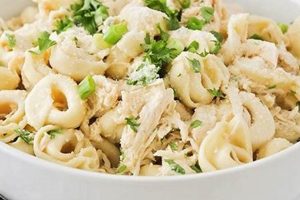
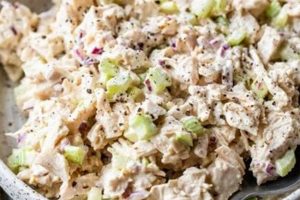
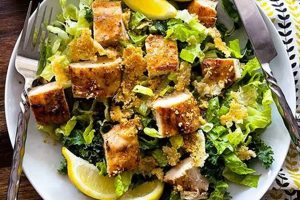
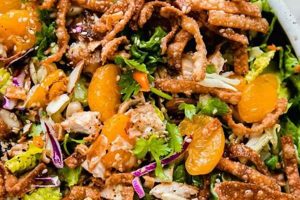
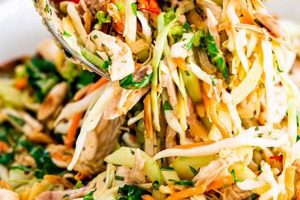
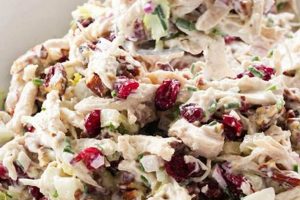
A dish featuring cooked chicken, often shredded or diced, combined with sprouted seeds or beans, and other ingredients like mayonnaise, vegetables, and seasonings creates a healthful and flavorful meal. Variations might include dried cranberries, toasted nuts, or different types of sprouts, such as alfalfa, radish, or mung bean. A simple version could consist of shredded chicken breast, mayonnaise, chopped celery, onion, and alfalfa sprouts, seasoned with salt and pepper.
This type of salad offers a nutritious and satisfying option, delivering lean protein from the chicken and a wealth of vitamins, minerals, and fiber from the sprouts and other vegetables. Sprouts, in particular, are known for their high enzyme content, which can aid digestion. Historically, sprouts have been consumed for their health benefits in various cultures for centuries, while chicken salad itself has been a popular dish since the 19th century. The combination of these elements creates a meal suitable for a light lunch, picnic, or part of a larger spread.
The following sections will explore various aspects of creating this dish, including selecting the right ingredients, different preparation methods, nutritional information, and serving suggestions.
Tips for a Delicious and Nutritious Sprouts Chicken Salad
Optimizing ingredient selection and preparation techniques enhances the flavor and nutritional value of this dish.
Tip 1: Selecting Sprouts: Choose fresh, crisp sprouts with a vibrant color and no signs of wilting or sliminess. Rinsing thoroughly before use is crucial.
Tip 2: Chicken Preparation: Roasting or poaching chicken breasts yields a tender and flavorful base. Avoid overcooking, which can result in dry meat. Alternatively, leftover roasted or grilled chicken can be utilized.
Tip 3: Mayonnaise Alternatives: Greek yogurt or avocado can be substituted for mayonnaise to reduce fat content while maintaining creaminess. A combination of mayonnaise and yogurt offers a balanced approach.
Tip 4: Enhancing Flavor: Incorporating finely diced red onion, celery, and fresh herbs such as dill or parsley adds depth and complexity to the flavor profile. A touch of Dijon mustard provides a subtle tang.
Tip 5: Textural Variety: Adding chopped nuts, such as walnuts or pecans, or dried cranberries introduces textural contrast and enhances the overall sensory experience. Toasted nuts contribute a richer flavor.
Tip 6: Seasoning: Freshly ground black pepper and sea salt are recommended for optimal seasoning. Adjusting seasoning gradually allows for a balanced and nuanced flavor. A pinch of garlic powder can enhance the savory notes.
Tip 7: Chilling: Allowing the salad to chill for at least 30 minutes before serving allows the flavors to meld and enhances the overall experience. This also improves the texture, making the salad more refreshing.
By following these tips, one can create a flavorful, nutritious, and satisfying salad. The combination of fresh ingredients and mindful preparation techniques ensures a delightful culinary experience.
These considerations offer a pathway toward crafting a truly exceptional dish. The subsequent section will provide concluding thoughts on the versatility and appeal of this culinary creation.
1. Fresh, Crisp Sprouts

Fresh, crisp sprouts are integral to a successful sprouts chicken salad recipe. Their texture contributes significantly to the overall sensory experience, offering a refreshing counterpoint to the softer textures of the chicken and mayonnaise. Beyond texture, fresh sprouts impart a subtle, slightly peppery or nutty flavor depending on the variety, enhancing the complexity of the salad. Wilted or slimy sprouts, conversely, introduce off-flavors and detract from both the taste and visual appeal of the dish. For example, using crisp alfalfa sprouts adds a pleasant, slightly grassy note and a satisfying crunch, whereas using older, wilted sprouts can result in a bitter taste and an unpleasant, mushy texture.
The quality of sprouts directly influences the overall quality of the salad. Fresh sprouts offer superior nutritional value, providing essential vitamins, minerals, and enzymes. In contrast, older sprouts may have a diminished nutritional profile and pose a greater risk of bacterial contamination. This difference underscores the importance of selecting and storing sprouts carefully. Practical applications of this understanding include inspecting sprouts thoroughly before purchase, storing them properly in the refrigerator, and using them within a few days of purchase. Choosing organic sprouts further reduces the risk of exposure to pesticides.
In summary, the freshness and crispness of sprouts are critical factors in determining the success of a sprouts chicken salad recipe. Attention to sprout quality ensures both a delightful culinary experience and the maximization of nutritional benefits. Failure to prioritize sprout freshness can compromise the flavor, texture, and safety of the final product. This understanding is essential for anyone seeking to create a truly exceptional sprouts chicken salad.
2. Tender, flavorful chicken

Tender, flavorful chicken forms the foundation of a successful sprouts chicken salad recipe. Chicken texture significantly impacts the overall enjoyment of the dish. Dry, overcooked chicken results in a less palatable salad, while tender, juicy chicken enhances the eating experience. The flavor of the chicken also plays a crucial role. Bland chicken diminishes the overall complexity of the salad, whereas well-seasoned or flavorful chicken elevates the taste profile. For instance, using poached chicken breast infused with herbs offers a delicate flavor that complements the sprouts and other ingredients, while using leftover rotisserie chicken contributes a smoky depth. The choice of chicken preparation method directly influences the final flavor profile.
The interplay between chicken and other ingredients within the salad highlights the importance of chicken quality. Tender chicken absorbs flavors from the dressing and other components more effectively, creating a harmonious blend of tastes. Dry chicken, conversely, remains isolated and detracts from the overall balance of flavors. Consider a salad with a light vinaigrette dressing: tender chicken will absorb the vinaigrette, enhancing its own flavor and contributing to the overall taste of the salad. Dry chicken, on the other hand, will repel the dressing, leading to an uneven distribution of flavor. This difference underscores the significance of achieving optimal chicken texture and flavor. Practical applications include selecting appropriate cooking methods like poaching or baking, and employing marinades or brines to enhance flavor and moisture retention.
In conclusion, the tenderness and flavor of the chicken contribute significantly to the success of a sprouts chicken salad recipe. Careful attention to chicken preparation and seasoning ensures a delightful and satisfying culinary experience. Overlooking the importance of chicken quality can compromise the texture, flavor balance, and overall appeal of the final dish. This understanding is paramount for achieving a well-balanced and enjoyable sprouts chicken salad.
3. Complementary Seasonings
Complementary seasonings are essential for elevating a sprouts chicken salad recipe from simple to exceptional. The careful selection and balance of seasonings enhance the inherent flavors of the core ingredients sprouts, chicken, and other vegetables while adding depth and complexity. Seasoning choices significantly influence the overall taste profile, impacting the final dish’s perceived freshness and satisfaction.
- Balancing Salt and Pepper:
The foundation of most savory dishes, salt and freshly ground black pepper, are crucial in a sprouts chicken salad recipe. Salt enhances the natural flavors of the ingredients, while pepper adds a subtle heat and complexity. The balance between these two seasonings is critical; too much salt can overpower the delicate flavors of the sprouts, while too little can leave the salad tasting bland. Using coarse sea salt or kosher salt provides a more nuanced flavor and texture than standard table salt.
- Herbaceous Additions:
Fresh herbs introduce brightness and aromatic complexity to the salad. Dill, parsley, chives, and tarragon offer distinct flavor profiles that complement the other ingredients. For example, dill adds a slightly tangy, anise-like flavor, while parsley provides a fresh, grassy note. The choice of herbs depends on personal preference and the overall flavor profile desired. Using dried herbs is acceptable but requires a smaller quantity due to their concentrated flavor.
- Acidic Elements:
A touch of acidity brightens the salad and balances the richness of the mayonnaise or other creamy components. Lemon juice, apple cider vinegar, or a splash of white wine vinegar can add a refreshing tang. The amount of acid should be carefully considered; too much can make the salad overly tart. A small amount of lemon zest can further enhance the citrus notes without adding excessive acidity.
- Spices for Depth:
Ground spices, such as onion powder, garlic powder, paprika, or a pinch of cayenne pepper, add depth and warmth to the salad. These spices should be used sparingly to avoid overpowering the other flavors. For instance, a small amount of smoked paprika can introduce a subtle smoky note, while a pinch of cayenne pepper adds a touch of heat. Experimenting with different spice combinations can lead to unique and flavorful results.
The interplay of these seasoning elements creates a symphony of flavors that elevates the sprouts chicken salad experience. The careful consideration of salt, pepper, herbs, acidity, and spices allows for the creation of a balanced and nuanced flavor profile. By understanding the role of each seasoning and how it interacts with the other ingredients, one can craft a sprouts chicken salad recipe that is both delicious and satisfying.
4. Healthy Fat Choices

Health-conscious preparation of sprouts chicken salad necessitates careful consideration of fat sources. Fat contributes flavor, texture, and satiety, but the type of fat significantly impacts nutritional value. Incorporating healthy fats enhances the salad’s nutritional profile while minimizing potential health risks associated with less beneficial fats.
- Avocado:
Avocado offers a creamy texture and rich flavor while providing monounsaturated fats, known for potential heart-health benefits. Its mild flavor complements the other salad ingredients without overpowering them. Using avocado instead of mayonnaise reduces saturated fat content while adding fiber and essential vitamins.
- Greek Yogurt:
Plain, nonfat Greek yogurt delivers creaminess and tang while contributing protein and calcium with minimal fat. Its tangy flavor balances the richness of other ingredients and offers a lighter alternative to mayonnaise. Choosing Greek yogurt over higher-fat options decreases overall calorie and saturated fat content.
- Nuts and Seeds:
Incorporating chopped nuts or seeds, such as walnuts, almonds, or sunflower seeds, provides healthy polyunsaturated fats, fiber, and protein. These additions contribute textural complexity and enhance the nutritional density of the salad. However, portion control is crucial due to their caloric density. Opting for raw or lightly toasted nuts minimizes added oils and maximizes nutritional benefits.
- Extra Virgin Olive Oil:
Extra virgin olive oil offers a healthy monounsaturated fat source and contributes a subtle fruity flavor. Using it sparingly in the dressing or as a light coating for the chicken adds flavor and enhances the salad’s nutritional value. Compared to other oils higher in saturated fats, olive oil presents a heart-healthier option. Choosing high-quality extra virgin olive oil ensures optimal flavor and nutritional benefits.
Strategic incorporation of these healthy fat sources optimizes the nutritional value and flavor profile of sprouts chicken salad. By minimizing reliance on less healthy fats and maximizing the inclusion of beneficial options, individuals can create a delicious and nutritious meal that supports overall well-being. This approach transforms a simple chicken salad into a health-conscious culinary choice.
5. Textural Variations

Textural variation is a key element in a successful sprouts chicken salad recipe, elevating it beyond a simple combination of ingredients to a more engaging culinary experience. A variety of textures adds complexity and interest, stimulating the palate and enhancing enjoyment. The interplay of contrasting textures creates a dynamic sensory experience that contributes significantly to the overall appeal of the dish.
- Crunchy Sprouts:
The inherent crispness of sprouts provides the foundational textural contrast in the salad. This contrasts with the softer textures of the chicken and other ingredients. Different sprout varieties offer subtle variations in crunch. Radish sprouts, for instance, offer a more pronounced crunch than alfalfa sprouts. This interplay of textures is crucial for a balanced and enjoyable salad.
- Tender Chicken:
The tenderness of the chicken offers a textural counterpoint to the crunchy sprouts. Shredded or diced chicken provides a softer, more yielding texture. Achieving the right level of tenderness is crucial, as overcooked chicken can become dry and stringy, detracting from the overall textural balance. Poaching or gently baking the chicken ensures optimal tenderness.
- Added Crunch:
Incorporating additional crunchy elements enhances the textural complexity. Chopped nuts, such as walnuts, pecans, or almonds, introduce a satisfying crunch and nutty flavor. Seeds, like sunflower or pumpkin seeds, offer a similar textural contribution. Toasted nuts provide an intensified flavor and increased crunch. These additions further differentiate the salad from the primary protein and sprout components.
- Creamy Binder:
The creamy element, typically mayonnaise, Greek yogurt, or avocado, binds the ingredients and provides a textural bridge between the crunchy and tender elements. The consistency of this binder influences the overall mouthfeel of the salad. A thicker binder creates a denser salad, while a thinner binder results in a lighter, more delicate texture. This element is crucial for the overall cohesion and enjoyment of the salad.
The careful consideration of these textural variations transforms a sprouts chicken salad recipe into a multi-dimensional culinary experience. The interplay of crunchy, tender, and creamy elements creates a dynamic and satisfying dish that appeals to a wide range of palates. A well-balanced textural profile elevates the salad beyond a simple meal to a more sophisticated and enjoyable culinary creation. Ignoring textural interplay can result in a monotonous and less appealing dish.
6. Proper Chilling Time
Proper chilling time plays a crucial role in the final quality of sprouts chicken salad. Chilling allows the flavors of the various ingredients to meld and harmonize, creating a more cohesive and complex flavor profile. This process allows the seasonings to penetrate the chicken and other components, enhancing their individual flavors and contributing to a more unified taste. Without sufficient chilling time, the flavors remain distinct and less integrated, resulting in a less satisfying culinary experience. For example, a freshly made salad might taste predominantly of mayonnaise, with the other flavors muted. After proper chilling, the flavors of the chicken, sprouts, and seasonings become more pronounced and balanced.
Beyond flavor development, chilling also impacts the texture and safety of the salad. Chilling firms the texture of the chicken and other ingredients, enhancing the overall mouthfeel and making the salad more refreshing. Furthermore, chilling inhibits bacterial growth, ensuring food safety and extending shelf life. A salad left at room temperature for an extended period becomes more susceptible to bacterial contamination, posing potential health risks. Conversely, proper chilling maintains food safety and preserves the desired texture and flavor. The practical application of this understanding involves refrigerating the salad promptly after preparation and allowing it to chill for at least two hours before serving, preferably longer for optimal flavor development.
In summary, proper chilling is not merely a suggestion but a critical step in creating a high-quality sprouts chicken salad. It directly influences flavor development, textural integrity, and food safety. Neglecting this step can compromise the overall culinary experience and potentially pose health risks. Therefore, adequate chilling time should be considered an essential component of the recipe, ensuring a flavorful, refreshing, and safe culinary creation.
7. Serving Suggestions
Serving suggestions enhance the enjoyment and versatility of a sprouts chicken salad recipe. Thoughtful presentation elevates the dining experience, transforming a simple salad into a more appealing and satisfying meal. Considerations such as vessel, accompaniments, and portion size contribute to the overall perception and enjoyment of the dish. For example, serving the salad on a bed of crisp lettuce transforms it into a lighter, more refreshing meal. Conversely, serving it in a croissant or on toasted multi-grain bread creates a more substantial and portable option. These choices cater to different dining occasions and individual preferences.
The choice of accompaniments further enhances the flavor and textural profile of the salad. Crackers, sliced cucumbers, or cherry tomatoes provide complementary flavors and textures, creating a balanced and appealing meal. Serving the salad alongside a cup of soup or a fresh fruit salad offers a more complete and nutritious dining experience. These additions enhance the overall appeal and satisfaction derived from the meal. For instance, the acidity of sliced tomatoes complements the richness of the chicken salad, while the crunch of crackers contrasts with the softer texture of the salad itself. Such pairings demonstrate the importance of considering complementary flavors and textures when selecting accompaniments.
Appropriate portioning contributes to both satisfaction and healthfulness. Serving the salad in appropriately sized portions prevents overconsumption and promotes balanced eating habits. Offering smaller portions for lighter meals or appetizers, and larger portions for main courses, allows for flexibility and customization based on individual needs and preferences. This approach promotes mindful consumption and highlights the versatility of sprouts chicken salad as a component of a balanced diet. Failure to consider portion size can detract from the overall dining experience, leading to either overindulgence or a sense of inadequacy.
Frequently Asked Questions
This section addresses common inquiries regarding sprouts chicken salad recipes, offering concise and informative responses to clarify potential uncertainties and enhance understanding.
Question 1: What type of sprouts are best suited for chicken salad?
Alfalfa sprouts are a popular choice due to their mild flavor and delicate texture. Radish and mung bean sprouts offer more pronounced flavors and slightly different textures, providing alternatives for those seeking a more assertive taste.
Question 2: How can the safety of using raw sprouts be ensured?
Thoroughly rinsing sprouts under cool running water before consumption is crucial. Purchasing sprouts from reputable sources known for safe handling practices further minimizes potential risks. Individuals with compromised immune systems may consider lightly steaming or blanching sprouts before incorporating them into the salad.
Question 3: What methods can be employed to prevent the salad from becoming watery?
Ensuring the chicken is thoroughly drained before adding it to the salad is essential. Patting the chicken dry with paper towels further reduces excess moisture. Additionally, incorporating the sprouts immediately before serving minimizes their water release into the salad mixture.
Question 4: How long can sprouts chicken salad be stored safely in the refrigerator?
Properly stored in an airtight container, the salad typically remains safe for consumption for up to three to four days. However, consuming the salad within two days is optimal for maintaining peak freshness and flavor.
Question 5: Can canned chicken be used as an alternative to freshly cooked chicken?
While canned chicken offers convenience, it often results in a different texture and flavor profile. Freshly cooked chicken is generally recommended for optimal quality. If using canned chicken, ensure it is thoroughly drained and rinsed to remove excess sodium.
Question 6: How can the nutritional value of the salad be maximized?
Incorporating a variety of colorful vegetables, such as chopped bell peppers, carrots, or red onion, increases vitamin and mineral content. Adding nuts or seeds enhances healthy fat and protein content. Using Greek yogurt instead of mayonnaise reduces saturated fat and increases protein.
Understanding these common points of inquiry contributes to successful preparation and enjoyment of sprouts chicken salad. Careful consideration of ingredient selection, preparation methods, and storage guidelines ensures a safe, flavorful, and nutritious culinary experience.
The following section offers a collection of diverse recipe variations to inspire culinary creativity and cater to individual preferences.
Sprouts Chicken Salad Recipe
Exploration of sprouts chicken salad recipes reveals a dish offering notable nutritional value and culinary versatility. Emphasis on fresh, high-quality ingredients, including crisp sprouts and tender chicken, contributes significantly to the overall culinary experience. Careful consideration of seasonings, healthy fat choices, and textural variations elevates the dish beyond basic sustenance, transforming it into a more complex and satisfying meal. Proper chilling time and thoughtful serving suggestions further enhance enjoyment and underscore the adaptability of this culinary creation.
Sprouts chicken salad recipes represent a confluence of health-conscious choices and culinary artistry. Potential for customization allows adaptation to individual dietary needs and preferences, solidifying its position as a versatile and enduring culinary option. Continued exploration of ingredient combinations and preparation techniques promises further evolution and refinement of this classic dish.