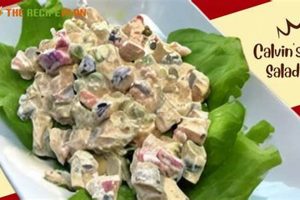
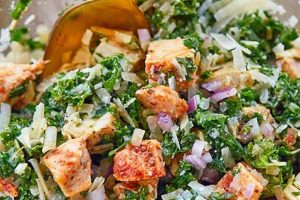
A combination of cooked chicken, grapes, and other ingredients like mayonnaise, celery, and nuts creates a flavorful and refreshing dish often served cold. Variations exist, incorporating ingredients such as curry powder, pecans, or cream cheese, offering a spectrum of flavor profiles from sweet and savory to tangy and rich. A classic example includes diced chicken, halved grapes, chopped celery, mayonnaise, and seasonings, resulting in a light yet satisfying meal or side dish.
This type of dish offers a balance of protein, fruit, and healthy fats, making it a nutritious option for lunch, picnics, or potlucks. Its versatility allows for adaptation to dietary needs and preferences; Greek yogurt can substitute mayonnaise for a healthier alternative, and the addition of various nuts and seeds enhances the nutritional value. Historically, such combinations emerged as a way to utilize readily available ingredients, transforming simple components into a more complex and palatable dish. The evolution of this culinary concept reflects changing tastes and the availability of ingredients over time.
The following sections will explore specific variations, provide detailed instructions for preparation, and offer suggestions for ingredient substitutions and complementary pairings.
Tips for a Superior Chicken Grape Salad
Optimizing ingredient selection and preparation techniques elevates this classic dish from simple to exceptional. Attention to detail ensures a balanced flavor profile and desirable texture.
Tip 1: Roasting the Chicken: Roasting enhances the chicken’s flavor, yielding a richer, more complex taste compared to using pre-cooked or boiled chicken. Bone-in, skin-on chicken breasts or thighs contribute optimal flavor and moisture.
Tip 2: Grape Selection: Seedless red or green grapes provide a sweet and slightly tart counterpoint to the savory chicken. Consider using a variety of grapes for a nuanced flavor profile.
Tip 3: Fresh Herbs: Incorporating fresh herbs such as tarragon, dill, or chives adds a bright, aromatic dimension. Finely chop the herbs to evenly distribute their flavor.
Tip 4: Nut Enhancement: Toasted pecans, walnuts, or almonds provide a satisfying crunch and complementary flavor. Toasting intensifies the nuts’ inherent richness.
Tip 5: Mayonnaise Alternatives: Greek yogurt or a combination of mayonnaise and Greek yogurt offers a lighter, tangier alternative to traditional mayonnaise. This substitution also reduces overall fat content.
Tip 6: Balancing Sweetness and Acidity: A touch of acidity enhances the overall flavor profile. A squeeze of lemon juice or a splash of apple cider vinegar balances the sweetness of the grapes and mayonnaise.
Tip 7: Chilling Time: Allowing the salad to chill for at least 30 minutes before serving allows the flavors to meld and the salad to reach optimal serving temperature.
By implementing these tips, one can achieve a chicken grape salad that is both flavorful and texturally appealing. The result is a dish that is sure to impress.
This discussion now concludes with final thoughts on creating a truly memorable chicken grape salad experience.
1. Ingredients

Ingredient selection significantly impacts the final character of a chicken grape salad. The interplay of flavors and textures relies heavily on the quality and type of components chosen. Consider, for instance, the difference between using rotisserie chicken versus freshly roasted. Rotisserie chicken offers convenience, while roasting imbues a deeper, more nuanced flavor. Similarly, grape variety influences sweetness and tartness; red grapes typically offer a sweeter profile compared to the tangy bite of green grapes. The choice between mayonnaise and Greek yogurt impacts the richness and tang of the dressing, influencing the salad’s overall lightness or creaminess. Nuts, such as pecans or walnuts, introduce textural variation and flavor complexity, further demonstrating the crucial role of ingredient selection.
Understanding the contribution of each ingredient enables informed substitutions and creative variations. Dietary restrictions can be accommodated by swapping mayonnaise for a plant-based alternative or adding more protein via grilled tofu. Flavor profiles can be adjusted; incorporating curry powder introduces an element of warmth and complexity, while fresh herbs like dill or tarragon impart brightness. The quantity of each ingredient also plays a role. A higher ratio of grapes to chicken results in a sweeter, fruitier salad, whereas increasing the celery content emphasizes a crisper, more vegetal note. These examples illustrate the direct cause-and-effect relationship between ingredient choices and the final dish’s characteristics.
Ultimately, a successful chicken grape salad arises from a thoughtful selection of ingredients tailored to individual preferences and dietary needs. Careful consideration of each component, from the chicken and grapes to the dressing and supplementary ingredients, ensures a well-balanced and satisfying result. This understanding empowers culinary exploration and allows for customization, resulting in a dish that is both flavorful and personalized.
2. Preparation
Preparation methods significantly influence the final quality of a chicken grape salad. Each step, from ingredient handling to combining components, impacts the overall flavor, texture, and presentation. Careful execution of these steps ensures a cohesive and enjoyable dish.
- Chicken Preparation
Chicken preparation dictates the salad’s foundational flavor and texture. Roasting enhances the chicken’s inherent savoriness and yields a tender, juicy texture. Alternatively, using pre-cooked chicken, such as rotisserie or poached, offers convenience. Dicing the chicken into uniform pieces ensures even distribution throughout the salad and consistent bite size. Properly cooked and handled chicken ensures food safety.
- Produce Handling
Proper handling of produce maximizes freshness and flavor. Washing and thoroughly drying grapes and celery prevents excess moisture from diluting the dressing. Halving or quartering grapes, depending on their size, creates a pleasant texture and allows for even distribution. Finely chopping celery ensures a crisp, refreshing element in each bite. These practices optimize the sensory experience of the salad.
- Dressing Preparation
The dressing binds the ingredients and contributes significantly to the salad’s overall flavor profile. Thoroughly combining mayonnaise or yogurt with seasonings and other flavoring agents ensures a cohesive emulsion and even flavor distribution. Adjusting the quantity of dressing influences the salad’s creaminess and richness. A well-executed dressing enhances the interplay of flavors between the various components.
- Combining Ingredients
The method and timing of combining ingredients impact the final product. Gently folding the ingredients together prevents overmixing and maintains the integrity of delicate components. Chilling the salad after combining allows flavors to meld and enhances the overall experience. Proper combination techniques prevent the salad from becoming soggy and maintain the desired textural contrast.
These facets of preparation collectively determine the chicken grape salad’s final quality. Attention to detail in each step ensures a well-balanced, flavorful, and visually appealing dish. From the initial handling of ingredients to the final chilling period, each action contributes to the overall sensory experience. Neglecting any of these aspects can compromise the final product, affecting its flavor, texture, and overall appeal. Thus, meticulous preparation is crucial for achieving a truly successful chicken grape salad.
3. Flavor Balance

Flavor balance constitutes a critical element in a successful chicken grape salad. The dish inherently presents a juxtaposition of sweet, savory, and acidic notes, requiring careful calibration to achieve a harmonious profile. The sweetness of the grapes, derived from their natural sugars, forms a primary flavor component. This sweetness must be balanced by the savory element, typically provided by the chicken. Roasting the chicken enhances its inherent savoriness through the Maillard reaction, creating a deeper, more complex flavor that complements the grapes’ sweetness. Acidity, introduced through ingredients like lemon juice, vinegar, or certain varieties of grapes, plays a crucial role in cutting through the richness of the mayonnaise or yogurt-based dressing and preventing the salad from becoming cloyingly sweet. This interplay of sweet, savory, and acidic elements defines the flavor balance. For example, an overabundance of grapes might result in an excessively sweet salad, whereas insufficient acidity could lead to a bland or one-dimensional flavor profile. The interplay of these elements determines the overall gustatory experience.
Understanding the delicate balance among these flavors enables informed adjustments based on individual preferences and ingredient variations. If using sweeter grapes, such as red grapes, a higher proportion of acidic ingredients might be necessary to maintain equilibrium. Conversely, tart green grapes might require less added acidity. The type of dressing also plays a significant role; a richer, more flavorful dressing might necessitate a more pronounced acidic component to balance its richness. The incorporation of other ingredients, such as toasted nuts or savory herbs, further influences the flavor profile and necessitates corresponding adjustments to maintain overall balance. Consider a salad with candied pecans; their added sweetness necessitates a more assertive acidic element to prevent an overly sweet result. These practical examples demonstrate the interconnectedness of ingredients and their impact on flavor balance.
Achieving optimal flavor balance in a chicken grape salad requires a comprehensive understanding of each ingredient’s contribution and how these flavors interact. This knowledge allows for informed decision-making regarding ingredient selection, proportions, and the addition of complementary elements. A well-balanced salad exhibits a harmonious interplay of sweet, savory, and acidic notes, resulting in a more complex and satisfying culinary experience. The failure to achieve this balance can result in a dish that is either too sweet, too bland, or lacks the nuanced complexity that characterizes a truly successful chicken grape salad. This underscores the critical role of flavor balance in achieving the desired culinary outcome.
4. Texture

Textural contrast significantly contributes to the overall appeal of a chicken grape salad. The interplay of varying textures creates a more engaging and satisfying sensory experience. Consider the primary components: tender chicken, juicy grapes, and crisp celery. These elements offer a fundamental textural foundation. The chicken, whether roasted or pre-cooked, provides a soft, yielding texture. Grapes, bursting with juice upon biting, offer a contrasting element of smooth, supple texture. Celery contributes a refreshing crispness, providing a counterpoint to the softer elements. This combination of soft, juicy, and crisp textures establishes a baseline textural profile.
Further textural complexity can be achieved through the incorporation of additional ingredients. Nuts, for instance, introduce a desirable crunch. Toasted pecans, walnuts, or almonds provide a satisfying contrast to the softer elements. The choice of nut influences the specific type of crunch; pecans offer a delicate crispness, while walnuts provide a more robust crunch. The addition of croutons, while less traditional, can also introduce a contrasting textural element. Similarly, the use of crisp lettuce, such as romaine or butter lettuce, in place of or in addition to celery, can further enhance the salad’s textural complexity. Even the dressing contributes to the overall textural experience; a thicker, creamier dressing provides a smooth, coating element, while a lighter vinaigrette offers a less viscous, more refreshing counterpoint.
A well-executed chicken grape salad strategically balances these varying textures. An excess of soft ingredients can result in a monotonous, less appealing texture, while an overabundance of crunchy elements can detract from the other components. Consider a salad with an excessive amount of mayonnaise; the resulting texture might be perceived as heavy and overly creamy. Conversely, a salad with too many nuts might feel overly crunchy and dry. The goal is to create a balanced and harmonious textural profile, where each element contributes to the overall sensory experience without overpowering the others. This balanced approach elevates the chicken grape salad from a simple combination of ingredients to a more complex and enjoyable culinary creation. Understanding the importance of textural contrast and how to achieve it through ingredient selection and preparation methods is crucial for creating a truly successful and satisfying dish.
5. Presentation
Presentation plays a significant role in the overall perception and enjoyment of a chicken grape salad. While flavor and texture are paramount, visual appeal enhances the dining experience. A thoughtfully presented salad appears more appetizing and inviting, elevating it from a simple dish to a more refined culinary offering. Consideration of various visual elements, such as color, arrangement, and serving vessel, contributes to the final presentation.
- Color Palette
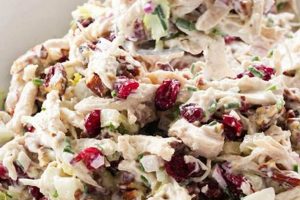
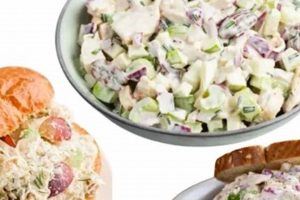
The natural colors of the ingredients create a visually appealing base. The vibrant greens of celery and herbs, the varied hues of grapes (ranging from pale green to deep purple), and the creamy white of the chicken and dressing offer an inherent visual appeal. Intentionally incorporating ingredients with contrasting colors further enhances the visual interest. For example, adding red grapes to a salad with predominantly green elements creates a pop of color that draws the eye. Similarly, incorporating colorful vegetables like bell peppers or red onion introduces additional visual interest.
- Arrangement and Plating
The manner in which the salad is arranged impacts its visual appeal. Simply tossing all the ingredients together creates a homogenous mixture, while a more deliberate arrangement can highlight the individual components and create a more visually engaging presentation. Consider arranging the salad on a bed of lettuce or serving it in individual portions, such as in hollowed-out avocado halves or on endive leaves. Garnishing with fresh herbs or a sprinkle of toasted nuts adds a final touch of visual appeal and elevates the perceived sophistication of the dish.
- Serving Vessels
The choice of serving vessel contributes to the overall presentation. A simple bowl serves a functional purpose, while a more decorative platter or individual serving dishes elevate the presentation. The material of the serving vessel also plays a role; a clear glass bowl showcases the colorful ingredients, while a rustic wooden bowl adds a touch of warmth and natural elegance. The size and shape of the serving vessel should complement the salad and the overall dining setting. A large, shallow bowl allows for a more spread-out presentation, highlighting the individual ingredients, while a deeper bowl is more practical for a densely packed salad.
- Garnishes and Finishing Touches
Garnishes provide the final visual flourish. A simple sprinkle of chopped fresh herbs, such as parsley, chives, or dill, adds a touch of brightness and freshness. A scattering of toasted nuts enhances both the visual appeal and the textural experience. A drizzle of olive oil or a dusting of paprika adds a touch of color and flavor. These seemingly small details elevate the presentation and contribute to a more refined and appealing final product.
These elements of presentation, while not directly impacting the flavor or nutritional value of the chicken grape salad, contribute significantly to the overall dining experience. A well-presented salad is more enticing and enjoyable, demonstrating care and attention to detail. By considering these visual aspects, one can elevate a simple chicken grape salad from a basic dish to a more visually appealing and satisfying culinary experience. Presentation enhances the perception of quality and transforms a simple meal into a more memorable occasion. This underscores the importance of presentation as a key element in the overall enjoyment of chicken grape salad.
6. Variations
The adaptability of the chicken grape salad recipe provides a platform for culinary exploration. Variations emerge through ingredient substitutions, additions, and adjustments to the core recipe, resulting in diverse flavor profiles and catering to a range of dietary preferences and ingredient availability. Understanding the core components and their function allows for informed modifications while maintaining the essence of the dish.
- Sweetness and Tartness
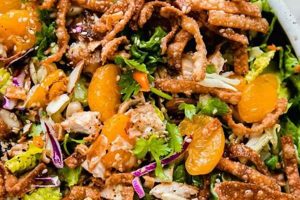
Modulating the sweetness and tartness of the salad allows for customization based on individual preference. The choice of grapes significantly impacts this balance. Red grapes typically offer a sweeter profile, while green grapes contribute more tartness. Incorporating other fruits, such as diced apples or mandarin oranges, introduces additional layers of sweetness and flavor complexity. Balancing these sweet elements with an acidic component, like lemon juice or vinegar, is crucial for preventing an overly sweet result.
- Savory Components
The savory foundation of the chicken grape salad can be varied through the inclusion of different proteins or the addition of savory spices and herbs. Substituting cooked turkey or ham for chicken offers a different flavor profile. Incorporating toasted nuts, such as pecans, walnuts, or almonds, introduces a savory crunch and complements the sweetness of the grapes. Adding curry powder to the dressing introduces a warm, savory depth. Experimenting with different herbs, such as tarragon, dill, or chives, further expands the savory dimension.
- Textural Elements
Textural variation adds complexity and interest. Incorporating crunchy elements like toasted nuts, croutons, or chopped water chestnuts provides a counterpoint to the softer textures of the chicken and grapes. Using different types of celery, such as the more delicate inner stalks or the more robust outer stalks, influences the overall texture. Adding chopped vegetables, such as bell peppers or jicama, introduces additional layers of textural contrast.
- Dressing Choices
The dressing serves as a unifying element and significantly impacts the overall flavor profile. Traditional mayonnaise-based dressings offer a creamy richness, while Greek yogurt provides a lighter, tangier alternative. Incorporating different flavorings into the dressing, such as honey mustard, Dijon mustard, or horseradish, further expands the possibilities. A vinaigrette-style dressing, using olive oil and vinegar, offers a lighter, more refreshing option. The choice of dressing significantly influences the salad’s overall character.
These variations highlight the versatility of the chicken grape salad recipe. By understanding the function and interplay of different ingredients, individuals can adapt the recipe to their preferences and create unique flavor combinations. These modifications demonstrate the recipe’s adaptability and potential for personalized culinary expression, ranging from subtle tweaks to more substantial departures from the traditional preparation. Ultimately, exploring these variations expands the culinary possibilities and enhances the enjoyment of this classic dish.
Frequently Asked Questions
This section addresses common inquiries regarding the preparation and enjoyment of chicken grape salad, providing concise and informative responses.
Question 1: What type of chicken is best suited for this salad?
Roasting a whole chicken or bone-in chicken pieces yields optimal flavor. However, pre-cooked options like rotisserie chicken or leftover baked chicken provide convenience. Canned chicken, while less flavorful, offers an economical and shelf-stable alternative. The chosen method impacts the overall flavor depth and texture of the salad.
Question 2: Can alternative dressings be used?
Plain yogurt or Greek yogurt offer lighter alternatives to mayonnaise, reducing overall fat content without sacrificing creaminess. A vinaigrette, composed of olive oil and vinegar, presents a non-creamy option with a brighter, more acidic profile. Flavor variations, such as incorporating honey mustard or Dijon mustard, expand the range of possibilities.
Question 3: How long can chicken grape salad be stored?
Properly stored in an airtight container in the refrigerator, chicken grape salad typically remains safe to consume for up to three to five days. Indicators of spoilage include a sour odor, discoloration, or a slimy texture. Adhering to safe food handling practices ensures optimal quality and minimizes the risk of foodborne illness.
Question 4: What can be substituted for grapes?
While grapes provide characteristic sweetness and texture, other fruits offer suitable alternatives. Diced apples, chopped pears, or mandarin orange segments provide varied sweetness and textural nuances. These substitutions allow for customization based on personal preference and seasonal availability.
Question 5: How can the salad be made healthier?
Several modifications contribute to a healthier version. Using Greek yogurt instead of mayonnaise reduces fat and adds protein. Incorporating more vegetables, such as chopped bell peppers or shredded carrots, boosts nutritional value. Adding a variety of nuts and seeds enhances the salad’s fiber and healthy fat content. These adjustments cater to health-conscious individuals without compromising flavor.
Question 6: Can this salad be frozen?
Freezing is not generally recommended due to the high water content of grapes and the mayonnaise-based dressing. Freezing can alter the texture of these ingredients, resulting in a less desirable consistency upon thawing. Consuming the salad fresh or within the recommended refrigeration timeframe ensures optimal quality.
Careful attention to ingredient selection, preparation methods, and storage practices ensures a safe and enjoyable chicken grape salad experience. Adapting the recipe to personal preferences and dietary needs further expands its versatility.
The following section explores various serving suggestions and complementary pairings to enhance the enjoyment of this versatile dish.
Chicken Grape Salad
Exploration of this dish reveals its adaptability and enduring appeal. From ingredient selection to preparation techniques and presentation, each facet contributes to the final product. Balancing sweet, savory, and acidic elements is paramount. Textural contrast, achieved through incorporating crunchy nuts and crisp celery, enhances enjoyment. Understanding the interplay of these components allows for customization and variation, catering to individual preferences and dietary needs. Proper storage practices maintain quality and safety. The historical context and evolution of such combinations further enrich appreciation for this simple yet versatile dish.
Culinary traditions evolve through experimentation and adaptation. This dish exemplifies the potential for transforming simple ingredients into a satisfying and flavorful experience. Continued exploration of variations and flavor profiles ensures its enduring presence in culinary landscapes. Careful consideration of each element, from ingredient quality to presentation, elevates the dish beyond mere sustenance, transforming it into a culinary expression.