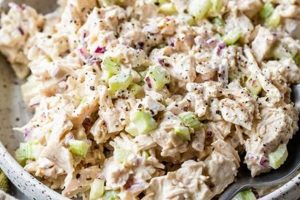
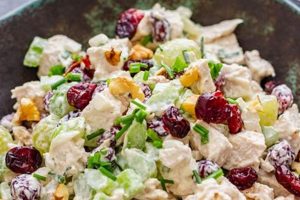
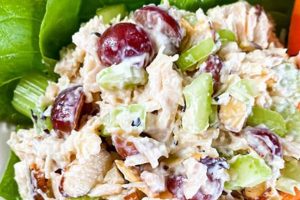
A top-tier chicken salad sandwich involves a balanced interplay of high-quality ingredients and thoughtful preparation. This can range from classic combinations of shredded chicken, mayonnaise, celery, and onion, to more complex variations incorporating grapes, nuts, dried fruits, or unique seasonings. An exemplary example might feature tender poached chicken breast blended with a light, homemade mayonnaise, crisp celery, red onion, and fresh tarragon, served on toasted sourdough bread.
Elevated chicken salad sandwiches offer more than just a quick meal. They represent culinary versatility, adaptable to diverse palates and dietary needs. From simple lunches to elegant picnic fare, these sandwiches hold a prominent place in culinary history, evolving alongside changing tastes and ingredient availability. Their enduring popularity speaks to their satisfying combination of flavor, texture, and convenience.
This exploration will delve into the nuances of crafting exceptional chicken salad sandwiches. Topics covered will include ingredient selection, preparation techniques, variations on the classic recipe, and serving suggestions, equipping readers with the knowledge to create their own perfect iterations.
Tips for Exceptional Chicken Salad Sandwiches
Creating a truly exceptional chicken salad sandwich relies on careful attention to detail throughout the preparation process. These tips offer guidance for achieving optimal flavor, texture, and overall quality.
Tip 1: Prioritize Chicken Quality: Selecting high-quality chicken is paramount. Freshly cooked, poached or roasted chicken breast provides the best flavor and texture. Canned chicken can be used, but requires careful draining to avoid excess moisture.
Tip 2: Master the Mayonnaise: Mayonnaise is the foundation of the sauce. While store-bought mayonnaise is convenient, a homemade version elevates the sandwich significantly, allowing for customized flavor profiles using different oils, vinegars, and seasonings.
Tip 3: Balance Texture and Flavor: Achieve textural complexity by incorporating finely diced celery and onion for crispness. Consider adding nuts, grapes, or dried fruits for contrasting textures and subtle sweetness.
Tip 4: Season Thoughtfully: Fresh herbs, such as tarragon, dill, or chives, add depth and complexity. Spices like paprika, curry powder, or a pinch of cayenne pepper can introduce unique flavor dimensions. Seasoning should be adjusted to personal preference.
Tip 5: Mind the Moisture Content: Excessive moisture can lead to a soggy sandwich. Ensure ingredients are well-drained and avoid overmixing, which can release excess moisture from the chicken.
Tip 6: Bread Selection Matters: The bread should complement the chicken salad. Consider using crusty sourdough, whole wheat, croissants, or even flaky biscuits. Toasting the bread adds texture and prevents sogginess.
Tip 7: Chill Before Serving: Chilling the chicken salad for at least 30 minutes allows the flavors to meld and enhances the overall experience. This also firms the mixture, making it easier to spread.
By following these tips, one can elevate the humble chicken salad sandwich to a truly satisfying culinary creation. Attention to detail in each step, from ingredient selection to final assembly, guarantees a delightful dining experience.
The subsequent section will explore variations on the classic chicken salad sandwich recipe, offering inspiration for customization and creative culinary exploration.
1. High-quality Chicken

The pursuit of the best chicken salad sandwich recipes invariably begins with the selection of high-quality chicken. This foundational ingredient dictates the overall flavor, texture, and enjoyment of the final product. Understanding the nuances of chicken quality is essential for achieving superior results.
- Freshness and Sourcing:
Chicken that is fresh, ideally sourced from reputable butchers or local farms, exhibits a superior flavor profile compared to pre-packaged or processed options. Fresh chicken possesses a natural, clean taste that elevates the overall quality of the salad. Choosing organic or free-range options can further enhance both ethical and flavor considerations.
- Proper Cooking Methods:
The method employed for cooking the chicken significantly impacts its texture and moisture content in the salad. Poaching or roasting results in tender, flavorful meat ideal for shredding or dicing. Overcooked chicken becomes dry and stringy, detracting from the final product. Careful temperature control and attention to cooking times are crucial.
- White vs. Dark Meat:
While white meat, primarily breast, is traditionally favored for its leanness and mild flavor, incorporating dark meat, such as thighs and drumsticks, can introduce richer flavor and increased moisture. A blend of white and dark meat offers a balanced flavor profile and improved texture.
- Bone-in vs. Boneless:
While boneless, skinless chicken breasts offer convenience, bone-in chicken often yields more flavorful meat. The bones contribute additional flavor during cooking, resulting in a richer, more complex taste in the finished salad.
The selection of high-quality chicken is not merely a preliminary step; it is a defining factor in the creation of exceptional chicken salad sandwiches. Prioritizing freshness, employing appropriate cooking techniques, and considering the nuances of meat selection contribute significantly to the overall culinary experience. A discerning approach to chicken quality lays the groundwork for a truly superior sandwich.
2. Flavorful Mayonnaise

Flavorful mayonnaise is integral to achieving truly exceptional chicken salad sandwiches. It serves not merely as a binding agent, but as a critical component that elevates the overall flavor profile. The quality and character of the mayonnaise directly influence the final taste, texture, and overall enjoyment of the sandwich. A bland, generic mayonnaise results in a lackluster salad, while a well-crafted, flavorful mayonnaise transforms it into a culinary delight.
The connection between mayonnaise and chicken salad transcends simple emulsion. The mayonnaise provides the canvas upon which other flavors are layered and balanced. A classic example is the use of a lemon-herb mayonnaise. The bright citrus notes of the lemon cut through the richness of the chicken and mayonnaise, while the fresh herbs, such as dill or tarragon, add depth and complexity. This interplay of flavors creates a symphony of taste that elevates the sandwich beyond the sum of its parts. Another illustration is the incorporation of aioli, a garlic-infused mayonnaise, which imparts a pungent and savory dimension to the salad, particularly when paired with roasted or grilled chicken. The nuanced flavor of the aioli complements the smoky notes of the chicken, creating a harmonious balance.
Understanding the crucial role of mayonnaise allows for strategic flavor development. One can opt for store-bought mayonnaise enhanced with additional ingredients or craft homemade mayonnaise tailored to specific taste preferences. Freshly made mayonnaise offers unparalleled control over flavor profiles, allowing for experimentation with different oils, vinegars, and seasonings. Whether opting for the convenience of store-bought or the customization of homemade, selecting or creating a flavorful mayonnaise remains a pivotal step in crafting truly exceptional chicken salad sandwiches. This attention to the mayonnaise underscores a commitment to quality and flavor, resulting in a sandwich that is both satisfying and memorable.
3. Balanced Seasonings
Balanced seasonings are essential for crafting exceptional chicken salad sandwiches. They elevate the inherent flavors of the chicken and other ingredients without overpowering the delicate balance. A thoughtful approach to seasoning transforms a simple chicken salad into a nuanced culinary creation. Understanding the interplay of different seasonings unlocks the potential for truly remarkable flavor profiles.
- Fresh Herbs:
Fresh herbs provide brightness and complexity. Dill, tarragon, chives, and parsley impart distinct aromatic notes that complement the richness of the chicken and mayonnaise. For instance, dill adds a subtly tangy, slightly anise-like flavor, while tarragon offers a more pronounced anise note with hints of licorice. Chives contribute a delicate onion flavor, and parsley provides a clean, fresh taste. The choice of herbs depends on desired flavor profiles and can significantly impact the overall character of the salad.
- Spices:
Spices add depth and warmth. Paprika lends a subtle smokiness, while curry powder introduces a complex blend of aromatic spices. A pinch of cayenne pepper provides a touch of heat. The judicious use of spices enhances the overall flavor profile without overwhelming the other ingredients. For example, smoked paprika complements grilled chicken, while curry powder pairs well with apples and grapes in a curried chicken salad variation.
- Salt and Pepper:
Salt and freshly ground black pepper are fundamental seasonings that enhance the overall flavor profile. Salt amplifies the existing flavors, while pepper adds a subtle bite. The correct balance of salt and pepper is crucial; too little results in a bland salad, while too much overpowers the delicate flavors of the other ingredients. Proper seasoning with salt and pepper serves as the foundation upon which other flavors are built.
- Acidity:
A touch of acidity brightens the flavors and balances the richness of the mayonnaise. Lemon juice, vinegar, or a splash of pickle brine provide a refreshing counterpoint to the creamy base. For instance, lemon juice adds a citrusy brightness, while apple cider vinegar contributes a subtle tang. A small amount of pickle brine enhances the savory notes. The choice of acidic ingredient should complement the other flavors in the salad.
The interplay of these elementsfresh herbs, spices, salt and pepper, and aciditycreates a harmonious balance that defines a well-seasoned chicken salad. The careful selection and application of these seasonings elevate the sandwich from simple to exceptional, demonstrating a mastery of flavor and a commitment to culinary excellence. A balanced approach to seasoning is a hallmark of the best chicken salad sandwich recipes, contributing significantly to their enduring appeal.
4. Textural Variety

Textural variety is a hallmark of exceptional chicken salad sandwiches. A successful recipe considers not only flavor but also the interplay of textures, creating a more engaging and satisfying culinary experience. The strategic incorporation of contrasting textures elevates the sandwich beyond simple sustenance, transforming it into a multi-sensory delight.
- Crispness:
Crisp elements provide a refreshing counterpoint to the creamy mayonnaise and tender chicken. Finely diced celery and red onion are classic choices, offering a satisfying crunch. Water chestnuts, chopped apples, or jicama can also contribute a crisp texture, adding nuanced flavors. These crisp components prevent the salad from becoming overly homogenous and provide a textural complexity that enhances enjoyment.
- Creaminess:
The creamy texture primarily comes from the mayonnaise, which binds the ingredients and provides a smooth, rich mouthfeel. Avocado can also contribute creaminess while adding a healthy fat component. The creaminess of the base provides a textural backdrop against which other textures can stand out, creating a balanced and harmonious experience.
- Crunchy Additions:
Toasted nuts, such as almonds, walnuts, or pecans, introduce a satisfying crunch and nutty flavor. Seeds, like sunflower or pumpkin seeds, offer a similar textural element while providing additional nutritional benefits. These crunchy additions create pockets of contrasting texture, preventing the salad from feeling monotonous.
- Softness of Bread:
The bread itself contributes to the overall textural experience. Soft, buttery croissants or brioche buns offer a delicate contrast to the filling, while crusty sourdough or whole-wheat bread provide a more robust textural counterpoint. The choice of bread should complement the textures within the salad, creating a harmonious and satisfying whole.
The interplay of these textural elementscrispness, creaminess, crunch, and the softness of the breadelevates the chicken salad sandwich beyond a simple combination of ingredients. The thoughtful incorporation of contrasting textures creates a dynamic and engaging culinary experience, demonstrating a commitment to quality and a deep understanding of the principles of flavor and texture. This attention to textural variety distinguishes the best chicken salad sandwich recipes, contributing significantly to their enduring appeal and culinary excellence.
5. Appropriate Bread

Bread selection significantly impacts the overall quality of a chicken salad sandwich. The bread acts as more than just a vehicle for the filling; it contributes to the structural integrity, flavor profile, and textural experience. An appropriate bread choice elevates the sandwich, while a poor choice can detract from even the most meticulously prepared chicken salad. The relationship between bread and filling is symbiotic, each influencing the perception of the other.
Consider a classic chicken salad featuring a light, mayonnaise-based dressing and crisp celery. A delicate, flaky croissant might complement the creamy filling, creating a harmonious balance of textures and flavors. Conversely, a dense, whole-grain bread might overwhelm the delicate flavors of the salad. For a heartier chicken salad with bolder flavors, perhaps incorporating dried cranberries and walnuts, a robust sourdough or multigrain bread provides a sturdy foundation and complements the complex flavor profile. A soft white bread, in this instance, might lack the structural integrity to support the filling and its subtle flavor could be lost against the bolder components of the salad.
Matching bread to filling involves considering several factors. The moisture content of the chicken salad influences bread choice; a wetter salad necessitates a bread with a firm crust and dense crumb to prevent sogginess. Flavor profiles also play a crucial role. A subtly flavored bread allows the nuances of the chicken salad to shine, while a more assertive bread, such as rye or pumpernickel, adds another layer of complexity. Ultimately, the best bread for a chicken salad sandwich depends on the specific ingredients and desired outcome. Careful consideration of these factors ensures a harmonious balance of flavors and textures, resulting in a truly satisfying culinary experience.
6. Proper Chilling

Proper chilling is a crucial, yet often overlooked, element in crafting exceptional chicken salad sandwiches. Its impact extends beyond mere food safety, significantly influencing flavor development, texture, and overall enjoyment. Chilling allows the complex interplay of flavors within the chicken salad to meld and mature, resulting in a more nuanced and harmonious taste profile. Furthermore, chilling firms the mixture, enhancing its spreadability and contributing to a more satisfying textural experience.
The benefits of proper chilling are demonstrably evident in the final product. Consider a freshly made chicken salad, vibrant with the individual flavors of its components. Immediate consumption, while tempting, often results in a less cohesive flavor profile. The individual notes, while present, lack the integrated harmony achieved through chilling. After a period of refrigeration, ideally at least 30 minutes, the flavors meld. The subtle notes of fresh herbs, the tang of mayonnaise, the sweetness of dried fruits, and the savory depth of the chicken combine to create a symphony of flavor. This integration elevates the sandwich beyond a simple combination of ingredients, transforming it into a cohesive culinary experience.
Beyond flavor enhancement, chilling impacts the structural integrity of the chicken salad. A freshly made mixture, particularly one with a higher mayonnaise content, tends to be looser and more difficult to manage. Chilling firms the mixture, making it easier to spread evenly on bread without tearing or becoming overly messy. This improved consistency contributes to a more aesthetically pleasing and structurally sound sandwich. In conclusion, proper chilling represents a critical step, integral to maximizing the flavor and texture of a chicken salad sandwich. This seemingly simple act elevates the final product from palatable to exceptional, demonstrating an attention to detail that distinguishes the best chicken salad sandwich recipes.
Frequently Asked Questions
This section addresses common inquiries regarding the preparation and enjoyment of superior chicken salad sandwiches. Clarity on these points further empowers culinary exploration and ensures optimal results.
Question 1: What is the best type of chicken to use?
Freshly cooked chicken breast, either poached or roasted, yields optimal flavor and texture. While canned chicken offers convenience, it requires thorough draining to prevent excess moisture.
Question 2: Can mayonnaise be substituted with other ingredients?
While mayonnaise forms the traditional base, Greek yogurt or avocado can offer healthier alternatives, though they alter the flavor and texture profiles. These substitutions require careful adjustment of other ingredients to maintain balance.
Question 3: How can sogginess be prevented?
Thoroughly draining all ingredients, particularly the chicken, is crucial. Additionally, toasting the bread creates a barrier against moisture absorption from the filling. Chilling the salad before assembly further reduces moisture migration.
Question 4: How long can chicken salad be stored?
Properly stored in an airtight container in the refrigerator, chicken salad typically remains safe for consumption for up to three to five days. Beyond this timeframe, quality and safety may deteriorate.
Question 5: How can flavor be enhanced?
Fresh herbs, such as dill, tarragon, or chives, add complexity and brightness. Spices like paprika or curry powder introduce depth. A touch of acidity from lemon juice or vinegar balances richness. Incorporating ingredients like grapes, apples, or nuts contributes both flavor and textural variety.
Question 6: What are some serving suggestions beyond bread?
Chicken salad offers versatility beyond sandwiches. It can be served as a filling for lettuce wraps, atop crackers, or as a salad component. It pairs well with various accompaniments, such as fruit salads, chips, or pickles.
Addressing these common questions provides a comprehensive understanding of crafting exceptional chicken salad sandwiches. Attention to these details ensures a satisfying and enjoyable culinary experience.
The following section will offer a curated collection of diverse chicken salad sandwich recipes, inspiring culinary creativity and personalized exploration.
Best Chicken Salad Sandwich Recipes
Crafting exceptional chicken salad sandwiches transcends mere ingredient assembly; it represents a culinary pursuit grounded in nuanced understanding of flavor, texture, and technique. From the selection of premium chicken to the delicate balance of seasonings and the considered choice of bread, each element contributes to the final product. Proper chilling, often overlooked, allows the flavors to meld and mature, resulting in a more harmonious and satisfying experience. Attention to these details distinguishes a truly superior sandwich from a mediocre offering.
Exploration of optimal chicken salad sandwich recipes provides a pathway to culinary discovery and personal expression. The adaptability of this classic dish allows for endless variations, limited only by imagination and ingredient availability. Whether adhering to traditional preparations or venturing into innovative flavor combinations, the pursuit of the perfect chicken salad sandwich offers a rewarding culinary journey. This exploration encourages continued experimentation and a deeper appreciation for the nuanced artistry inherent in even the simplest of culinary creations.