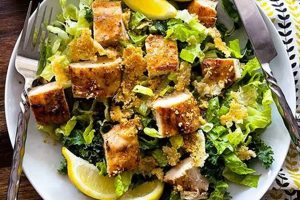
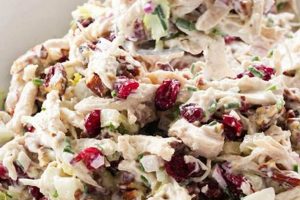
A simple preparation of grilled chicken breast served atop a bed of fresh vegetables constitutes a healthful and satisfying meal. Variations abound, incorporating diverse leafy greens, vegetables, fruits, nuts, cheeses, and dressings to cater to individual preferences. For example, a common iteration includes romaine lettuce, grilled chicken, cherry tomatoes, cucumber, croutons, and a light vinaigrette.
Such a meal offers nutritional value and culinary versatility. Grilled chicken provides lean protein, contributing to satiety and muscle maintenance. The inclusion of fresh produce ensures a rich intake of vitamins, minerals, and dietary fiber. Moreover, the adaptability of this dish allows for creative ingredient combinations, accommodating various dietary needs and preferences, from low-carbohydrate to vegetarian-adaptable (by substituting the chicken). The rising popularity of this dish reflects a growing awareness of health-conscious eating and the desire for convenient yet flavorful meals.
Further exploration will delve into specific ingredient selections, marinade options for enhancing the chicken’s flavor profile, grilling techniques for achieving optimal tenderness, and suggestions for composing complementary salad combinations. This detailed examination will empower readers to create personalized, delicious, and nutritious meals.
Tips for a Delicious Grilled Chicken Salad
Optimizing the preparation of grilled chicken salads requires attention to several key factors. These guidelines will ensure a flavorful, nutritious, and satisfying culinary experience.
Tip 1: Marinade the Chicken: Marinades enhance the flavor and tenderness of the chicken. A simple marinade of olive oil, lemon juice, garlic, and herbs can significantly improve the final result. Allowing the chicken to marinate for at least 30 minutes, or preferably longer, yields optimal results.
Tip 2: Proper Grilling Technique: Preheat the grill to medium-high heat. Grilling the chicken over direct heat for approximately 5-7 minutes per side, or until the internal temperature reaches 165F (74C), ensures thorough cooking without drying out the meat.
Tip 3: Rest the Chicken: Allowing the grilled chicken to rest for a few minutes before slicing allows the juices to redistribute, resulting in a more tender and flavorful final product.
Tip 4: Fresh Ingredients: Utilizing fresh, high-quality ingredients significantly impacts the overall flavor and nutritional value of the salad. Opt for seasonal vegetables and crisp lettuce varieties.
Tip 5: Balanced Salad Composition: A well-balanced salad incorporates a variety of textures and flavors. Consider including crunchy elements like nuts or croutons, alongside softer components such as avocado or cheese.
Tip 6: Dressings: Dressings can complement or overpower a salad. Light vinaigrettes, creamy dressings, or even a simple drizzle of olive oil and lemon juice can enhance the flavors without masking the taste of the other ingredients. Consider the overall flavor profile when selecting a dressing.
Tip 7: Proper Storage: Store leftover grilled chicken and salad components separately to maintain optimal freshness. Combine ingredients just before serving to prevent the salad from becoming soggy.
By following these tips, one can achieve consistently delicious and satisfying results. Attention to detail in each step, from marinade to final assembly, elevates the simple grilled chicken salad to a culinary experience.
The following section provides variations on the classic recipe, allowing for customization and exploration of diverse flavor profiles.
1. Simple Marinade

Simple marinades play a crucial role in achieving a flavorful and tender outcome in easy grilled chicken salad recipes. The marinade acts as a flavor enhancer, infusing the chicken with aromatics and contributing to its overall succulence. Furthermore, the marinade’s acidic components, often citrus juices or vinegar, help tenderize the chicken by breaking down muscle fibers. This tenderizing effect reduces cooking time and ensures a moist, palatable final product. For example, a basic marinade consisting of olive oil, lemon juice, garlic, and herbs introduces layers of flavor while promoting tenderness. The olive oil acts as a carrier for the herbs and spices, while the lemon juice contributes brightness and acidity. Other simple marinades might utilize ingredients like yogurt, Dijon mustard, or honey for varied flavor profiles.
The practical significance of employing a simple marinade extends beyond flavor and texture enhancement. Marinades can contribute to the overall nutritional value of the salad. The use of herbs and spices in marinades offers potential health benefits, as many possess antioxidant and anti-inflammatory properties. Moreover, marinades can reduce the formation of potentially harmful compounds, such as heterocyclic amines (HCAs), that can occur when grilling meat at high temperatures. The marinade creates a barrier between the chicken and the heat, minimizing HCA formation. This aspect contributes to a healthier and safer culinary experience.
In summary, a simple marinade is an essential component of an easy grilled chicken salad recipe. Its impact on flavor, texture, and nutritional value significantly contributes to the dish’s overall success. The ease of preparation and the versatile nature of simple marinades make them an invaluable tool for creating delicious and healthy meals. Choosing appropriate ingredients and understanding their functionalities allows for customization and optimization of the grilling process, leading to consistently satisfying results.
2. Quick Grilling Method
Quick grilling methods are integral to the concept of an “easy grilled chicken salad recipe.” The ease and speed of grilling directly influence the overall convenience and appeal of the dish. Time constraints often dictate meal choices, and a quick grilling method ensures that a nutritious and flavorful salad can be prepared even on a busy schedule. A fast grilling process, typically achieved through high heat and relatively short cooking times, minimizes the overall preparation time, making the recipe accessible to a wider range of individuals. For example, using thin-cut chicken breasts or pre-cut chicken strips can significantly reduce grilling time compared to thicker cuts, facilitating a quicker meal preparation.
The connection between quick grilling and ease of preparation extends beyond mere time savings. Efficient grilling techniques contribute to optimal results. High heat sears the chicken quickly, locking in juices and creating desirable grill marks while preventing the meat from drying out. This approach yields flavorful and tender chicken, enhancing the overall enjoyment of the salad. Furthermore, a quick grilling process allows for better control over the cooking process, reducing the risk of overcooking or burning, which can negatively impact both flavor and texture. This control is particularly crucial when using leaner cuts of chicken, which are prone to drying out if overcooked.
In summary, the quick grilling method plays a pivotal role in the appeal and feasibility of easy grilled chicken salad recipes. The speed and efficiency of this cooking technique contribute to the overall convenience of the dish, making it a practical and appealing option for time-conscious individuals. Moreover, proper implementation of quick grilling techniques ensures optimal results, yielding flavorful, tender chicken that enhances the overall dining experience. Mastering this aspect of the recipe contributes significantly to the creation of a satisfying and readily achievable meal.
3. Fresh, Crisp Ingredients

Fresh, crisp ingredients are fundamental to a successful easy grilled chicken salad recipe. The quality of the produce directly impacts the overall flavor, texture, and nutritional value of the dish. Crisp lettuce, such as romaine or butter lettuce, provides a refreshing base, contrasting with the savory grilled chicken. Fresh vegetables, like ripe tomatoes, cucumbers, and bell peppers, contribute vibrant colors, distinct flavors, and essential vitamins and minerals. The incorporation of fresh herbs, such as parsley, cilantro, or mint, adds aromatic complexity and elevates the sensory experience. A salad composed of wilted or less-than-fresh ingredients compromises the overall appeal and diminishes the intended culinary outcome. For instance, a salad featuring crisp romaine lettuce offers a satisfying crunch and a clean, fresh taste, whereas a salad using limp, aging lettuce delivers a less appealing texture and a potentially off-putting flavor.
The emphasis on fresh, crisp ingredients extends beyond mere aesthetics and taste. Fresh produce offers optimal nutritional value, maximizing the health benefits of the salad. Vitamins and minerals are often at their peak in freshly harvested produce, and degrade over time. Moreover, crisp ingredients contribute to the textural complexity of the salad, creating a more enjoyable and satisfying eating experience. The juxtaposition of textures, such as the crunch of fresh lettuce against the tenderness of grilled chicken, enhances the overall appeal. Furthermore, using fresh ingredients allows for greater flexibility in customizing the salad. Seasonal variations in available produce offer opportunities to explore diverse flavor combinations and tailor the salad to individual preferences. A summer salad might feature fresh berries and a light vinaigrette, while a fall salad could incorporate roasted root vegetables and a heartier dressing.
In conclusion, the use of fresh, crisp ingredients is paramount in achieving a truly satisfying and nutritious easy grilled chicken salad. Ingredient quality significantly influences the overall flavor, texture, and nutritional value. The selection of fresh produce and herbs elevates the sensory experience and maximizes health benefits. Prioritizing fresh ingredients demonstrates a commitment to quality and ensures a more enjoyable and rewarding culinary outcome. Understanding this connection empowers individuals to create consistently delicious and healthful meals.
4. Versatile Dressing Choices
Versatile dressing choices are essential to the enduring appeal of easy grilled chicken salad recipes. The ability to adapt the dressing to individual preferences and dietary needs contributes significantly to the recipe’s versatility. Dressings can dramatically alter the flavor profile of the salad, transforming it from a light and tangy dish to a rich and creamy one. This adaptability ensures that the salad remains an appealing option for a wide range of palates and occasions. For example, a light vinaigrette, perhaps lemon-herb or balsamic, complements the clean flavors of grilled chicken and fresh vegetables, while a creamy ranch or blue cheese dressing adds richness and depth. The choice of dressing also allows for customization based on dietary restrictions; a simple olive oil and vinegar dressing caters to low-fat or low-carbohydrate diets, whereas a yogurt-based dressing can provide additional protein.
The practical significance of versatile dressing choices extends beyond mere flavor customization. Different dressings can highlight specific ingredients or balance contrasting flavors within the salad. A tangy vinaigrette can cut through the richness of avocado or cheese, while a creamy dressing can mellow the sharpness of onions or peppers. The interplay between the dressing and other salad components creates a more nuanced and balanced culinary experience. Furthermore, the option to vary dressings prevents palate fatigue, allowing the easy grilled chicken salad to remain a consistently enjoyable meal choice, even when consumed regularly. Seasonal variations in dressing choices further enhance this versatility; a light vinaigrette might be preferred in summer, while a creamy dressing could be more appealing in colder months. Rotating dressings based on seasonal ingredients or individual preferences maintains interest and prevents monotony.
In summary, versatile dressing choices are integral to the success and adaptability of easy grilled chicken salad recipes. The ability to customize the dressing allows for a wide range of flavor profiles, catering to diverse preferences and dietary needs. Understanding the impact of different dressings on the overall flavor and balance of the salad allows for a more nuanced and satisfying culinary experience. This adaptability ensures that the easy grilled chicken salad remains a consistently appealing and customizable meal option.
5. Customizable Combinations

Customizable combinations are intrinsic to the concept of an “easy grilled chicken salad recipe.” The adaptability inherent in these salads contributes significantly to their appeal and practicality. Dietary restrictions, personal preferences, and seasonal ingredient availability influence ingredient selection. This inherent flexibility distinguishes the grilled chicken salad from more rigid recipes, allowing for variations without compromising the fundamental essence of the dish. For example, individuals following a low-carbohydrate diet might opt for a base of leafy greens and prioritize non-starchy vegetables, while those seeking a vegetarian alternative can substitute grilled tofu or halloumi for the chicken. Seasonal variations might include incorporating fresh berries in the summer or roasted root vegetables during the fall. This adaptability allows for a dynamic and evolving culinary experience, preventing monotony and catering to a broad spectrum of needs and preferences.
The practical significance of customizable combinations extends beyond mere adaptability. This flexibility fosters creativity and culinary exploration. Individuals can experiment with different flavor profiles and textures, incorporating diverse ingredients based on personal preferences or culinary inspiration. The addition of fruits, nuts, seeds, cheeses, and various herbs and spices can dramatically alter the sensory experience. A Southwestern-inspired salad might feature grilled corn, black beans, avocado, and a cilantro-lime dressing, while a Mediterranean variation could incorporate feta cheese, olives, cucumbers, and a lemon-herb vinaigrette. This capacity for customization transforms the easy grilled chicken salad from a simple meal into a platform for culinary expression.
In summary, customizable combinations are a defining characteristic of the easy grilled chicken salad recipe. This adaptability ensures relevance across diverse dietary needs and personal preferences, fostering a dynamic and engaging culinary experience. The ability to incorporate seasonal ingredients and experiment with various flavor profiles promotes creativity and prevents mealtime monotony. Understanding the practical significance of customizable combinations unlocks the full potential of this versatile dish, transforming it from a simple recipe into a foundation for culinary exploration and personalized enjoyment.
Frequently Asked Questions
This section addresses common inquiries regarding the preparation and enjoyment of easy grilled chicken salads.
Question 1: How can dryness in grilled chicken be prevented?
Marinating the chicken for at least 30 minutes helps retain moisture. Avoiding overcooking is crucial; an internal temperature of 165F (74C) ensures safe consumption without sacrificing tenderness. Allowing the chicken to rest after grilling allows juices to redistribute.
Question 2: What are suitable alternatives to traditional lettuce?
Spinach, kale, arugula, or mixed greens offer nutritional variety and distinct flavors. These alternatives provide textural diversity and can accommodate specific dietary preferences.
Question 3: How can sodium content be reduced?
Preparing dressings from scratch allows control over sodium levels. Fresh herbs, spices, and citrus juices can enhance flavors without relying on high-sodium ingredients. Pre-packaged dressings should be examined for sodium content.
Question 4: What are strategies for making the salad a complete meal?
Incorporating whole grains, such as quinoa or brown rice, adds complex carbohydrates and fiber. Legumes, like chickpeas or black beans, offer plant-based protein and enhance satiety. Healthy fats from avocados or nuts contribute essential nutrients.
Question 5: How can leftover grilled chicken be utilized effectively?
Storing grilled chicken separately prevents the salad from becoming soggy. Leftover chicken can be incorporated into sandwiches, wraps, or other meals throughout the week, maximizing resource utilization and minimizing food waste.
Question 6: How can food safety be ensured when preparing grilled chicken salads?
Proper handwashing and sanitization of surfaces are essential. Thorough cooking of the chicken to an internal temperature of 165F (74C) eliminates harmful bacteria. Prompt refrigeration of leftovers prevents bacterial growth and maintains food safety.
Understanding these key aspects contributes to successful preparation and enjoyable consumption of grilled chicken salads.
The subsequent section offers variations on this versatile dish, inspiring culinary exploration and customization.
Easy Grilled Chicken Salad Recipe
Exploration of the easy grilled chicken salad recipe reveals its adaptable nature and nutritional value. Key elements include the simplicity of preparation, the importance of fresh ingredients, and the impact of versatile dressing choices. Quick grilling methods ensure convenience, while customizable combinations cater to diverse dietary needs and preferences. From marinade selection to ingredient combinations, each step offers opportunities for personalized culinary expression. Understanding these components empowers individuals to create consistently satisfying and healthful meals.
The easy grilled chicken salad recipe represents more than a simple meal; it embodies a versatile and adaptable approach to healthy eating. Continued exploration of flavor profiles and ingredient combinations promises an evolving culinary experience. Embracing this adaptability allows for a dynamic and personalized approach to nutrition, promoting both enjoyment and well-being.